
IN BRIEF
|
Urban traffic presents unique challenges for motorcyclists, making their safety paramount. To navigate safely through the urban jungle, it is essential to adopt certain recommended practices. By anticipating the actions of other drivers, maintaining an adequate safe distance, and wearing appropriate protective gear, motorcyclists can significantly reduce the risk of accidents. Let’s explore practical tips to ensure safe and serene riding in the city together.
Motorcycling in the city presents unique challenges that require special attention to ensure the safety of motorcyclists. The urban environment is often dense and dynamic, increasing the risk of accidents. This article highlights the advantages and disadvantages of motorcycle safety in urban areas, while providing practical tips for safe riding.
Advantages
Riding a motorcycle in the city offers several advantages in terms of safety, especially when appropriate practices are applied. Firstly, the maneuverability of motorcycles in traffic allows users to navigate more easily, avoid certain traffic jams, and reach their destination faster. Motorcycles can also weave through tight spaces, which reduces the chances of being stuck in extended stops.
Another benefit lies in the ability to adopt a defensive driving approach. By remaining attentive to the movements of surrounding vehicles and anticipating potentially dangerous maneuvers, motorcyclists can lower the risk of accidents. Additionally, by taking relevant training and courses, such as those offered in the Motorcyclist’s Good Practices Guide, two-wheeler users can improve their skills and knowledge of risky situations.
Disadvantages
Despite the advantages, motorcycle safety in urban areas also presents some disadvantages. Urban infrastructures can sometimes be unsuitable for motorcycles, with a lack of signage or degraded road surfaces. This increases the risk of falls, especially in wet weather, where appropriate rain gear becomes essential.
Moreover, the proximity of other vehicles in an urban environment can heighten stress for motorcyclists. The unexpected maneuvers of car drivers, such as lane changes or turns, can lead to dangerous situations. Maintaining a safe distance, as recommended in road safety advice, is vital to avoid collisions, but it is not always easy to achieve in the constant flow of traffic.
In summary, to ensure their safety and that of others, motorcyclists must adopt cautious behaviors and remain vigilant. For additional tips on urban safety, you can consult this article which offers practical recommendations suited to this particular environment.
Motorcycling in an urban setting requires special attention and good preparation. Motorcyclists must be aware of the many dangers around them, including dense traffic, unpredictable behaviors of other road users, and varying weather conditions. This guide provides practical tips to ensure motorcyclists’ safety in the city.
Anticipate the movements of other vehicles
The first safety rule is to anticipate the maneuvers of cars, trucks, and other motorcycles. Observe the driver and the orientation of the front tires to predict whether the vehicle might change lanes or turn. Paying special attention to traffic lights is essential; slow down as you approach a light to be ready to react.
Maintain a safe distance
When riding in urban areas, it is imperative to maintain a safe distance from other vehicles. This provides sufficient time to react in the event of sudden braking or an unpredictable maneuver by another driver. Keeping this space can make all the difference in case of an incident.
Essential safety gear
Being properly equipped is crucial for the safety of motorcyclists. Ensure that you wear a helmet that meets standards, along with a protective clothing that is durable. Gloves and suitable footwear are also recommended. Don’t forget to regularly check the condition of your motorcycle, including tire pressure and brake functionality, to ensure safe riding.
Drive cautiously in wet weather
Weather conditions can significantly affect safety. Riding in the rain requires additional precautions. Avoid sudden braking as this can lead to a loss of grip. Opt for a moderate speed and increase the safe distance to compensate for slippery surfaces.
Participate in relevant training
To enhance your safety and that of others, it is highly recommended to take part in riding courses. These courses help develop good reflexes and improve control of your machine, particularly in complex situations typical of urban traffic.
Use signaling
A proper signaling is vital for safety on a motorcycle. Use your turn signals to inform other road users of your intentions. Be visible and make sure not to miss any opportunity to indicate your maneuvers, especially in dense traffic.
Respect traffic rules
Finally, it is essential to respect traffic rules under all circumstances. This includes speed limits, priority rules, and adherence to regulations specific to two-wheeled vehicles. Following these rules contributes not only to your safety but also to that of other road users.
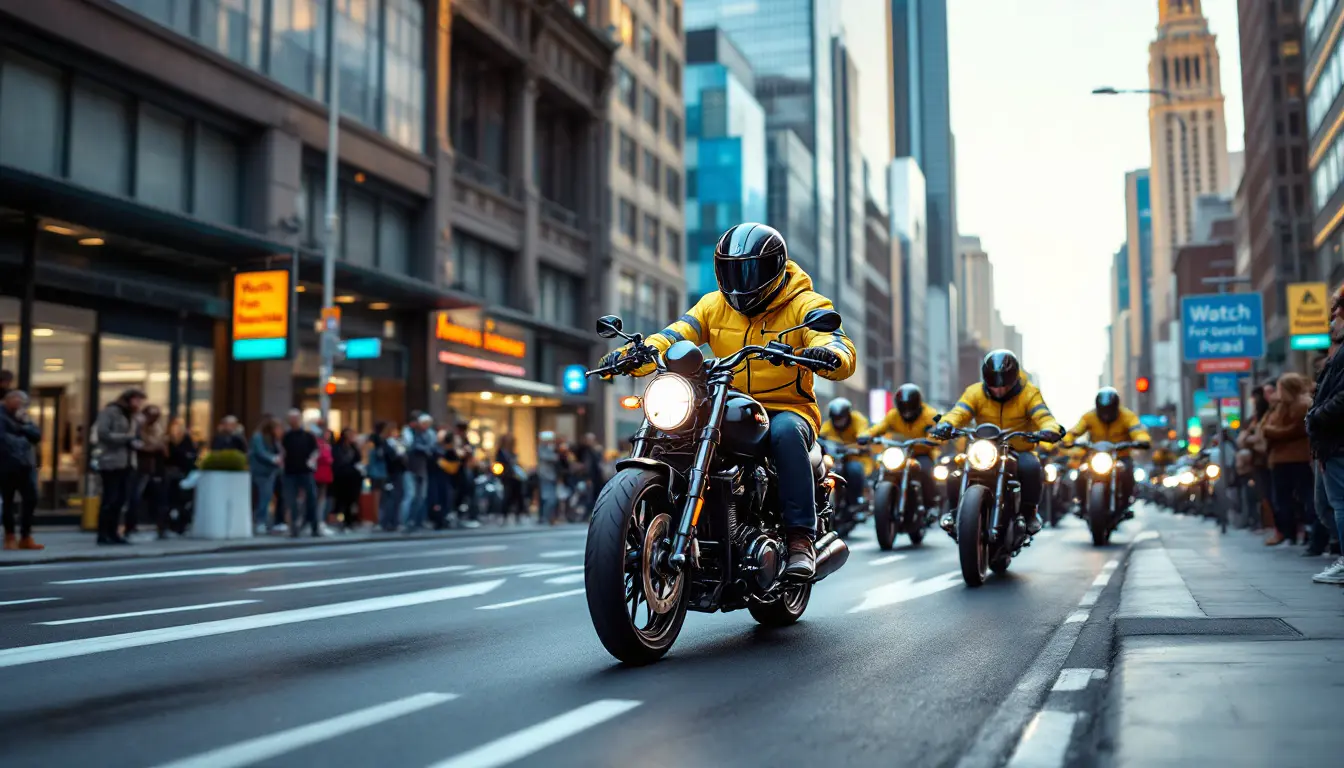
Riding a motorcycle in urban areas can be perilous due to heavy traffic and unforeseen events that can occur at any moment. This is why it is essential to follow a few practical tips to ensure your safety and that of other road users. This article presents recommendations to optimize your riding in the city while safeguarding your well-being on two wheels.
Anticipate the movements of other vehicles
To avoid accidents, anticipation is crucial. When approaching a vehicle, carefully observe the driver and the orientation of their front tires. If you notice that a vehicle may change lanes or turn, adjust your position accordingly to avoid a collision.
Maintain a safe distance
It is imperative to always maintain a safe distance from other vehicles, especially in urban areas where unforeseen stops are frequent. This will allow you to react quickly if necessary. By keeping sufficient space, you increase your chances of avoiding an accident.
Properly equip yourself
The choice of gear is essential to ensure your safety on the road. Make sure to wear a certified helmet, certified gloves, and a high-visibility vest. These pieces of equipment, listed on the Public Service website, are not only mandatory, but they can also save lives. For more details on mandatory gear, you can consult this source: here.
Stay visible in traffic
Visibility is a fundamental aspect of your safety. Avoid riding with high beams, which can impair drivers’ perception of your speed. Use appropriate low beams and wear reflective clothing to maximize visibility, especially at dusk. Consulting specific tips for city traffic might be useful: click here.
Participate in relevant training
Taking part in training and driving courses can significantly improve your skills and confidence on the road. These courses are specifically designed to help you develop accident prevention methods and to acquire specific advice regarding riding in urban environments.
Travel safely in groups
When traveling in groups, follow the safety rules for group riding. Establish communication signals, maintain a sufficient distance between motorcycles, and adjust your speed according to the comfort level of all participants. For advice on safety during group rides, you can refer to resources like this site.
| Tips | Importance |
| Anticipate vehicle maneuvers | Reduces collision risk |
| Maintain a safe distance | Prevents accidents from sudden braking |
| Use your low beams | Improves visibility |
| Check safety equipment | Protects in case of a fall |
| Stay vigilant in blind spots | Prevents scrapes |
| Adjust your speed to traffic conditions | Minimizes risks of losing control |
| Avoid overtaking on the right | Reduces surprise risks |
| Take relevant training | Helps master your vehicle |
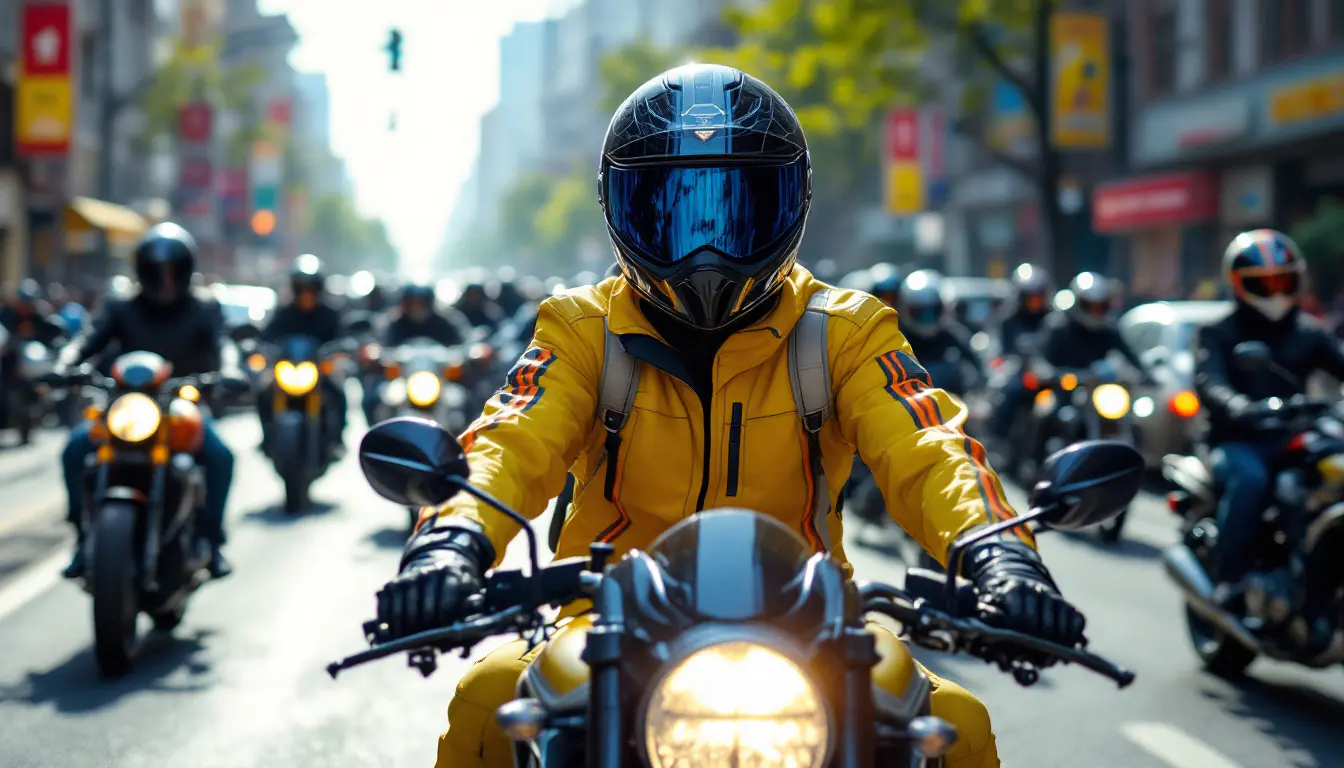
A motorcyclist shares their experience: “As a two-wheeled driver, I learned to anticipate the movements of other road users. Carefully observing the orientation of the tires and the behavior of motorists has allowed me to avoid many dangerous situations. Foresight is key to riding calmly in the city.”
A young woman motorcyclist testifies: “I took a driving course that really helped me strengthen my reflexes. The practical exercises allowed me to gain confidence on the road. In an urban environment, it is essential to stay vigilant and be ready to react quickly to unforeseen events.”
Another motorcyclist explains: “Maintaining a safe distance from other vehicles is essential, especially in the city. Sudden stops are frequent, and keeping a sufficient space helps avoid collisions. I strive to observe this rule because it protects me as much as other drivers.”
A motorcycle enthusiast emphasizes the importance of safety equipment: “I never ride without my certified helmet and reinforced gloves. In an urban environment, falls can happen quickly, and these protections are crucial to avoid serious injuries. Good equipment can truly make a difference.”
Finally, a motorcyclist adds: “Signaling is also a key factor in my driving. I’ve learned to always use my turn signals and to respect signs. This not only helps prevent others but also enhances my own safety. By acting this way, I contribute to a climate of trust on the road.”
Motorcycling in urban environments presents unique challenges for motorcyclists. With dense traffic, unpredictable pedestrians, and vehicles frequently changing direction, it is essential to adopt safe behaviors to avoid accidents. This article offers practical recommendations to ensure the safety of motorcyclists in urban settings, focusing on anticipation, safe distance, and protective gear.
Anticipation and vigilance
In an urban environment, anticipation is crucial. Motorcyclists must stay attentive to the behaviors of other road users. This includes observing vehicle drivers to detect any sign of intention to leave parking spots or turn. It is advisable to pay particular attention to the orientation of the front tires of cars, which can indicate an imminent change of direction.
As you approach traffic lights, it is essential to slow down and prepare to stop. You should always keep an eye on cars that might be waiting. Remaining focused on the immediate environment allows for quick reactions if needed.
Safe distance
Maintaining a sufficient safe distance is another fundamental measure for motorcycle safety. In urban areas, this distance allows motorcyclists to have enough time to react to unforeseen circumstances. It is recommended to maintain a distance of at least 3 seconds from the vehicles in front of you. This provides an opportunity to brake gently or avoid an obstacle without panic.
These extra seconds can be decisive, especially in sudden maneuvers, where a motorcyclist might be forced to brake abruptly. The practice of keeping this distance is even more important when riding in groups, where the behaviors of others can disrupt the flow of movement.
Protective equipment
The importance of safety equipment cannot be underestimated. Motorcyclists should always wear a certified helmet, essential for head protection in case of a fall. Additionally, appropriate clothing such as reinforced jackets, gloves, and durable pants can minimize injuries in the event of an accident.
In an urban setting, wearing gloves with good grip can also help maintain better control of the motorcycle. Motorcycle boots with ankle protection are also recommended to protect the feet and legs.
Training and skills
To enhance safety, it is strongly advised to participate in driving courses. These training sessions help acquire specific skills for urban riding, learning to handle dangerous situations with confidence. Additionally, accumulating miles helps build healthy reflexes on the road.
Motorcyclists can also benefit from regularly updating their knowledge of traffic rules and any other legislation related to road safety. This ensures riding in accordance with current requirements and aids in making informed decisions on the road.
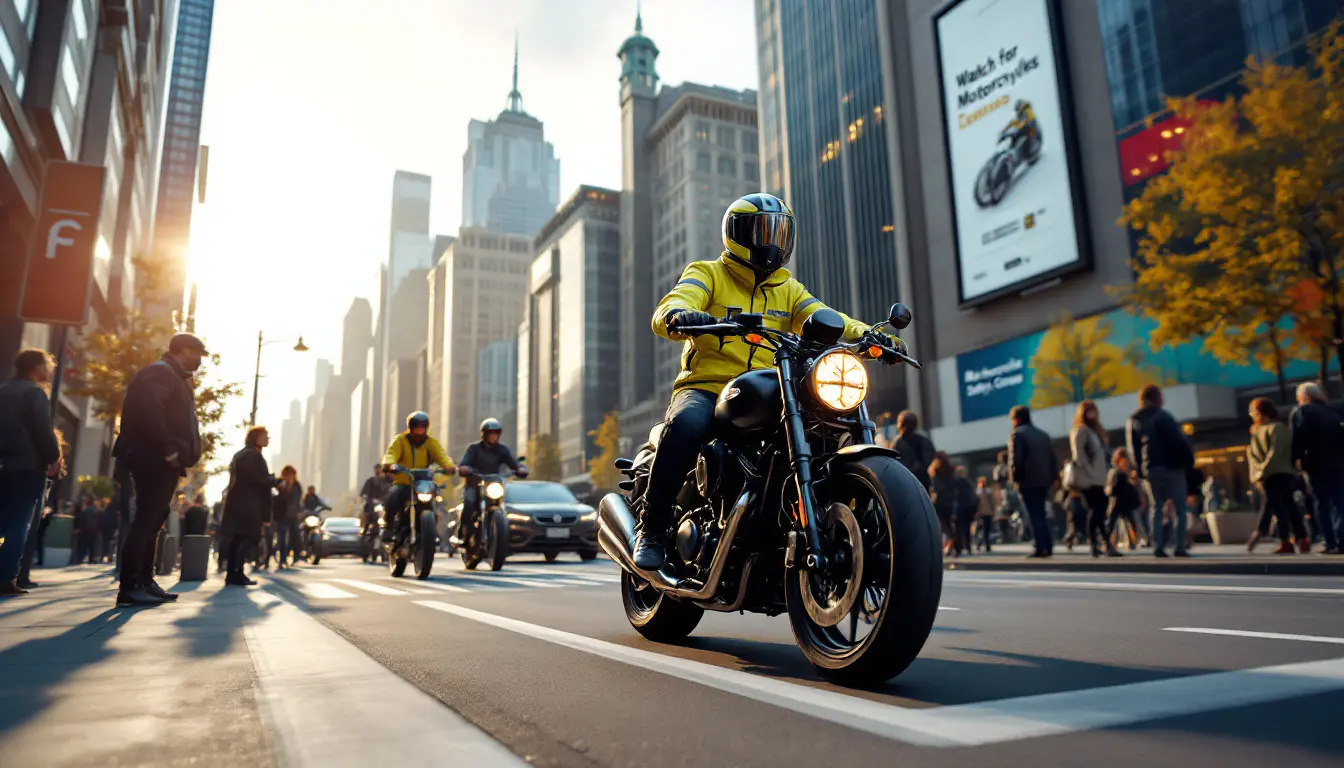
Riding in the city presents a number of risks for motorcyclists, due to the density of traffic and the unpredictable behaviors of other road users. Therefore, it is essential to adopt safe practices to limit these risks. One key to safe riding lies in anticipation. Motorcyclists must learn to carefully observe their environment by checking the orientation of the tires of nearby vehicles to foresee their intentions, whether it involves a lane change or a turn.
Maintaining an adequate safe distance is also indispensable. This allows not only for a quicker response in case of unforeseen events but also provides the necessary space to maneuver safely. Additionally, adopting a moderate speed makes a significant difference. Rushing can lead to misjudgments, especially in dense traffic.
The wearing of appropriate protections is equally crucial. Although it may seem obvious, some motorcyclists do not always wear the necessary safety gear. Helmets, gloves, protective jackets, and boots should be regarded as a second skin rather than optional accessories.
Finally, ongoing training plays a vital role in developing driving skills. Participating in specialized courses can help motorcyclists acquire reflexes suited to the specifics of urban traffic. By integrating these practices into their riding routine, motorcyclists can significantly improve their safety and that of others on the road.
FAQ on motorcycle safety in urban areas
What is the most important advice for riding in the city safely? It is essential to anticipate the movements of other vehicles by attentively observing drivers and the orientation of their front tires.
How to maintain a safe distance on a motorcycle? It is crucial to always keep a sufficient distance from other vehicles, allowing for a quick reaction in case of sudden braking.
What are the good practices to adopt for riding a two-wheeler in the city? Practice and experience are key. Going slowly, especially in heavily trafficked areas, is recommended to develop good reflexes.
What safety gear is indispensable for motorcyclists? Mandatory protections include a certified helmet, gloves, and suitable clothing like a reinforced jacket.
How to avoid accident risks during night rides? It is recommended to use headlights that do not dazzle other users and to remain vigilant about road conditions.
Why is it important to take driving courses? These courses help reinforce motorcyclist safety and to better understand the behaviors of other road users.
What measures can be taken in rainy conditions? It is important to adjust speed and wear appropriate gear to ensure better grip on wet surfaces.
How to prepare before a group motorcycle trip? Inform all participants of the safety rules and designate a leader to coordinate the group during the ride.


