
IN BRIEF
|
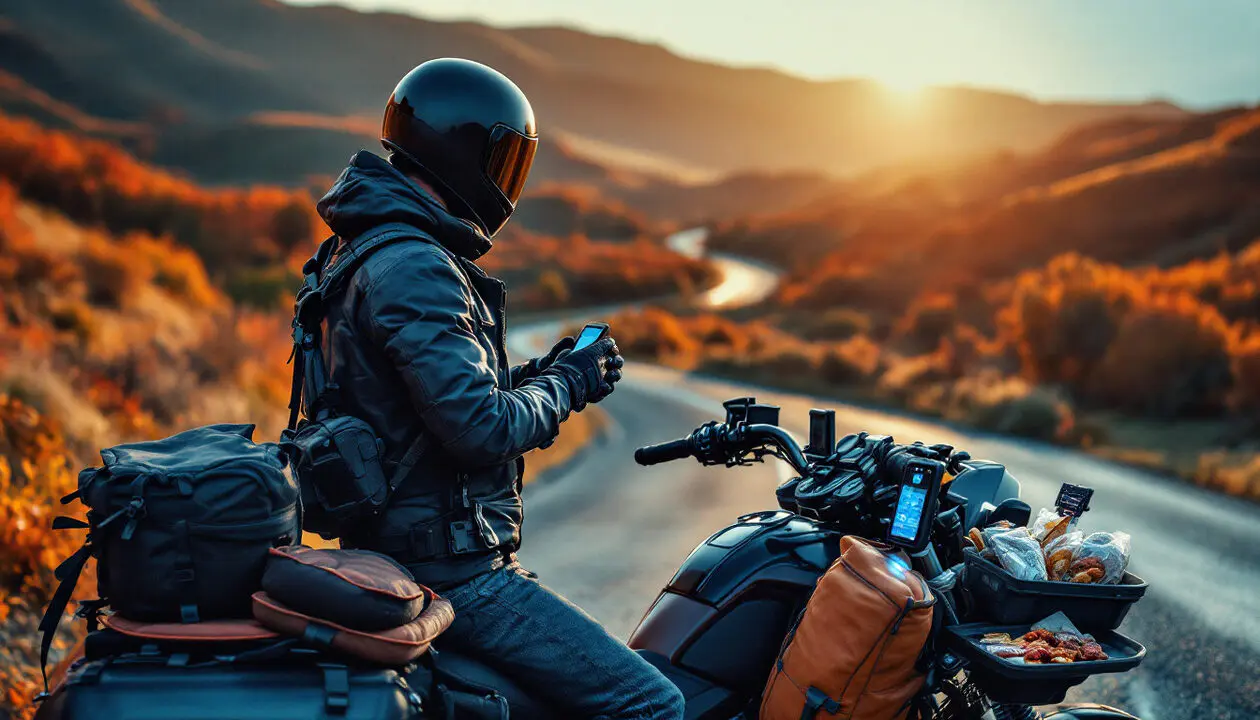
When it comes to long motorcycle rides, comfort is essential for fully enjoying the adventure. Careful preparation can make all the difference, whether in terms of motorcycle, equipment, or even posture. In this article, we will explore several tips to optimize your comfort on the road, allowing you to travel kilometers without feeling excessive fatigue. Whether you are an experienced rider or a novice, these tips will help make your two-wheeled journeys more enjoyable.
Optimizing comfort during long motorcycle journeys
Long motorcycle trips can be as exhilarating as they are demanding. To better enjoy every mile traveled, it is essential to optimize your comfort. This article offers a comparison of the best tips to ensure a pleasant riding experience during your motorcycle outings.
Advantages
Proper seat and posture
An ergonomic seat is fundamental to comfort. Wider-shaped seats with good cushioning help reduce fatigue. A proper posture, with sightly bent elbows, helps prevent lower back pain and facilitates motorcycle handling.
Appropriate riding gear
Wearing suitable clothing is essential. A leather pant is generally more comfortable than jeans, while breathable materials promote better thermal comfort. Also think about accessorizing with a lumbar belt for added support.
Motorcycle preparation
Before leaving, it is crucial to check the motorcycle’s condition. Ensure that the lights work correctly and that the tires are in good shape. A well-maintained motorcycle not only contributes to your safety but also to your comfort during the ride. To find out how to proceed, consult this complete guide.
Hydration and regular breaks
Taking frequent breaks and staying hydrated helps avoid fatigue. Stopping every two hours to stretch your legs can make a big difference. Remember to bring water and light snacks to keep your energy up during your trip.
Disadvantages
Cost of specialized gear
Investing in comfort gear, such as a custom seat or technical clothing, can represent a significant cost. It is important to consider whether these expenses are worth it compared to the driving experience.
Necessary preparation
Optimizing comfort requires prior preparation and meticulous organization. This may take time to research and set up the right gear, which can be a constraint for some riders.
Influence of weather conditions
Despite all optimizations, it is difficult to control weather conditions. Sudden temperature changes or unexpected rain can affect comfort, regardless of the chosen equipment. To learn more about adapting to different conditions, you can refer to this article here.
By taking these tips into account, you will be able to maximize your comfort during your long motorcycle journeys and fully enjoy them.
Tips to optimize comfort during long motorcycle rides
When preparing to cover long distances on a motorcycle, comfort is of utmost importance. Good preparation, both in terms of gear and posture, can transform a long ride into a pleasant experience. This guide provides several tips to optimize your comfort during these extended trips.
Equip your motorcycle for comfort
Before hitting the road, it is essential to ensure that your motorcycle is well-equipped. Opt for shaped seats that offer better support during the long hours spent in the saddle. Proper padding can reduce fatigue and improve the riding experience.
Select appropriate clothing
To ensure your comfort, it is recommended to wear breathable clothing suited to the weather. Prefer lightweight fabrics in summer and thermal layers in winter. Don’t forget to opt for leather pants, which offer more protection and comfort than regular jeans.
Comfort accessories
Also consider accessories like a lumbar belt that can relieve pressure on your lower back. Comfortable and well-fitted gloves can also prevent hand pain after long hours of riding.
Adopt the correct posture
Your posture plays a crucial role in comfort during long journeys. Keep your elbows slightly bent to avoid leaning too far forward. This reduces muscle fatigue and improves the motorcycle’s maneuverability.
Handlebar and footpeg adjustments
Make sure to adjust the handlebar height and the position of the footpegs for optimal support. A well-adjusted position can greatly increase your comfort, especially during long rides.
Physical and mental preparation
Fatigue can quickly set in during a long motorcycle trip. It is therefore essential to take regular breaks to stretch your legs and rest. Stay properly hydrated and consume light snacks to stay energized. For more tips on managing fatigue, refer to this article.
Preventive motorcycle maintenance
Before departure, make sure your motorcycle is in excellent condition. Good maintenance guarantees not only safety but also comfort. Check the brakes, tires, and engine fluidity. For detailed instructions on maintaining your motorcycle, read this guide.
Efficient storage
Finally, use suitable storage solutions to avoid congestion. Sports bags or luggage designed for motorcycles will help distribute the weight evenly. For storage options, check this site.
Optimizing comfort during long motorcycle journeys
When embarking on long distances by motorcycle, comfort is essential for fully enjoying the trip. Whether for escapades on winding roads or highways, there are several tips to improve your riding experience and alleviate fatigue. This article guides you through practical tips for a pleasant and pain-free journey.
Choosing the right motorcycle
The selection of your motorcycle can significantly influence your comfort. Motorcycles equipped with spacious and well-padded seats are generally more suitable for long distances. Additionally, ensure that your motorcycle’s ergonomics allow you to adopt a relaxed posture, with slightly bent elbows to avoid any excessive tension.
Appropriate clothing
Wear appropriate clothing that combines both protection and comfort. Opt for jackets and pants designed for motorcycles, made of breathable and fitted materials. Also consider including technical underwear that wicks moisture away, and don’t forget to add accessories such as a lumbar belt for extra support during long hours on the road.
Organizing your equipment
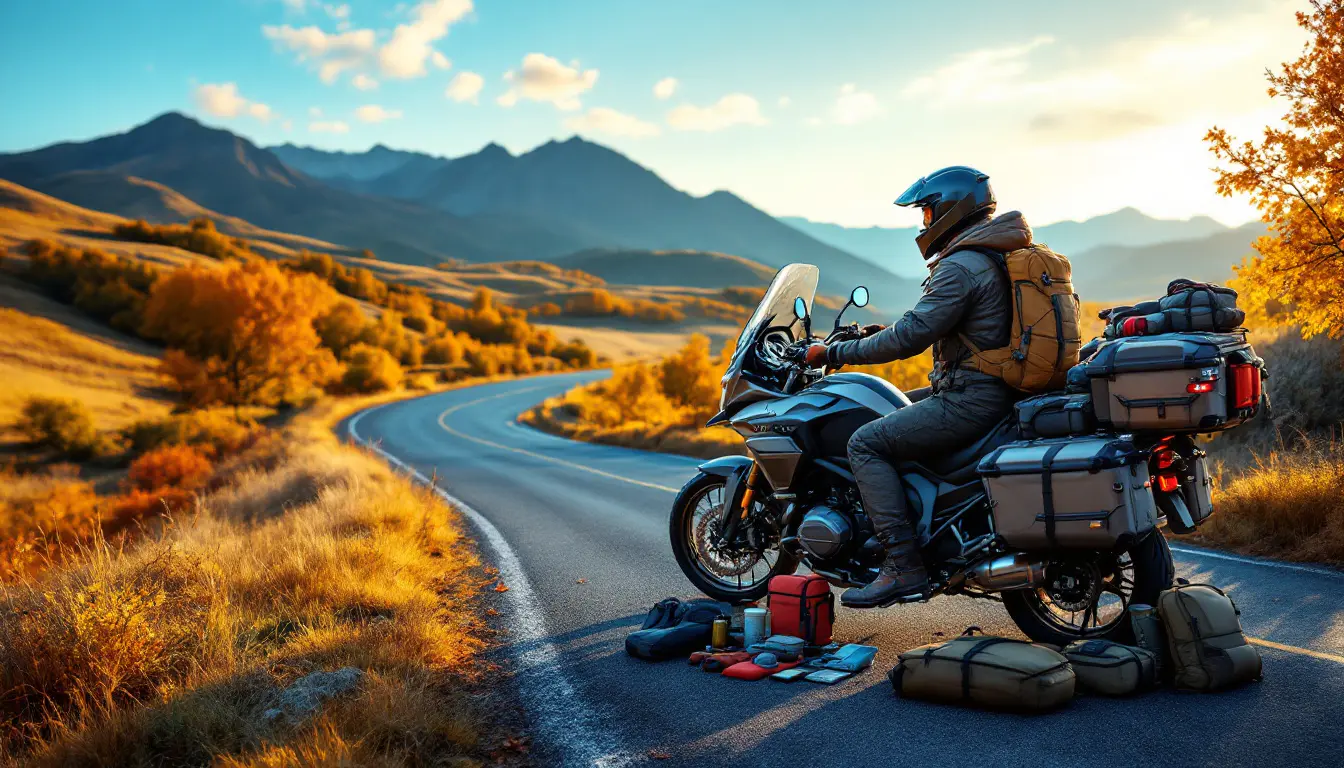
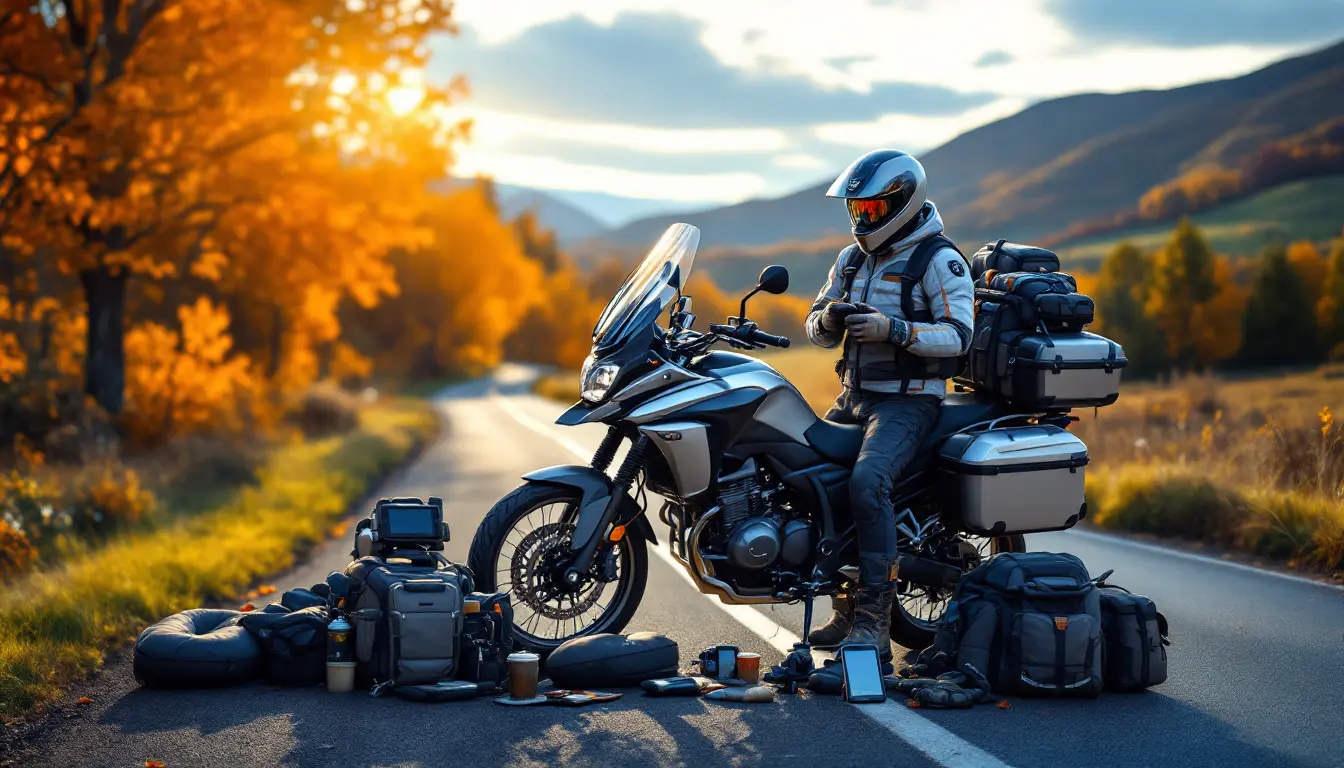
Before departure, it is crucial to organize your equipment well. A good arrangement of your luggage ensures balanced weight and better control of the motorcycle. Ensure that your load does not exceed recommended limits and does not obstruct your visibility. Storage solutions such as saddlebags or top cases can be very practical.
Taking regular breaks
It is essential to take regular breaks during your journey. Stop every 1 to 2 hours to stretch your legs and hydrate. This not only relieves tension but also helps you stay alert on the road. Use this time to inspect your motorcycle and ensure it is in good condition.
Checking the motorcycle’s condition
Before each departure, carefully inspect your motorcycle. Make sure the lights work properly and the tires are fully inflated. Regular maintenance contributes to the safety and longevity of your vehicle. For more details, consult the travel equipment advice at .
Staying hydrated and well-nourished
Finally, do not forget to stay hydrated and well-nourished during your trip. Bring drinks and light snacks to avoid feeling heavy. Prioritizing balanced meals will help you maintain your energy on the road. Plan your route considering stops where you can comfortably eat.
Optimizing comfort during long motorcycle journeys
| Tips | Description |
| Riding position | Adopt a position with slightly bent elbows to avoid muscle fatigue. |
| Comfortable seat | Prefer wider shaped seats with good padding for increased comfort. |
| Suitable clothing | Opt for breathable and fitted clothing that allows good air circulation. |
| Comfort accessories | Use a lumbar belt for back support during long distances. |
| Proper tires | Well-maintained tires suited to road conditions can improve riding comfort. |
| Motorcycle hygiene | Ensure that lights and brakes operate well to avoid stress and fatigue. |
| Fatigue management | Plan regular breaks to stretch your legs and rest. |
| Appropriate lighting | Use effective headlights to improve visibility at night and in cloudy weather. |
| Hydration | Pay close attention to your hydration during the trip. |
| Equipment check | Before departure, check your helmet, gloves, and other safety elements. |
Tips to optimize comfort during long motorcycle rides
To fully enjoy a long motorcycle trip, comfort must be a priority. A fellow rider, Thomas, shares his experience: “At the beginning of my long trips, I suffered from back pain. So I invested in a shaped seat and I can tell you the difference is extraordinary. Now I can travel hundreds of kilometers without feeling fatigued.”
Another essential aspect is suitable clothing. Chloe, a motorcycle enthusiast, explains: “I always wear clothing made from breathable and fitted materials. It helps me regulate my temperature. I avoid ordinary jeans as they are not designed for long rides.”
Luc, for his part, emphasizes the importance of posture on the motorcycle: “It is crucial to adopt a correct position. My elbows should be slightly bent to avoid tensing up. I also use a lumbar belt that helps support my back during the hours spent on the road.”
Not neglecting breaks is also crucial. Camille, who has undertaken several road trips, recommends: “I like to stop every two hours. It allows me to stretch and move my legs. A little coffee break is also refreshing and recharges my batteries.”
Finally, safety and visibility must be considered. David, an experienced rider, mentions: “Before each departure, I take the time to check my lights and clean my helmet. Good visibility is essential, especially on long rides at the end of the day.”
Optimizing comfort during long motorcycle journeys
During long motorcycle trips, comfort is essential to fully enjoy the riding experience. Several factors, such as rider equipment, motorcycle setup, and trip preparation, play a crucial role in maintaining optimal comfort. This article presents practical tips to improve your comfort on long motorcycle rides.
Choosing the right equipment
The choice of motorcycle equipment is fundamental to guarantee your comfort over long distances. Opt for an approved full-face helmet, essential for safety but also for comfort as it reduces noise disturbances. CE certified gloves, in addition to protecting your hands, should fit well and be breathable to avoid sweating.
Appropriate clothing
Prefer technical clothing designed for motorcycling. A leather or reinforced fabric pant will be more comfortable and durable than ordinary jeans. Consider layers of breathable clothing, ideal in case of temperature variations. Fitted but not overly tight clothing allows better blood circulation and reduces soreness.
Positioning on the motorcycle
The way you position yourself on the motorcycle directly impacts your comfort. Ensure your elbows are slightly bent to avoid hyperextension, often a source of pain. A relaxed posture allows for long-distance travel without excessive fatigue. You might also consider adding accessories like a lumbar belt for additional support.
Configuring the motorcycle for comfort
It is important to adjust your motorcycle to your needs. Invest in a shaped or padded seat that better supports your body during long journeys. Also check that the suspension is properly set—good shock absorption reduces impact on your body. Make sure to adjust the handlebar height for an ergonomic position.
Preparing for the journey
Preparation before departure is equally important. Ensure that your motorcycle is in perfect condition by checking the brakes, lights, and tire pressure. Good maintenance guarantees not only safety but also contributes to a more pleasant journey. Consider having a first aid kit and a tire repair kit close at hand; this can prevent many inconveniences.
Hydration and regular breaks
Pay particular attention to your hydration and breaks. Drinking water regularly avoids dehydration and keeps you alert. Schedule stops every 1 to 2 hours to stretch your legs and rest your body. This will reduce fatigue and improve your focus on the road.
Know your limits
Finally, it is crucial to listen to your body. Do not push through if you feel pain, cramps, or excessive fatigue. Don’t hesitate to adjust your trips based on your comfort level and be flexible with your schedule. A long trip should remain an enjoyable experience, and knowing when to stop is part of that experience.
FAQ: Optimizing comfort during long motorcycle journeys
What comfort equipment is recommended? For a pleasant trip, prefer a shaped and well-padded seat. Also think of suitable clothing, like leather pants or breathable clothing, that helps prevent getting too hot or cold.
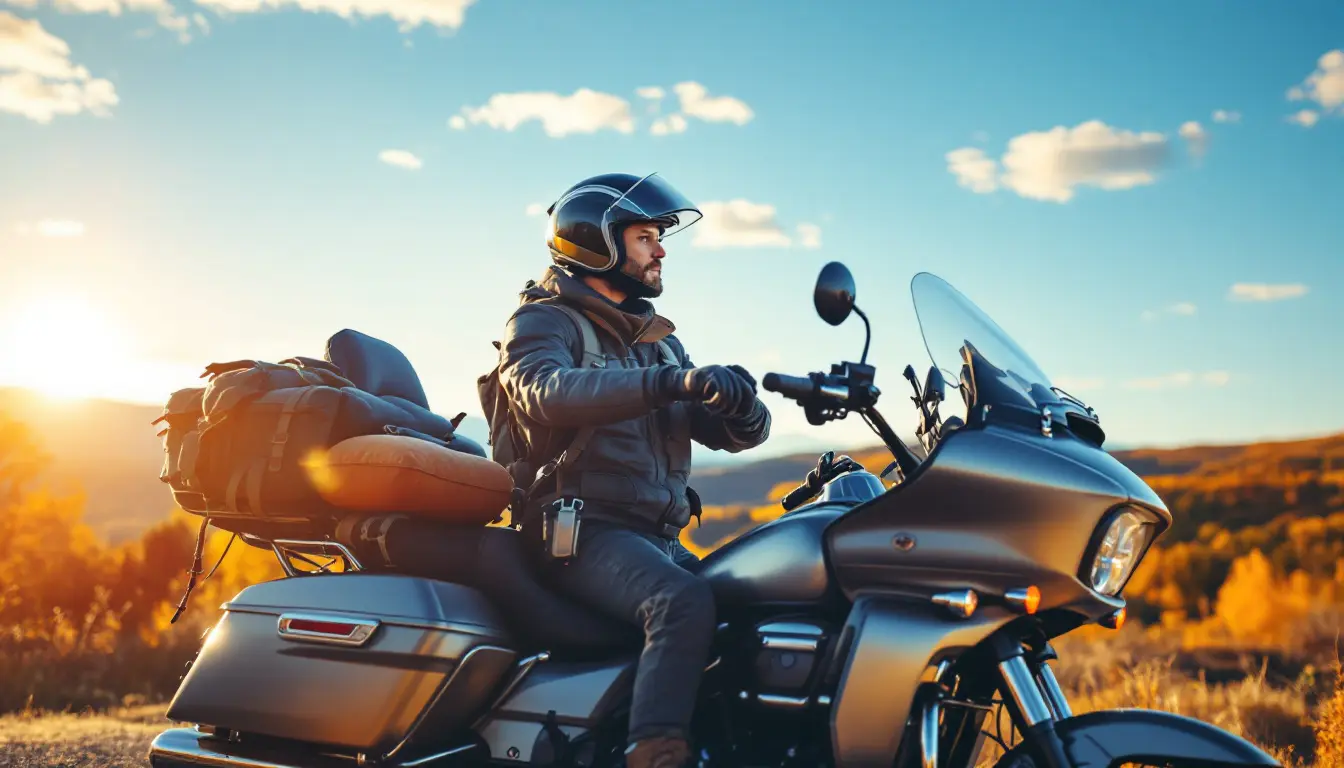
How to position correctly on the motorcycle? Adopt a riding position with slightly bent elbows to avoid pain and fatigue. A correct posture is essential to minimize tension during the trip.
What accessories can be used for more comfort? Accessories like a lumbar belt or more comfortable grips can be very useful. Also don’t forget a good pair of motorcycle gloves.
How to manage fatigue during the trip? Take regular breaks to rest and stretch your legs. Stay hydrated to remain fit throughout the trip.
Should you prepare your motorcycle before going on a long journey? Yes, it is crucial to check your motorcycle’s condition before departure, especially the lights, brakes, and tire pressure to ensure your safety and comfort.
What type of tires is recommended for long trips? Opt for tires suitable for your riding style and the road conditions you will encounter. Touring tires are often preferred for their comfort and longevity.
What kind of food to favor on the road? Choose light and hydrating meals to avoid feeling heavy. Healthy snacks like fruits and energy bars are ideal.
How to dress for a long motorcycle ride? It is important to wear a covering and comfortable outfit. Choose clothing that protects you from the wind and weather while being breathable for better comfort.