
IN BRIEF
|
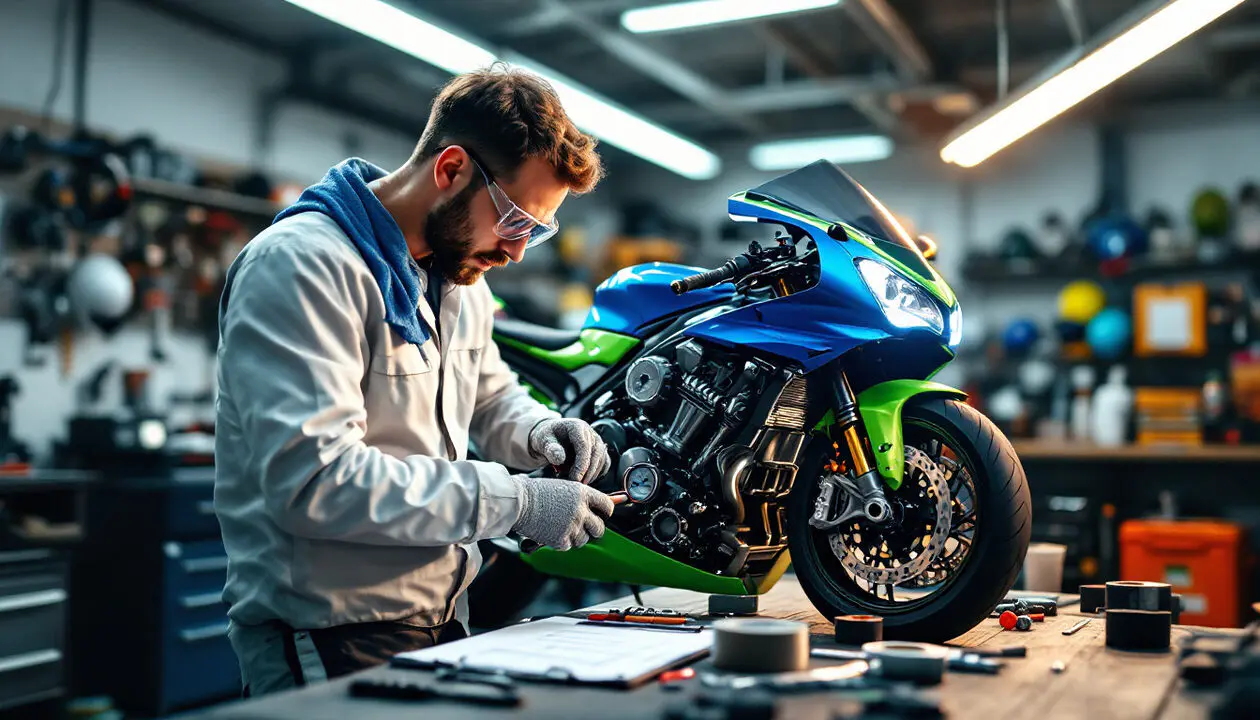
When it comes time to undergo the technical inspection of your motorcycle, it is essential to be well prepared to ensure a successful evaluation. The technical inspection is a mandatory step that guarantees the safety and proper functioning of your two-wheeler. To help you navigate this process, we present some practical tips and key steps to ensure that your motorcycle is in perfect condition before you present it at the inspection center. From checking the braking systems to examining the lighting, every detail counts to achieve a positive result.
The technical inspection of your motorcycle is an essential step to ensure your safety on the road and that of other users. To facilitate this process, it is important to follow several practical tips that will help you succeed in your inspection. In this article, we will address the different recommendations to follow, as well as the advantages and disadvantages of each.
Advantages
Prepare your motorcycle in advance
Before presenting for the technical inspection, it is recommended to check the general condition of your motorcycle. This includes the condition of the brakes, lighting, steering, and tires. Adequate preparation will allow you to detect potential problems that could lead to a failure of the inspection. This can save you time and avoid additional costs related to repairs.
Choose the right repairer
It is essential to select a reliable and experienced repairer to carry out the necessary repairs before the inspection. A professional knows the current standards well and will be able to advise you on the points to check to ensure your compliance. This can significantly reduce stress as the inspection date approaches.
Up-to-date documentation
Make sure to have all the documentation for your motorcycle up to date, including the registration certificate and any previous fault-finding evidence. In case of a need for a re-inspection, having these documents handy can facilitate and speed up the process.
Disadvantages
Potential costs
Preparing your motorcycle can incur additional costs, especially if complex repairs are necessary. This can sometimes be expensive, particularly if multiple points need to be addressed.
Time to devote
Preparing for a technical inspection requires an investment of time. It is necessary to plan properly and to carry out checks during periods when you can devote some time to your motorcycle. This can be challenging for those with busy schedules.
Stress related to compliance
The pressure to pass the technical inspection can generate stress, especially if you are unsure about the condition of your motorcycle or the points that will be inspected. Successfully passing the technical inspection then becomes a crucial issue for many motorcyclists, which can detract from their enjoyment of riding.
Tips for carrying out a technical inspection of your motorcycle
Safety on the road is paramount for all motorcyclists. Undergoing the technical inspection of your motorcycle is an unavoidable step to ensure that your vehicle is in excellent working order. This article will guide you through the main tips for preparing your motorcycle for this inspection, emphasizing the essential aspects to check.
Initial preparation
Before heading to the inspection center, it is important to prepare your motorcycle. Take the time to do a visual check of all elements. Check the condition of the tires, oil level, and ensure that the lights are functioning correctly. A simple glance can prevent problems that could lead to re-inspections.
Important inspection points
During the technical inspection, several points of verification will be scrutinized. The most crucial include:
- The brakes : Are they in good condition? The pads must be sufficiently thick.
- The lighting : All lights, including turn signals, must be operational.
- The tires : Check the tread depth for good grip.
- The steering : Ensure that there is no excessive play.
Choose the right repairer
If repairs are necessary, it is crucial to choose a qualified repairer. Checking online reviews and asking for recommendations can help you find a reliable professional. A good repairer will ensure that your motorcycle is ready for the technical inspection.
Documentation
Keep all documents related to your motorcycle’s service. This includes repair and maintenance invoices. Good documentation can simplify the inspection process and demonstrate that you have taken care of your vehicle.
Meet the deadlines
Check the deadlines for the technical inspection of your motorcycle, which will depend on its registration date. If your motorcycle was registered after January 1, 2022, it must undergo its first inspection between 4.5 and 5 years after that date. Do not let this deadline pass to avoid penalties.
Stay informed
Keep up to date with the regulations regarding the technical inspection. You can check reliable sites, such as districash, to find out what the current requirements are and any potential changes.
By following these tips and preparing properly, you will increase your chances of successfully passing the technical inspection of your motorcycle without issues.
Tips for Carrying Out a Technical Inspection of Your Motorcycle
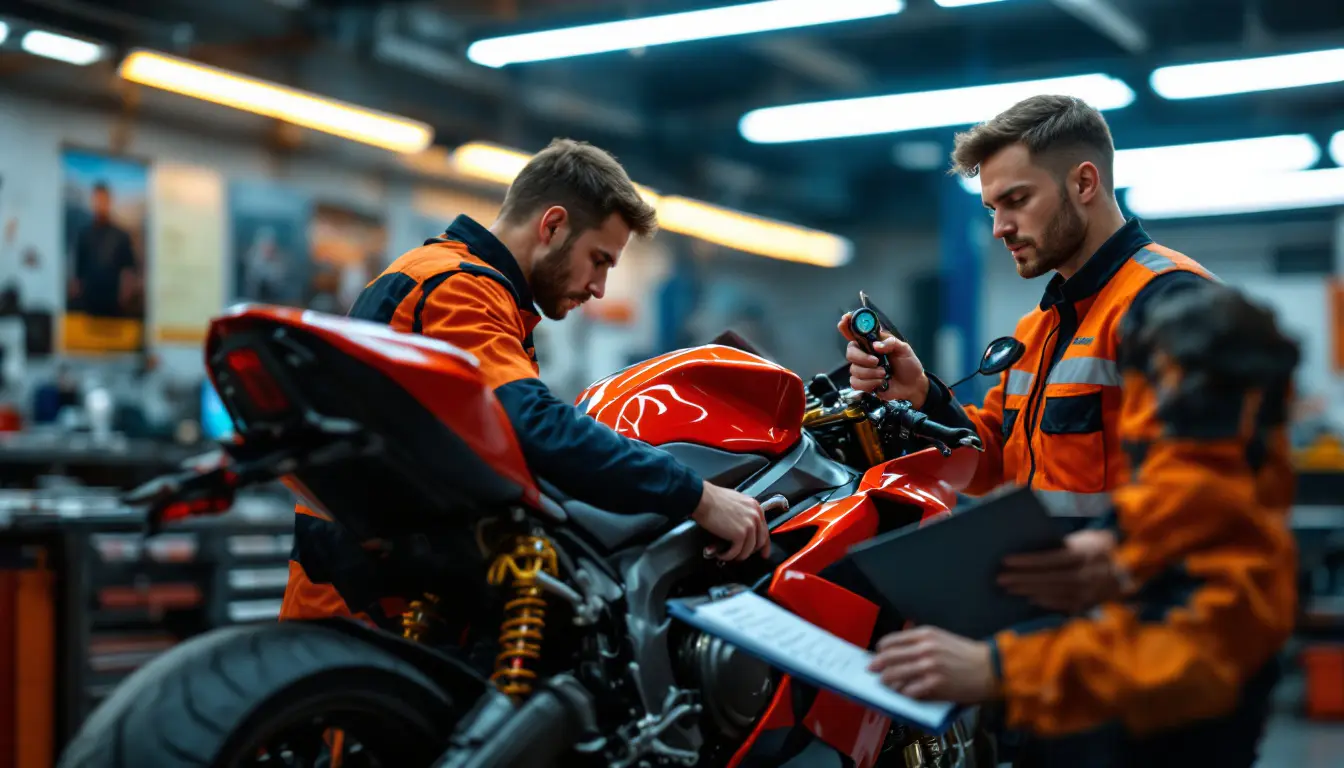
The technical inspection of your motorcycle is an essential step to ensure your safety on the road. In 2024, all motorcycles, regardless of their type, will be required to undergo a mandatory technical inspection. Here are some practical tips to help you prepare for this unavoidable check.
Understand the Requirements
Before you head to the technical inspection, it is crucial to familiarize yourself with the current regulations. Make sure that your motorcycle is registered, and know that if it was purchased after January 1, 2022, your first inspection must take place within four to five years following the registration. For more information, refer to this guide on the obligations related to motorcycle technical inspections.
The Key Inspection Points
The inspector will review approximately 80 points during their evaluation. Among them, the braking system, tire condition, and proper functioning of the lighting are critical. By understanding the inspection points, you can anticipate potential repairs that may be necessary before the inspection. For a detailed list, consult this article.
Choosing the Repairer
It is important to choose a competent repairer for any necessary repairs. Opt for a recognized professional with the necessary experience to perform thorough maintenance. A good reputation can make all the difference in the quality of repairs. You will thus be at ease on the inspection day, knowing that your motorcycle is in optimal condition.
Preparation Before the Inspection
Before heading to the technical inspection, it is advisable to personally check several key points. This includes the condition of the signals, oil level, and the functioning of the brakes. Also, ensure that your motorcycle is clean to facilitate the inspector’s work and to avoid distractions caused by dirt. This preparation will make a good impression and could potentially prevent a rejection.
In Case of Rejection
If your motorcycle does not pass the inspection, be aware that you will have a timeline to carry out the necessary repairs. It is recommended to document the issues reported during the visit. To learn more about the actions to take in the event of rejection, refer to this helpful article.
Importance of Regular Maintenance
Regular maintenance of your motorcycle is key to ensuring a successful technical inspection. By performing frequent checks on your vehicle, you can avoid costly repairs and ensure that you are safe on the road. Additionally, good maintenance will increase the longevity of your motorcycle.
By following these tips, you will maximize your chances of passing the technical inspection without issues and will be able to ride safely. Stay vigilant and do not hesitate to seek help from professionals if needed.
Tips for the Technical Inspection of Your Motorcycle
| Verification Axis | Tips |
| Braking Systems | Check the condition of the pads and discs. |
| Lighting | Ensure that all lights work correctly. |
| Tires | Check the wear and pressure of the tires. |
| Steering | Test the smoothness of the steering and check the handlebar. |
| Exhaust | Check for leaks and proper functioning. |
| Frame | Inspect for cracks or deformations. |
| Documentation | Gather the maintenance log and repair invoices. |
| Choosing the Repairer | Prioritize a recognized professional for repairs. |
Tips for Carrying Out a Technical Inspection of Your Motorcycle
When preparing to carry out a technical inspection of your motorcycle, it is essential to be well informed about the steps to take. Here are some user reviews sharing their experiences.
An experienced motorcyclist emphasizes the importance of checking in advance the key elements of their vehicle. “Before going for the inspection, I always take the time to review the braking systems, lighting, and tires. This has allowed me to avoid failures and ensure my safety on the road.”
A new motorcyclist shares their journey: “At first, I didn’t know what to expect during a technical inspection. I decided to educate myself about the verification points. By consulting forums and talking to professionals, I learned that excessive wear on my brake pads could lead to a failure in the inspection.”
Another motorcyclist insists on the importance of choosing the right repair workshop. “If your motorcycle does not pass the inspection, choosing the repairer is crucial. I preferred a workshop specialized in motorcycles, as they are more familiar with the specifics of two-wheeled vehicles.”
Finally, a motorcyclist emphasizes the need to document the repairs. “After performing work on my motorcycle, I always make sure to keep a record of the repairs done. This can be useful during future inspections to justify the changes made.”
The technical inspection of your motorcycle is an essential step to ensure your safety on the road as well as that of other users. With new regulations coming into effect, it is crucial to be well prepared for this examination. This article provides practical recommendations to successfully navigate your technical inspection with peace of mind.
Understand the Requirements of the Technical Inspection
Before embarking on the procedures, it is critical to understand the requirements of the technical inspection. Starting in 2024, a first inspection will be mandatory for all motorcycles registered after January 1, 2022. This inspection must be carried out within 4.5 years following the registration.
This appointment involves a thorough check of several essential safety points, including the braking system, lighting, and tire conditions. Make sure to be informed about the elements that will be examined to best prepare your motorcycle.
The Key Steps in Preparation
To optimize your chances of success, here are some key steps to follow:
- Check the condition of the brakes: Inspect the linings and brake pads. They should be in good condition, without excessive wear.
- Examine the lighting: Ensure that all bulbs work correctly, including turn signals, taillights, and brake lights.
- Evaluate the tires: Check the pressure and wear of the tires, as tires in poor condition could lead to a failure during the inspection.
Choose the Right Repairer
Once the checks are completed, if repairs are necessary, it is essential to choose a qualified repairer. Look for a recognized professional with the experience and skills to perform repairs in accordance with the required standards. Do not hesitate to ask for recommendations from other motorcyclists or to check online reviews.
Carry Out the Necessary Repairs
After identifying potential problems, it is imperative to proceed with repairs within the designated time frames. In the event of failure during the inspection, you will generally have a predefined period to rectify the highlighted issues. Do not delay in carrying out the repairs, as each day of delay can deprive you of access to your motorcycle.
Documentation and Final Preparation
When heading to the technical inspection, make sure to have all the necessary documents. This may include:
- Your registration certificate
- Proof of insurance
- The maintenance log
Providing these documents will facilitate the process and ensure a smooth inspection. Finally, mentally prepare for the exam. Stay calm and listen to the inspector’s recommendations; their goal is to ensure safety on the road.
In summary, being well prepared for the technical inspection of your motorcycle includes understanding the requirements, conducting thorough checks, choosing a competent repairer, and preparing the necessary documents. Follow these tips to ensure the safety of your two-wheeler and its rider.
Practical Tips for a Successful Technical Inspection
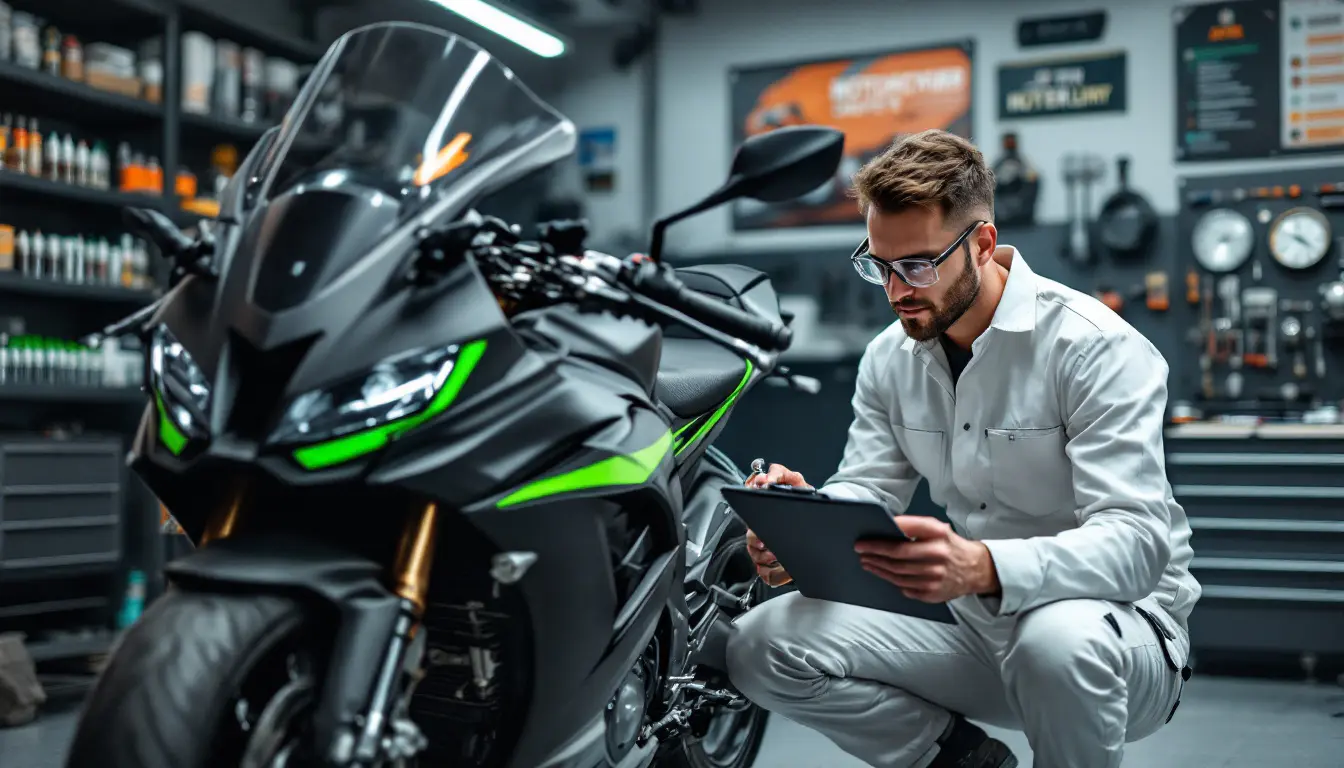
To successfully pass your technical inspection of the motorcycle, it is essential to prepare well in advance. First, familiarize yourself with the inspection points, as they are crucial for ensuring your safety on the road. Checking the braking systems, lighting, steering, and tires should be done meticulously. Take the time to inspect each of these elements, as their condition can directly impact the results of your inspection.
Next, it is advisable to carry out preventive maintenance on your motorcycle. This includes regular checks such as replacing the brake pads, checking the wear on tires, and ensuring that the lights work properly. A well-maintained motorcycle is not only less likely to fail the inspection, but it also guarantees better performance on the road.
If any non-compliance is detected during the inspection, it is important to properly document the repairs needed and to meet the given deadlines to correct these faults. Choose a qualified repairer who understands the requirements of the technical inspection so that all necessary modifications are carried out correctly.
Finally, stay informed about the current regulations regarding the technical inspection, as these may evolve. In 2024, the motorcycle technical inspection becomes mandatory, and it is essential to be prepared accordingly to avoid any penalties or complications on the road.
FAQ about Motorcycle Technical Inspection
What are the main inspection points during a motorcycle technical inspection? The essential points include checking the braking systems, lighting, steering, and tires.
What is the timeline for undergoing the technical inspection after registering my motorcycle? If your vehicle was registered after January 1, 2022, the first inspection must be done within 4.5 to 5 years following the registration.
What major defects lead to a failure in the technical inspection? Defects such as excessive wear on the brake pads, faulty lighting, and tires in poor condition are often reasons for refusal.
How to choose a repairer for necessary repairs before the technical inspection? It is recommended to select an approved repairer and to ask for recommendations or consult online reviews.
Why is it important to document the repairs carried out? Documenting repairs provides evidence of compliance and can facilitate passing the technical inspection during the next visit.
How to effectively prepare for the technical inspection of a motorcycle? It is advisable to conduct a general condition check of your motorcycle, ensure that all safety equipment is in compliance, and that maintenance has been performed regularly.
What are the best practices for optimizing technical inspection at low speed? Practicing control coordination and balance, as well as attentively monitoring the environment, are key techniques for low-speed riding.
What type of safety equipment is essential for the technical inspection? An approved helmet, appropriate protective clothing, and gloves are essential to ensure your safety in case of inspection.