
IN BRIEF
|
When embarking on the adventure of motorcycling, it is crucial to prepare adequately to enjoy it fully and safely. Whether you are a complete novice or have a few hours of riding under your belt, mastering certain basics is essential. In this article, we will explore the essential tips to keep in mind for a good start on two wheels. From protective equipment to riding techniques, every aspect is crucial to ensuring a rewarding and safe experience.
When starting with motorcycling, it is essential to familiarize yourself with a set of tips to optimize your safety and comfort. This article highlights the indispensable recommendations for every new rider, while also exploring their advantages and disadvantages.
Advantages
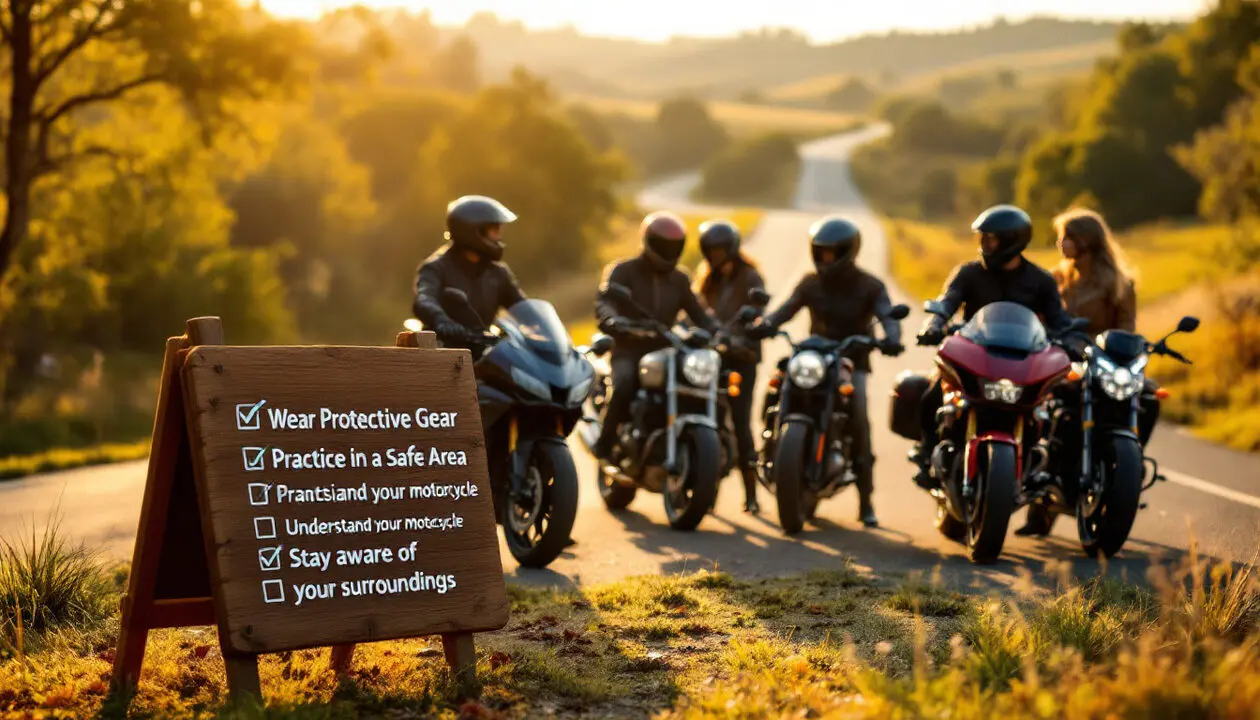
One of the first tips to remember is to invest in adequate protective equipment. A approved helmet, reinforced gloves, and suitable clothing ensure increased safety in case of a fall or accident. This allows the rider to ride more calmly.
Another important aspect is mastering the controls of the motorcycle. Before hitting the road, it is wise to understand how the machine works, from the throttle to the brakes, including the clutch. This greatly contributes to smoother and more intuitive riding.
Finally, it is advised to start with short and less frequented rides. This helps to gradually gain confidence and avoid stressful situations on the road. Learning to manage balance and maneuvering in a calm environment is an excellent way to improve riding skills.
Disadvantages
Despite this wise advice, some points may pose difficulties. For example, a novice may be tempted to underestimate the importance of safety equipment, underestimating its crucial role. Such negligence can lead to serious injuries in case of an accident.
Moreover, launching too quickly into complex rides or riding at inappropriate speeds can lead to feelings of panic and discomfort, thus compromising the learning process. It is crucial to respect your level and progress step by step.
Finally, the stress related to learning can sometimes lead to imprecise maneuvers, especially during turns or stops. This can be a significant barrier to building self-confidence on the road. To better manage this pressure, it is recommended to practice in a secured environment.
For more tips, check out resources like Dafy Moto or AMV to perfect your knowledge and riding technique.
Starting in motorcycling may seem intimidating, but with the right advice, you can quickly gain confidence and skills. This guide provides essential recommendations to help you navigate the world of motorcycling, from protective equipment to mastering the controls. Discover our practical tips for a confident start.
Choosing the Right Equipment
Before hitting the road, it is crucial to equip yourself properly. Always wear a helmet in good condition, as it is the most important element for your safety. In addition to the helmet, invest in protective clothing such as reinforced jackets and pants, as well as appropriate gloves. The boots should also provide good support and protection for your ankles.
Getting to Know Your Motorcycle
Before starting, familiarize yourself with the controls of your motorcycle. Each model has its specifics, so it is essential to understand how the throttle, brakes, and clutch work. This will help you avoid common mistakes when you start riding. For a detailed guide, refer to this article on riding a motorcycle.
Start small: Build Confidence Gradually
It is advisable to start in low-traffic areas and practice at a slow speed. Don’t dive straight into busy roads. Take the time to learn to maneuver your motorcycle and get used to the sensations of riding. A good start is to ride at 20-30 km/h in quiet areas to familiarize yourself with balance and direction.
Be Aware of Common Mistakes
Beginners often make certain mistakes that can be avoided. For example, it is crucial not to underestimate the importance of your gaze – always ensure to look in the direction you wish to go. Also, avoid braking abruptly, especially in a state of imbalance, as this can cause a fall. For an overview of mistakes to avoid, check out this article.
Practice and Train
Take beginner’s riding courses that will allow you to learn riding techniques safely. These training sessions usually have pedagogical instructors who can give you personalized advice. Don’t underestimate the value of experience: every ride is an opportunity to learn and improve.
Starting in motorcycling takes time, patience, and good preparation. By following these tips, you will be on the right track to becoming a confident and secure rider. For more information on essential advice, you can also visit AMV and LesFurets for additional tips.
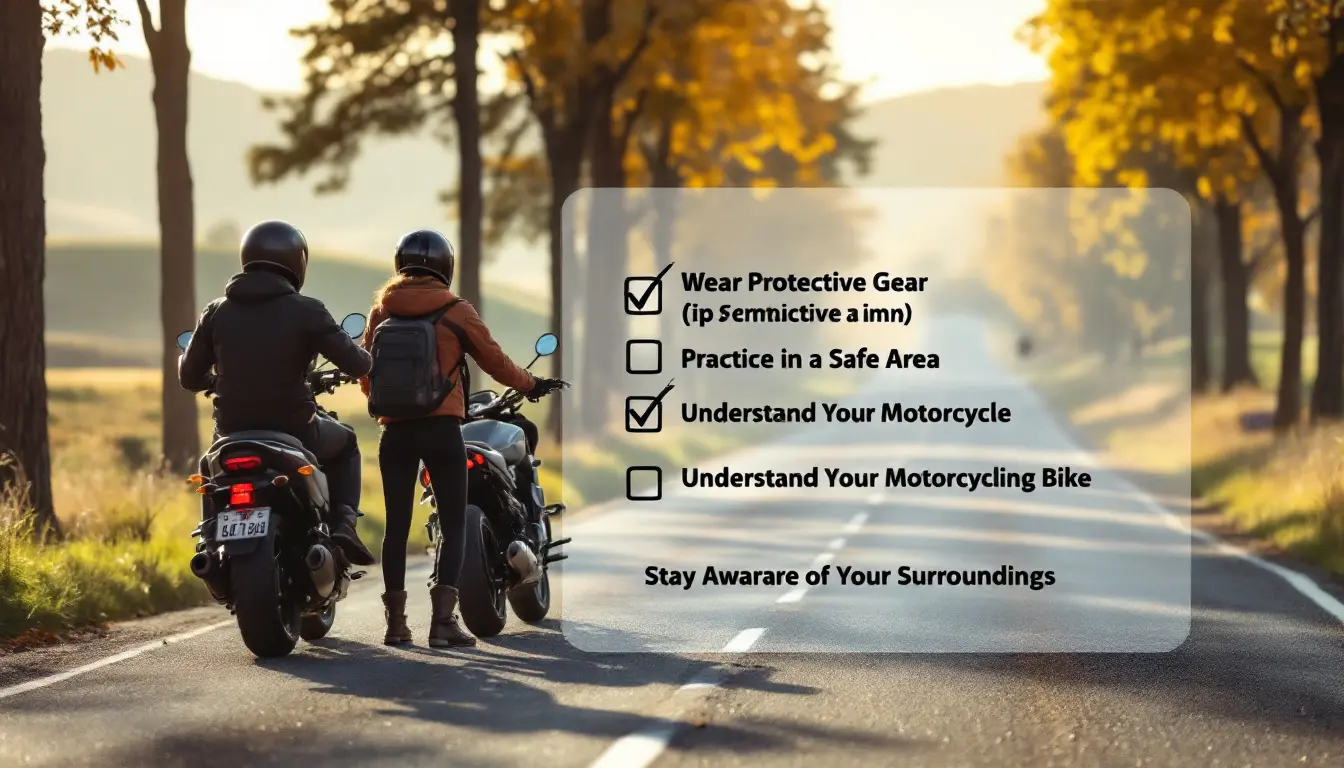
Starting in motorcycling can be an exhilarating experience, but it is essential to prepare correctly to ensure your safety and optimize your enjoyment of riding. Here are some practical tips to help you navigate this world while minimizing risks.
Protective Equipment
For all new riders, investing in protective equipment is crucial. Two categories are essential: safety clothing and accessories. Opt for an approved helmet, gloves, reinforced jackets, and suitable pants. Good equipment can significantly reduce the risk of injury in case of a fall.
Mastering the Basics
Before heading out on the roads, it is crucial to understand your motorcycle’s controls. Familiarize yourself with the clutch, the brakes, and the throttle. Take your time to practice in a safe, calm place to learn how to manage the power of your two-wheeler.
Build Confidence Gradually
To gain confidence, start with less frequented areas. Limit your speed, and focus on basic maneuvers. Over time, you can explore more complex routes and increase your speed as you feel more comfortable.
Anticipation and Visibility
A vital aspect of safe riding is anticipation. Keep an eye on other road users and watch their movements around you. Learn to establish eye contact with drivers to ensure they see you.
Preparing for the Driving Test
If you are preparing for your license, it is essential to familiarize yourself with traffic rules and manage your stress well on the day of the exam. Practice managing turns and making safe stops, as these elements are often key during evaluation.
Avoid Common Mistakes
Beginners often make mistakes that can be avoided. Avoid speeding at the beginning and do not force maneuvers. Take the time to understand your motorcycle and manage the road before venturing into dense traffic.
Additional Resources
To deepen your knowledge and refine your skills, check resources like Les Furets, which offers valuable tips for getting started in motorcycling. Other sites such as Moto Sécurité and Cycle World also provide useful information for new riders, to help you get started on the right foot.
Essential Tips for Starting Motorcycling
| Aspect | Tips |
| Protective Equipment | Invest in a helmet, jacket, and appropriate gloves. |
| Mastering the Motorcycle | Get familiar with the controls before hitting the road. |
| Speed | Limit your speed to 20-30 km/h during the first outings. |
| Look | Anticipate the actions of drivers by maintaining a good lookout. |
| Handling Turns | Lean your body and brake before</strong turning. |
| Practice | Start in less populated areas to strengthen your confidence. |
| Respecting Rules | Familiarize yourself with traffic regulations. |
| Concentration | Stay attentive to your surroundings at all times. |
Essential Tips for Starting in Motorcycling
When taking your first steps into the world of motorcycling, it is crucial to consider certain recommendations to ensure a serene and safe experience. Before getting on your two-wheeler, it is highly recommended to invest in appropriate protective equipment. A helmet, gloves, a jacket, and body protection are essential for ensuring your safety in case of a fall.
Learning to master the controls of the motorcycle is another crucial step. Take the time to familiarize yourself with the throttle, brake, and clutch. Start with short rides in low-traffic areas to build your confidence and improve your control over the machine.
Next, it is wise to limit your speed at the start. During the first outings, stay below 30 km/h to learn to manage your balance and absorb sensations without pressure. This will help you avoid stressful situations that can lead to misjudgment.
Another important point is to pay attention to your environment. Always stay vigilant to anticipate the movements of other road users. A good tip is to seek eye contact with drivers to ensure they see you before maneuvering.
Finally, do not hesitate to take specialized driving courses for beginners. These trainings will allow you not only to improve your skills, but also to meet other enthusiasts and exchange tips, thus contributing to increasing your comfort on the road.
Starting in motorcycling can be both exciting and intimidating. Whether you are an enthusiast seeking new sensations or a complete novice, it is essential to know the best practices to ensure your safety and optimize your experience. In this article, we provide practical tips to help you start your two-wheeled adventure, emphasizing equipment, riding, and managing situations on the road.
Choosing Protective Equipment
To ride safely, it is fundamental to be equipped with the appropriate protective gear. There are two main categories of equipment to consider:
Appropriate Clothing
Choose specific clothing designed for motorcycling, such as leather or reinforced textile jackets. These garments should offer good protection against abrasions in case of a fall. Also, remember to wear gloves, reinforced pants, and high-top boots to protect your lower limbs.
The Helmet
The choice of helmet is crucial. Ensure that it is approved and fits your head perfectly. A good helmet should provide optimal protection while being comfortable for long rides. Never underestimate this point, as it is your first line of defense in case of an accident.
Mastering the Motorcycle Controls
Before mounting your motorcycle, it is crucial to understand the controls of your machine. Familiarize yourself with how the throttle, front and rear brakes, and clutch work. Taking the time to learn these elements will help you ride more calmly.
Starting Gently
When you begin, it is advisable to start with short and simple rides. Avoid heavily trafficked roads and focus instead on less busy areas where you can get accustomed to your motorcycle. This will allow you to gradually build confidence.
Managing Speed
At the beginning, make sure to limit your speed to reasonable levels, such as 20 to 30 km/h. This will help you gain better control over your motorcycle and avoid delicate situations. The focus should be on developing your feeling for the machine rather than on speed.
Anticipation and Awareness of Environment
As a motorcyclist, it is essential to be vigilant and anticipate the actions of other road users. Keep an eye not only on cars but also on pedestrians, cyclists, and any other vehicles. Do not leave space between you and the vehicle ahead to give yourself more time to react if needed.
Managing Stress
Your first experience on the road can be stressful. Learning to manage your stress is essential. Try to take a few deep breaths before you start and remember to stay calm. The more relaxed you are, the better you can react to unexpected situations.
Practice Regularly
To improve your skills, it is important to practice regularly. Look for opportunities to ride your motorcycle, whether for small outings or additional courses. The more you ride, the more familiar you will become with your motorcycle’s reactions and road conditions.
By following these tips, you will be well on your way to becoming a competent and confident motorcyclist. Above all, remember that practice and caution are your best allies in this wonderful adventure!
Essential Tips for a Good Start in Motorcycling
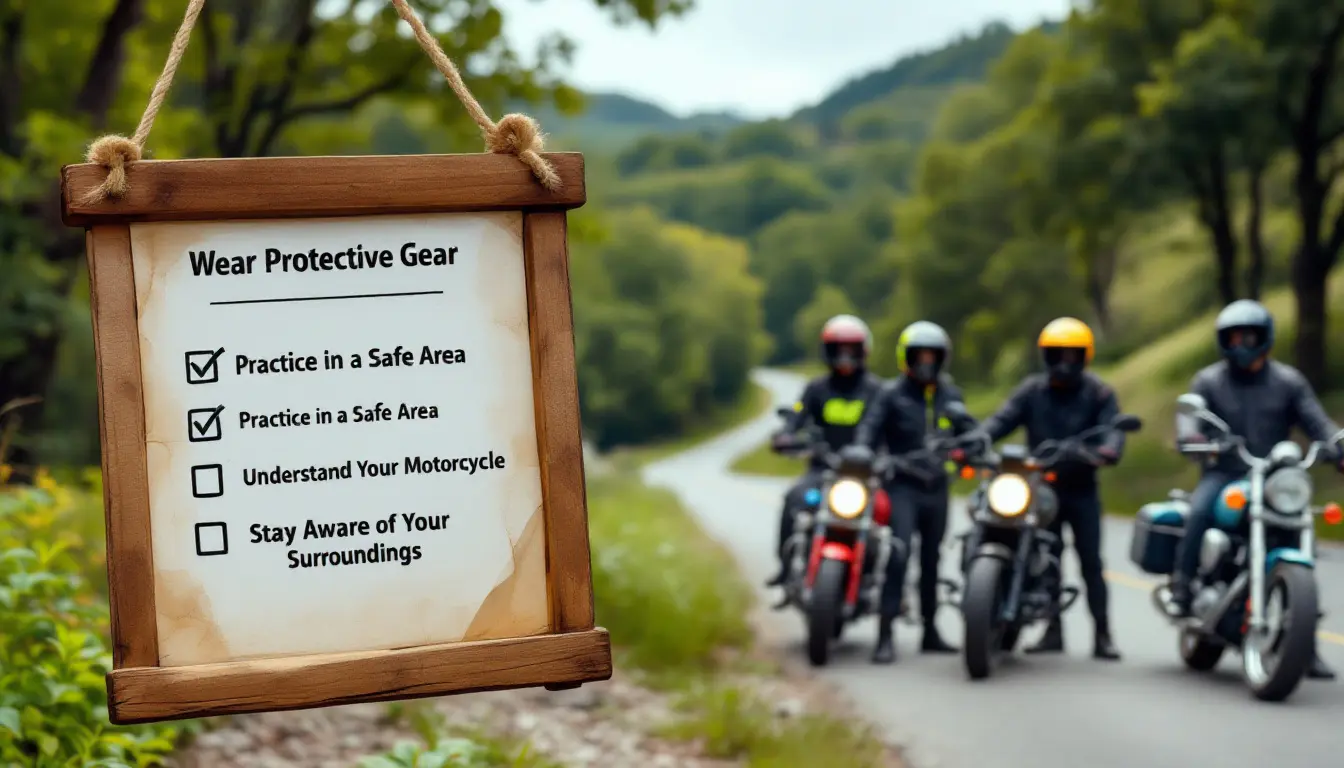
For those preparing to dive into the world of motorcycling, it is crucial to follow certain recommendations to ensure a safe and enjoyable riding experience. One of the most important aspects is to equip yourself with the appropriate protective gear. A helmet, gloves, jackets, pants, and specific boots are essential to minimize the risk of injury in case of a fall. The importance of these accessories should never be overlooked, as they can truly make a difference in terms of safety.
Next, it is fundamental to start gently and limit your speed. For beginners, it is recommended to take the time to get used to the motorcycle, practicing in areas where traffic is low or almost at a standstill. This allows you to master the controls and become familiar with the behavior of the machine without pressure.
Another key to success at the start is to manage your gaze well. Indeed, turning your head in the direction you wish to go can greatly help with anticipating movements and avoiding obstacles. Not neglecting your gaze enhances self-confidence and responsiveness on the road.
It is also essential to not only learn theoretically but to practice regularly. Practice reinforces your knowledge and helps integrate the reflexes needed for safe riding. Lastly, it is important to stay calm and not feel rushed. Every rider has their own learning pace, and it is crucial to respect yours.
FAQ: Essential Tips for Starting in Motorcycling
What protective equipment should I wear to ride a motorcycle? It is crucial to wear protective gear such as an approved helmet, gloves, a leather or textile jacket, as well as reinforced pants to ensure your safety on the road.
How do I choose the right motorcycle for beginners? For beginners, it is advisable to choose a motorcycle with a displacement suitable for your experience level, generally between 125 to 400 cc, and which is light enough to be manageable.
What are the first tips for riding safely? Start by mastering the controls of your motorcycle, stay vigilant at all times, and limit your speed in the beginning to gain confidence.
Is it important to undergo training before riding a motorcycle? Yes, taking a training course or obtaining a driving license is essential to acquire the necessary skills and understand traffic rules.
How do I manage a motorcycle when stopped? To stop correctly, it is important to use both the front brake and the rear brake, while maintaining your balance by putting one foot down.
What dangers should a beginner motorcycle rider avoid? Avoid riding at high speeds, driving in rainy weather, or engaging in risky maneuvers, especially at intersections.
How do I manage stress during my first outings on a motorcycle? Take the time to practice in a calm location, breathe deeply, and focus on the basics of driving to reduce your stress.