
IN BRIEF
|
Riding a motorcycle requires particular attention to ensure safety on the road. Adopting safe driving techniques is crucial to avoid accidents and improve one’s control of two-wheelers. Among these techniques are constant observation of the environment, anticipating the actions of other users, and analyzing trajectories. These elements, combined with a prior check of your motorcycle and appropriate braking skills, will allow you to ride more calmly and securely. By integrating preventive driving and respecting the rules of the road, every rider can significantly reduce risks while traveling.
Safe driving on a motorcycle is essential to prevent accidents and protect riders on the road. There are several techniques that riders can adopt to enhance their safety, such as the safety trajectory, adherence to traffic laws, and proper braking control. This article examines the advantages and disadvantages of these techniques to inform motorcycle enthusiasts about the best practices to adopt.
Advantages
Safe driving techniques offer numerous advantages. First, they help reduce accident risks. For example, by adopting a safe trajectory, riders can better negotiate turns by positioning themselves correctly and adjusting their speed, which promotes better stability and increased confidence while riding.
Next, following these techniques helps develop better anticipation of events on the road. By being attentive and constantly seeking to gather information from a distance, a rider can quickly react to unforeseen circumstances, thereby minimizing dangerous situations. This is particularly important in urban environments where interactions with other vehicles are frequent.
Moreover, these techniques contribute to improving the technical skills of the rider. Safe or sport riding courses allow learning the basics such as managing the throttle, clutch, and brakes, which enhances motorcycle control.
Disadvantages
Despite many advantages, some safe driving techniques come with disadvantages. One of the main challenges is that their integration requires time and practice. Riders must invest hours of training to master skills like braking in turns, which may seem daunting for beginners.
Another disadvantage is that implementing these techniques can sometimes lead to overreactions or inappropriate actions in stressful situations. For example, a hyper-reactive rider may brake abruptly instead of managing their speed carefully, increasing the risk of losing control.
Finally, it is essential to note that despite all efforts to ride safely, the unexpected exists. Having knowledge of driving techniques does not guarantee total safety on the road, as external factors like weather conditions or the behavior of other road users can always arise.
Riding a motorcycle requires great attention and specific skills to ensure the safety of the rider and other road users. This article discusses the main safe riding techniques, including the importance of anticipation, controlling trajectory, and respecting traffic rules.
The Importance of Anticipation
To ride safely, it is essential to stay attentive to the environment. This involves observing the road conditions, traffic, and the behaviors of other motorists. By seeking information as far ahead as possible with your gaze, you will be able to make informed decisions and adjust your riding accordingly.
Mastering the Safety Trajectory
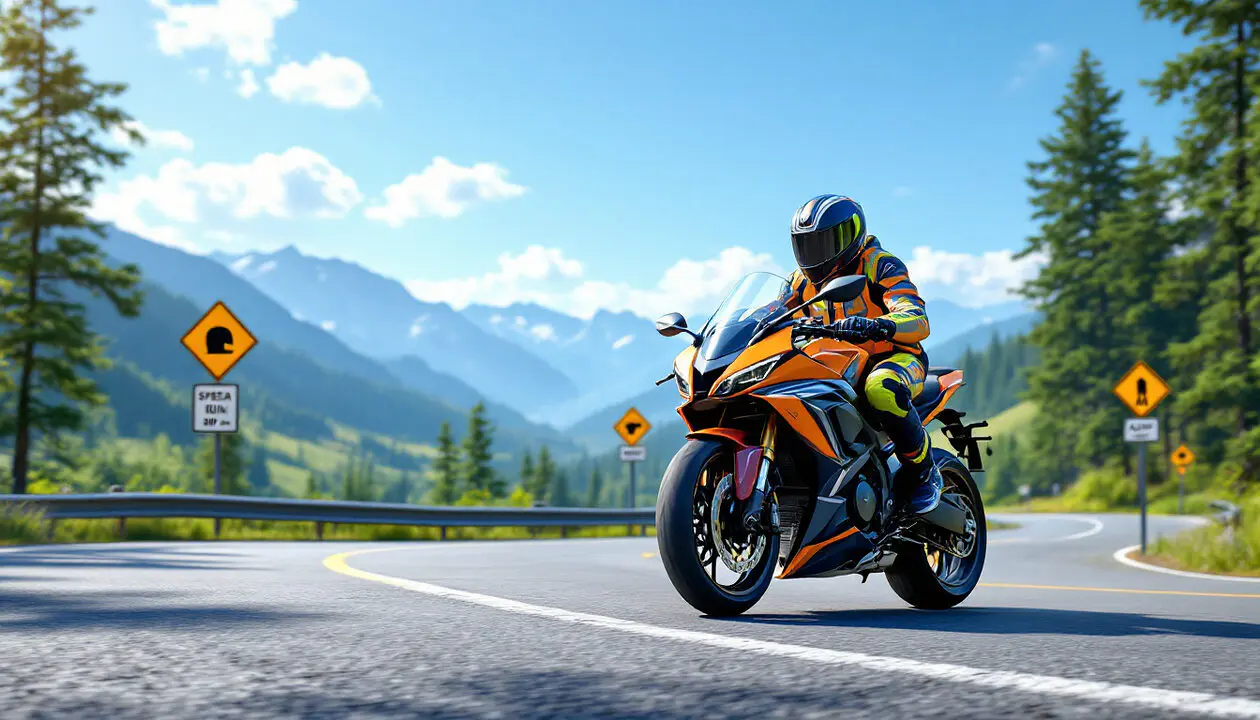
The safety trajectory plays a crucial role in safe motorcycle riding. When entering a turn, adjust your speed and position yourself correctly on the road. It is advisable to position towards the outside of the turn, which allows for better visibility of the path and improves your control. A good riding technique begins with a thoughtful approach to these maneuvers.
Checks Before Taking the Road
Before each ride, certain checks are essential to ensure your safety. Make sure to check the tire condition, verify that the lights are working correctly, and check the levels of fluids, including oil and brake fluid. These preventive measures minimize the risks of accidents due to mechanical failures.
Respecting Traffic Rules
Respecting the rules of the road is another fundamental rule for safe riding. Adhering to regulations helps prevent accidents and guarantees the safety of all users. Whether it is traffic signals, right-of-way, or speed limits, every detail matters.
Braking Technique
Braking is an essential skill to acquire. Use both the front and rear brakes efficiently for controlled deceleration. It is important to avoid abrupt braking while turning, as this can alter your trajectory and lead to a loss of control. Practicing a progressive braking technique will help you master this aspect of riding.
Training and Riding Courses
Taking safe riding courses is highly recommended for riders, whether they are beginners or experienced. These trainings cover the fundamentals, practical controls, and specific techniques to gain confidence and assurance on the road.
Considering Riding Position
Adopting a correct riding position is crucial for your safety. It helps you better control your motorcycle and react quickly to unforeseen circumstances. Keep your motorcycle upright, especially while in motion, and avoid braking in turns, as this could lead to a loss of control.
Safety Gear
Using appropriate safety gear is essential to reduce the risk of injuries. It is inadvisable to wear inappropriate clothing, such as shorts or t-shirts, while riding a motorcycle. For more details on the risks associated with these clothing choices, consult this article on the risks of injuries from riding in shorts.

Riding a motorcycle requires special attention and the acquisition of specific skills to ensure your safety on the road. With appropriate techniques, you can ride confidently while minimizing accident risks. This article presents practical advice for mastering safe riding on a motorcycle, from controlling the machine to managing turns.
The Safety Trajectory
To navigate safely, it is crucial to respect the safety trajectory. This involves anticipating the movements of other road users and adjusting your speed according to the conditions. When entering a turn, position yourself correctly and start braking before entering, then accelerate gently for a smooth exit. To learn more about this topic, check out this article: The Safety Trajectory.
Configuration and Checking of the Motorcycle
Before every ride, check the condition of your motorcycle. This includes checking the tires, lights, and fluid levels. Regular maintenance not only guarantees your safety but also that of other road users. Essential items to verify are: brakes, lights, and tire pressure, which are all fundamental for confident riding.
Braking Technique
Braking is a crucial skill to master. Use both the front and rear brakes simultaneously for controlled deceleration. It is important to avoid abrupt braking, especially in turns, as this could lead to a loss of grip. Practice braking smoothly to develop this skill.
Respect for the Rules of the Road
Respecting the rules of the road is essential for safety. This includes adhering to speed limits, traffic signals, and road signs. Also, ensure that you are visible to other drivers and continuously signal your direction changes to prevent accidents.
Continuous Learning and Training
Enrolling in a safe or sport riding course can greatly enhance your skills. These courses cover the fundamentals of riding as well as common mistakes to avoid. They also teach you to better handle potentially dangerous situations on the road. For additional resources, visit this link: Mistakes to Avoid When Riding.
Practical Tips for Beginners
For those learning to ride a motorcycle, it is essential to start with appropriate gear. Use a full-face helmet and protective clothing to minimize injury risks. Learn to master your motorcycle’s balance at low speeds and practice regularly in safe environments before venturing onto busier roads. Useful information can be found here: Guide for Motorcycle Riders.
Safe Riding Techniques on a Motorcycle
| Technique | Description |
| Tire Control | Check tire pressure and condition before each ride. |
| Positioning | Place yourself on the outside of the turn to maximize visibility. |
| Braking | Use both front and rear brakes simultaneously for better control. |
| Anticipation | Observe the road ahead to plan and anticipate maneuvers. |
| Respect for Traffic Rules | Follow traffic regulations to avoid accidents. |
| Protective Gear | Wear a helmet, gloves, jacket, and appropriate boots to reduce injuries. |
| Preventive Driving | Adopt defensive driving practices and be attentive to other users. |
| Regular Checks | Check lighting and fluid levels before departure. |
Safe Riding Techniques on a Motorcycle
Safety is paramount when riding a motorcycle. One of the essential techniques to master is the safe trajectory. This involves staying attentive to the environment, anticipating the movements of other road users, and constantly analyzing the circuit. Being attentive allows for quick detection of potential obstacles and adjustment of riding accordingly.
Another crucial aspect of safe riding is braking. Knowing how to use both the front brake and the rear brake is vital to avoid accidents. Smooth riding consists of modulating the braking power to maintain control of the motorcycle, especially in turns.
Before hitting the road, it is imperative to perform pre-ride checks on the motorcycle. Checking the tires, ensuring that the lighting functions correctly, and checking the levels of fluids are fundamental steps. These simple checks can prevent incidents that could compromise your safety.
One should not underestimate the importance of following a riding course. Such training will allow you to learn the basics of motorcycle control and safety maneuvers. In addition to practical exercises, they raise awareness of traffic regulations, which serve as an important guide for cautious riding.
Finally, respecting the rules of the road is crucial. This includes everything from speed limits to right-of-way, and signaling intentions with indicators. Being predictable for other users also contributes to creating a safer driving environment.
Riding a motorcycle can be an exhilarating experience, but it also comes with risks. To ensure your safety on the road, it is crucial to adopt safe riding techniques. This article presents practical recommendations, safety tips, and strategies for ensuring a calm riding experience.
The Safety Trajectory
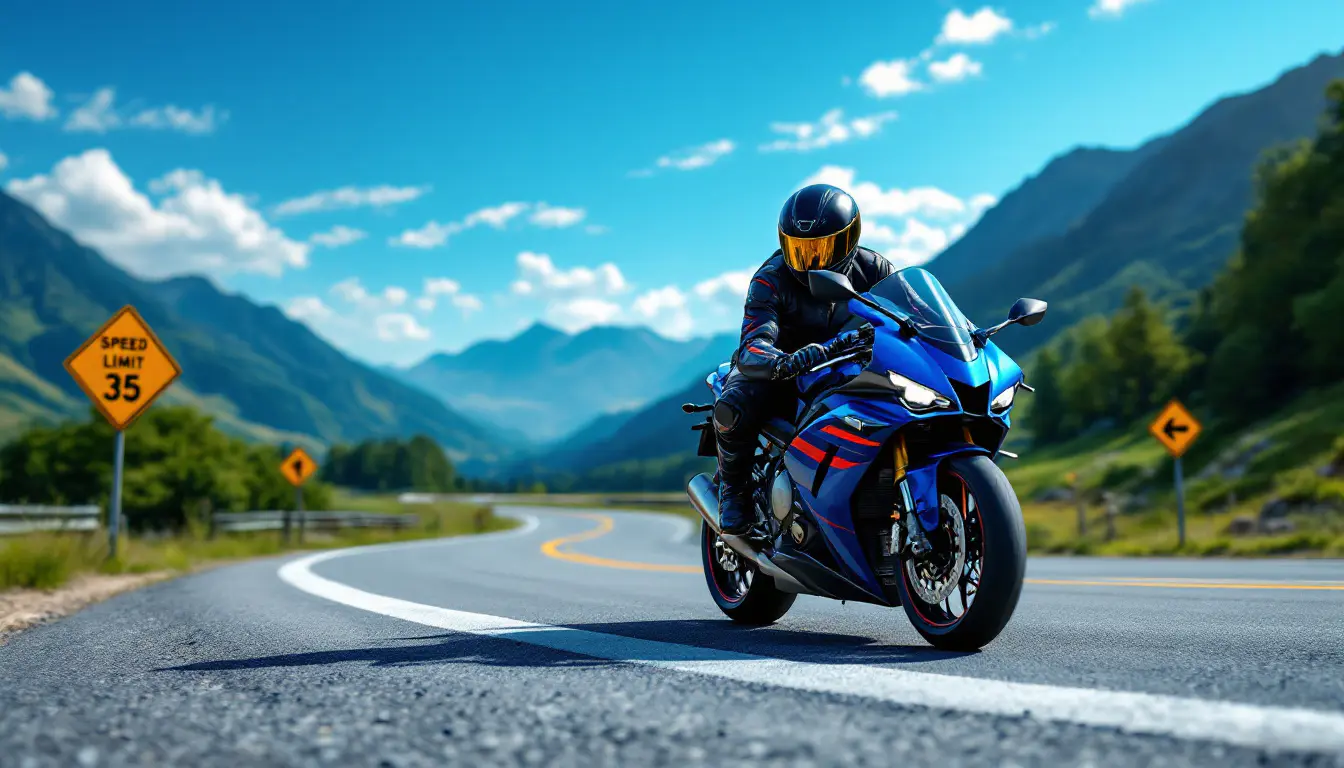
Understanding the safe trajectory is fundamental to avoiding accidents. When approaching a turn, it is important to adjust your speed, as this will allow you to control the motorcycle optimally. Position yourself towards the outside of the turn to maximize your visibility and minimize risks. Anticipating your movements by reading the road well is also essential: observe ahead to identify potential obstacles.
Observe and Anticipate
Being attentive to the environment is key to safe riding. Observing means reading the road and remaining aware of surrounding vehicles. Anticipating involves scanning the horizon to detect dangers before they become critical. Making a habit of always keeping an eye on the situation will help you react more quickly.
Pre-Ride Checks
Before setting out, it is essential to check certain elements of your motorcycle. This includes:
- Tire Control: ensure they are in good condition, properly inflated, and that the tread is not excessively worn.
- Lighting: check that the headlights, taillights, and turn signals function perfectly.
- Fluid Levels: verify that the engine oil, coolant, and brake fluid are at adequate levels.
Braking Techniques
Braking is a crucial skill that can prevent many accidents. Use the front brake and the rear brake proportionately to ensure a controlled stop. Braking smoothly and anticipating stops is essential for maintaining the motorcycle’s balance, especially in turns. You should also avoid abrupt braking when already leaned, as this could lead to a loss of control.
Respect for Rules and Preventive Driving
Respecting the rules of the road is indispensable for safe riding. Adapt your driving according to the weather conditions, traffic, and speed limits. Preventive driving means being aware of everything around you and anticipating the actions of other road users. Always maintain a safe distance to have time to react to potential surprises.
Avoiding Common Mistakes
Some mistakes are common and can compromise your safety. Avoid confusing road and track, as lenient behaviors on a track can be dangerous on the road. Poor anticipation and inappropriate management of turns are also mistakes to avoid. Finally, it is important to stay focused, without being distracted by external elements.
Safe riding techniques on a motorcycle are vital to preserving your safety and that of others on the road. By adhering to these principles and adopting cautious driving, you can minimize the risks associated with motorcycle riding.

Safe Riding Techniques on a Motorcycle
Safe riding on a motorcycle begins with adherence to traffic rules and application of preventive principles. Before hitting the road, ensure you check your motorcycle by verifying essential elements like tires, lights, and fluid levels. A simple check can prevent major setbacks and guarantee safe riding.
The safe trajectory is a crucial aspect of motorcycle riding. Learning to observe and anticipate situations is indispensable. Always try to have a clear view of what is happening on the road. By analyzing your surroundings, you will be better prepared to react to potential dangers.
In this dynamic, braking remains a critical skill. Joint mastery of the front brake and rear brake is essential for safe stopping, while remaining attentive to your speed and body position on the motorcycle. Additionally, when entering a turn, it is crucial to remain well positioned and moderate your speed according to the road configuration.
Lastly, it is advisable to take a safe riding course to deepen your knowledge. These training sessions not only enhance your technical skills but also teach you how to better manage emergency situations and dangers encountered on the road. By applying these techniques, you can enjoy your passion for motorcycles with peace of mind while ensuring your safety and that of other road users.
FAQ: Safe Riding Techniques on a Motorcycle
What are the basic rules for riding safely on a motorcycle? It is essential to observe the road continuously, anticipate situations by looking as far ahead as possible, and analyze the information gathered to react in time.
What checks should be performed before taking the road? Before departing, it is imperative to check your tires, verify the lighting, and inspect the fluid levels of your motorcycle.
Why is it recommended to take a safe riding course? These courses teach the fundamentals like using the throttle, clutch, and brake, which is crucial for safety.
What mistakes should be avoided when riding a motorcycle? Specifically, avoid confusing road and track, poorly anticipating turns, and losing focus on the road.
How to ensure a good safety trajectory in turns? It is advisable to adjust your speed when entering the turn and position yourself towards the outside of the turn to maximize your visibility.
What is the major safety element to have on your motorcycle? Mandatory equipment, such as a helmet, is crucial to ensure your safety in the event of an accident.
Is it dangerous to ride in shorts and a t-shirt? Yes, these clothes expose the skin and increase the risk of injury in case of a fall. It is strongly recommended to wear appropriate clothing.
How to make motorcycle riding safer? By respecting the rules of the road, keeping a safe distance from other vehicles, and performing regular visual checks.
Where should you look when approaching a turn on a motorcycle? It is advised to look towards the exit of the turn to optimize trajectory and ensure safe passage.