
IN BRIEF
|
Riding a motorcycle safely is a crucial concern, especially during group rides. Riding together allows for sharing unforgettable moments, but it also requires particular attention to the rules and behaviors to adopt. To ensure the safety of each group member, it is essential to respect certain recommendations and to ensure that everyone is well-equipped. Whether you are a novice or an experienced rider, these tips will help you fully enjoy your motorcycle rides with peace of mind.
Taking motorcycle rides in a group can be a rewarding experience, but it also requires special attention to safety. Whether you are an experienced biker or a novice, it is essential to follow certain advice to ensure the safety of everyone. This article discusses the advantages and disadvantages of group motorcycle riding while providing practical recommendations to ensure a smooth journey.
Advantages
Riding in a group offers many benefits, particularly in terms of safety. When a group of motorcyclists rides together, there is greater visibility on the road. Indeed, cars tend to pay more attention to a group of motorcycles than to a single one. This thus reduces the risk of accidents caused by vehicles that do not see the motorcyclist.
Another advantage is the feeling of solidarity and camaraderie that a group ride can bring. Motorcyclists can help each other in case of technical problems or accidents, which enhances overall safety. Additionally, the shared experience of a group ride makes the memories even more precious.
Disadvantages
However, riding in a group also has its risks. One of the main disadvantages is related to the group effect, where each motorcyclist can be influenced by the decisions of their peers. This can lead to reckless behaviors, such as exceeding speed limits or neglecting safety distances, increasing the risk of accidents.
Moreover, if the group is too large, it can become difficult to maintain adequate coordination. In this case, the ideal is to split the group into smaller subgroups to facilitate monitoring and communication. A poor way of positioning oneself in the group can also lead to dangerous situations.
Practical recommendations
To ensure your safety during your group rides, it is crucial to follow certain rules. Establish a riding order before setting off and maintain the same positions throughout the journey. Stay vigilant about safety distances while riding in staggered formation, which optimizes spacing between motorcycles and reduces the risks of collision.
Finally, remember to be properly equipped. Wear a certified helmet and suitable clothing to ensure your protection while improving your visibility to other road users.
Riding a motorcycle in a group can be an exciting experience full of adventure. However, to ensure the safety of all participants, some essential rules and tips must be considered. This article covers key recommendations to ensure that your motorcycle outings in groups take place safely.
Preparation before departure
Before even hitting the road, it is crucial to prepare properly. Each motorcyclist must ensure that their equipment is in good working order. This includes the helmet, gloves, and suitable protective clothing. Additionally, it is advisable to choose visible colors to enhance visibility.Motorcycle clothing: combining style and safety.
Traffic rules in groups
It is essential to follow certain traffic rules during group rides. First of all, the placement of motorcycles should be based on each motorcyclist’s level of experience. For example, the second motorcycle should always be that of the least experienced motorcyclist. The order of riding should be established before departure and not change during the journey. For further safety, it is recommended to ride in staggered formation, which helps maintain adequate safety distances.Riding in groups of bikers – MICHELIN Belgium.
Safety distances
Maintaining a reasonable distance between each motorcycle is vital to avoid risks associated with the group. In fact, preventing vehicles from becoming interposed or disrupting the flow by maintaining an adequate distance will provide you with enough reaction time during stops or unexpected maneuvers. Furthermore, it is recommended not to exceed 10 motorcycles in the same group to facilitate overall monitoring.Group motorcycle rides: everything you need to know about the rules to follow.
Importance of communication
Communication is a fundamental aspect when riding in a group. It is advisable to establish hand signals to indicate changes in direction or stops. This keeps everyone informed and helps avoid accidents caused by misunderstandings. Ensure to discuss routes and breaks in advance.Riding in groups of bikers: 5 safety tips.
Adapt your riding to road conditions
When the weather is changeable, it is essential to remain cautious. In case of rain, make sure to wear appropriate rain gear and slow down. Wet roads can lead to a loss of grip, making maneuvers more delicate. Additionally, stay vigilant and respect increased safety distances when visibility is reduced.Safety equipment: being well equipped to ride.
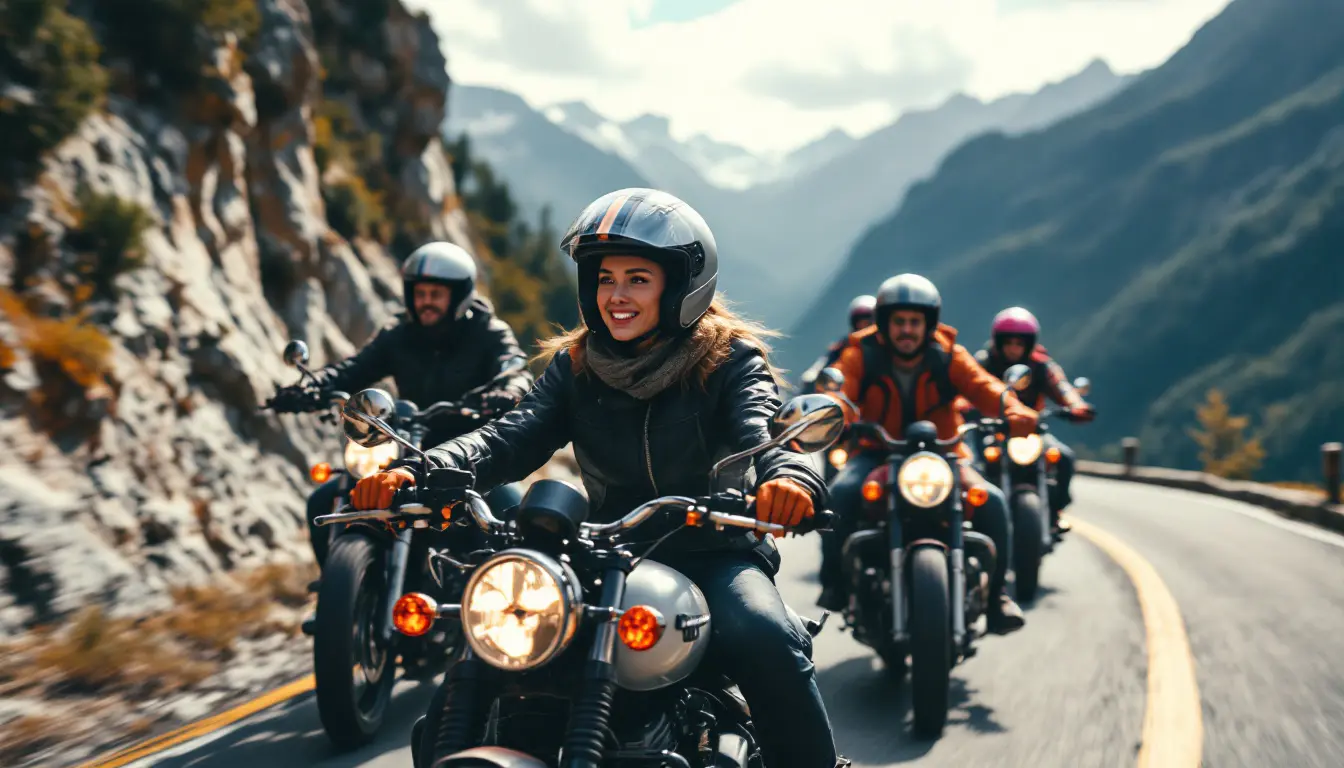
When it comes to embarking on a motorcycle trip in a group, safety must be a priority. Whether you are an experienced biker or a novice, it is essential to follow certain riding rules to ensure an enjoyable and smooth experience. In this article, we provide practical tips to ride safely while having fun on the road.
Preparation before departure
Before hitting the road, ensure that you and your riding companions are properly equipped. Wear a certified helmet, suitable protective clothing, and choose visible colors to enhance your visibility. Good preparation also includes checking the motorcycles: oil levels, tire pressure, lighting, and brakes must be in perfect condition.
Establishing a riding order
It is important to define a riding order before leaving. The second motorcycle in the column should be that of the least experienced motorcyclist. The other motorcyclists should position themselves sequentially. A fixed riding order helps avoid disagreements during the journey.
Group riding techniques
Riding in staggered formation rather than side by side helps reduce safety distances and minimize collision risks. Make sure to respect safety distances between each motorcycle. This allows adequate time to react to unexpected events while maintaining smooth traffic flow.
Awareness of the group effect
One of the challenges of group riding is controlling the group effect. Stay focused on your own riding and avoid being influenced by the pace of other motorcyclists. Each person should ride at their own level, which contributes to better collective safety.
Communication within the group
Communication is essential for effective group traffic. Use hand signals to indicate turns or stops. If you use intercom communication systems, ensure that it functions properly before departure.
Dividing large groups
If your group includes more than ten motorcycles, it is recommended to divide it into two or more groups. This facilitates the monitoring of motorcycles and reduces congestion risks on the roads. Each group should have a leader who is familiar with the route.
In case of rain or adverse conditions
In case of rain or difficult weather conditions, it is crucial to adapt your riding. Use appropriate rain gear to stay dry and ensure that all group members wear them as well. It is best to reduce speed and increase safety distances, as w wet roads require more caution.
Gatherings and breaks
Finally, consider planning regular breaks to allow everyone to rest and check their gear. This not only promotes communication but also allows your group to stay together and alert throughout your adventure.
For more information on safety during group motorcycle rides, feel free to consult reliable resources and learn more about best practices.
| Tips | Description |
| Staggered formation | Allows for reduced safety distances and improved visibility. |
| Respect safety distances | Maintain a reasonable distance between motorcycles to avoid collisions. |
| Safety equipment | Wear a certified helmet and suitable protective clothing. |
| Order of riding | Define an order in advance and do not change it during the ride. |
| Proper supervision | Divide the group if necessary for better monitoring. |
| Attention to the group effect | Be aware of group behaviors that may influence your riding. |
| Equipment checks | Ensure your motorcycle and gear are in good condition before departing. |
| Riding in wet conditions | Use appropriate gear and adjust your speed depending on the conditions. |
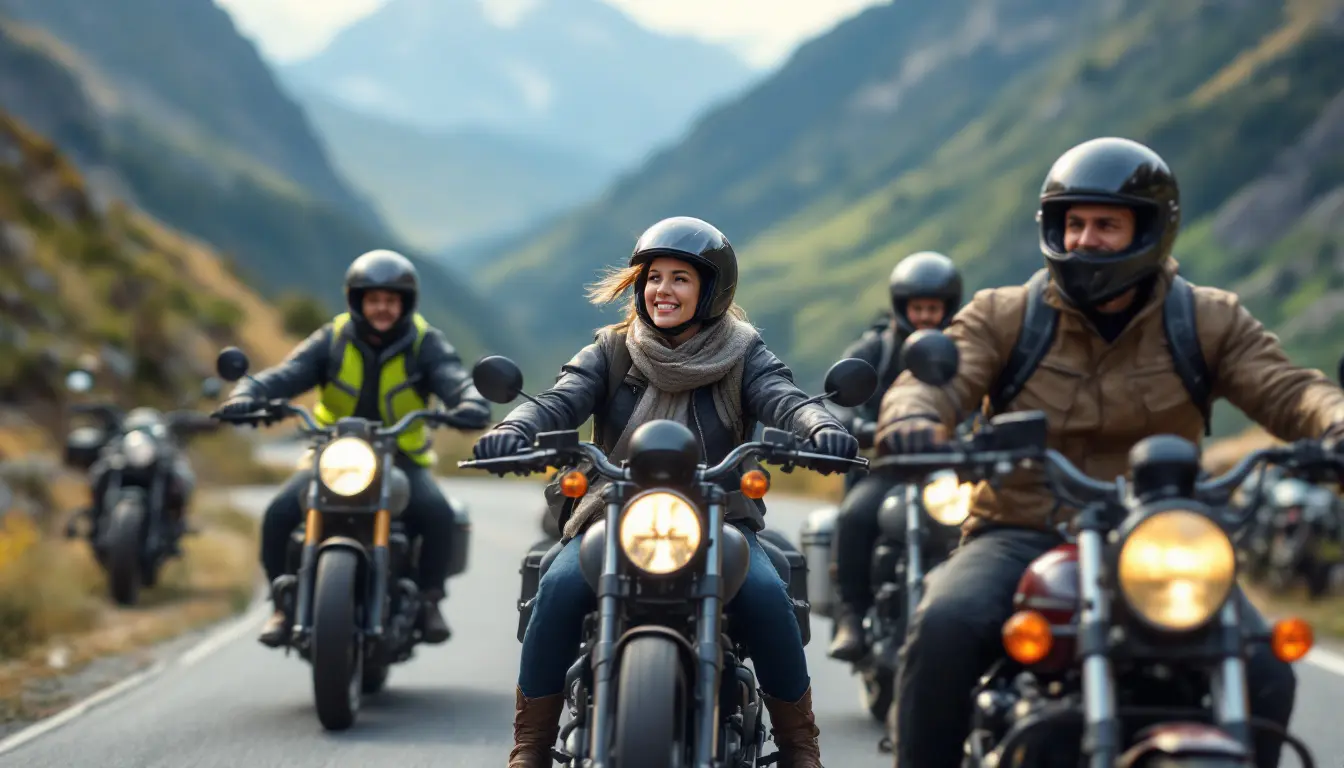
Testimonials on Motorcycle Safety: Tips for Group Travels
During my motorcycle trips, I have always been aware of the importance of safety, especially in a group. Once, during a ride with friends, we decided to adopt the staggered formation. This not only improved our visibility but also fostered a feeling of trust within the group. We all felt that this organization was a major asset for our safety.
Another key aspect I have learned over time is the importance of respecting safety distances. During one outing, we were a group of ten motorcycles. We decided to split into two subgroups to ensure better visibility and optimal monitoring. This allowed everyone to stay focused while preventing incidents in case of unforeseen events on the road.
In terms of equipment, it is crucial to wear a certified helmet and protective clothing. Once, I met a rider in a t-shirt and jeans. I couldn’t help but worry for him. During a stop, we had a discussion, and he realized that he should have invested in proper clothing. Being visible and protected is essential for safe riding.
With several rides under my belt, I also understood the importance of choosing an experienced motorcycle to lead the way. This helps novices feel more at ease and allows them to learn while being under the supervision of more seasoned riders. We always designated a “lead rider” to guide the group and a “tail rider” to ensure that no one falls behind.
Finally, a valuable piece of advice I share with my riding companions is to stay mindful of the group effect. This means staying alert and aware of others’ behaviors rather than being swept up by collective enthusiasm. Each motorcyclist should keep their own safety in mind while encouraging others to do the same. These little details make all the difference during a group motorcycle trip.
Riding a motorcycle in a group is an exhilarating and enriching experience, but it requires special attention to safety. In this article, we offer practical tips to ensure safe group travels. Whether you are a seasoned rider or a novice, these recommendations will help you organize and conduct your rides calmly and securely.
Preparation before departure
Safety begins long before hitting the road. Ensure that each group member has appropriate safety equipment, such as certified helmets and suitable protective clothing. It is advisable to favor bright colors to enhance visibility on the road.
Motorcycle checks
Before setting off, check that each motorcycle is in perfect condition. This includes checking brakes, tires, lights, and oil. A motorcycle in good condition is essential to avoid accidents.
Group formation
When forming the group, it is important to take into account the experience level of the riders. Place the least experienced rider in the second position and organize the rest of the riders according to their skill level and type of bike. This helps ensure smooth riding and minimizes risks.
Order of riding
Establish a riding order in advance and ensure that it remains constant throughout the journey. This helps avoid any confusion and allows each member to concentrate on the road without worrying about frequently changing positions.
Safe riding techniques
Riding in a staggered formation is a recommended technique for riding in groups. This helps maintain safety distances while reducing the risk of vehicles entering the group. Each rider should also respect a reasonable distance to be able to react if necessary.
Maintaining attention
One of the main risks during group rides is the group effect. Stay vigilant and do not let your attention slip. Each rider must constantly check their surroundings and anticipate the movements of other motorcycles.
Managing Emergency Situations
Despite all precautions, emergency situations can arise. Each group member needs to be informed about the actions to take in case of an accident. Arrange for one rider to stay with the affected person while the others continue to circulate and alert emergency services.
Emergency numbers and communication
Before hitting the road, ensure that each rider has a list of emergency numbers and their own mobile phone in case of need. If possible, use intercom communication systems to stay in touch throughout the ride.
Respecting traffic rules
Finally, it is crucial to obey the traffic code. Speeding or reckless maneuvers endanger the entire group. Be aware of local speed limits and adjust your riding according to weather conditions and road infrastructure.
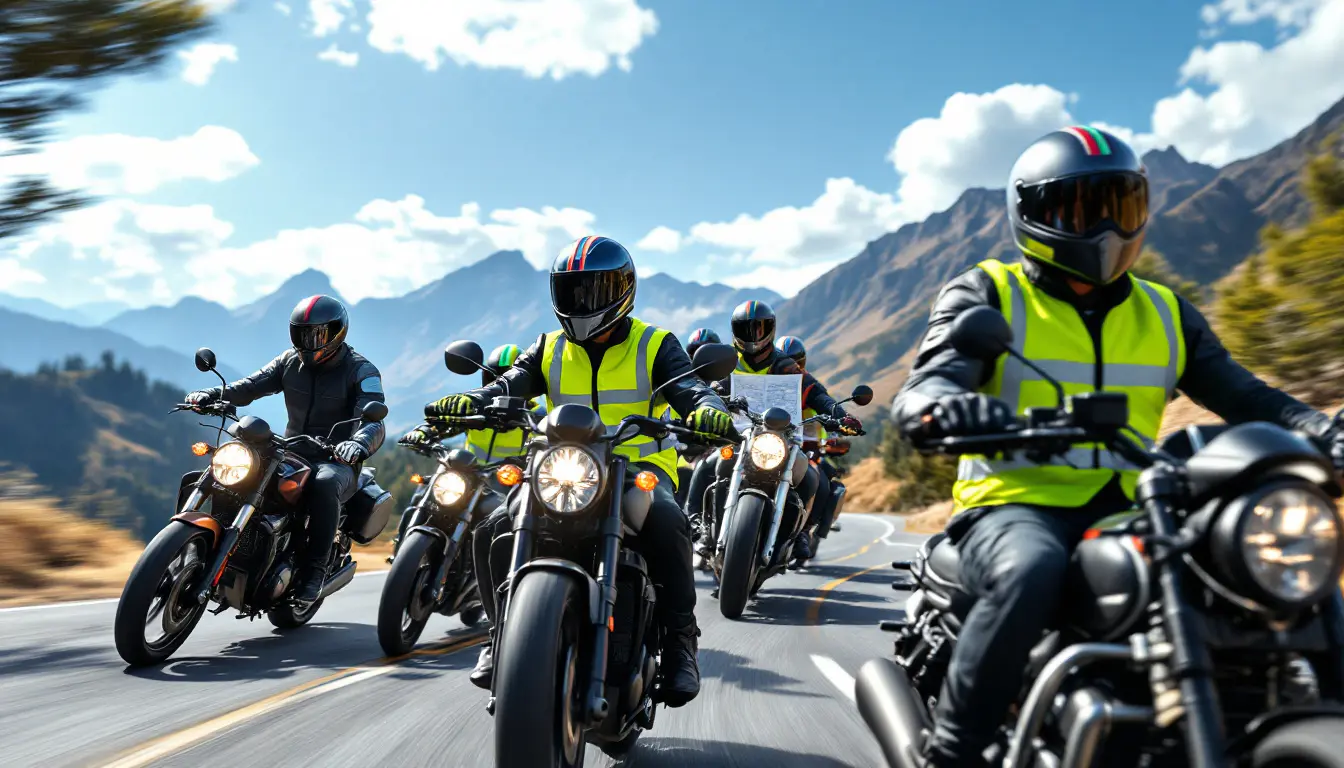
Riding a motorcycle in a group can be an exhilarating experience, but it requires rigorous preparation and constant vigilance to ensure the safety of each member. One of the fundamental principles begins with the choice of each motorcyclist’s position in the convoy. It is preferable for the least experienced rider to take the middle position in the formation, surrounded by more experienced riders who can guide them. This bias is of utmost importance to control behaviors and reduce the risks of accidents.
Moreover, the notion of safety distance must be emphasized. Each rider needs to be aware of the maneuver margins to maintain, not too close to avoid collisions, not too far to keep harmony in the group. Riding in staggered formation is an effective technique that maximizes visibility while preserving space between motorcycles.
A crucial element during group trips is communication. Agree on a signals or gestures system to indicate maneuvers to be executed, such as changing lanes or slowing down. This method not only strengthens the synchronization of movements but also calms the mind, allowing each rider to focus more on the road.
Finally, it is essential to ensure that each member is properly equipped with protective clothing and a certified helmet. By being visible with bright colors and wearing appropriate gear, motorcyclists contribute to their own safety and that of the group. Proper preparation is one of the best ways to start an adventure on two wheels under the best conditions.


