
IN BRIEF
|
Safety equipment plays a vital role in protecting workers and preventing occupational accidents. In France, laws and regulations frame the design, manufacture, and use of these devices to ensure a healthy and secure working environment. The employer is required to provide compliant personal protective equipment (PPE) to ensure the safety of employees against various risks. Furthermore, specific requirements stipulate that these equipment must be made available at no cost to workers, while ensuring their proper maintenance.
Work safety, as well as road safety, is a major concern in France, regulated by specific laws. These regulations define precise standards regarding personal protective equipment (PPE) and safety devices to be used in various professional and road contexts. In this article, we will explore the advantages and disadvantages of these laws.
Advantages
The laws regarding safety equipment in France present many advantages aimed at ensuring effective protection for workers and road users. Firstly, these regulations ensure that materials placed on the market comply with safety requirements, as stipulated in the Labor Code. This includes devices intended to prevent accidents and reduce the severity of potential injuries.
Moreover, the employer is legally obligated to provide the necessary protective equipment to their employees, at no expense to them, as indicated in article L4122-2. This legal protection ensures that workers do not incur financial risks in the event of an accident.
Regarding motorcyclists, modern safety devices and strict standards, such as the requirement to use approved helmets and appropriate clothing, significantly increase safety on the roads. This contributes to raising awareness among users about the importance of safety, particularly through initiatives like the commitments of motorcyclists.
Disadvantages
Despite their numerous benefits, the laws regarding safety equipment in France also come with disadvantages. One of the main points raised is the administrative complexity. Companies must navigate through a maze of regulations and standards, which can prove tedious and costly during compliance. The need to follow training and ensure regular maintenance of equipment can also burden employers with additional administrative and financial loads.
Additionally, some users may perceive a lack of flexibility in the application of these standards. For example, strict compliance requirements can sometimes discourage innovation or the adoption of emerging technologies that are not yet integrated into existing regulations.
Finally, the implementation of these laws may not be uniform across different sectors, which can create disparities in safety. Some less monitored sectors may not comply with optimal safety standards, thus compromising the protection of workers. These disparities are often highlighted in documents published by organizations such as the INRS.
Work safety is paramount in France, and various laws regulate the use of protective equipment to prevent accidents and occupational diseases. This article examines the regulations related to these equipment, the obligations of employers, as well as the compliance standards that must be met.
Obligations regarding safety equipment
According to French legislation, employers must provide personal protective equipment (PPE) to their employees. These devices are designed to protect workers against different risks that may affect their health and safety. Every company must ensure that these PPE comply with safety requirements, which include the CE marking and a European declaration of conformity.
Employer’s responsibility
The employer has a legal duty to guarantee a safe working environment by taking sufficient measures to protect their workers. This includes not only providing free PPE but also ensuring their regular maintenance. The measures adopted should not impose additional costs on employees, as stipulated in article L4122-2 of the Labor Code.
Compliance of safety equipment
All PPE must comply with the applicable standards and regulations. These criteria are essential to ensure that the equipment provided effectively protects workers. It is therefore crucial for employers to stay informed about recent developments in laws regarding workplace safety. For example, the law of August 2, 2021 has broadened the scope of obligations by introducing new provisions to improve the prevention of occupational risks.
Safety standards
The standards governing safety equipment in France are specifically designed to protect individuals engaged in high-risk activities. Therefore, compliance with these regulations is equally a matter of public safety as it is a responsibility toward employees. For more information on current standards, you can refer to this article on the standards and regulations of PPE.
The importance of personal protective equipment
PPE plays a crucial role not only in protecting employees but also in reducing the risk of workplace accidents. They must be appropriate for the nature of the activity and the identified risks to ensure optimal protection. Common types of PPE include gloves, helmets, glasses, and safety vests. The importance of safety accessories cannot be underestimated, especially in high-risk sectors such as construction or industrial activities.
Training on the use of PPE
In addition to providing PPE, employers must also ensure that workers are trained in their proper use. This contributes to maximizing the effectiveness of the equipment and enhancing workplace safety. Training should include information on maintenance and regular verification of equipment.
Conclusion on the laws regarding safety equipment
To guarantee a secure working environment, it is essential that employers comply with laws and regulations regarding safety equipment. For further information, feel free to consult additional resources such as this guide on the French Labor Code regarding PPE and the associated obligations.
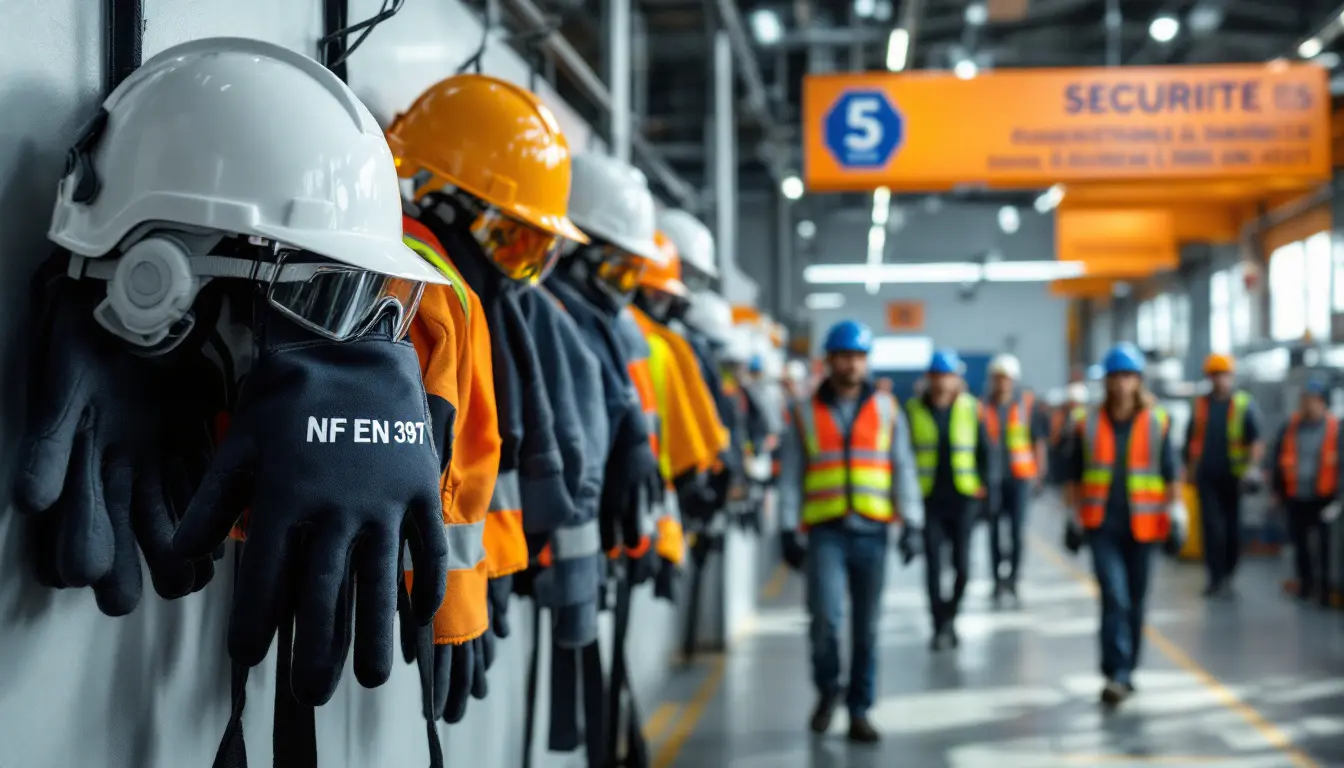
In France, workplace safety is governed by a strict legislative framework aimed at protecting workers’ health and safety. Personal protective equipment (PPE) plays a crucial role in this process. This article explores the main laws and regulations concerning safety equipment in the professional environment.
Employer’s obligations
In accordance with article L.4121-1 of the Labor Code, the employer has a duty to protect their employees. This means that they must provide and maintain the necessary PPE for the safe performance of tasks. This responsibility does not create any financial burden for workers, thus ensuring free access to safety equipment.
Standards and compliance
PPE must comply with the safety requirements stipulated by French and European legislation. A compliant PPE must bear the CE marking, attesting to its compliance with required safety standards. This assures users that the devices have been tested and thus meet the required performance and safety criteria.
Personal protective equipment
Personal protective equipment includes various devices ranging from helmets to protective gloves to reflective vests. Each PPE is designed to protect against specific risks, whether mechanical, chemical, or electrical. It is essential to choose and use these pieces of equipment properly to ensure optimal protection.
Market monitoring and oversight
The law of August 2, 2021, which came into effect on March 31, 2022, strengthened the prevention of occupational risks, notably through increased market monitoring of work equipment and PPE. This law aims to ensure the safety of workers by ensuring the compliance of equipment available on the market.
Training and awareness
In addition to providing PPE, the employer must also ensure that their employees receive adequate training on the use of this equipment. Proper awareness of the risks associated with their activities is essential to minimize workplace accidents and promote a safe working environment.
Additional resources
For more detailed information on rights related to health and safety at work, you can consult useful resources such as here. Specific advice on PPE applicable to different sectors is also available.
Comparison of safety equipment laws in France
| Type of regulation | Description |
| Labor Code | Requires employers to provide Personal Protective Equipment (PPE) free of charge to protect the health and safety of workers. |
| Safety standards | Equipment must comply with compliance standards to ensure their effectiveness. |
| Employer’s responsibility | Enhanced safety obligation for the employer regarding risk prevention. |
| CE marking | PPE must bear a CE marking indicating compliance with safety requirements. |
| Market surveillance | Recent laws improve oversight of work equipment to guarantee their safety. |
| Training | Workers must be trained in the use of PPE to ensure effective protection. |
| Penalties for non-compliance | Financial penalties for companies not complying with safety equipment obligations. |
| Risk assessment | Obligation to regularly assess occupational risks to adapt safety measures. |
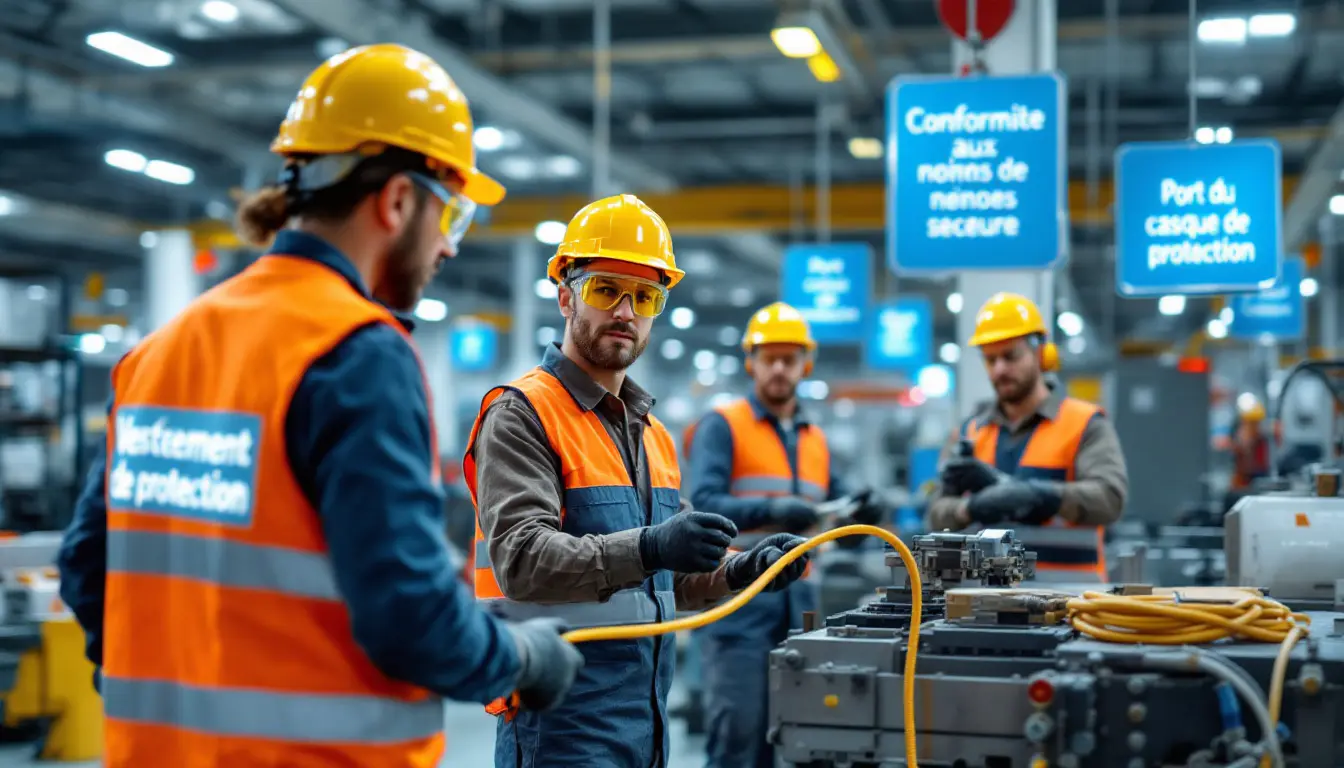
Testimonials on safety equipment laws in France
Work safety is a primary topic. As a professional, it is essential to understand the responsibilities associated with providing personal protective equipment (PPE). The law states that it is the employer’s duty to ensure that every employee has the necessary PPE to safeguard their health and safety. Indeed, this should never constitute a financial burden for the worker. This demonstrates a strong commitment to employee protection.
One employee shares: “When I started working in construction, my employer immediately provided me with a safety helmet and protective gloves. I felt reassured because I knew the law required these protections. This allowed me to perform my tasks with more peace of mind.”
Moreover, the standards in place in France regarding safety equipment impose compliance criteria. Another testimonial highlights: “When purchasing my work gloves, I made sure they bore the CE marking. This indicates that they meet safety requirements, giving me confidence in their effectiveness.”
Recent changes in legislation further reinforce this obligation. A union representative explains: “The law has clearly defined heightened responsibilities for employers following the decrees introduced in 2021. We closely monitor the implementation of these measures to ensure that each worker can benefit from a safe working environment.”
Finally, an employer also shared their perspective: “I consider my employees a priority. By providing them with quality PPE and complying with current laws, I am not only a business leader but also a responsible actor for safety within my team.”
In France, workplace safety and worker protection rest on a set of laws and regulations. These texts govern the design and use of personal protective equipment (PPE) as well as machinery. This article presents the main obligations and standards relating to safety equipment to ensure a healthy and secure working environment for all.
Design and construction obligations for machines
Articles R4311-4 to R4311-5 of the Labor Code impose specific obligations concerning the design and construction of machines placed on the market. This regulation includes various work equipment, specifically:
- Machines
- Interchangeable equipment
- Safety components
- Lifting accessories
This means that each device must meet strict safety criteria before being used, thereby ensuring optimal protection for workers.
Characteristics of personal protective equipment (PPE)
PPE plays a crucial role in protecting individuals against various occupational risks. According to article L. 4311-1, these devices must be designed to protect workers from one or more hazards that can harm their health or safety. PPE must meet several safety criteria, such as:
- Compliance with current standards
- Marked with CE marking
- Accompanied by a European declaration of conformity
Compliance with these requirements is essential to ensure the effectiveness of protective equipment.
Employer’s responsibility regarding PPE
The employer is required to provide workers with suitable, compliant, and well-maintained PPE, at no cost to them. According to article L4122-2, this equipment must not impose any financial burden on employees. Furthermore, it is their responsibility to ensure the proper use of PPE and to organize the necessary training to guarantee workers’ safety.
Standards and regulations for safety equipment
Companies must ensure that all safety equipment complies with current standards and regulations. This includes conducting risk assessments to promote the adoption of suitable devices in light of potential threats. The law of August 2, 2021, for example, introduced new specifications concerning the monitoring of work equipment and PPE markets.
Conclusion on the importance of workplace safety
The legal framework surrounding safety equipment in France is essential for ensuring a safe working environment. By complying with these laws and implementing appropriate measures, employers can effectively protect the health and safety of their employees. Investing in compliant protective equipment and a robust safety culture is not only a legal obligation but also an ethical imperative to ensure well-being within companies.
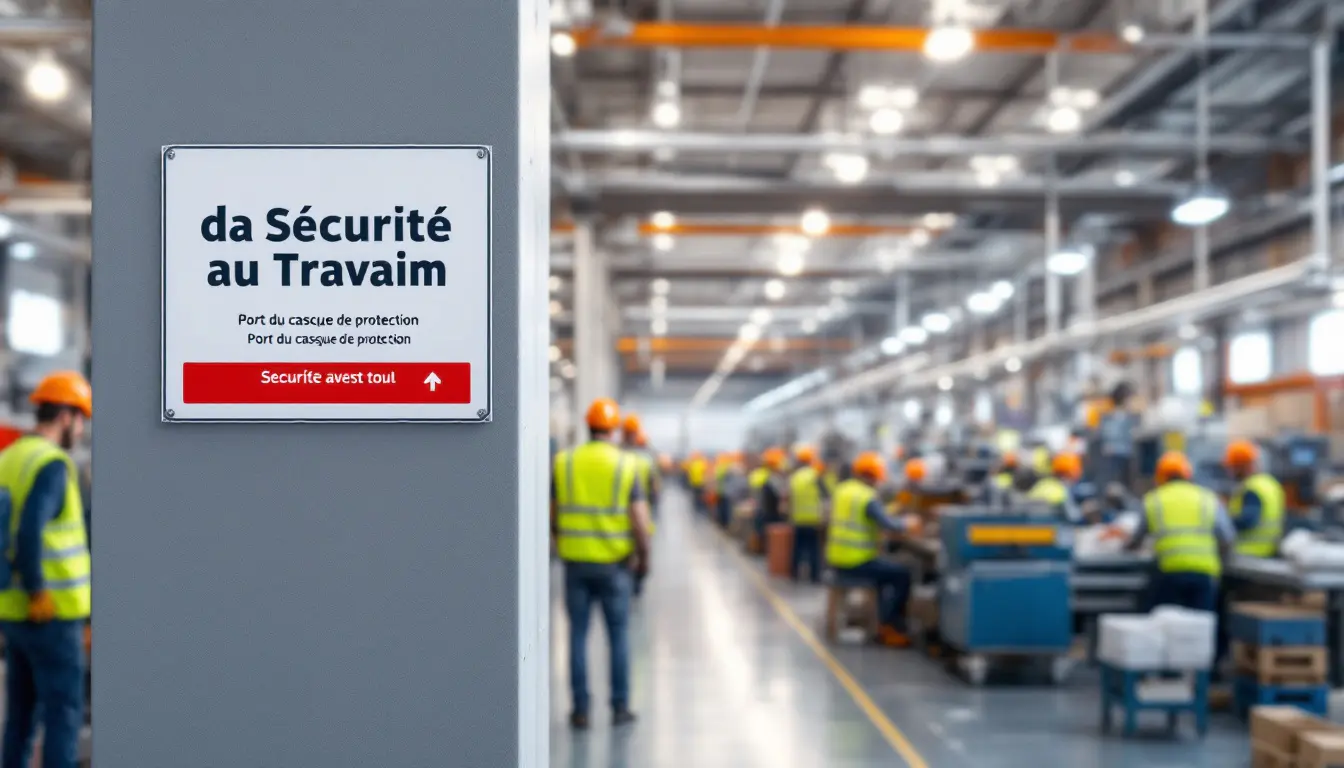
In France, workplace safety is governed by a series of laws and regulations aimed at protecting employees from occupational risks. These legislative provisions apply particularly to personal protective equipment (PPE), which must comply with established safety standards to ensure the health and safety of workers.
The employer is obliged to provide PPE necessary and ensure their maintenance at no cost, in accordance with the requirements of the Labor Code. This responsibility includes the selection, evaluation, and maintenance of this equipment to ensure that it meets current safety standards. Compliance of PPE is also certified by the CE marking and a European declaration of conformity, thus guaranteeing their ability to effectively protect workers.
Moreover, the law of August 2, 2021, further strengthens the prevention of occupational risks by providing clarifications on the monitoring of PPE and work equipment markets. This aims to reinforce employers’ responsibilities and reduce the risks of workplace accidents and occupational diseases.
Finally, it is crucial to remember that workplace safety does not solely rely on the distribution of PPE but must be integrated into an overall prevention approach that includes risk assessment, employee training, and improvement of the working environment. All of these measures constitute a fundamental pillar to ensure optimal safety in professional settings.
FAQ on Safety Equipment in France


