
IN BRIEF
|
The technical inspection of motorcycles has become an essential step for all motorcyclists, aiming to ensure the safety of their vehicles and all road users. This legal obligation, which is gradually imposed according to the date of registration of the motorcycles, includes several essential aspects to know, such as the standards to be respected, the fees applied in authorized centers, and the sanctions in case of non-compliance. Staying perfectly informed about these elements is crucial to avoid inconveniences and ensure safe driving.
The technical inspection of motorcycles has become a legal obligation, aimed at ensuring the safety of road users. This applies to all vehicles in category L, including motorcycles, scooters, and quadricycles. This article presents the essential aspects of the standards, fees, and sanctions in case of non-compliance with this regulation.
Advantages
The technical inspection of motorcycles has several significant advantages. First, it contributes to the safety of motorcyclists by detecting potential technical failures that could lead to accidents. For example, inspection points such as brake condition, steering system, or visibility are critically checked to ensure a minimum level of safety on the road.
Moreover, this technical inspection will also encourage a reduction of environmental impact. By checking pollutant emissions, it is possible to improve the ecological impact of two-wheelers. Thus, not only does the technical inspection improve safety, but it also contributes to more responsible driving practices.
Finally, the technical inspection can promote cost management for repairs, as it allows for the identification of problems before they become serious and costly to address. By following this maintenance routine, a driver can certainly extend the lifespan of their vehicle.
Disadvantages
Despite undeniable benefits, the technical inspection also has its disadvantages. One of the main criticisms is the cost associated with this inspection. Depending on the centers, prices can range from €60 to over €75, which represents an expense for motorcycle riders, especially for those on a tight budget.
Additionally, there is the compliance pressure linked to new regulations. Motorcyclists must ensure that their vehicle complies with the latest standards, which may sometimes require costly repairs. If a vehicle is deemed non-compliant, sanctions such as fines of up to €750 can be imposed, increasing the stress surrounding this inspection.
This can also cause inconveniences for the mobility of motorcyclists. In case of an unfavorable result, it will be necessary to plan a re-inspection, which can complicate matters for those who rely on their motorcycle daily.
For more details about the different aspects of the technical inspection of motorcycles, refer to resources such as Technique Moto and Big Ben Motorcycle.
The technical inspection of motorcycles has become a legal obligation, aimed at ensuring the safety of motorcyclists and road users. This tutorial will allow you to discover all the standards applied, the fees to anticipate, and the sanctions faced in case of non-compliance with this obligation. You will thus be well informed to prepare for your technical inspection.
The standards of motorcycle technical inspection
The technical inspection is based on a series of standards designed to check the condition of several essential elements of your vehicle. This inspection revolves around 80 verification points, divided into nine categories such as vehicle identification, braking equipment, steering, visibility, and many more. It is therefore an exhaustive process aimed at highlighting any defects that could compromise safety.
Schedule of the technical inspection
The implementation of this technical inspection is staggered over time based on the year of registration of the motorcycle. For example, vehicles registered before 2017 must undergo their first technical inspection between April 15 and August 14, 2024. Those registered in 2017, 2018, and 2019 must comply with this requirement no later than four months after the anniversary date of their first registration, until December 31, 2025, and so on for later models.
Fees for the motorcycle technical inspection
The cost of the technical inspection for a motorcycle is set freely by the authorized center. On average, the amount varies around €75, but this can go up to €76 at some providers like Dekra, or drop to €60 for others like Sécuritest. Prices can also differ depending on the department or the type of vehicle inspected.
Sanctions for non-compliance
Failing to undergo the technical inspection constitutes an offense that can lead to significant sanctions. In the case of a roadside inspection, a fine of up to €750 can be imposed, not to mention the risk of immobilization of the vehicle. Additionally, in the case of non-inspection, your motorcycle can even be towed if you do not carry out the necessary checks or repairs.
Key points to remember
It is imperative to remember that since April 15, 2024, all motorized two-wheelers must undergo a technical inspection every three years. This inspection contributes not only to your safety but also to that of other road users. For more details on the legal implications, you can consult resources such as Big Ben Motorcycle or Moto Station.
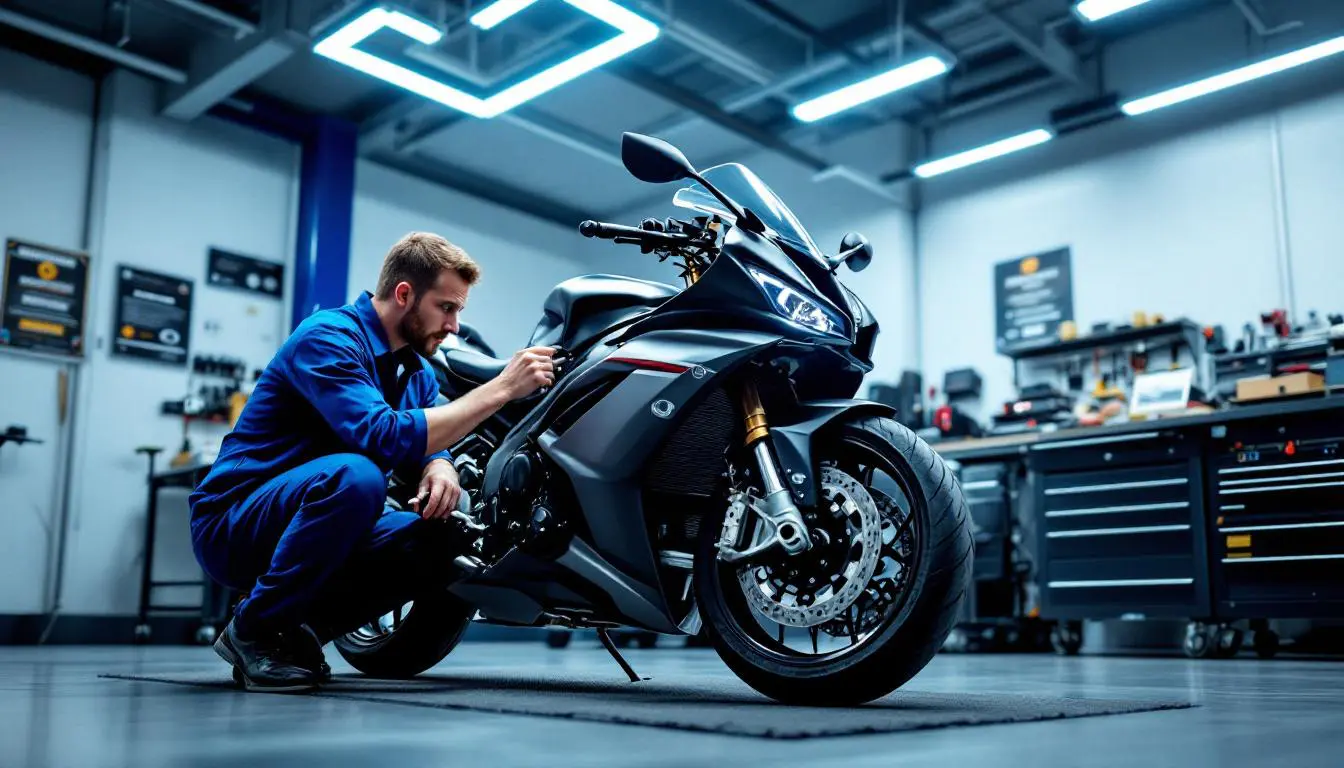
The technical inspection of motorcycles is now legally required in France. This process aims to ensure the safety of two-wheeled vehicle drivers and other road users. In this article, we provide an overview of the standards to comply with, the fees charged, and the sanctions penalties for any failure to comply with this obligation.
The standards to be respected during the technical inspection
The technical inspection of motorcycles covers a set of 80 verification points divided into nine major categories. Among the main checks performed are:
Vehicle identification
This stage includes checking the vehicle documents and its license plate.
Braking equipment
The brake pads and discs, as well as the brake fluid level and the anti-lock braking system (ABS) are examined to ensure their proper functioning.
Visibility and lighting
The checks also focus on the condition of the glass, the mirrors, and all electrical equipment, such as the headlights and position lights.
The fees for the technical inspection
The fees for the technical inspection for motorcycles are not fixed and depend on several factors:
- The department where you are located, with costs generally higher in urban areas.
- The type of vehicle to be inspected, related to the duration of the inspection.
- The commercial margin applied by the inspection center.
Currently, you should expect to pay an average of between €60 and €76 for this technical inspection. For more details, you can consult centers like Dekra-Norisko.
Sanctions in case of non-compliance
Failing to undergo the technical inspection can lead to significant financial sanctions. In the event of a roadside inspection, a fine of up to €750 may be imposed. Additionally, in the event of an infraction, law enforcement may decide on the immobilization of the vehicle and seize the registration certificate.
If you do not comply with this obligation, your motorcycle may also be towed, making it necessary to undergo the technical inspection to recover your property within a period of seven days.
For more details on the legal implications, refer to resources such as BigBen Motorcycle.
| Aspect | Details |
|---|---|
| Standards | 80 control points divided into 9 categories, including braking, steering, and visibility. |
| Frequency | Every 3 years, with specific deadlines depending on the registration date. |
| Average fees | Approximately €75, varying depending on departments and the type of vehicle. |
| Inspection results | Favorable (A), unfavorable (S), or critical (R) with the imposition of re-inspections. |
| Sanctions | Fines up to €750 and the risk of confiscation of the registration certificate in case of non-compliance. |
| Exceptions | Competition and collectible motorcycles registered before 1960 are excluded. |
| Authorized centers | Only centers that have undergone specific training can perform the inspection. |
| Necessary documents | Registration certificate and vehicle identifications during the inspection. |
| Preparation for the inspection | Advice to go through a mechanic to prevent possible major failures. |
The technical inspection has become a major issue for motorcyclists. Since April 15, 2024, all motorcycles must undergo this inspection every three years. This measure aims to enhance road safety by detecting potential technical failures that may cause accidents.
The schedule for implementing the technical inspection varies according to the year of registration of the vehicle. These staggered dates allow for the gradual integration of all types of motorcycles, scooters, and mopeds into the inspection system. Thus, those that were put into circulation before 2017 must already plan their first inspection, while newer models will have a few years before being subject to this obligation.
The fees for technical inspections generally range from €60 to €75. The price can fluctuate based on geographical location, as costs tend to be higher in urban areas than in rural ones. Therefore, it is essential to compare the fees of specialized centers before making an appointment to get the best offer.
The sanctions for non-compliance with this obligation can be severe. In the event of failing to pass the technical inspection, a fine of up to €750 can be imposed. Furthermore, during a roadside inspection by the police, your motorcycle may be immobilized and its registration certificate confiscated. It is, therefore, crucial to comply with the current regulations to avoid potential complications.
The technical inspection does not only concern newer motorcycles. All types of vehicles in category L, whether road motorcycles, scooters, or even motorized tricycles, must undergo this verification. There are exceptions, such as competition motorcycles or collectible models put into circulation before 1960, which are exempt from this inspection.
In summary, complying with the technical inspection standards is essential. This not only helps avoid sanctions but also guarantees your safety and that of other road users. It is highly advisable to stay informed about deadlines and to carry out the necessary checks to ensure your two-wheeler is in good working order.
The technical inspection of motorcycles is a legal obligation in France aimed at ensuring the safety of road users. Staggered over time, it applies to all two or three-wheeled vehicles. This article informs you about the standards to comply with, the fees to anticipate, and the sanctions faced in case of non-compliance with this regulation.
The standards of motorcycle technical inspection
The technical inspection covers a total of 80 verification points, divided into different categories. These inspections aim to ensure the good condition of your vehicle and to prevent accidents related to technical failures.
Categories of checks
The checks are divided into nine categories, including:
- Vehicle identification: License plate, vehicle documents.
- Braking equipment: Condition of pads and discs, brake fluid level.
- Steering: Condition of the housing and handlebar.
- Visibility: Check of mirrors and glass.
- Lights and electrical equipment: Operation of headlights, brake lights, and turn signals.
Each verification point can be classified according to a level of severity: minor, major, or critical failure. A minor failure does not have an immediate impact on safety, while a critical failure can render the motorcycle unrideable.
The fees for the technical inspection
The price of the technical inspection for motorcycles varies based on several factors, including geographic region and vehicle type. On average, you should expect to pay around €75 for an inspection.
Factors influencing the price
The fees can fluctuate depending on the following elements:
- Department: Costs are generally higher in urban areas than in rural areas.
- Type of vehicle: The duration of the inspection may influence the price.
- Establishment: The commercial margin of the inspection center also plays a role.
It is advisable to compare the offers of different authorized centers to choose the one that offers the best price.
The sanctions in case of non-compliance
Failing to comply with this legal obligation exposes one to severe sanctions. In the event of a roadside check, law enforcement may immobilize the vehicle.
Fines and immobilizations
Sanctions may include:
- Fine: In case of non-compliance with the inspection obligation, you risk a fine of up to €750.
- Vehicle immobilization: The registration certificate may be confiscated, and it will be necessary to undergo the technical inspection within seven days to recover the vehicle.
- Towing: If the inspection criteria are not met or if repairs are not made, the motorcycle may be towed.
Being compliant with the technical inspection of your motorcycle primarily ensures your safety on the road and that of other users. Going through an authorized center guarantees a thorough inspection in accordance with current standards.
The technical inspection of motorcycles is now an unavoidable step to ensure the safety of drivers and other road users. Since April 15, 2024, all motorcycles must submit to this examination every three years, following a specific schedule based on each vehicle’s registration date. This helps detect any technical failures and ensures that motorcycles meet safety standards.
The fees for the technical inspection can vary significantly depending on the centers and regions. On average, expect to pay around €75, although some centers offer lower prices. It is therefore wise to compare the various offers before making an appointment to take advantage of the best possible conditions. The cost may also be influenced by geographic location, type of vehicle, and inspection duration.
Penalties for failing to comply with this legal obligation are severe. A fine of up to €750 is expected for those who do not comply, and during a roadside check, law enforcement may decide to immobilize the vehicle. This immobilization requires passing a technical inspection within seven days following the infraction to recover your registration certificate. Moreover, additional consequences may include towing the motorcycle.
In conclusion, the technical inspection is an essential part of ensuring road safety and assessing the condition of your motorcycle. Ensuring compliance with this examination within deadlines and adhering to the prescribed standards will help avoid future complications while enhancing your safety on the road.
FAQ about motorcycle technical inspection
Is the technical inspection mandatory for motorcycles? Since April 15, 2024, two-wheel vehicles are required to undergo a technical inspection every three years. The rollout of this system is gradual, based on the vehicle’s registration date.
What is the purpose of a motorcycle’s technical inspection? The technical inspection aims to detect potential technical failures of the vehicle. It contributes to the safety of the driver, as well as that of other road users.
Which motorcycles are subject to technical inspection in 2025? All motorcycles are subject to the technical inspection. Regardless of the engine size, it must be inspected to check a certain number of safety points. This applies to all vehicles in category L (motorized vehicles with 2 or 3 wheels and motorized quadricycles).
How do I know if I need to undergo a motorcycle technical inspection? The date of your first inspection depends on your motorcycle’s date of registration. For example, for a two-wheeler registered in 2022, it should be done within the 6 months preceding its 5th anniversary.
What should I do if my motorcycle fails the inspection? When a major failure is detected, you must carry out repairs within a 2-month period to schedule a re-inspection. The re-inspection can be done at the same inspection center or at any other authorized center.


