
IN BRIEF
|
The question of technical control for motorcycles is at the center of a heated controversy in France. The Council of State has recently ruled in favor of establishing this obligation, despite numerous challenges from the French Federation of Angry Motorcyclists (FFMC). Motorcyclists are concerned about the implications of this measure, considered unnecessary and costly, while advocating for alternative solutions to improve road safety without increasing their constraints. This decision by the Council of State only intensifies the discontent within the motorcycling community.
Technical control for motorcycles: the Council of State faces the discontent of motorcyclists
Recently, the Council of State made a ruling regarding the obligation of technical control for motorcycles, scooters, and quads, facing strong opposition from motorcyclists, notably organized by the French Federation of Angry Motorcyclists (FFMC). Thus, it is essential to analyze the advantages and disadvantages of this measure which has generated a lively controversy within the motorcycling community.
Advantages
The first undeniable advantage of technical control for motorcycles is the improvement of road safety. Indeed, according to statistics from early inspections, 45% of the inspected vehicles showed deficiencies, some of which were considered serious. This can raise awareness among motorcyclists about the importance of maintaining their vehicle, thereby reducing the risk of accidents related to poor condition of the two-wheeler.
Another positive point often raised is compliance with European directives. The obligation for periodic technical control of motorized two-wheelers stems from European Directive 2014/45/EU, which aims to standardize vehicle safety. This would allow France to avoid sanctions from European authorities and align French standards with those of the rest of the Union.
Disadvantages
On the downside, the FFMC argues that this obligation is actually unnecessary, costly, and ineffective. The cost of technical control can represent a real burden for motorcyclists, particularly for occasional riders or those from the middle class. They believe that funds could be better spent on alternative preventive measures, such as deploying noise pollution radars or encouraging the use of certified safety gear.
Moreover, despite the arguments in favor of instituting this control, the FFMC emphasizes that only 0.3% of motorcycle accidents are directly related to the state of the vehicle. This raises the question of the actual effectiveness of this measure in terms of road safety. Motorcyclists thus advocate for shared responsibility and limited technical control, for example, only at the resale of vehicles.
In summary, while the technical control is presented as an advancement for road safety, it is contested as being out of reach for a large part of the motorcycling community, which advocates for deeper reflection on the measures to be taken. The situation remains tense, and debates between motorcyclists and authorities are far from calming down.
Technical control for motorcycles: the Council of State faces the discontent of motorcyclists
The debate surrounding technical control for motorcycles, scooters, and quads has intensified with the recent ruling from the Council of State. Despite protests from the French Federation of Angry Motorcyclists (FFMC), which firmly opposes this obligation, the measure has now been validated, provoking strong reactions from motorcyclists. This article outlines the contours of this decision as well as the reactions from the motorcycling community.
A judicial battle lost for the FFMC
Since the announcement of the establishment of technical control for motorized two-wheelers, the FFMC has relentlessly defended its position against this obligation that it considers “unnecessary, costly, and ineffective”. During this struggle, the federation proposed various alternatives aimed at improving the safety of motorcyclists without necessitating compulsory technical control. These alternatives included noise pollution radars, encouraging the wearing of certified gloves, and enhancing signage on the blind spots of heavy goods vehicles.
The verdict of the Council of State
The Council of State ruled in favor of implementing technical control, considering that the alternative measures proposed by the FFMC were “insufficient and too sporadic”. It concluded that these measures would not effectively meet the requirements set by European Directive 2014/45/EU, which mandates periodic technical control for vehicles in category L.
Statistics supporting control
Statistics from the initial technical inspections, conducted between April and May 2024, were revealed to support the decision of the Council of State. Out of 123,043 vehicles inspected, 45% showed one or more deficiencies, of which 11% were considered serious, particularly regarding excessive wear of tires and brake pads. Despite these figures, the FFMC maintains that only 0.3% of motorized two-wheel accidents are directly related to the condition of the vehicle.
The mobilization of motorcyclists
Despite the ruling, the FFMC is calling for a general mobilization of motorcyclists to oppose the obligation of technical control. By urging those who have already undergone the control to make their voices heard, it seeks to crystallize a movement of protest. Furthermore, it proposes an approach centered on technical control only during the resale of vehicles.
Timeline of events
To better understand the implementation of technical control, here is a concise timeline of key events:
- April 3, 2014: European Directive 2014/45/EU mandating technical control for two-wheelers effective January 1, 2022.
- August 9, 2021: Adoption of a decree to establish mandatory technical control.
- August 12, 2021: Suspension of the decree by the Minister of Transport.
- July 25, 2022: Cancellation of the obligation, replaced by alternative measures.
- July 27, 2022: The Council of State invalidates the delay and reinstates technical control.
- October 31, 2022: Cancellation of the July 2022 decree, reinstating the initial decree.
- October 23, 2023: Modification of the conditions for implementing technical control effective April 1, 2024.
- March 12, 2025: Final dismissal of appeals by the Council of State.
This timeline highlights the complexity of the debate regarding technical control, which continues to generate much ink among motorcycle enthusiasts.
Technical control for motorcycles: the Council of State faces the discontent of motorcyclists
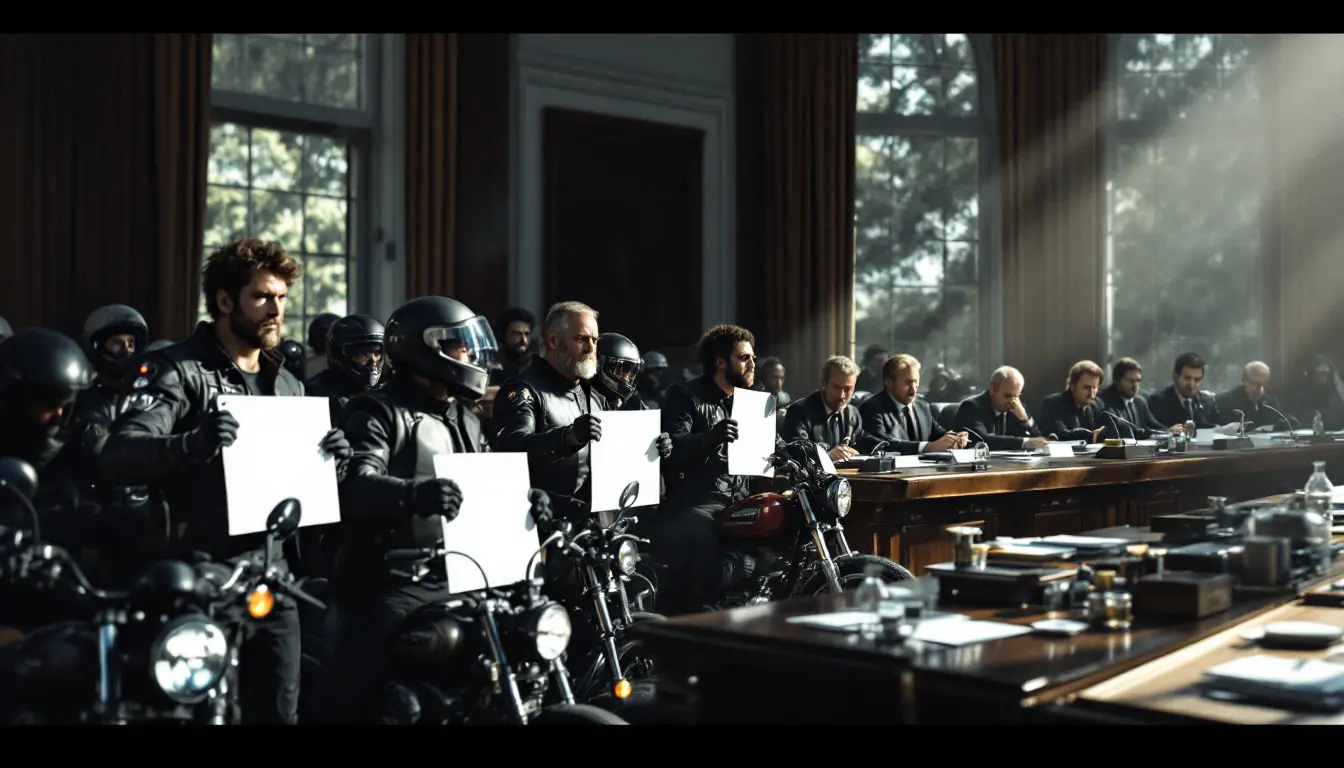
The recent decision by the Council of State regarding the establishment of technical control for motorcycles has sparked strong reactions within the motorcycling community. Rejecting the appeal from the French Federation of Angry Motorcyclists (FFMC), the Council has validated this measure, deemed necessary to ensure safety on the roads. Despite this decision, many motorcyclists continue to express their disagreement, questioning the actual effectiveness of this control.
The FFMC’s arguments against technical control
The FFMC has consistently denounced the obligation of technical control for two-wheelers as unnecessary and costly. According to it, more effective alternatives could be implemented to ensure the safety of motorcyclists without resorting to technical control. Among its arguments, the federation advocates measures such as the deployment of noise pollution radars and the encouragement of wearing certified gloves.
The ruling of the Council of State and its implications
In its decision, the Council of State deemed the alternative measures proposed by the FFMC to be insufficient and too sporadic to meet the safety requirements advocated by European Directive 2014/45/EU. It emphasized that periodic technical inspections were necessary to achieve the set objectives, in order to reduce the risks associated with the use of two-wheelers on the road.
Worrisome statistics on the condition of motorcycles
The latest statistics reveal that nearly 45% of motorcycles inspected show one or more deficiencies, with 11% classified as serious. These figures, while powerful in supporting the need for technical control, are contested by the FFMC, which reminds that only 0.3% of accidents are due to the state of the vehicle. This alternative view raises the question of the actual effectiveness of technical control as a road safety measure.
The resistance of the motorcycling community
Following this decision, the FFMC calls for a general mobilization of motorcyclists and invites everyone to share their experiences regarding technical control. The federation also advocates for technical control only during the resale of vehicles, thus offering less burdensome alternatives to motorcyclists while respecting safety requirements.
A story of struggle and uncertainties
The implementation of technical control for motorcycles has been marked by a series of twists and turns. From the initial announcement of the European directive to the final decision of the Council of State, motorcyclists and their representatives have continuously contested this obligation. This situation illustrates the tensions that exist between the concerns of motorcyclists and the regulatory demands imposed by the authorities.
For further information, you can consult the following resources: Freenduro, Big Ben Motorcycle, and Le Parisien.
Comparison of opinions on technical control for motorcycles
| Aspect | Technical Control |
|---|---|
| Position of the Council of State | The technical control is justified by high failure statistics. |
| Position of the FFMC | Considers the control unnecessary and proposes alternatives focused on safety. |
| Arguments for | Improvement of road safety and compliance with European directive. |
| Arguments against | Additional costs for motorcyclists and weak link between vehicle condition and accidents. |
| Key statistics | 45% of motorcycles have deficiencies, including 11% serious. |
| Mobilization of motorcyclists | Calls for mobilization against the control and to share experiences. |
| Timeline of decisions | Technical control made mandatory by successive decrees and decisions of the Council of State. |
| Proposed alternatives | Noise pollution radars, encouragement to wear gloves, and conversion bonuses. |
Testimonies on technical control for motorcycles
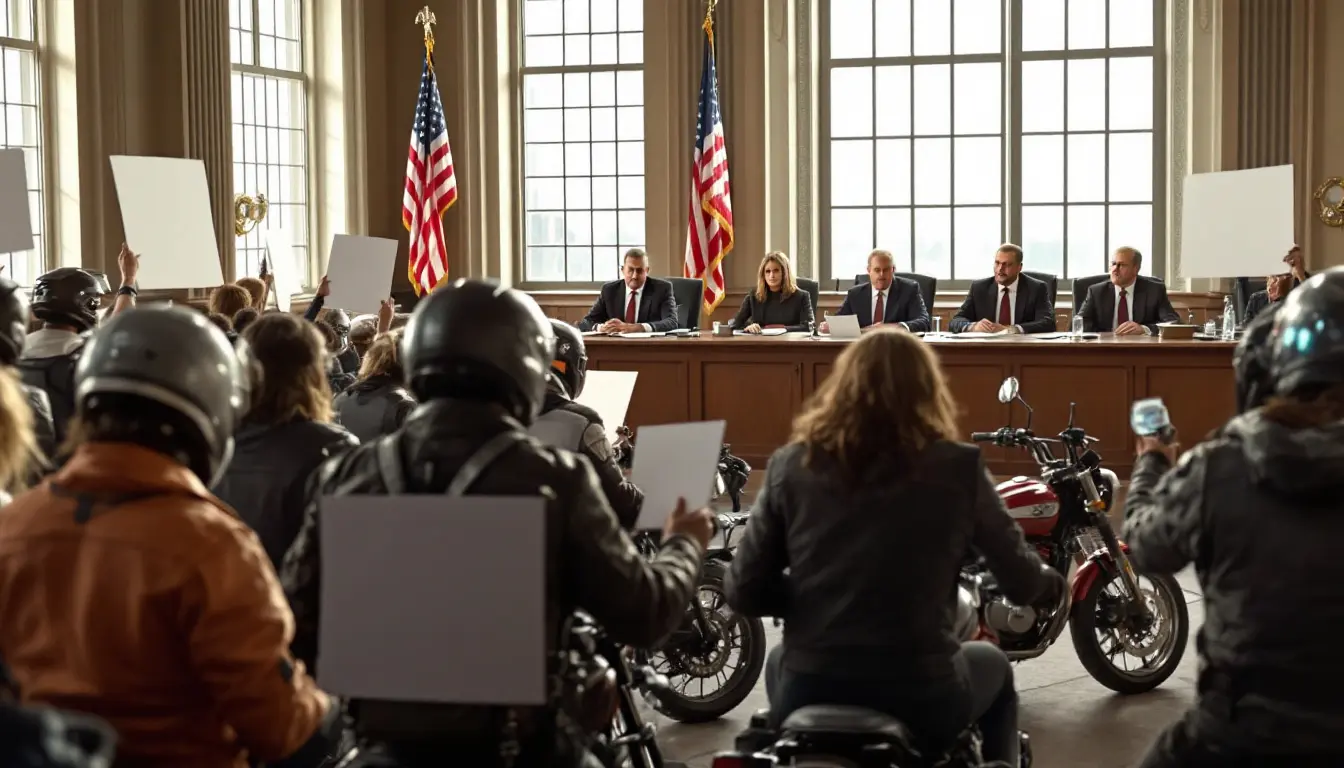
The recent decision of the Council of State regarding the obligation of technical control for two-wheelers has sparked strong reactions within the motorcycling community. Many express their disagreement with this measure, considered counterproductive.
A long-time motorcyclist testifies: “I am fiercely opposed to this obligation. I believe there are other ways to improve road safety without burdening motorcyclists with a technical control. Every motorcyclist knows their vehicle and takes care of it.”
A young motorcyclist also shares her experience: “I had to undergo my technical control recently, and I found this process very stressful. My friends told me that there were many deficiencies that do not affect driving. This seems more like an economic measure than a real safety measure.”
A representative from the French Federation of Angry Motorcyclists (FFMC) states: “We have always believed this measure is unnecessary and costly. We would prefer to invest in alternative solutions that truly focus on motorcyclist safety, such as enhancing driver education.”
Another motorcyclist reminds that only 0.3% of accidents are linked to the condition of the vehicle. “This figure should make policymakers think. We need measures that address the problem more specifically, rather than imposing a general technical control.”
In light of this discontent, some motorcyclists have decided to mobilize: “We encourage our peers to share their experiences on vehicle resale; other voices need to be heard in this debate.”
The implementation of technical control remains a sensitive and controversial subject. Motorcycle enthusiasts question its effectiveness and the impact it will have on their daily lives. The battle for other solutions could well continue in the coming times.
The French government has implemented the obligation of technical control for motorcycles, scooters, and quads, a measure that has sparked significant reactions within the motorcycling community. The Council of State has recently confirmed the legitimacy of this obligation, despite the challenges from the French Federation of Angry Motorcyclists (FFMC), which argues that this measure is unnecessary and costly. This text offers recommendations on how to navigate this new regulatory environment and on possible alternatives to this obligation.
Understanding the context of technical control
Since 2024, technical control for two-wheeled vehicles has become a legal reality in France. This initiative follows a European directive aimed at ensuring road safety, in response to alarming statistics concerning the condition of motorcycles and their impact on the safety of road users. Initial inspections revealed that 45% of the checked vehicles had deficiencies, a worrying percentage being classified as serious.
The FFMC has multiplied actions to oppose this mandatory control, considering that it does not address the real safety issues and merely increases the cost of motorcycle practice. This confrontation between the need for increased control and the desire for freedom of use for motorcyclists is at the heart of current debates.
Alternatives to technical control
Members of the FFMC propose several alternatives that they believe would be more effective in improving road safety. Among these alternatives are the implementation of noise pollution radars to deter risky behaviors, encouraging the use of certified gloves for better protection of motorcyclists, and developing specific signage to raise awareness about the blind spots of heavy vehicles.
These measures, according to the FFMC, should replace the mandatory technical control, which is seen as too punitive and poorly suited to the real needs of motorcyclists. In fact, a technical control carried out only at the resale of vehicles could also be sufficient to ensure a certain level of safety without administrative burdens.
Mobilization of motorcyclists
In light of this technical control obligation, the FFMC invites motorcyclists to mobilize and share their experiences through a dedicated platform. It is crucial for the motorcycling community to make its voice heard and to participate in demonstrations aimed at supporting more appropriate measures. Such mobilization could have a significant impact on public debate and potentially lead to regulatory developments.
Testimonies from motorcyclists who have undergone their technical control could also offer perspectives on the reality of this obligation. Stating concrete facts about lived experiences would help nourish a constructive dialogue with the competent authorities.
Considerations on safety and the environment
Beyond the open contestation against the obligation of technical control, there is a growing awareness of issues related to safety and environmental impact. The FFMC advocates for an innovative approach, proposing the certification of ethanol kits to promote less polluting engines. Such an initiative could benefit both the motorcycling community and the environment, by reducing the carbon footprint of two-wheelers.
It is important for motorcyclists to take these issues into account and to position themselves not only as road users but also as responsible actors in road safety and environmental protection.
Technical control for motorcycles: the Council of State faces the discontent of motorcyclists
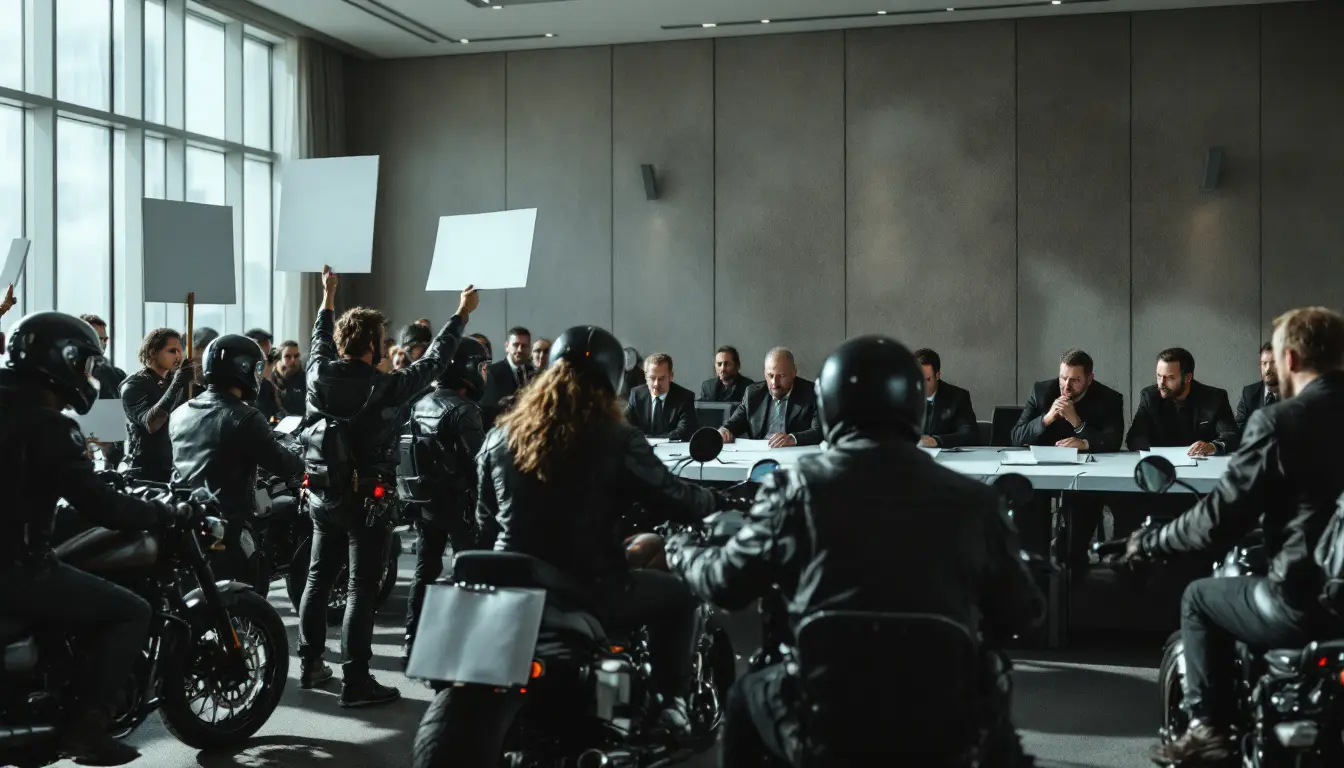
The ruling by the Council of State on technical control for motorized two-wheelers has provoked a strong reaction within the motorcycling community. Despite the dismissal of the appeal made by the French Federation of Angry Motorcyclists (FFMC), opinions are divided on the actual effectiveness of this new regulation. On one side, the authorities believe that the implementation of this control is essential to improve road safety, citing statistics indicating technical failures in nearly 45% of inspected vehicles. On the other hand, the FFMC considers this obligation unnecessary and argues that the true causes of accidents are not linked to the condition of vehicles.
The arguments put forward by the FFMC, such as security alternatives and innovative solutions for protecting motorcyclists, show that the question of improving safety goes beyond a mere technical control. Its call for a general mobilization indicates a deeper malaise within the community, where many fear that technical control may merely serve as an additional sanction rather than a true preventive measure.
Over the years, the implementation of technical control has been marked by regulatory inconsistencies and delays, which have intensified skepticism among motorcyclists. The various stages of this regulation have led to confusion, while the instability of government decisions has fueled resentment. The challenge for motorcyclists today is to adapt to this new reality while continuing to advocate for measures that respect their concerns and passion for two-wheeled mobility.
FAQ on technical control for motorcycles
What is the decision of the Council of State regarding technical control for motorcycles? The Council of State rejected the appeal of the French Federation of Angry Motorcyclists against the obligation of technical control for motorized two-wheelers, making this measure applicable.
Why does the FFMC oppose mandatory technical control? The FFMC considers technical control to be “useless, costly, and ineffective” and proposes alternatives to improve the safety of motorcyclists without this obligation.
What alternatives has the FFMC proposed? Among the alternatives, the FFMC suggested deploying noise pollution radars, encouraging the use of certified gloves, enhancing signage for the blind spots of heavy vehicles, and creating a conversion bonus.
What statistics were mentioned by the Council of State? The Council of State indicated that 45% of inspected motorcycles showed one or more deficiencies, of which 11% were considered serious.
What percentage of motorcycle accidents are linked to the condition of the vehicle? The FFMC reminded that only 0.3% of motorized two-wheeler accidents are directly related to the vehicle’s condition.
What is the FFMC’s plan following this decision? The FFMC calls for a general mobilization of motorcyclists against this obligation and invites them to testify about their experience with technical control.
What modifications were made to the 2021 decree? The 2021 decree was modified to clarify the conditions for implementing motorcycle technical control, which will come into effect on April 1, 2024.
When was technical control for motorcycles established? The European directive requiring technical control for two-wheelers was adopted on April 3, 2014, with phased implementations starting on January 1, 2022.


