
IN BRIEF
|
When riding a motorcycle, the positioning on the road is crucial to guarantee both your safety and that of other road users. Whether you are on a straight road, in turns, or at a roundabout, it is essential to know the best practices for positioning. A wise placement can improve not only your visibility but also your maneuverability, thereby reducing the risk of accidents. This requires constantly adjusting your position according to the environment and traffic so that you are always prepared to react to potential dangers.
Road safety is a critical issue for all road users, and it is even more important for motorcyclists. Properly positioning yourself on the road is essential for anticipating the behavior of other drivers and for increasing your visibility. In this article, we will explore the advantages and disadvantages of different positions to adopt while riding a motorcycle.
Advantages
Better visibility: Positioning yourself in the middle of the lane or slightly to the left on a straight road enhances your visibility. This allows you to see beyond the vehicles ahead of you and anticipate potential obstacles. By incorporating this technique, you will be better equipped to predict the movements of other road users, which is crucial for your safety.
Avoiding blind spots: By positioning yourself correctly, a motorcyclist is less likely to be in the blind spot of other vehicles. This increases the chance of being seen by drivers and reduces the risk of accidents during unexpected maneuvers.
Proactive behavior: Good positioning on the road encourages proactive behavior regarding safety. By keeping a sufficient distance from the edges of the roadway, you avoid the effects of strong crosswinds or other dangers, which contributes to optimal control of your motorcycle.
Disadvantages
Risk of being misunderstood: In certain situations, what seems like an ideal position can be misinterpreted by other road users. For example, if a motorcyclist is too close to the center of the lane, it might encourage vehicle drivers to overtake without taking adequate precautions.
Difficulty maneuvering in certain conditions: During tight turns, a poor position on the road can make optimal control of your two-wheeler challenging. It is essential to keep your inner knee tightened and avoid leaning too far outwards to maintain balance and safety in turns.
Road transversality: Positioning on the road requires special attention to avoid being too close to vehicles traveling in the opposite direction. On a two-way street, it is crucial not to encroach on the path of vehicles coming from the opposite direction to secure overtaking maneuvers.
For more information on motorcycle positioning on the road, feel free to consult resources like Moto Sécurité or explore additional tips on Bigben Motorcycle.
Positioning on the road is essential to ensure the safety of motorcyclists. Whether alone or in a group, knowing best practices allows you to anticipate dangers, optimize your visibility, and reduce accident risks. This article presents practical tips for correctly positioning yourself on the road, particularly in turns, at roundabouts, and in dense traffic situations.
Motorcycle positioning in different types of traffic
On a two-way road, the motorcyclist should position themselves slightly to the left of their lane, without encroaching on the opposing traffic lane. This increases visibility and helps anticipate potential obstacles. On a straight road, it is recommended to ride toward the center of the lane to optimize braking distance in case of emergency.
Positioning in turns
In a turn, it is crucial to adopt a good posture. Avoid spreading your inner knee and do not position your feet on your toes. Lean slightly towards the inside of the turn, which will help you maintain the balance of your motorcycle. To master this technique, refer to practical guides such as counter-steering.
Positioning at roundabouts
When entering a roundabout, it is advisable to ride on the left side, but without encroaching on the central axis. This allows you to maintain a good view of the traffic inside the roundabout and anticipate the behavior of other road users.
Tips for improving your visibility
To improve your visibility as a motorcyclist, it is important to move regularly within your lane. Lean slightly to one side or the other without changing your trajectory to see beyond the vehicles ahead of you. Additionally, by wearing reflective or colorful clothing, you increase your chances of being seen by motorists.
Common mistakes to avoid
When riding a motorcycle, certain mistakes can have serious consequences. Avoid positioning yourself too close to the right edge of the roadway, as this can reduce your safety margin. Consult relevant resources to avoid these common mistakes and learn safe practices.
Positioning well in a group
When riding in a group, coordination among riders is essential. Clearly define who is at the front and ensure that everyone maintains a safe distance. For more safety tips during group rides, refer to articles such as this safety guide.
Training for motorcyclists
It is important to stay updated on good traffic practices. Taking continuing education courses allows you to acquire advanced skills that enhance your performance on the road. These trainings often cover topics such as road positioning, crisis management, and much more.
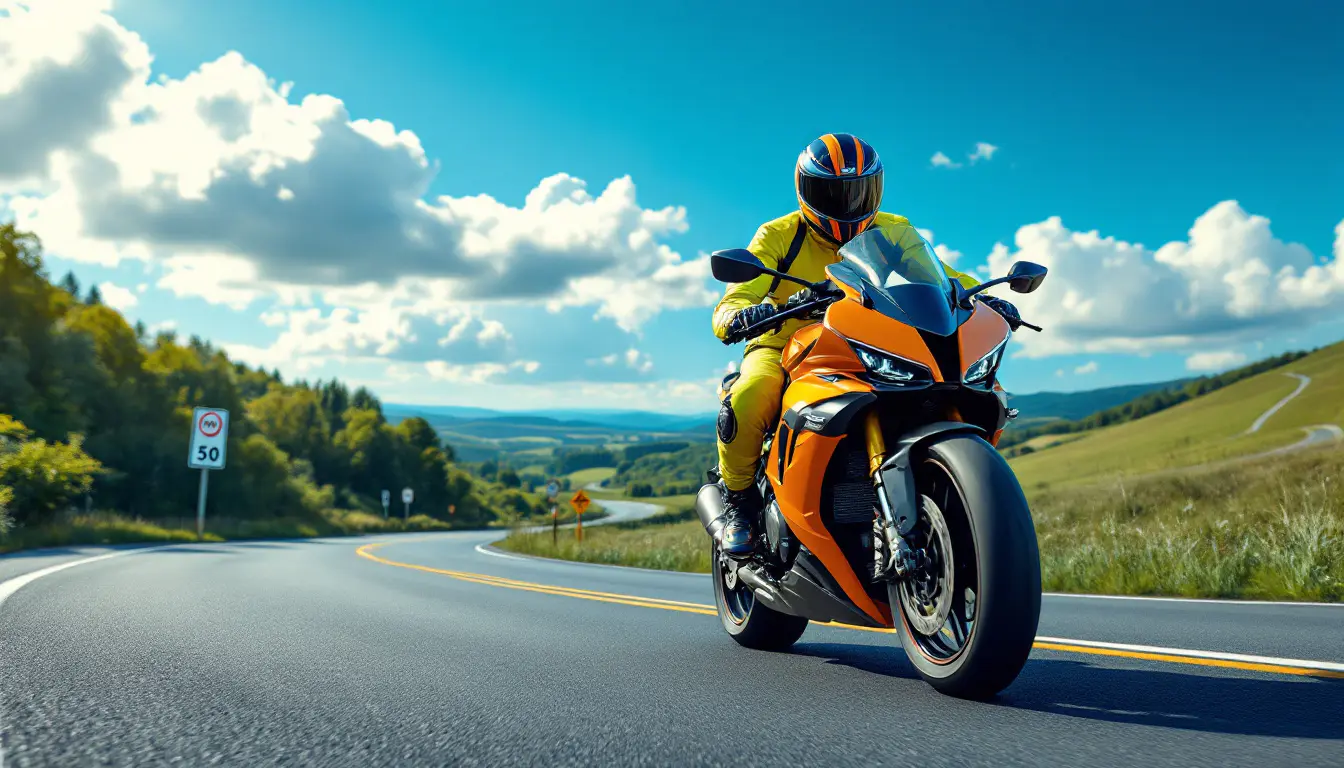
Adopting a good position on the road is essential for ensuring your safety and that of other users. Whether alone or in a group, knowing best practices helps anticipate dangers, optimize visibility, and reduce accident risks. This guide presents several practical tips for correctly positioning yourself on the roadway, particularly during turns, roundabouts, and varied situations. Whether you are an experienced motorcyclist or a beginner, being mindful of your positioning can make a difference.
Placement on two-way roads
When riding on a two-way road, it is advisable to ride tight to the left while being careful not to encroach on the opposing traffic lane. This positioning maximizes your visibility and allows you to be better seen by other drivers. For more details on proper placement, check this resource here.
Visibility techniques
To enhance your safety, remember to move regularly on your motorcycle. Shift slightly left or right to broaden your field of vision and anticipate the movements of vehicles ahead of you. This will also help you prepare for potential overtaking maneuvers.
Placement in turns
When taking a turn, make sure to keep your knees tight against the tank and avoid standing on your toes. Adopt a stable position for better control of your motorcycle. By leaning slightly into the turn, you will also help balance the motorcycle and maintain an appropriate trajectory.
Roundabouts and intersections
When approaching a roundabout or intersection, it is crucial to properly anticipate your position. Ensure to place yourself correctly to avoid blocking other vehicles and maintain good visibility. If you need to yield, make sure you are appropriately positioned to avoid collision.
Guide for passengers
If you are carrying a passenger, it is important to explain how to position themselves. The passenger should lean to the same side as you in turns, keep their head to the other side, and look ahead. Good coordination between the rider and passenger can improve overall balance and safety.
Ongoing training
Finally, to be a competent rider aware of the road risks, ongoing training is essential. This not only improves your riding technique but also keeps you informed of the best practices. Discover the benefits of good training here.
Road positioning for motorcyclists
| Situation | Positioning Advice |
| Two-way road | Keep tight to the left without encroaching on the central axis |
| Turns | Avoid spreading the inner knee |
| Straight road | Ride in the middle or slightly to the left of the lane |
| Roundabout | Position yourself inside the lane while anticipating other vehicles |
| Urban area | Stay at a safe distance from the right edge of the roadway |
| Highway | Maintain a central position in the lane |
| In groups | Observe safe distances between motorcyclists |
| Estimating visibility | Slightly shift to see better past the vehicles in front |
| Passenger | Follow the movements of the rider and maintain good posture |
| Slippery terrain | Adopt a stable position to improve balance |
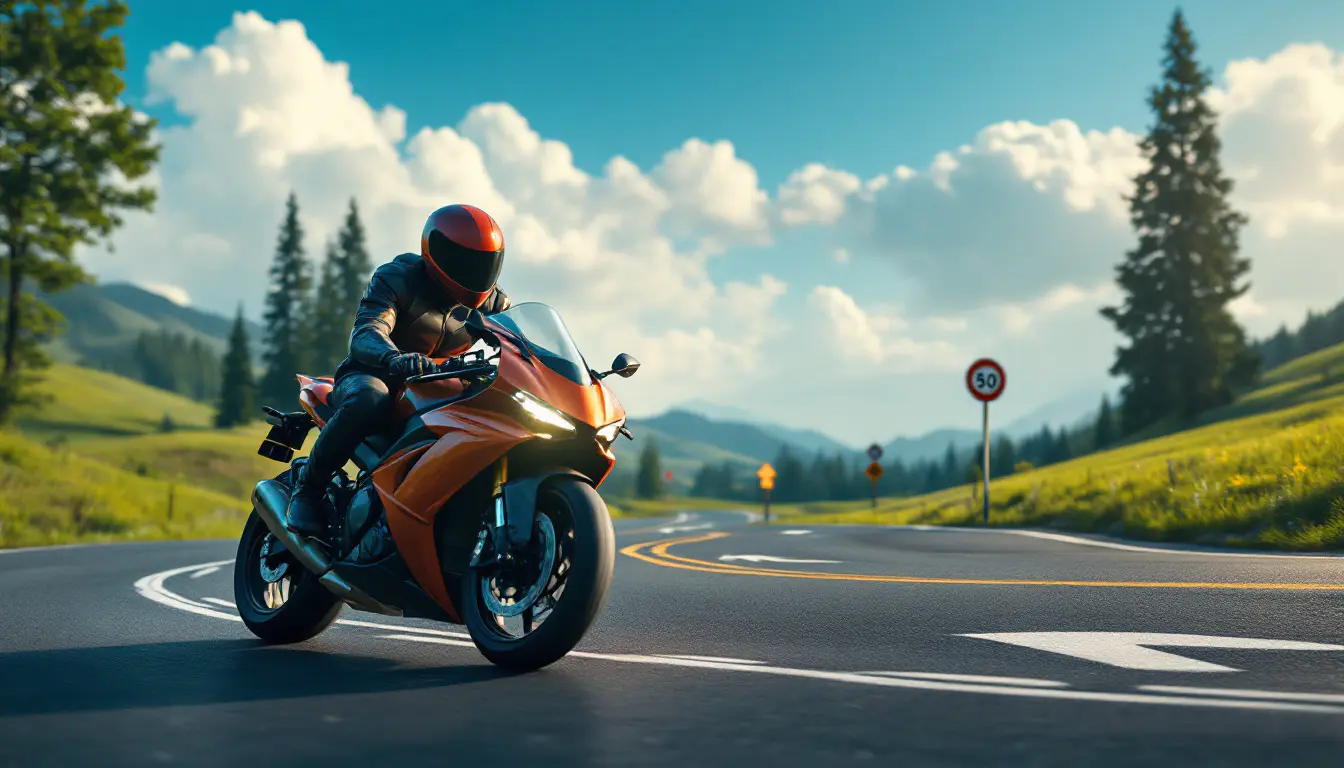
Being properly positioned on the road is essential to secure your rides as a motorcyclist. The first thing to remember is that on a two-way road, it is best to keep left while avoiding encroaching on the opposing traffic lane. This maximizes your visibility and allows you to respond more quickly to potential danger.
When riding on a straight road, a wise strategy is to ride in the middle of your lane or slightly towards the left side of the lane. This position offers you a better perspective on the road and protects you from vehicles performing maneuvers.
In turns, it is crucial to maintain a good posture. Avoid spreading your inner knee, as this could unbalance your motorcycle. Keep your feet firmly on the footpegs and remain relaxed to safely execute turns. Lean slightly to the side you are turning towards, which helps maintain optimal balance without losing control.
In urban areas, it is advisable to keep a sufficient distance from the vehicle in front of you. This will allow you to react quickly if needed and avoid any collision. Also, remember to stay alert and monitor other road users, as situations can evolve rapidly.
For motorcyclists riding in a group, communication and respecting distances between the motorcycles are paramount. Each group member should be aware of their position and speed, while maintaining a smooth riding line. This creates harmony on the road, thus reducing the risk of accidents.
Finally, to enhance your visibility, it is advisable to shift slightly within your lane. It may seem trivial, but a slight shift left or right can make you more visible to other drivers, especially in high-traffic areas.
Riding a motorcycle can be an exciting experience, but it also requires special attention to safety and visibility. Proper positioning on the road is essential for ensuring safety, reducing accident risks, and improving the riding experience. This article presents practical tips to help motorcyclists position themselves correctly on the road, whether in urban areas, on highways, or in turns.
The placement on the roadway
The first rule to follow is to never position yourself too close to the right edge of the roadway. This helps avoid accidents caused by drivers changing lanes without looking. For better visibility, it is recommended to position yourself in the middle of your lane or slightly to the left when riding on a two-way road.
Positioning in traffic
When riding in a straight line, keep left in your lane without encroaching on the opposing traffic lane. This allows you to have a better view of the vehicles ahead and anticipate potential dangers. Move regularly side to side to enhance your field of vision.
Moving in urban areas
In urban zones, adopt a proactive attitude. Always be prepared to brake and respond to the actions of other road users. Maintain a safe distance from cars and stay vigilant of pedestrians and cyclists. In roundabouts, it is crucial to position yourself correctly to avoid collisions with vehicles already circulating. Take time to check your blind spots before changing direction.
Anticipating turns
Taking turns requires specific technique. Avoid veering too abruptly to the inside during a turn, as this can unbalance your motorcycle. Remain vigilant and lean into the turn, while keeping your feet on the footpegs. This technique can help you maintain better road adhesion.
Considerations of speed
The speed at which you approach a turn is just as important as your position. Reduce your speed before entering the turn rather than braking inside. This will allow you to keep control of your motorcycle while facilitating a smooth exit. Also, in rural areas, adjust your speed according to road conditions, which can change suddenly.
Tips for riding in a group
When riding in a group, the placement is even more crucial. Respect the safe distances between each motorcyclist and ensure you maintain clear communication with other group members. Use hand signals to indicate lane changes and stops. This contributes to better coordination and safer riding.
Assessing your visibility
Ultimately, your visibility is paramount. Wear reflective clothing, especially at night or in poor weather conditions, and ensure your headlights are in good working order. Avoid lingering in other drivers’ blind spots and position yourself to be as visible as possible to motorists.
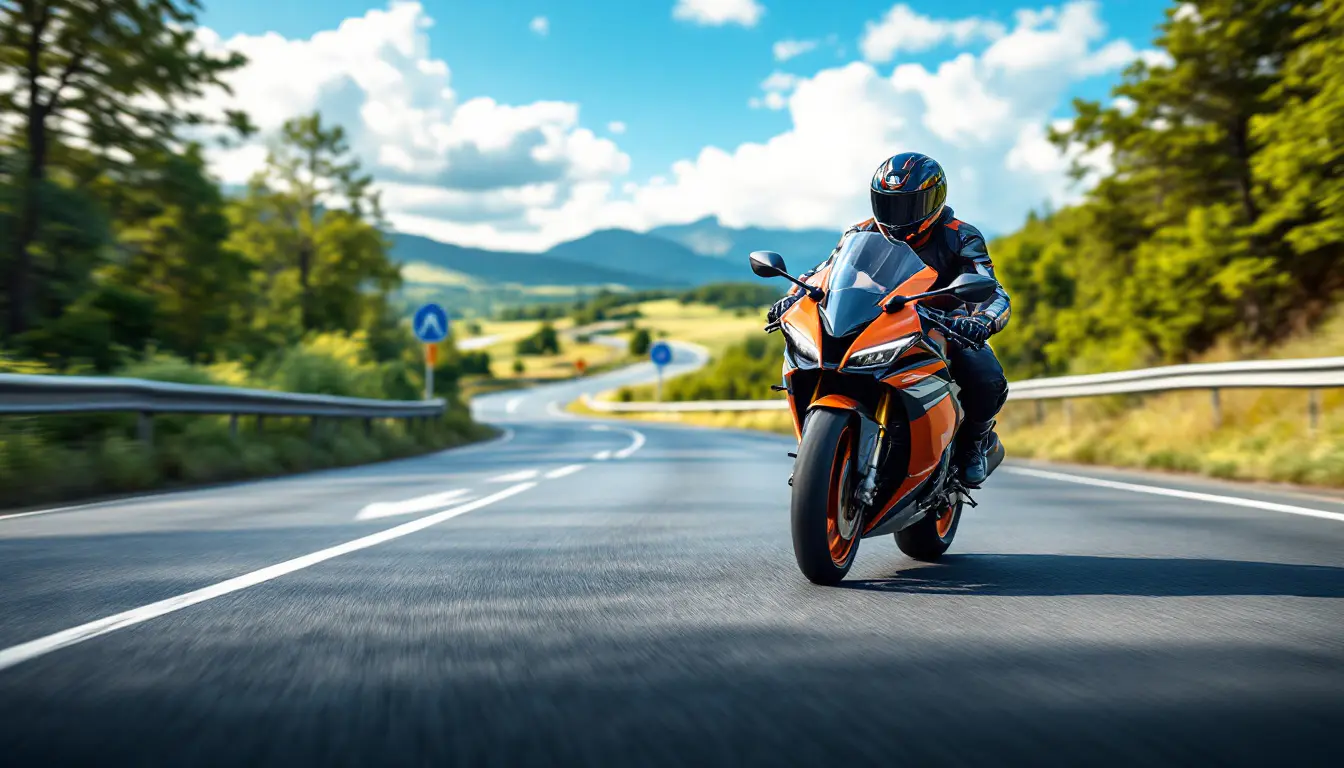
Road safety is paramount for all road users, especially for motorcyclists. A good position on the roadway can make all the difference in terms of visibility and safety. In a two-way traffic context, it is advisable to position yourself on the left side of the lane without encroaching on the opposing traffic lane. This not only optimizes visibility but also reduces the risk of accidents by providing greater maneuvering space.
On a straight road, it is recommended to ride in the center of your lane or slightly to the left. This strategy helps maintain a safe distance from other vehicles and improves your field of vision. Moreover, it is essential to move regularly by adjusting your positioning to have a better view of what is happening ahead, especially in the event of obstacles or other vehicles slowing down.
During turns, posture plays a key role. It is important not to spread your inner knee, as this action could unbalance your motorcycle. Stay stable on your seat, while controlling your trajectory using the appropriate use of brakes and throttle. By leaning correctly, you will also maintain good grip and better adhesion.
Finally, ongoing training is crucial to enhance your riding skills and keep your knowledge of traffic rules up to date. Incorporating these positioning tips into your daily practice will strengthen your safety and that of others on the road. By applying these principles, every motorcyclist can contribute to making motorized traffic safer and more enjoyable.
FAQ: How to position yourself correctly on the road as a motorcyclist
Q: What is the correct placement of a motorcycle on a two-way road?
A: On a two-way road, it is advisable to position yourself on the left of the lane, without encroaching on the opposing traffic lane.
Q: How to position yourself on a motorcycle in a straight line?
A: On a straight road, it is preferable to ride in the middle of your lane or slightly to the left side of the lane if you are alone.
Q: What posture to adopt in turns?
A: It is important not to spread the inner knee in a turn and to keep your feet positioned on the footpegs.
Q: How to improve my visibility while riding?
A: To improve your visibility, move regularly left and right to have a better view of the traffic.
Q: What to do in case of heavy traffic in urban areas?
A: In an urban area, it is crucial to stay vigilant and maintain a safe distance from other vehicles.
Q: What is the best position for a passenger on a motorcycle?
A: The passenger should lean to the same side as the rider while keeping their head to the opposite side to improve balance.
Q: Why is it important to take advanced training courses?
A: Advanced training courses are essential to acquire additional skills and enhance safety on the road.


