
IN BRIEF
|
Traveling by bike across Europe is a rewarding adventure that promises breathtaking landscapes and unforgettable experiences. However, before hitting those beautiful roads, it is crucial to be well-prepared. This preparation involves checking certain logistical and legal aspects to ensure a smooth trip. Whether it’s to explore the charming alleys of historic cities or pedal along major cycling routes, here is your essential list for a successful biking trip in Europe.
Traveling by bike in Europe is an enriching experience that allows you to discover beautiful landscapes while staying active. However, good preparation is essential to make this journey enjoyable and hassle-free. This article presents a list of key elements to consider, highlighting the advantages and disadvantages of this two-wheeled adventure.
Advantages
One of the main advantages of biking in Europe is the freedom it provides. By pedaling at your own pace, you can explore places that are less accessible to cars and fully enjoy the scenery. Moreover, biking is an eco-friendly mode of transport that helps reduce your carbon footprint while respecting nature.
Another positive aspect is the affordable cost of this type of travel. Compared to traveling by car or train, biking reduces transportation and accommodation expenses. Indeed, you can choose camping or youth hostels, which significantly lowers your costs. To plan your route well, useful applications can help you, such as those available on Big Ben Motorcycle.
Disadvantages
However, biking also has its disadvantages. The first is the physical condition required. Long journeys and varied terrains can prove difficult, especially if you are not used to biking regularly. It is therefore advisable to prepare well physically and start with short rides before embarking on a journey across Europe.
Another downside is cycling in urban environments. Some beautiful European cities may present challenges for cyclists, such as heavy traffic and inadequate infrastructure. It is crucial to research in advance cities that offer safe bike paths to avoid unpleasant surprises.
Moreover, the issue of unexpected events, such as breakdowns or weather conditions, should not be overlooked. Having a repair kit as well as a detailed roadbook can be very useful. For more information on planning your route, don’t hesitate to consult guides and practical advice like those from Le Baladin.
Finally, traveling by bike must be done safely. Make sure to follow the traffic code and wear a safety helmet. Also, inform yourself about the specific rules of each country you plan to visit to avoid any fines. Resources available on websites such as Voyages Monde will provide you with relevant information for a trouble-free biking trip.
Biking through Europe is an exciting adventure that allows you to discover beautiful landscapes while staying active. Whether you want to explore picturesque villages, coastal trails, or mountains, it is essential to be well-prepared. This article offers you an essential list to ensure your biking trip is successful on the old continent.
Preparing Your Itinerary
Before leaving, it is crucial to plan your itinerary. Use detailed maps or specialized applications to choose the best routes and bike paths. Remember to include stops to rest, eat, and enjoy local attractions. Options like un-monde-a-velo can provide useful advice for establishing your route.
Check Your Equipment
Good equipment can make a difference during your trip. Ensure your bike is in good condition, with properly inflated tires, functional brakes, and a lubricated chain. Consider bringing basic repair tools, including a pump, patches, and wrenches. Don’t forget to check the specific rules of each country regarding safety equipment, such as wearing a helmet and having lighting.
Necessary Documents
Before crossing borders, make sure you have all the necessary documents. Your identity card or passport is essential, and it may be useful to have a digital copy of these documents. If you plan to camp, remember to check if reservations are required at campsites and have your confirmations on hand.
Insurance
Don’t underestimate the importance of suitable travel insurance. Coverage that includes accidents while biking and theft is essential. Don’t hesitate to consult sites like bigbenmotorcycle for tips on insurance during your biking trips.
Road Safety
Find out about safety rules in the countries you will visit. Each country has its own laws regarding cyclist traffic. For example, some countries require you to wear a reflective vest at night or in poor conditions. Resources like lasportiveoutdoor can inform you about local specifics.
Economy and Budget
It is important to set a budget for your trip. Plan for expenses related to accommodation, food, sightseeing, and unexpected events. Many cyclists opt for camping to save money, but also consider options like youth hostels. You can also consult bigbenmotorcycle for additional tips on managing your budget during the trip.
Environmental Responsibility
Finally, when biking, it is essential to think about your environmental impact. Bring a reusable water bottle, bags for your waste, and ensure you respect nature. The advice available on enrouelibre can help you travel sustainably and responsibly.
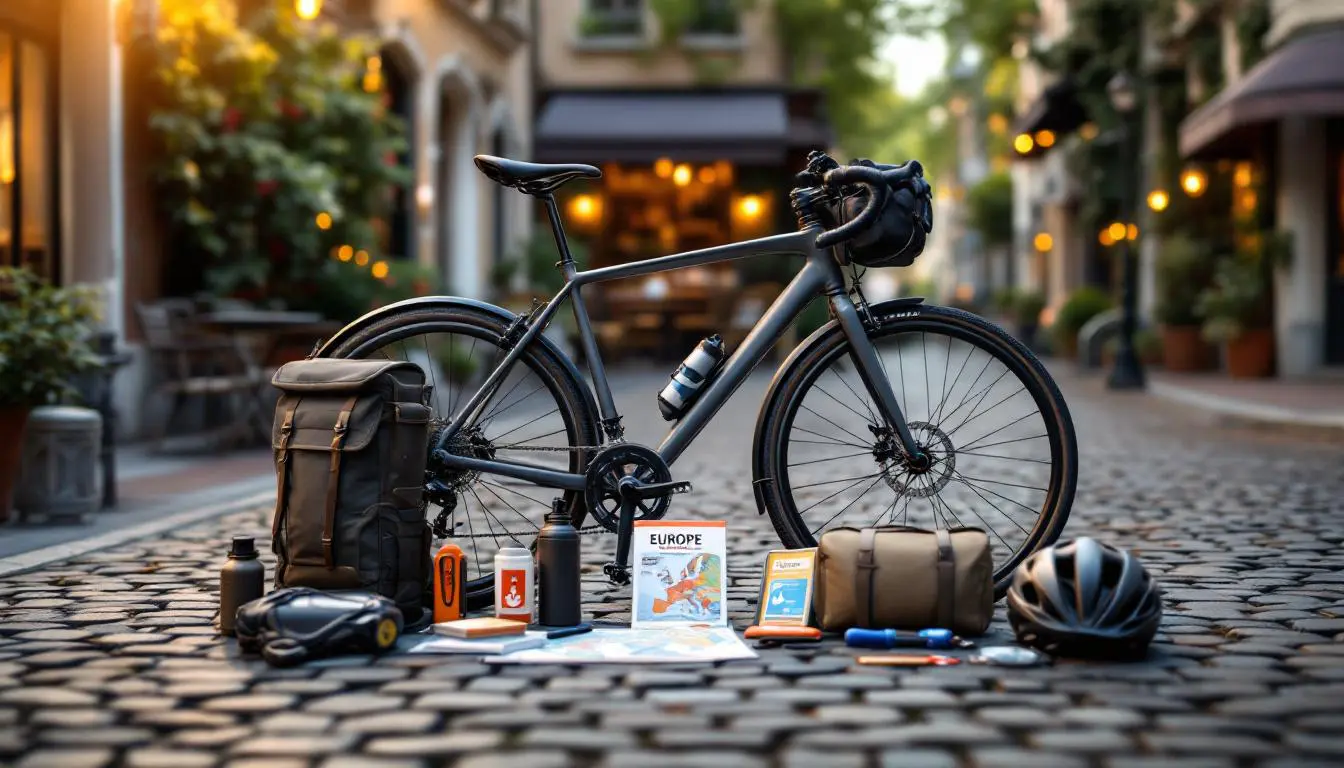
Biking in Europe is an exhilarating adventure that offers a unique way to explore diverse landscapes and cultures. However, to fully enjoy this experience, being well-prepared is crucial. Here is a set of invaluable tips and advice for ensuring a successful biking trip across the old continent.
Necessary Documents
Before you leave, make sure to properly prepare all your documents. A valid passport is essential for crossing borders. Additionally, inform yourself about each country’s regulations regarding insurance and identification documents. A European Health Insurance Card or a GHIC card can be wise to have in case of medical needs.
Physical and Mental Preparation
Good physical preparation is essential. Train in advance to acclimate your body to prolonged effort. Don’t forget about your mindset; a biking trip can be tiring and sometimes unpredictable. Stay positive and flexible in the face of unexpected events!
Choosing the Route
Choose a route that fits your level. The website France Vélo Tourisme offers advice and route suggestions across Europe. Also, check the bike paths and routes suitable for cycling in each country.
Essential Equipment
Having the right equipment can make a difference. Ensure your bike is in good condition, pack essential spare parts, and a repair kit. Don’t forget weather-appropriate clothing, and safety items like a good helmet.
Respect Local Rules
Each country has its own traffic rules and cycling regulations. Familiarize yourself with these, whether they are speed limits or the use of bike lanes. Always respect the local regulations to ensure your safety and that of other road users.
Planning Funds and Payments
Bring enough money for your expenses or payment cards accepted in the countries you traverse. Also, check in advance the options for cash withdrawal and payment in each region to avoid issues.
Communicate and Seek Help
In an increasingly connected world, it is important to be able to communicate. Have a local SIM card or a means to stay connected to request help or information if needed. Learning a few words in the local language can also enhance your experience.
Finally, don’t forget to relax and enjoy the views! Biking is a wonderful way to explore Europe in a more intimate and enriching manner.
For more information on preparing your biking trip, check resources like EuroVelo and other blogs such as Big Ben Motorcycle.
| Item | Description |
|---|---|
| Passport validity | Ensure it is valid for at least three months after your return date. |
| Insurance | Get insurance covering injuries and bike theft. |
| Driving licenses | Not required if traveling only by bike. |
| Safety equipment | Wear a helmet, reflective vest, and front/rear lights. |
| Maps and GPS | Always have a physical map or a navigation app accessible. |
| Tools | Bring a repair kit, wrenches, and air pumps. |
| Local restrictions | Inform yourself about the legislation concerning bike lanes. |
| Weather forecasts | Check conditions to avoid storms or extreme heat. |
| Accommodation | Book in advance, especially during peak tourist season. |
| Hydration | Keep a filled water bottle to avoid dehydration. |
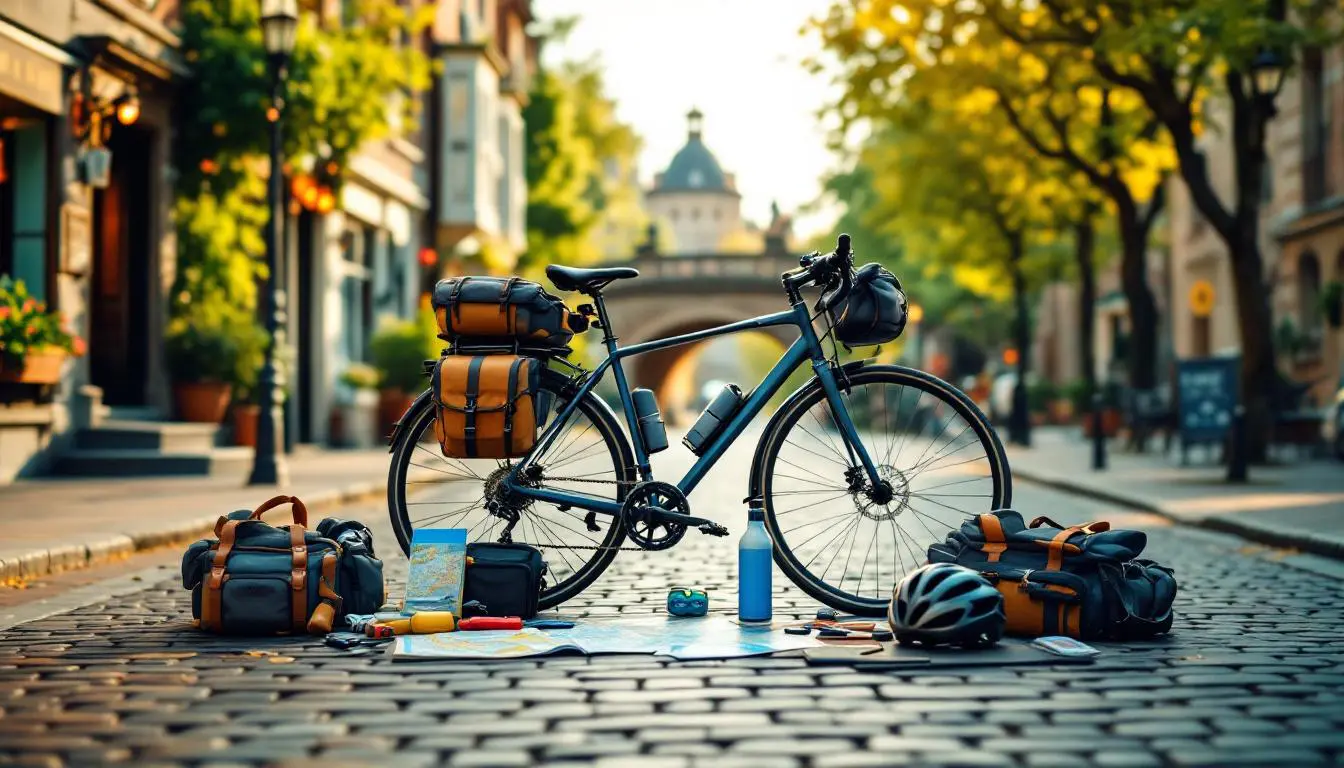
Testimonials on What You Need to Know to Bike in Europe: Your Essential List
Antoine, 27: “My first biking trip in Europe was an incredible adventure, but I wish I had a prepared checklist before leaving. It’s essential to check the validity of your passport, as sometimes these details can be overlooked in the excitement of planning. An expired passport can have disastrous consequences.”
Marie, 34: “One of the most important things is to properly prepare your bike. I learned the hard way that it’s better to have a repair kit and some essential tools. A simple flat tire can turn a beautiful biking day into a real hassle if you’re not prepared.”
Luc, 45: “The necessary documentation is crucial. I’ve traveled to several countries, and each country has its own requirements, such as the identity card or insurance documents. I wish I had received a warning about this before leaving. It’s also useful to keep a paper copy of these documents just in case.”
Sophie, 29: “Travel insurance was a neglected point for me on my first journey. Medical expenses abroad can add up quickly, so having adequate coverage is essential. It gave me peace of mind during my stay.”
Paul, 36: “A tip I discovered is the importance of reflective clothing and road safety. These elements may seem optional, but they are essential for being seen by other road users, especially in urban areas.”
Alice, 31: “Another fundamental point is to know the specific traffic rules of each country. I was surprised by some differences, such as the priority to the right in France, which requires particular attention. It’s always good to check before arriving!”
Thibaut, 40: “Lastly, I recommend keeping track of the days spent in the Schengen area. The stay rules can seem complicated, but it’s better to be cautious to avoid issues with the authorities.”
Biking through Europe is an exhilarating adventure filled with discoveries and breathtaking views. Whether you’re planning a short getaway or an extensive journey through several countries, good preparation is essential. This article offers you a list of indispensable elements to consider for a worry-free biking trip.
Documents and Regulations
Before departing, check that you have all the necessary documents. This includes your passport, which must be valid and meet the requirements of each country crossed. Additionally, ensure you have a biking license if required in certain regions.
Insurance
A travel insurance is essential to cover any incidents, whether accidents or health problems. Make sure to choose coverage that includes cycling activities and travel abroad.
Essential Equipment
The choice of equipment is crucial for a successful biking trip. The bikes you use must be in good condition. Before you leave, perform a complete check: brakes, tires, lights, and transmission should be inspected. Also, remember to pack spare parts, such as tubes and basic tools.
Clothing and Accessories
Wearing the appropriate clothing is paramount. Bring breathable, waterproof clothes suited to the weather. Don’t forget a helmet, gloves, and sunglasses. Protect yourself from the sun and weather with sunscreen and a raincoat.
Safety and Road Regulations
Familiarize yourself with the traffic rules of each country. Some European countries, like the Netherlands, are very cyclist-friendly, while others may have stricter regulations. Taking the time to understand these differences can prevent misunderstandings.
Signaling and Behavior
Stay attentive to road signals and respect traffic rules. When riding, signal your intentions with your hands. Avoid biking on sidewalks and ensure you use bike paths where available.
Itinerary Planning
Before your departure, plan your itinerary. Use applications or maps dedicated to cycling to identify the best routes. Research the difficulty levels and safety of the paths to choose those that match your level.
Accommodation and Logistics
Book your accommodation in advance, especially during peak season. Many hotels and hostels welcome cyclists and offer suitable services. Also, consider bringing small supplies of food and water for longer rides, especially if stops may be rare.
Physical Preparation
Physical preparation is also essential for a successful trip. Train regularly before your departure and get your body used to long distances. This preparation will help avoid fatigue and injuries throughout your journey. Biking is a demanding activity that requires good physical condition to fully enjoy your adventure across Europe.
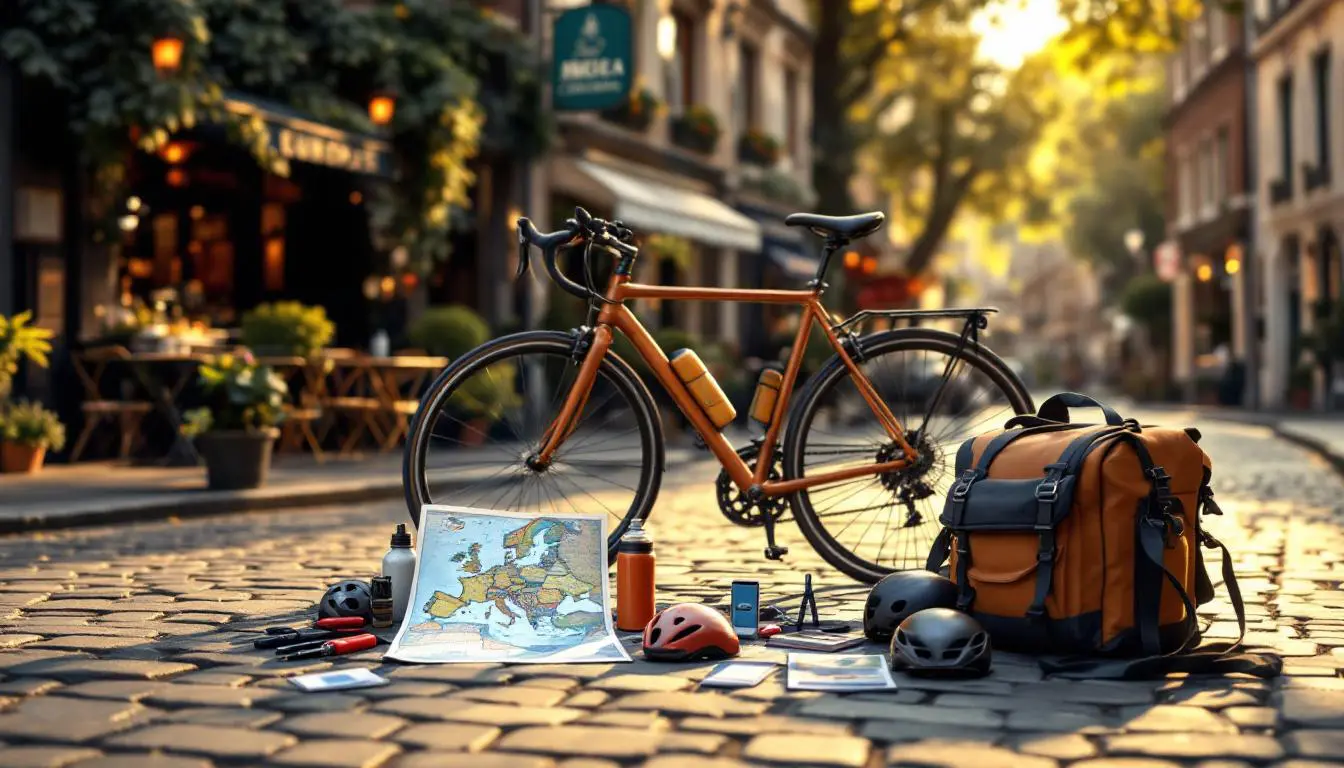
When planning a biking trip in Europe, it is crucial to prepare accordingly to ensure a successful and enjoyable experience. To do this, a checklist is indispensable. Before you hit the road, make sure your passport is valid and that you have all the necessary documents to cross borders. Depending on your destination, specific rules may apply, such as the need for an international driving license if your original license is not sufficient.
Moreover, don’t forget to check the condition of your bike. Ensure it is in good working order and bring repair tools, like a tool kit and a flat-tire kit. It may also be wise to prepare essential spare parts as well as safety equipment, such as a helmet and reflective vests for better visibility.
Regarding legal aspects, it is important to research the traffic rules in each country. Some destinations require specific equipment and may have laws that differ from what you are used to. For example, having a safety vest on hand may be required in case of emergency.
Finally, don’t forget to purchase travel insurance that covers accidents or the loss of your equipment during your adventure. By specifying details such as the duration of your stay and your destinations, you can ensure a worry-free travel experience. Each element of this list allows you to explore the European roads with confidence, ready to make the most of your biking journey.
A: It is essential to have a valid passport, as well as insurance documents for your bike. Make sure to have a photocopy of these documents in case of need.
Q: Are specific equipment required to bike in Europe?
A: Yes, it is often required to wear a helmet and have reflective clothing, especially in urban or low-emission zones.
Q: What type of insurance is recommended for cyclists in Europe?
A: A travel insurance that covers accidents and theft is recommended, as well as liability insurance.
Q: What are the speed regulations that must be respected while biking?
A: Speed limits vary by country, but generally, it is important to adhere to the speed limits indicated for cyclists, which may differ from those of motor vehicles.
Q: Must cyclists carry equipment in case of breakdown?
A: Yes, it is recommended to have a repair kit, including basic tools and spare parts like tubes, to handle potential breakdowns.
Q: Is there a maximum length of stay to be respected in European countries?
A: Generally, citizens of certain countries must respect a maximum stay of 90 days in the Schengen area every 180 days.
Q: What are the bike paths like in Europe?
A: The quality and accessibility of bike paths vary from country to country, but many European countries are investing in cycling infrastructures aimed at improving safety.
Q: What health precautions should be taken before biking?
A: It is advisable to have a European Health Insurance Card and to check the specific health requirements of the countries you plan to visit.


