
IN SHORT
|
The electrical system of your motorcycle is an essential element that ensures its proper functioning. Understanding this complex system involves knowing the various circuits that comprise it, such as those related to the battery, the ignition, and the starter. This knowledge will help you identify and resolve common electrical failures as well as ensure optimal maintenance of your two-wheeler. Let’s explore together how this system works and how to take care of it.
The electrical system of a motorcycle is crucial for its proper functioning. It consists of several electrical circuits that provide power and ensure the operation of various functionalities such as starting and lighting. This article will help you understand how this system works and evaluate its advantages and disadvantages.
Advantages
One of the main advantages of a good electrical system is that it facilitates safe riding. Indeed, the electrical circuits manage functions such as ignition, the starter, and lighting. If these systems work correctly, they ensure not only reliable starting of your motorcycle but also better visibility on the road, especially in low-light conditions.
Another strong point lies in the ability to easily diagnose electrical failures thanks to clear steps. Tools and guides are available to help you identify potential issues such as failing batteries, blown fuses, or alternator problems. For example, you can find illustrated tips here to assist you in performing an effective check.
Disadvantages
Despite its advantages, the electrical system of your motorcycle can also have drawbacks. First, electrical failures can occur unexpectedly and cause unforeseen stops, which can be frustrating, especially if you are on a long journey. Identifying a malfunction can be complex for those who are unfamiliar with mechanics.
Moreover, the cost of maintenance related to electrical systems can be high, especially when components like the stator or rotor need to be replaced. In some cases, analyzing motorcycle and scooter brands with the highest repair costs can be useful for anticipating these expenses. To learn more, check out this article here.
Finally, for those considering switching to electric motorcycles, it is essential to understand that their technology also presents specific challenges. The operation of these motorcycles relies on distinct principles that require adaptation. For more information on the subject, visit this comprehensive guide on electric motorcycles.
The electrical system of your motorcycle is a crucial element for its proper functioning. From the battery to the ignition circuit, each component plays a vital role in ensuring a safe and smooth ride. In this article, we will explore the different parts of your motorcycle’s electrical system, how they work together, and tips for diagnosing potential problems.
Components of the electrical system
The electrical system of your motorcycle consists of several interlinked electrical circuits. The main elements include:
1. The battery
The battery is the heart of the electrical system. It stores the energy needed to start the engine and powers other electrical components. A well-maintained battery is essential to avoiding unexpected breakdowns.
2. The starter
The starter allows for launching the engine. By activating the starter, battery electricity is sent to the engine, turning it over and thus starting the combustion process.
3. The ignition circuit
The ignition circuit triggers the spark necessary to ignite the air-fuel mixture. It consists of the ignition coil, spark plugs, and various sensors that control the ignition timing.
4. The charging circuit
The charging circuit ensures that the battery is recharged while the engine is running. It uses an alternator and a voltage regulator to maintain an optimal level of charge.
Diagnosing electrical failures
Electrical failures can cause significant inconveniences. To perform an effective diagnosis, it is recommended to:
1. Check the battery
Start by checking the battery for any anomalies, such as dirty terminals or excessive discharge. If you find that the battery is no longer functioning, it may need to be replaced.
2. Inspect the ignition system
A ignition problem can affect the engine’s proper functioning. Ensure that the spark plugs are in good condition and that the connection system is working correctly.
3. Analyze the charging circuit
To check if the charging circuit operates correctly, measure the battery voltage with a voltmeter while the engine is running. A voltage that is too low could indicate a malfunction of the alternator.
To deepen your understanding of the electrical aspects of your motorcycle, you can consult useful guides such as Motorcycle Electrics 101 or the guide on diagnosing electrical failures.
Maintaining the electrical system
Regular maintenance of your electrical system can prevent many problems. It is advisable to:
1. Clean the battery terminals
Keep the battery terminals clean to avoid any obstruction of electricity flow.
2. Regularly test the charging circuit
Perform regular tests to ensure that the charging circuit is functioning correctly and that your battery remains well charged.
3. Replace worn parts
Replace failing components, such as spark plugs or the regulator, as soon as you notice signs of wear.
To learn more about maintaining your motorcycle, check out the basics of motorcycle maintenance.
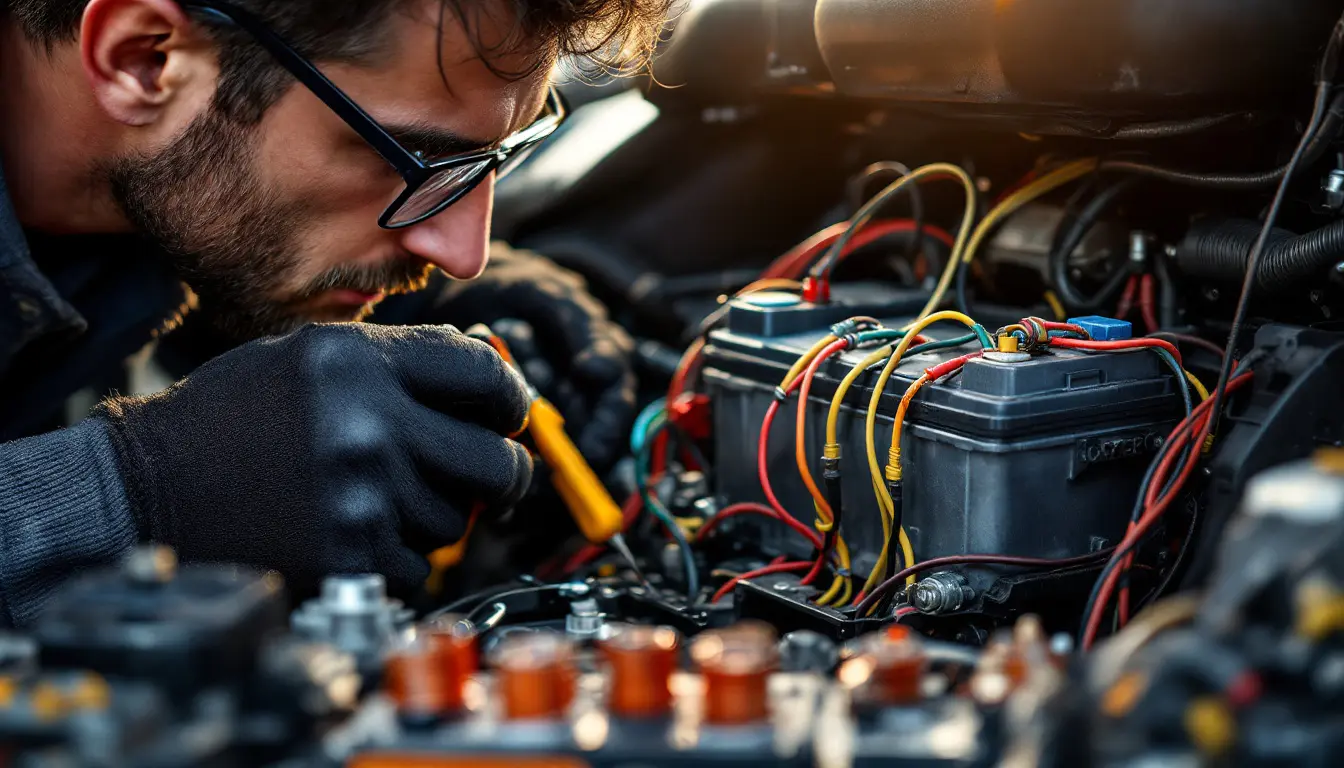
The electrical system of a motorcycle is essential for its optimal functioning. It consists of several interlinked electrical circuits that provide power to different components, such as the engine, lighting, and safety systems. Having a good understanding of this system allows you to identify potential problems and perform necessary repairs to ensure safe riding.
Essential components of the electrical system
The electrical circuit of your motorcycle includes key elements like the battery, the starter, the ignition system, fuses, and the alternator. Each of these components plays a crucial role in the proper functioning of the motorcycle. For example, the battery stores the energy needed for starting and powering electrical systems when the engine is off.
The charging circuit
The charging circuit is a fundamental component of your motorcycle. It is responsible for recharging the battery while the engine is running, ensuring that it remains charged for future starts. Regular maintenance of this circuit can prevent unexpected breakdowns and ensure that your motorcycle operates reliably.
Diagnosing electrical failures
When you encounter electrical problems, it is vital to know how to diagnose them. Start with simple checks, such as the condition of the battery, the continuity of connections, and the integrity of fuses. Illustrated tips and detailed steps can guide you through this process and help eliminate common errors.
Electric motorcycles and their operation
Electric motorcycles operate somewhat differently from gasoline motorcycles. In an electric motor, a magnetic field is generated, exciting the rotor inside the stator. Understanding the operation of these components will help you better grasp the specifics of your electric motorcycle and maximize its range and performance.
Supplementary resources for your motorcycle
To deepen your knowledge of your motorcycle’s electrical system, resources like this link will provide useful information on diagnosing failures. You can also check this guide to discover how to effectively maintain your motorcycle.
Comparison of Motorcycle Electrical Components
| Component | Functionality |
| Battery | Stores energy to start the engine and power accessories. |
| Starter | Allows starting the engine by providing necessary power. |
| Alternator | Regenerates energy during riding to recharge the battery. |
| Fuses | Protect electrical circuits by preventing overloads. |
| Voltage regulator | Maintains a stable voltage to prevent damage to components. |
| Collector | Transfers electric energy to the engine and other components. |
| Ignition system | Triggers the air-fuel mixture to start the engine. |
| Wiring | Connects all electrical components and ensures the flow of electricity. |
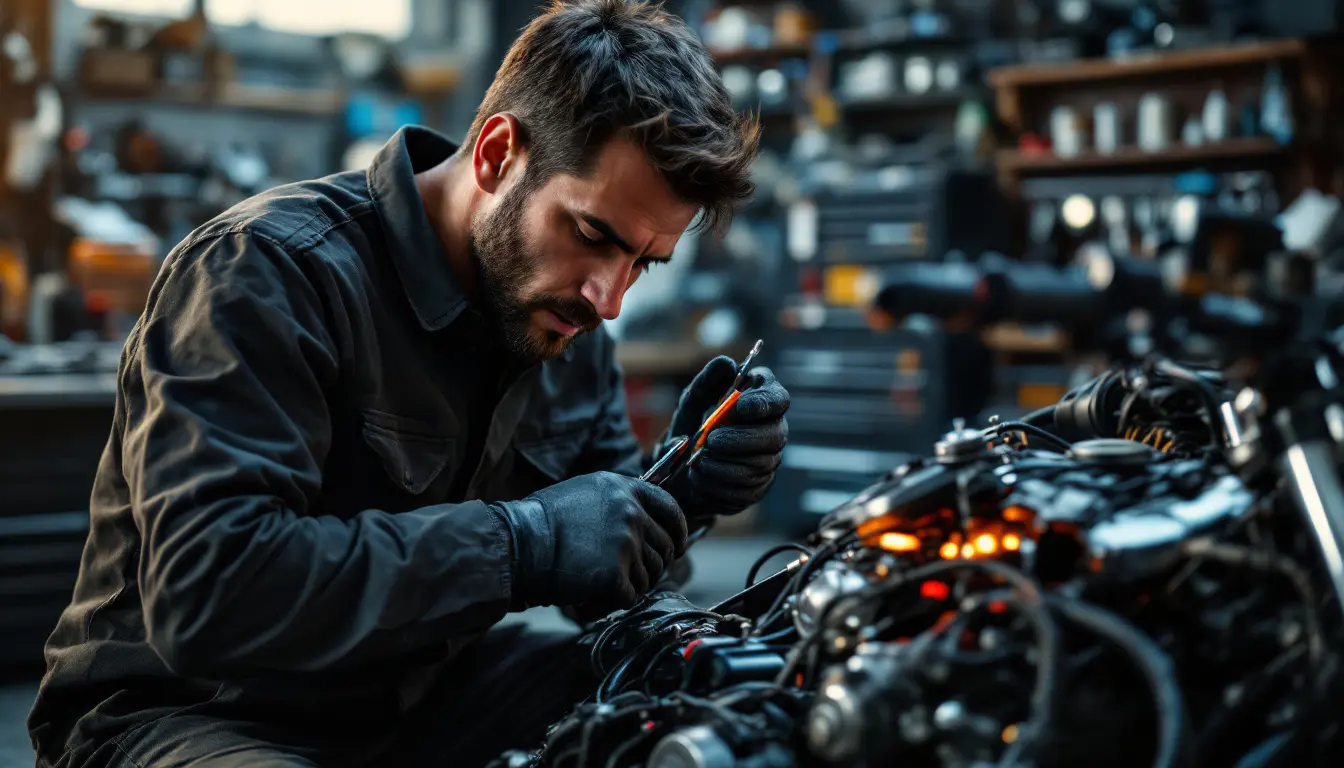
I remember my early days in mechanics when I encountered my first electrical issues on my motorcycle. It was frustrating not knowing where the fault was. By learning to understand the functioning of electrical circuits, I was able to diagnose issues like a drained battery or a failing starter. Today, I feel much more confident when I deal with the electrical side of my motorcycle.
The first time I had to replace a fuse, I had no idea what I was doing. Thanks to an illustrated guide I found, I was able to follow the steps easily. This allowed me to locate the problem and avoid many costly visits to the mechanic. Understanding electrical circuits is essential for anyone wishing to avoid unnecessary expenses.
While disassembling the engine of my electric motorcycle, I discovered that the stator and the rotor played a crucial role in the overall functioning. By learning to work with these parts, I not only gained skill but also managed to improve the performance of my two-wheeler. It’s incredible to see how a proper amount of electricity can transform your riding experience.
A friend of mine recently encountered an electrical failure during a road trip. By referring to a simplified electrical diagram, he was able to diagnose that the charging circuit of his motorcycle was at fault. This allowed him to quickly repair his bike and continue his adventure. This kind of knowledge is invaluable for all motorcycle riders.
Introduction to the electrical system of your motorcycle
The electrical system of a motorcycle is a complex set of circuits and components that ensure the vehicle functions properly. Understanding this system is essential for any rider wanting to guarantee safe driving and avoid frequent breakdowns. In this article, we will explore the key elements of the electrical circuit, diagnostic and maintenance methods, as well as the importance of the battery and the charging circuit.
The electrical circuits of the motorcycle
The electrical system of a motorcycle is divided into several circuits, each serving a specific role. These circuits include ignition, the charging circuit, and electronic equipment such as headlights and indicators. Each motorcycle must have a functional electrical system to be approved. It is therefore important to fully understand their operation to quickly detect any anomalies.
The ignition circuit
The ignition circuit is responsible for generating the spark needed to start the engine. It includes elements such as the spark plug, winding, and ignition box. A malfunction in this circuit can cause difficulties in starting or a loss of power. Regularly checking these components is recommended to prevent failures.
The charging circuit
The charging circuit maintains the battery of your motorcycle charged. It consists of the alternator, voltage regulator, and the battery itself. By checking the state of this circuit, you can prevent starting problems and ensure the proper functioning of electrical systems. Regular diagnostics are therefore essential to avoid failures.
Diagnosing electrical failures
When an electrical failure occurs, it is essential to perform an accurate diagnosis. Start by checking the most basic components such as the battery, starter, and fuses. Also, check the alternator and charging voltage. The symptoms of a failure may vary: starting issues, dim or flashing lights may indicate a problem in the electrical circuit.
How to find and eliminate errors
To identify a failure, it is helpful to use a multimeter to measure voltage at different points in the circuit. This will allow you to precisely locate the source of the issue. Follow these steps: check the battery to ensure it is sufficiently charged, check the connections and cables for any corrosion, then inspect components such as the starter and ignition.
Importance of regular maintenance
Regular maintenance of your motorcycle is not limited to mechanical aspects. It is also imperative to take care of the electrical system. Paying special attention to the battery and charging circuit can extend the life of these essential components. Don’t hesitate to consult your motorcycle’s manual for specific recommendations regarding electrical maintenance.
Practical tips
To keep your electrical system in good condition, keep the following tips in mind: regularly clean electrical connections, replace defective fuses in a timely manner, and check the battery’s condition before each ride. By being proactive in maintenance, you reduce the risks of unexpected failures on the road.
Training and additional knowledge
Finally, to enhance your understanding of your motorcycle’s electrical system, it may be beneficial to take training or consult specialized guides. These resources will help you better understand electrical components and perform more effective diagnostics, thus enhancing your motorcycle mechanics skills.

The electrical system of a motorcycle is essential for its operation, and it is divided into several electrical circuits that ensure the proper functioning of various components. Each element, whether it is the battery, the starter, the ignition, or the alternator, plays a crucial role. A thorough understanding of these elements allows for a better grasp of the potential causes of failures and the adoption of good maintenance practices.
Regularly assessing the functioning of these circuits can prevent many inconveniences. Symptoms such as difficult starting or lights that go out may indicate an electrical failure. By knowing the basics of detecting failures, it becomes easier to locate and resolve problems, thereby minimizing the risks of significant troubles during your trips.
Moreover, it is important to familiarize oneself with concepts like the charging circuit, which ensures the longevity of your battery, and the wiring harness, which connects different components together. Understanding their operation and interconnections is essential for any maintenance or repair intervention.
Finally, with the emergence of electric motorcycles, a new understanding of electric motors and how electricity powers the vehicle becomes essential. The rotor and stator, for example, play a fundamental role in this type of motor. By integrating this knowledge, you will make your riding experience safer and more enjoyable, and you will be able to carry out autonomous repairs when necessary.
FAQ: Understanding the electrical system of your motorcycle


