
IN BRIEF
|
Traveling by motorcycle is a unique experience that combines adventure, freedom, and discovery. For those embarking on this adventure for the first time, it is essential to prepare properly to get the most out of it. From the importance of choosing the right steed to the necessity of planning your route, every step counts for ensuring a successful road trip. Here are some practical tips that will help beginners navigate the roads calmly and fully enjoy their motorcycle journey.
Taking to the road on two wheels is an exhilarating adventure, especially for beginners. Traveling by motorcycle provides a unique experience that allows you to feel freedom like never before. However, it is essential to prepare adequately to avoid surprises. This article offers practical tips while weighing the advantages and disadvantages of a motorcycle road trip, to ensure a pleasant and safe journey.
Advantages
Freedom and Flexibility
One of the main advantages of traveling by motorcycle is undoubtedly the sense of freedom it brings. On a motorcycle, you can explore less-traveled roads and pass through breathtaking landscapes that cars cannot reach. In addition, you have the flexibility to change your routes at any time, making your trip truly unique.
Proximity to Nature
Traveling by motorcycle allows for total immersion in nature. The wind on your face, the smells of the countryside, and breathtaking panoramas, each moment becomes memorable. You can easily stop to admire a landscape or take photos, making each of these moments more precious.
Economy
The costs of fuel and maintaining a motorcycle can be lower than those of a car, making motorcycle travel a more economical option. Furthermore, many accommodations are available for motorcycle tourists, which can also reduce lodging costs.
Disadvantages
Weather Conditions
One of the major drawbacks of motorcycle travel is the dependence on weather conditions. Rain, wind, or very low temperatures can make your experience unpleasant and even dangerous. Therefore, it is important to invest in appropriate clothing to protect yourself, whatever the situation.
Limited Comfort
Unlike a car, comfort on a motorcycle can be limited, especially over long distances. The sitting position, although pleasant for short rides, can become uncomfortable after several hours. It is advisable to plan regular breaks, every two hours for example, to rest the body.
Safety
Safety is a crucial point to consider. Traveling by motorcycle carries risks, especially in the event of a collision with other vehicles. It is essential to train and know safety rules while riding. Don’t forget to respect safety equipment, such as helmets or gloves, and check the condition of your motorcycle before each departure.
For more information on preparing for your journeys, feel free to check online resources like here or on motorcycle apps that can help you plan suitable routes.
For thrill-seekers and explorers, traveling by motorcycle offers a unique experience. However, for beginners, it is crucial to prepare properly to fully enjoy this adventure. This guide presents practical tips for a successful road trip, tailored for those starting in the world of motorcycles.
Prepare Your Motorcycle
Before hitting the road, it is essential to ensure that your motorcycle is in perfect condition. Check the wear on your tires, especially the tread and the rubber. Thorough maintenance not only guarantees your safety but also enhances your riding experience. Also, remember to check all fluid levels (oil, gas, brake), and review the proper functioning of the brakes.
Plan Your Route
Good planning is the secret to a successful motorcycle trip. Use dedicated apps to establish a route that matches your pace and preferences. Avoid heavily trafficked roads and favor winding roads that allow you to appreciate the beauty of the landscapes. To explore the best options, check out sites like the most beautiful roads in Europe.
Adapt Your Equipment
For a comfortable road trip, choosing the right gear is crucial. Invest in a good helmet, protective gloves, and clothing suitable for weather conditions. Don’t underestimate the importance of a good pair of boots and waterproof clothing. Ensure you also have a first aid kit within reach.
Listen to Your Body
Fatigue can quickly accumulate on long trips. Plan regular breaks to stretch your legs and hydrate. A stop every two hours is recommended to stay alert. Pay attention to your limits, and do not push yourself if you feel tired.
Travel Light
Learn to travel light to avoid overloading your motorcycle. Bring only the essentials and learn to pack your bags efficiently. A balanced distribution of weight is essential for the vehicle’s stability. Traveling light will also make it easier for you to move around when stopping.
Safety First
Finally, safety is paramount when traveling by motorcycle. Familiarize yourself with the traffic rules of the countries you will traverse and ensure that your insurance is suitable for traveling abroad. For more advice on insurance, visit this site.
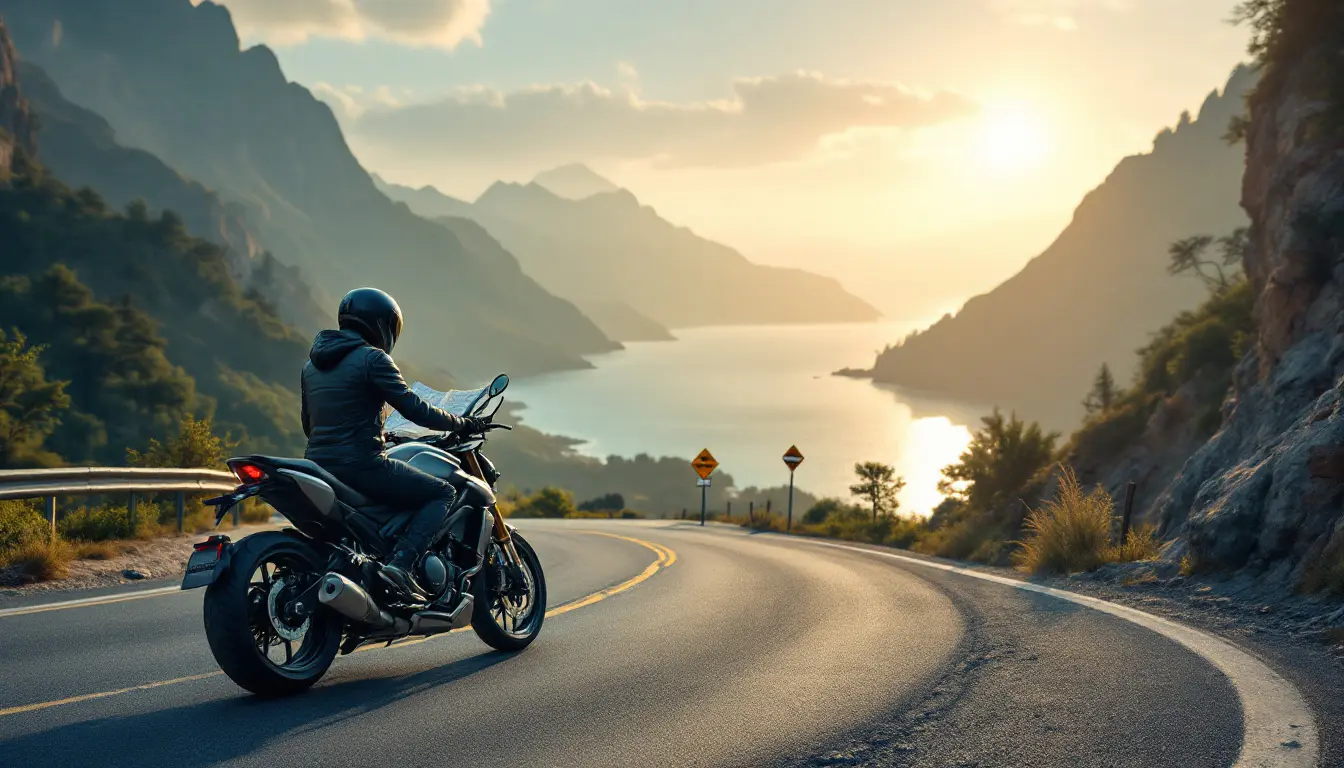
Taking the road by motorcycle can be an unforgettable experience. Whether you are considering a short trip or a long journey, some tips and tricks will help you maximize your enjoyment while minimizing risks. Here are some key points to consider before you hit the gas.
Prepare Your Motorcycle
Before you leave, it is essential to ensure that your vehicle is in perfect condition. Check tire wear, brake operation, and oil level. Taking a few days to prepare your motorcycle is wiser than doing everything at the last minute. This will allow you to leave with peace of mind.
Plan Your Route
A good itinerary is crucial for a successful journey. Study the map, spot the scenic routes and potential stops. Make sure to choose roads suitable for your skill level. Dedicated motorcycle travel apps can help you plan your route effectively.
Balance Your Loads
For safe trips, it is important to load your luggage evenly. This ensures good stability of your motorcycle. Carefully fill your saddlebags and avoid overloading your vehicle. Traveling light is often the best option.
Take Regular Breaks
Fatigue can build up quickly on long trips. Plan stops every two hours to rest and stretch your legs. This will help you stay focused and drive safely, even on long days on the road.
Equip Yourself Properly
Always wear appropriate safety gear. A helmet, gloves, and protective clothing are not just accessories, but essential elements for your safety. Investing in quality gear can make a difference in the event of an incident.
Be Informed About Regulations
Each country has its own regulations regarding motorcycle riding. Familiarize yourself with local traffic rules before you depart. Also ensure you have the necessary insurance to avoid any unpleasant surprises.
Choose Good Roads
Scenic roads offer a unique riding experience. In France and throughout Europe, there are beautiful routes suitable for motorcyclists. Check online resources to discover the best routes to travel, making your trip even more memorable.
For more practical advice on preparing your motorcycle trip, feel free to check dedicated guides and articles that will accompany you on the way to adventure.
Essential Tips for Beginner Motorcyclists
| Tips | Details |
| Choose the right motorcycle | Opt for a lightweight, manageable model, ideal for novices. |
| Safety gear | Always wear a helmet, gloves, and appropriate clothing. |
| Take lessons | Enroll in a training course to master the basics of riding. |
| Plan your trips | Map out your itinerary in advance to avoid surprises. |
| Take breaks | Stop regularly to avoid fatigue. |
| Know your level | Assess your skills and don’t push your limits. |
| Check the motorcycle | Before each outing, check tire pressure, brakes, and oil level. |
| Anticipate | Stay alert and anticipate the behavior of other road users. |
| Respect the weather | Do not set out in bad weather; safety first. |
| Proper insurance | Choose coverage suitable for your motorcycle riding. |
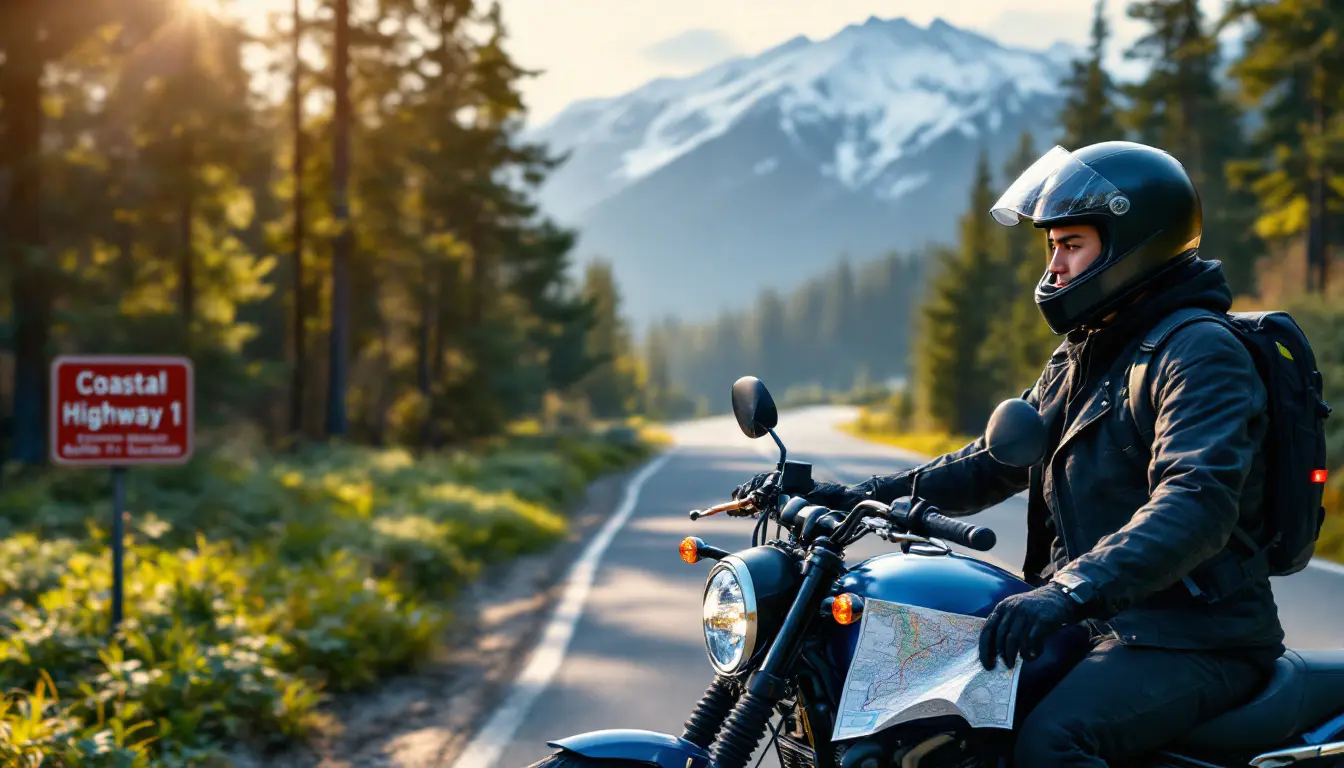
Testimonials: Traveling by Motorcycle – Tips for Beginners
For me, traveling by motorcycle was a revelation. Before my first road trip, I was a bit nervous. I was afraid I wouldn’t know how to handle my steed over long distances. My friends advised me to do a little check on my motorcycle a few days before departure. So I took the time to check the tires, the oil, and the brakes. It reassured me to leave knowing that my motorcycle was ready.
Another tip I discovered is to properly plan your route. I used apps that allowed me to visualize the most beautiful roads to take. I also took into account my personal limits in terms of fatigue, in order to choose stages suited to my abilities. I quickly understood the importance of not exceeding two hours of riding without a break, which allowed me to stay alert and enjoy every stop to admire the scenery.
Moreover, I learned that weight management is crucial. In the beginning, I had a tendency to pack my bag as if I was going on vacation, but I realized that I needed to travel light. By optimizing my equipment and bringing only the essentials, I felt a significant difference on the road. It was during this experience that I learned the value of an ideal balance on my motorcycle.
For those who are still hesitant, I highly recommend joining motorcycle clubs. I met enthusiasts who gave me excellent advice, and group rides are a great way to learn and share experiences. Every piece of advice I received was valuable and helped me gain more confidence on the road.
Finally, choosing the right insurance is an aspect that should not be overlooked. I took the time to inform myself about the different options available before I left. It brought me essential peace of mind during my trips.
Embarking on the adventure of motorcycle travel is a rewarding experience, but it can also be a source of anxiety, especially for beginners. This article offers practical tips for beginners on motorcycle road trips to ensure a safe and enjoyable experience. From preparing your motorcycle to managing your fatigue, discover our recommendations for traveling with confidence.
Preparing Your Motorcycle
Before any departure, it is crucial to ensure that your motorcycle is in perfect condition. Take advantage of a thorough technical check a few days before the trip, not the day before. Check the state of your tires, brakes, and all fluids such as oil and coolant. These elements are essential for ensuring your safety on the road.
Check the Equipment
Make sure to carry essential gear. This includes a certified helmet, gloves, a suitable jacket and pants, and protective boots. Additionally, don’t forget to bring a repair kit for tires and a first aid kit. This could prove vital in case of an emergency.
Route Planning
Before taking to the road, good planning is indispensable. Establish a route that will allow you to discover varied landscapes while considering the distances to be covered each day. Select scenic roads, and feel free to take detours to enjoy the beauty of the regions you traverse.
Managing Breaks
To maintain your comfort throughout the trip, it is advisable to take a break every 1 to 2 hours. This will not only recharge your batteries but also respect the fatigue that you might accumulate over long distances. Use these breaks to stretch and hydrate.
Safety on the Road
Safety is paramount when riding a motorcycle. Always stay vigilant of other road users and anticipate risky situations. Avoid reckless behaviors, such as uncontrolled overtaking, and respect speed limits.
Weather Conditions
Before you leave, check the weather for the duration of your trip and adjust your itinerary accordingly. Weather conditions can greatly influence your journey. In case of rain or storms, it may be better to reduce speed or take a break until conditions improve.
Travel Light
Rooted in the philosophy of traveling light, it is essential not to overload your motorcycle. Limit yourself to necessary equipment and clothing. A good balance of loads contributes to better maneuverability of your machine and reduces ergonomic fatigue.
Packing Your Luggage
Use suitable storage bags to maintain balance. Place heavy items at the bottom and center of your motorcycle to avoid imbalances. Consider the accessibility of certain items like water or the first aid kit, which should be easily reachable.
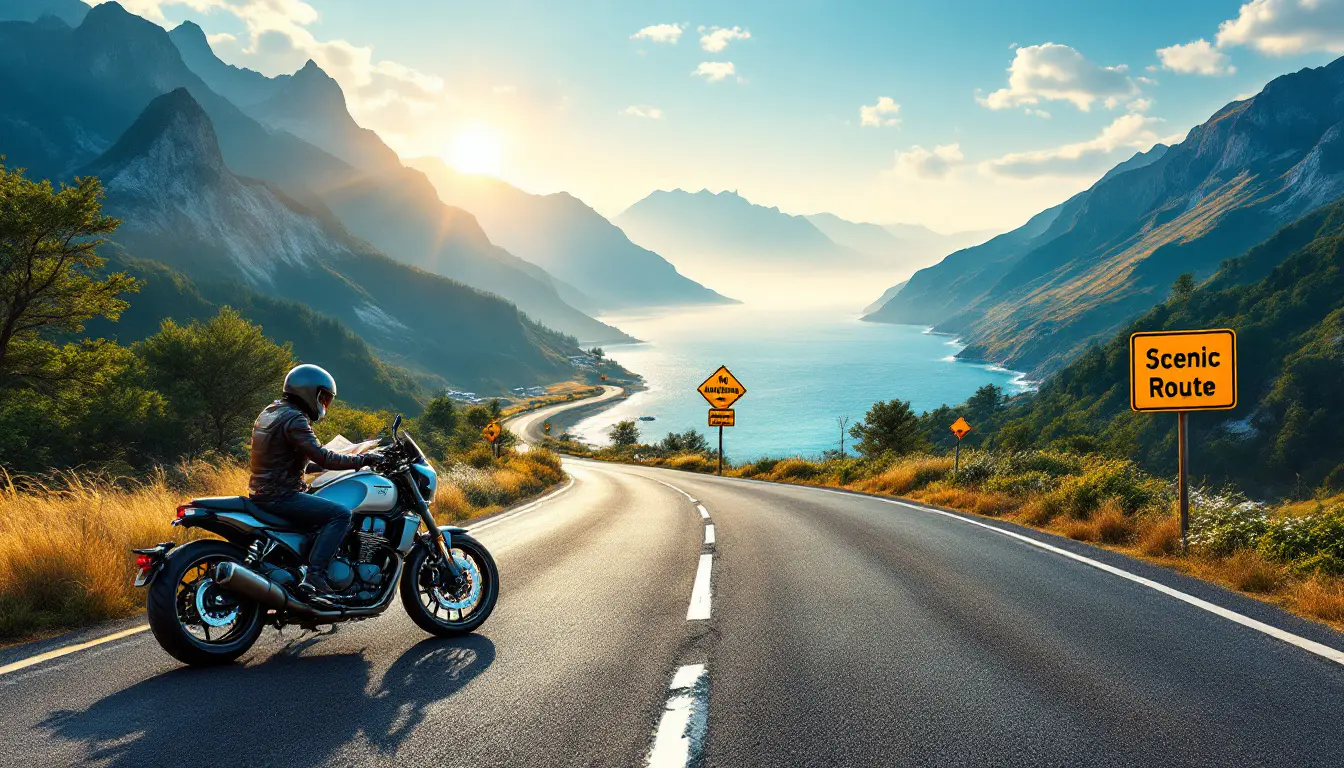
Starting on the adventure of motorcycle travel can be a rewarding experience, but it also requires adequate preparation. For beginners, it is essential to choose the right steed. Opt for a motorcycle suitable for your size, comfort, and riding experience. A bike that is too powerful can quickly become hard to manage for a novice. Take time to familiarize yourself with your vehicle before heading out on a long ride.
Another essential step in preparing for your road trip is developing an itinerary. Don’t leave blindly, but seek to explore scenic roads and landscapes that excite you to be in the saddle. Long trips can be exhausting, so be sure to incorporate breaks to recharge. A stop every two hours is recommended to stretch and rest your back.
Safety should always be your top priority. Familiarize yourself with the traffic rules in the regions you will traverse and always wear protective gear such as helmets, gloves, and durable clothing. This is an obligation, but it can also save your life in case of a fall. Also consider the maintenance of your motorcycle. Inspect your tires, brakes, and fluids a few days before departure to avoid unpleasant surprises on the road.
Lastly, travel light! Learn to optimize your luggage space. Use appropriate bags and prioritize only the essentials. Traveling by motorcycle offers an unmatched sense of freedom, but it requires some organization to ensure that every moment is a pleasure. Follow these tips, and your first motorcycle adventure will surely be a resounding success.
FAQ: Traveling by Motorcycle – Tips for Beginners
Q: What are the tips for starting with a motorcycle? To begin, it is essential to choose a motorcycle suited to your experience level. Take time to familiarize yourself with your two-wheeler before embarking on a long journey.
Q: What precautions should you take before leaving? Before setting off on the road, check your motorcycle’s condition, including tires, brakes, and lights. Do a test ride over short distances to feel the handling.
Q: How to manage breaks during the trip? During your rides, it is recommended to take a break every two hours to rest your muscles and stay alert at the controls.
Q: What must-have safety gear for a beginner motorcyclist? A good helmet, gloves, a reinforced jacket, and motorcycle boots are essential to ensure your safety on the road.
Q: How to prepare a route effectively? Plan your route in advance considering scenic roads and possible breaks. Navigation apps can facilitate this task.
Q: What to do in case of a breakdown on the road? Always have a basic tool kit and documentation about your motorcycle with you. Familiarize yourself with simple troubleshooting before you leave.
Q: What is the best way to travel light on a motorcycle? Use bags suited for your motorcycle, distribute weight evenly, and bring only the essentials to avoid overloading your two-wheeler.
Q: At what speed should I ride as a beginner? Observe speed limits and adjust your speed according to road conditions. Take your time and avoid putting yourself in danger.
Q: Is it better to travel alone or in a group? Traveling in a group can be encouraging for beginners, but make sure to ride with people of similar experience levels to ensure a pleasant and safe journey.


