
IN BRIEF
|
Road signage plays a crucial role in the safety of motorcyclists. It regulates traffic and informs road users of the rules to follow while on the road. Boards, markers, and road markings not only serve to warn of potential dangers but also guide drivers by providing clear indications on speed, turns, and priorities. By integrating these elements into their driving, motorcyclists significantly increase their level of safety and reduce the risk of accidents.
Road signage plays a crucial role in the safety of motorcyclists. Thanks to signage and road markings, drivers are informed about road conditions, potential dangers, and rules to follow. This article compares the advantages and disadvantages of signage for motorcyclists, in order to better understand its impact on road safety.
Advantages
First of all, road signage helps prevent accidents by alerting motorcyclists to potential dangers. Signs placed at an appropriate distance, such as speed limits or directional instructions, help drivers anticipate situations and adapt their driving accordingly. For example, when approaching an intersection or a dangerous turn, motorcyclists can take action to avoid a collision or a fall.
Next, a good signage system ensures better traffic flow. By following the signs, motorcyclists are more likely to ride at a safe speed, which helps reduce traffic congestion and improve circulation conditions. In addition, this contributes to the safety of not only motorcyclists but also other road users.
Finally, road signage has a positive effect on road safety awareness. By familiarizing motorcyclists with signs and rules, they are helped to become more responsible drivers and minimize risky behaviors. This fosters a safer and more enjoyable driving environment for everyone.
Disadvantages
Despite its many advantages, road signage also has some disadvantages. One of the main issues lies in the lack of visibility of certain signs, especially when they are located in high-traffic areas or under unfavorable weather conditions. This can lead to situations where motorcyclists do not see important information in time and risk having an accident.
Moreover, the complexity of certain signage can create confusion among motorcyclists, especially for novice drivers. Similar or closely placed signs can be misleading, which could harm the drivers’ responsiveness and quick decision-making.
Finally, although signage has been modernized over time, some roads may still have inconsistencies in the signs. Different signage styles between regions or even countries can disorient motorcyclists crossing these areas. This underscores the importance of regular updates and standardization of road signage to ensure the safety of all.
Road signage plays a crucial role in the safety of motorcyclists. It informs road users about the rules to follow, potential dangers, and directions to take. By respecting this signage, motorcycle riders can significantly reduce the risk of accidents and improve their safety on the road.
The different types of road signs
Road signs can be classified into several categories, each having a specific role. Warning signs alert motorcyclists to risky situations, such as sharp turns or construction zones. Mandatory signs, such as those requiring the use of a helmet, are essential to ensure safe driving. Finally, informational signs provide useful information, such as distances to nearby towns or directions to take.
The road markings and their meaning
In addition to signs, road markings also play a fundamental role in road signage. Boundary lines, directional arrows, and bike lanes inform road users on how to navigate. For motorcyclists, it is crucial to pay attention to these markings, especially when riding on wet or slippery roads, where they can easily cause falls.
Respecting speed limits
Speed limits are an essential component of road signage. By respecting these limits, motorcyclists can better control their speed and react to unforeseen events. Roads with speed limit signs are often more dangerous due to specific conditions, such as sharp turns or heavy traffic. Disregarding these limits can significantly increase the risk of accidents.
The safety trajectory
The safety trajectory is an aspect not to be neglected when it comes to motorcycle riding. By understanding signage and choosing the correct trajectory during maneuvers, motorcyclists are better prepared to avoid collisions, whether they are lateral or frontal with other vehicles. This can make a real difference in terms of protection and accident prevention.
Anticipating dangers and obstacles
Road signage helps not only to follow the rules but also allows motorcyclists to anticipate dangers on the road. Being attentive to warning signs and markings can signal potential obstacles, such as damaged roadways or dangerous turns. This anticipation plays a key role in safety and helps to prevent risky situations.
Mandatory protective equipment
In addition to signage, it is important to wear appropriate protective gear when riding a motorcycle. According to the Highway Code, items such as a certified helmet and gloves are essential to ensure the safety of the motorcyclist. Compliance with these requirements helps reduce injuries in the event of an accident.
Conclusion on the importance of signage
In conclusion, road signage is a vital element for the safety of motorcyclists. Respecting this signage, understanding road markings, and anticipating dangers are behaviors that should become reflexive. This not only ensures one’s own safety but that of other road users as well.
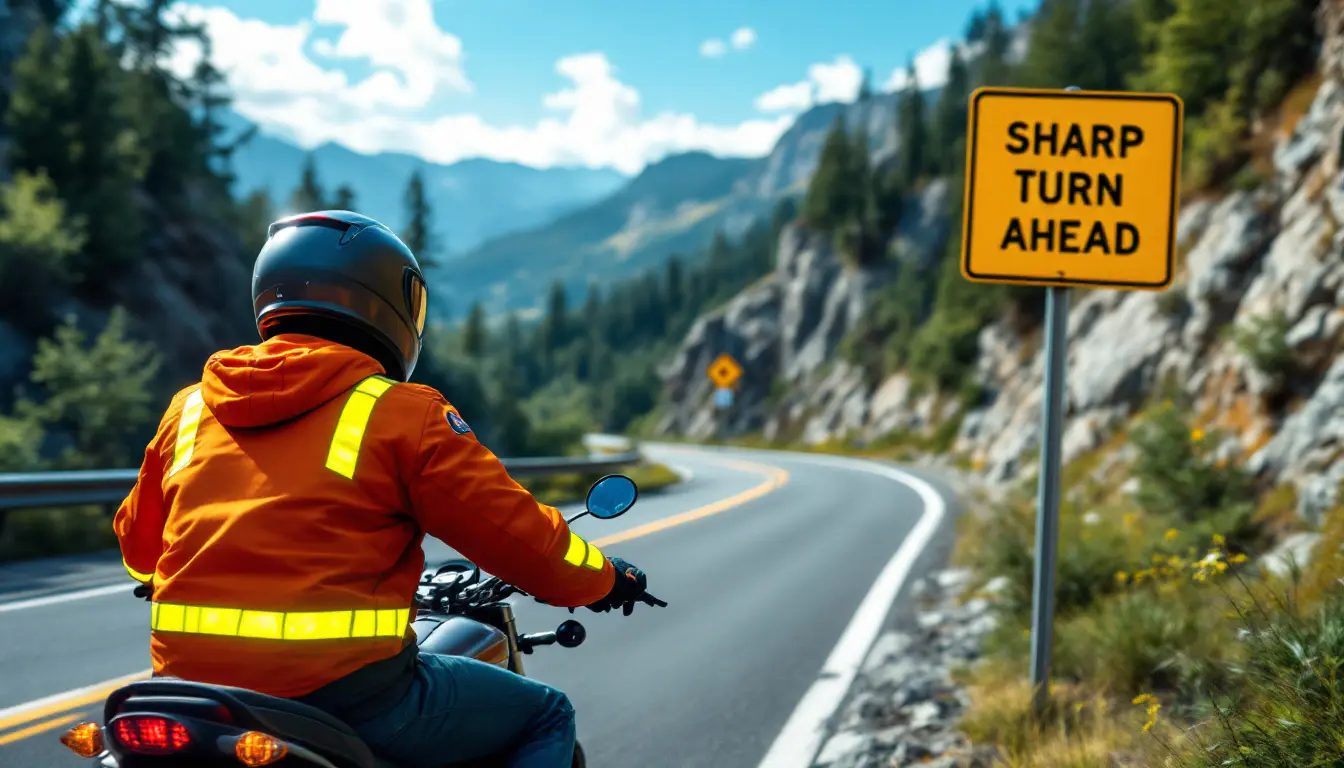
When riding a motorcycle, safety should always be a priority. Road signage plays a crucial role in this effort by informing motorcyclists of potential dangers, speed limits, and proper behaviors on the road. A good understanding of signs and road markings can significantly reduce the risk of accidents.
Road signs: an indispensable guide
Road signs are strategically placed along roads to warn users of dangers. For example, a “dangerous turn” sign warns motorcyclists of the need to slow down and adopt a safe trajectory. Furthermore, these signs are generally positioned at specific distances, allowing drivers to prepare for their approach: 150 meters outside towns and 50 meters in urban areas.
Speed limits and their impact on safety
Adhering to the displayed speed limits is essential for the safety of motorcyclists. Indeed, excessive speed increases the risk of losing control, especially in adverse weather conditions. Signage not only indicates maximum speeds but also informs of critical zones where reduced speeds are necessary, such as near schools or in residential areas.
The safety trajectory: a matter of life or death
Adopting a safety trajectory is a key element in avoiding collisions. By respecting signs and anticipating the movements of other road users, motorcyclists can avoid front or side accidents with other vehicles. Good visibility and constant attention allow for quick reactions to unforeseen events.
Road markings: a valuable tool for motorcyclists
Road markings, such as stop lines and merging arrows, guide motorcyclists in their driving. However, they can become slippery, especially in the rain, increasing the risk of accidents. Therefore, it is essential not to rely solely on these indications but to remain vigilant and ready to adjust one’s driving.
Preparing for the unexpected by incorporating signage
Signage is not limited to signs and markings. It also includes advice on motorcycle maintenance and technical checks. Before taking the road, it is crucial to ensure that the vehicle is in perfect condition, allowing one to focus on the potential dangers that may arise on the road. Learn about the necessary technical checks.
To improve your safety while riding, stay aware of the different signs present and adjust your driving accordingly. Education and awareness of these key elements can help reduce the number of accidents and ensure a safer riding experience.
| Comparison Axis | Description |
| Warning signs | Indicate upcoming dangers and allow the motorcyclist to prepare. |
| Speed limit | Helps regulate speed to avoid serious accidents, especially on winding roads. |
| Road markings | Facilitate maintaining the trajectory and prevent skidding. |
| Priority signals | Define the trajectories of different users and prevent collisions. |
| Increased visibility | Allows other users to better see the motorcyclist, thereby reducing accident risks. |
| Tuning indications | Informing of tight turns, essential for controlling the motorcycle. |
| Danger zones | Signal risk areas, fostering a more cautious driving style. |
Road signage plays a crucial role in accident prevention, especially for motorcyclists. A road user testified: “The signs and road markings guide me in my daily journeys. Without them, I would be lost and it would greatly increase the risks on the road.”
Another motorcyclist highlighted: “When I ride in unfamiliar areas, road signage allows me to anticipate dangers. Warning signs and directional indications are essential to avoid risky situations.”
A feedback from an experienced rider also shed light on the importance of signs: “As a motorcyclist, I must be particularly vigilant regarding signage. A simple sign indicating a sharp turn can literally save my life.”
Moreover, the regulations regarding signage were supported by a young driver: “Speed limits and danger indications are crucial, especially on winding roads. They help regulate traffic and ensure the safety of all users, especially motorcyclists.”
Finally, a motorcyclist shared his experience in bad weather: “The road signs remind me to be cautious, especially when it rains. Their presence provides me with clear reference points and encourages me to adjust my riding according to the conditions.”
Road signage plays a crucial role in the safety of motorcyclists. It guides drivers, indicates dangers, and regulates traffic to reduce accident risks. A good understanding and respect of signs and road markings are essential for ensuring safe driving on the roads. This article will highlight the importance of various signage elements and their impact on motorcycle safety.
Understanding road signage
Road signs are designed to inform road users about traffic rules and potential dangers. Each sign has a specific shape, color, and symbol that assigns it meaning. For motorcyclists, it is vital to quickly identify them to adjust their driving. For example, a stop or priority sign can determine whether a motorcyclist needs to slow down or stop completely, thus avoiding a potential collision.
Warning signs
Warning signs alert drivers to upcoming dangerous situations, such as sharp turns, construction zones, or intersections. Motorcyclists need to be particularly attentive to these signals, as their size and maneuverability can make them more vulnerable in these areas.
Regulatory signs
Regulatory signs, on the other hand, impose strict rules such as speed limits. Respecting these limits is essential to avoid accidents. An inappropriate speed can make it difficult to control the motorcycle, especially in unfavorable weather conditions or on slippery roads.
Road markings
In addition to signs, road markings also play a fundamental role in road signage. Continuous and dashed lines, directional arrows, and speed reduction stripes guide drivers while delineating traffic lanes. For motorcyclists, recognizing these markings is crucial as they help maintain a safe distance from other vehicles and avoid accidents during lane changes or overtakes.
The dangers of ignoring signage
Ignoring signs and road markings can have dramatic consequences for motorcyclists. A lack of alertness to a significant detail, such as a dangerous turn obscured by vegetation or a speed limit, can lead to perilous situations. Moreover, accidents caused by misinterpretation of signals often happen in high-traffic areas where concentration is essential.
The importance of prevention through signage
Prevention plays a key role in reducing motorcycle accidents. Governments and road authorities implement signage systems to inform users of potential risks. Signage should also be regularly maintained to remain visible and effective. Motorcyclists need to be particularly vigilant regarding this information to ensure their safety and that of others.
In summary, road signage is indispensable for the safety of motorcyclists. A good knowledge and constant attention to signs and road markings can significantly reduce the risk of accidents. Respecting these signage elements should be a priority for all road users.
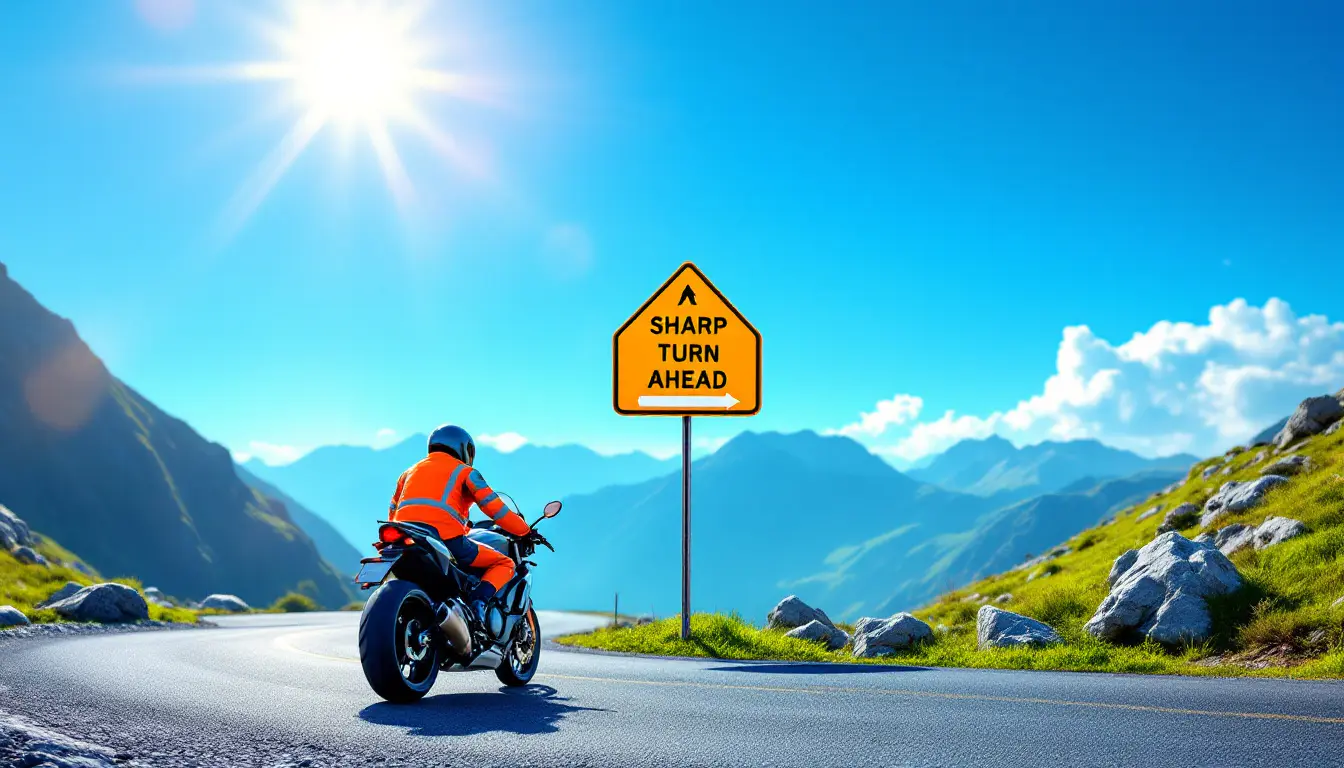
Road signage plays a crucial role in the safety of motorcyclists. Sign boards inform road users about upcoming dangers, speed limits, and rules to follow. This visual information helps motorcyclists anticipate and react appropriately to traffic situations. Indeed, accurate and visible signage is a determining factor that contributes to the safety of two-wheelers.
It is crucial for motorcyclists to be attentive to signage and know how to interpret each sign. For example, warnings about sharp turns or slippery areas are essential to avoid falls or collisions. With a proper understanding of signage, motorcyclists can adjust their driving and thus significantly reduce the risk of accidents.
Furthermore, the regularity and visibility of road signs help maintain coherence on the road. This regularity aids motorcyclists in feeling safer, as they can rely on familiar landmarks during their rides. Consequently, respecting road signage should be a priority for both motorcyclists and other road users.
Finally, the continuous improvement of road signage and its adaptation to the needs of motorcyclists, notably through specific markings and dedicated signs, represents a fundamental advance for the safety of all. By increasing efforts to make signage ever more effective and visible, we promote a harmonious and secure sharing of the road for all users.
- What is the main purpose of road signage?
- Road signs serve to regulate traffic and inform road users of potential dangers and rules to follow.
- How does signage contribute to the safety of motorcyclists?
- Good signage allows motorcyclists to make informed decisions by providing critical information about road conditions, the presence of dangers, and speed limits.
- What is the impact of signs placed at an adequate distance?
- Signs placed at appropriate distances, such as 150 meters before a hazard outside of towns, allow motorcyclists to anticipate and react in time, thus reducing the risk of accidents.
- What are the key elements of road signage to watch for?
- Motorcyclists should be attentive to road markings, directional arrows, and warning signs indicating dangerous turns or changes in traffic conditions.
- Why is it crucial to improve signage for motorcyclists?
- Improving signage has a positive effect on accident prevention, including the implementation of specific devices such as appropriate markings in turns.


