
IN BRIEF
|
The weather plays a crucial role in the maintenance of your motorcycle, influencing both the performance and the safety of your vehicle. Whether it is under the scorching summer sun, pouring rain, or the icy temperatures of winter, each weather condition requires specific adjustments to preserve your ride. It is essential to take these factors into account to ensure a pleasant ride and prolong the lifespan of your two-wheeler.
The weather plays a fundamental role in the maintenance of your motorcycle. Whether during periods of intense heat or in rainy conditions, the impact of the weather affects both riding and the longevity of your two-wheeler. It is essential to understand these influences to ensure the safety and performance of your vehicle.
Benefits
Some weather conditions can have beneficial effects on your motorcycle. For example, a mild and dry climate promotes better tire grip, which contributes to safer and more comfortable rides. Additionally, pleasant weather allows for easier detection of potential maintenance issues, such as oil leaks or brake wear. In these conditions, it is also more enjoyable to carry out regular checks and clean the motorcycle, which boosts the motivation to take care of your vehicle.
Disadvantages
On the other hand, harsh weather conditions can alter the performance of your motorcycle and require more frequent maintenance. Rain, for instance, can lead to accelerated wear of certain parts, such as brake pads and tires. Moreover, the presence of water can cause corrosion of metal components, making the motorcycle more vulnerable to future failures. To avoid these inconveniences, strict maintenance is recommended in such situations, especially by checking the condition of the seals, battery, and electrical cables, particularly in winter or rainy conditions.
In summary, even if the weather can offer undeniable advantages for riding comfort, it also exposes your motorcycle to various risks. Adapting maintenance according to weather conditions is crucial to ensure an optimal riding experience and prolong the life of your ride.
The weather plays an essential role in the maintenance of your motorcycle. Indeed, weather conditions can affect both your riding experience and the longevity of your vehicle. Whether basking in a blazing sun or getting soaked in rain, understanding how weather influences your motorcycle maintenance is crucial to ensuring its performance and your safety.
The effects of rain on your motorcycle
Riding in rain can have consequences for your two-wheeler. When it rains, water can seep into sensitive areas of your motorcycle, such as the electrical system and mechanical components. Moreover, traction is often reduced, requiring great caution on the road. If you are wondering whether rain can damage your motorcycle, it’s important to keep your vehicle clean and dry after rides in the rain to prevent rust or corrosion. For more information, check out this article: Will rain damage a motorcycle?
The cold and winter maintenance
Cold temperatures can affect many aspects of your motorcycle, including the battery and engine oil. It is important to adjust your riding habits and ensure your motorcycle is well-prepared for winter. Practices such as winterizing are essential to protect your vehicle when it is not ridden for an extended period. Make sure to check that all fluids are at the proper level, and consider replacing your oil with one appropriate for low temperatures. For more tips on how to prepare your motorcycle for winter, check this article on winter maintenance of motorcycles.
High temperatures and their influence
Riding in summer can be enjoyable, but excessive heat can also lead to problems. Motorcycles can overheat more quickly in these conditions, which can cause premature wear of components. Before hitting the road in hot weather, check the coolant levels and ensure your cooling system is functioning correctly. Additionally, consider protecting your motorcycle with specific products to keep it in good condition against the heat.
Wind and snow conditions
Wind and snow can make riding even more challenging. High winds can affect your handling and increase the risk of accidents by altering your stability. It is therefore important to adjust your riding accordingly. Snow and ice, for their part, require special attention: it is often better not to ride at all in such conditions to avoid accidents. For a better understanding of adapting your riding, visit this link on attitude and behavior on the bike.
Taking the weather into account is essential for ensuring the maintenance of your motorcycle. By adapting your care according to weather conditions, you will prolong the life of your vehicle and ensure your safety on the road. Take the time to check your essential elements and educate yourself on the appropriate tips for each season. You can also consult resources such as the directory of tips from the Mutuelle des Motards for more information on managing difficult weather conditions.

The weather plays a crucial role in the maintenance of your motorcycle. Depending on the weather conditions, the recommendations and maintenance practices may vary to ensure both your safety and that of your vehicle. Whether it is rain, cold, or summer heat, understanding how these elements influence the maintenance of your ride is essential.
Maintenance in case of rain
When riding in rain, it is important to regularly check the condition of your tires, as grip is often compromised. A motorcycle can also suffer damage due to moisture. Be sure to clean and thoroughly dry the components to prevent rust and other deterioration. Also, ensure that the brakes and lights are functioning perfectly, as visibility and traction can be affected.
Winter precautions
With the cold and the risk of ice, particular maintenance is necessary. It is crucial to check the battery level, which can discharge more quickly in cold weather. Additionally, good tire condition is essential to ensure safe riding. Don’t forget to protect your motorcycle from moisture and freezing by storing it in a suitable place or using a special cover.
Riding in summer: heat and maintenance
In summer, the heat can have a direct impact on the proper functioning of your motorcycle. It is advisable to monitor the level of coolant to avoid engine overheating. Also, remember to check the pressure of your tires, as this can vary with ambient temperature. Regular maintenance allows you to enjoy sunny days without worry.
Adapting maintenance according to weather conditions
Before hitting the road, check specialized weather sites for forecasts. This information will allow you to adjust your maintenance and your equipment, taking into account forecasts for rain, snow, or other extreme weather. This way, you’ll be better prepared and able to ride safely regardless of the weather conditions.
Useful references for exploring the topic
For more tips on how to manage the impact of weather on your motorcycle, check out sites like Big Ben Motorcycle or Motors Directory INFO. These resources will help you better understand and optimize the maintenance of your ride according to weather conditions.
Impact of the weather on your motorcycle maintenance
| Weather Conditions | Impact on maintenance |
| Rain | Can lead to rust and wear of certain parts. |
| Snow | Accumulation of salt on the motorcycle, requiring regular cleaning. |
| Cold | Risk of battery discharge, check the state frequently. |
| Heat | Can cause overheating, monitor the cooling system. |
| Strong wind | Can affect stability, check tires and their pressure. |
| Humidity | Can cause electrical problems, check connections. |
| Dry conditions | Less risk of corrosion, but be cautious of dust on filters. |
| Storms | Recommendation to not ride, check for potential damage afterward. |

When it comes time to care for your motorcycle, it is essential to consider the influence of the weather on its maintenance. For example, humid conditions can have consequences on the components of your two-wheeler. Water, mixed with dirt and salt from the roads, can cause rust and damage metal parts. Thus, after riding in the rain, meticulous cleaning is essential to preserve your vehicle’s integrity.
Moreover, the cold and humidity of winter require particular attention. Low temperatures can impact the battery level and reduce its efficiency. It is therefore advisable to regularly check the status of the battery and ensure it is well charged. Proper care can prevent breakdowns during your next ride.
Regarding rain, it is important to monitor the wear of the tires, as traction will be affected. Adapting your riding behavior in rainy conditions is essential to guarantee your safety. Thinking about tires suited for rainy weather and checking their pressure can greatly contribute to better grip on slippery surfaces.
Finally, when spring arrives and the snow melts, it is time to prepare your motorcycle for new adventures. Temperature changes can impact tire inflation and oil levels. Taking the time to check these elements after a cold season ensures a smooth return to riding.
The weather plays a crucial role in the maintenance of your motorcycle, influencing not only the performance of your vehicle but also its longevity. Whether it is summer with the heat, or winter with cold and humidity, it is essential to adapt to weather conditions to ensure a safe and enjoyable riding experience. This article explores the various impacts of the weather on your motorcycle as well as the measures to take to preserve its condition.
The effects of rain on your motorcycle
Riding in rain can have negative consequences for both the rider and the motorcycle itself. Traction is usually impaired, increasing the risks of skidding and accidents. To minimize these dangers, it is essential to check the condition of the tires, as good adhesion is crucial. Additionally, it is recommended to wash the motorcycle after riding in the rain to remove mud and impurities that could cause corrosion.
Preserving mechanical components
After a ride in the rain, it is crucial to dry mechanical components such as brakes and chain. Water can cause rust and damage metal parts. Applying an anti-rust product on these areas will help prevent damage.
Riding in cold and wintery weather
The winter season can be particularly challenging for motorcycles. Low temperatures can lead to rapid discharge of the battery and freezing of fluids. Make sure to regularly check the battery’s condition and the oil level, as it needs to be suitable for low temperatures to ensure optimal lubrication.
Necessary adjustments before winter
Before storing your motorcycle for winter, proper maintenance is needed. It is advisable to clean your two-wheeler to remove dirt and road debris, check the tires, and adjust the pressure, as it can decrease with the cold. Finally, consider carrying out a winterizing if you do not plan to ride for several months.
Preparing the motorcycle for spring
Once winter is over, it is important to prepare your motorcycle for the spring season. The tires, oil, and braking system should be thoroughly checked. This also includes checking the chain tension and cleaning electrical contacts, ensuring good responsiveness from your first outings.
Considering the spring/summer weather
In spring, weather conditions can be changeable. During outings, make sure to have appropriate gear to deal with unexpected showers. It is advisable to use rain protection that can be easily folded and stored in a bag. Staying vigilant about weather changes also helps avoid the dangers of slippery roads.
The weather has a significant impact on the durability and maintenance of your motorcycle. Whether under the sun, rain, or snow, it is essential to adapt your maintenance practices to ensure the safety and performance of your vehicle. By taking care of your motorcycle according to weather conditions, you can fully enjoy all your rides throughout the year.
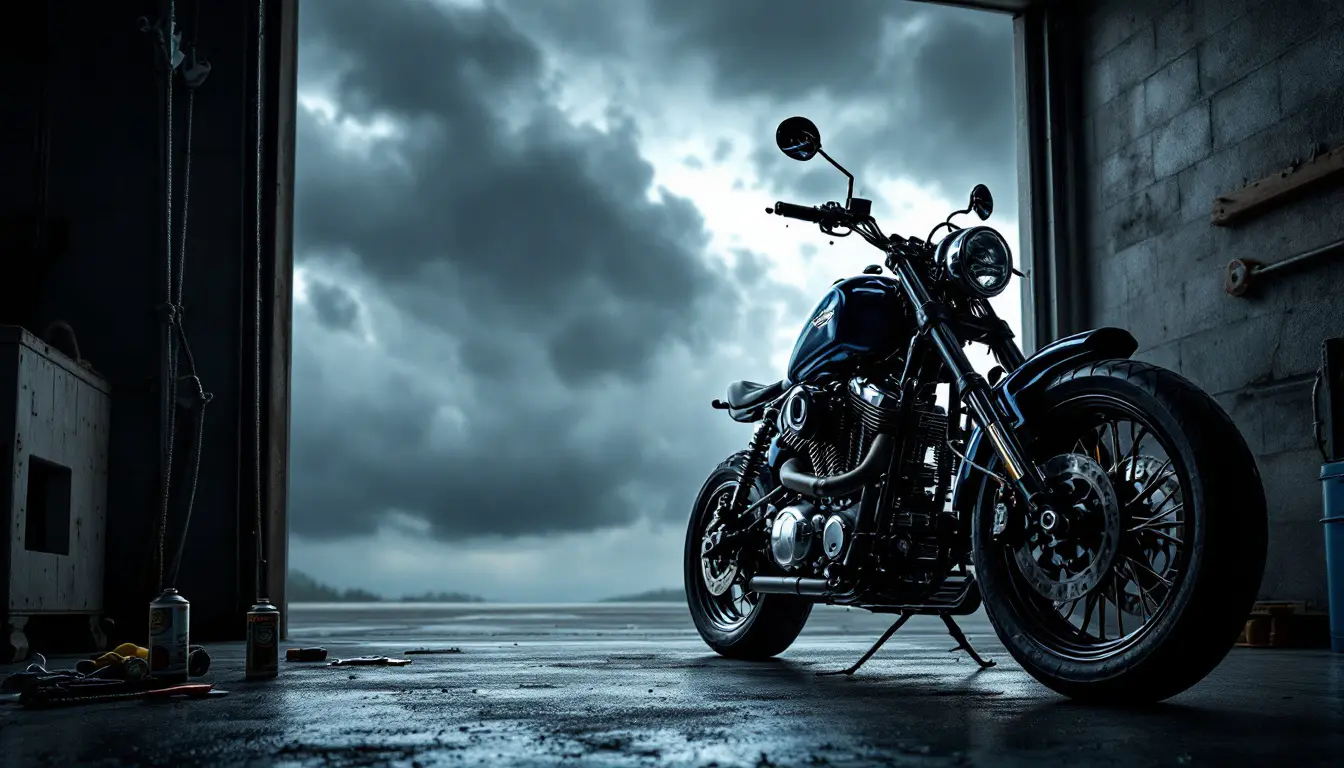
The weather plays a crucial role in the maintenance of your motorcycle, influencing both its performance and durability. Varied weather conditions, such as rain, cold, or even snow, can have harmful effects if the motorcycle is not adequately prepared. For example, humidity can cause rust on metal components, while extreme temperatures can impact the battery and ignition system, making regular maintenance essential.
In rain, it is essential to pay attention to traction and tire grip. Water on the road creates slippery conditions, increasing the risk of falls. Therefore, regular checks of tire pressure and brakes are essential to ensure the rider’s safety. Additionally, it is recommended to clean the motorcycle after riding in the rain to remove water residues and dirt that can promote corrosion.
In winter, preparing your motorcycle to face the cold is equally crucial. It is advisable to check and replace the engine oil if necessary, as unsuitable oil can become too thick, hindering the engine’s proper functioning. Also, make sure to inspect the battery, which can lose capacity in cold weather.
Finally, consider protecting your motorcycle from the elements when it is parked. Using a protective cover can help preserve the paint and minimize the risk of damage caused by external factors. In summary, a good understanding of the impact of the weather on your motorcycle will not only allow you to ride safely but also prolong the life of your two-wheeler.


