
IN BRIEF
|
When talking about motorcycles, it is essential to understand that each type requires a specific maintenance approach. Sport bikes, designed for speed and performance, demand particular attention, especially regarding brakes, tires, and engine oil. In contrast, cruisers, which prioritize comfort during long rides, have different needs focused on customization and maintaining a relaxed riding position. This distinction is crucial for ensuring not only the longevity of your machine but also your safety on the road.
Comparison of maintenance between a sport bike and a cruiser
When discussing motorcycle maintenance, it is essential to understand that there are significant differences between the various categories. This article highlights the disparities between the maintenance of a sport bike and a cruiser, whether in terms of advantages or disadvantages. Each type of motorcycle requires particular attention and maintenance methods tailored to its specifics.
Advantages
Sport bikes are generally designed for performance, which involves maintenance focused on speed and agility. One of the main advantages of maintaining sport bikes is the availability of performance parts and accessories in the market. Riders can thus opt for modifications that further enhance the efficiency of their machine. Moreover, due to the technical nature of these bikes, owners are often more engaged in their maintenance, which can lead to a better understanding of their vehicle’s condition.
In comparison, cruisers are often synonymous with comfort and longevity. One of the major advantages of maintaining a cruiser is the simplicity of operations. Parts are often more accessible and less complex to replace. This can simplify repairs and reduce maintenance costs while ensuring a pleasant riding experience over long distances.
Disadvantages
However, sport bikes also have certain disadvantages. Maintenance may require specialized tools and more advanced technical expertise. The need for regular and precise maintenance, particularly concerning suspension and brakes, can become a burden for some owners. Due to performance pressures, frequent repairs may be necessary, which can increase overall maintenance costs.
While cruisers are easier to maintain, they can also have disadvantages. For example, their comfort-oriented design may sometimes mean that mechanical problems can go unnoticed for longer, which can lead to more significant repairs later on. Additionally, certain parts and accessories on cruisers can be more expensive, especially when seeking specific branded components.
In the world of two-wheelers, sport bikes and cruisers stand out not only by their design and handling but also by their maintenance needs. Each type of motorcycle has specific characteristics that influence the necessary maintenance procedures to ensure performance and safety. This article explores these differences to help you better understand how to care for your ride.
Maintenance needs: Sport bike
Sport bikes are designed for performance and speed. Therefore, they require more frequent regular maintenance. It is crucial to check the suspension system and brakes, vital for safety and maneuverability. Engine oil should be changed regularly, and checks on air and oil filters are essential to keep the engine in good condition. Furthermore, sport bike tires, often designed for high performance, must be closely monitored to ensure good traction on the road.
Maintenance needs: Cruiser
On the other hand, cruisers focus on riding comfort. Their maintenance is generally less demanding than that of sport bikes. They require particular attention to oil levels and lubrication, as they are often used for long and relaxed trips. Checking brakes and drive belts is also essential. Custom bikes may be more sensitive to customization, which means careful maintenance is crucial to preserve the modifications made.
Implications on parts selection
During maintenance, the choice of parts may also vary. For a sport bike, high-quality parts, such as specific brake pads and tires, are essential to maintain performance. In contrast, for a cruiser, the focus may be on durability and comfort of parts, considering their aesthetic integration with the overall design of the motorcycle.
Establishing a maintenance schedule
A maintenance schedule is crucial for both types of motorcycles but should be tailored to their specifics. For sport bikes, a monthly check-up program is often recommended, while a cruiser may follow a more spaced-out maintenance rhythm. Owners must ensure they follow the manufacturer’s recommendations for their bikes, regardless of the model.
For tips on maintenance and avoiding common mistakes, you can consult the following resources: mistakes to avoid or regular maintenance.
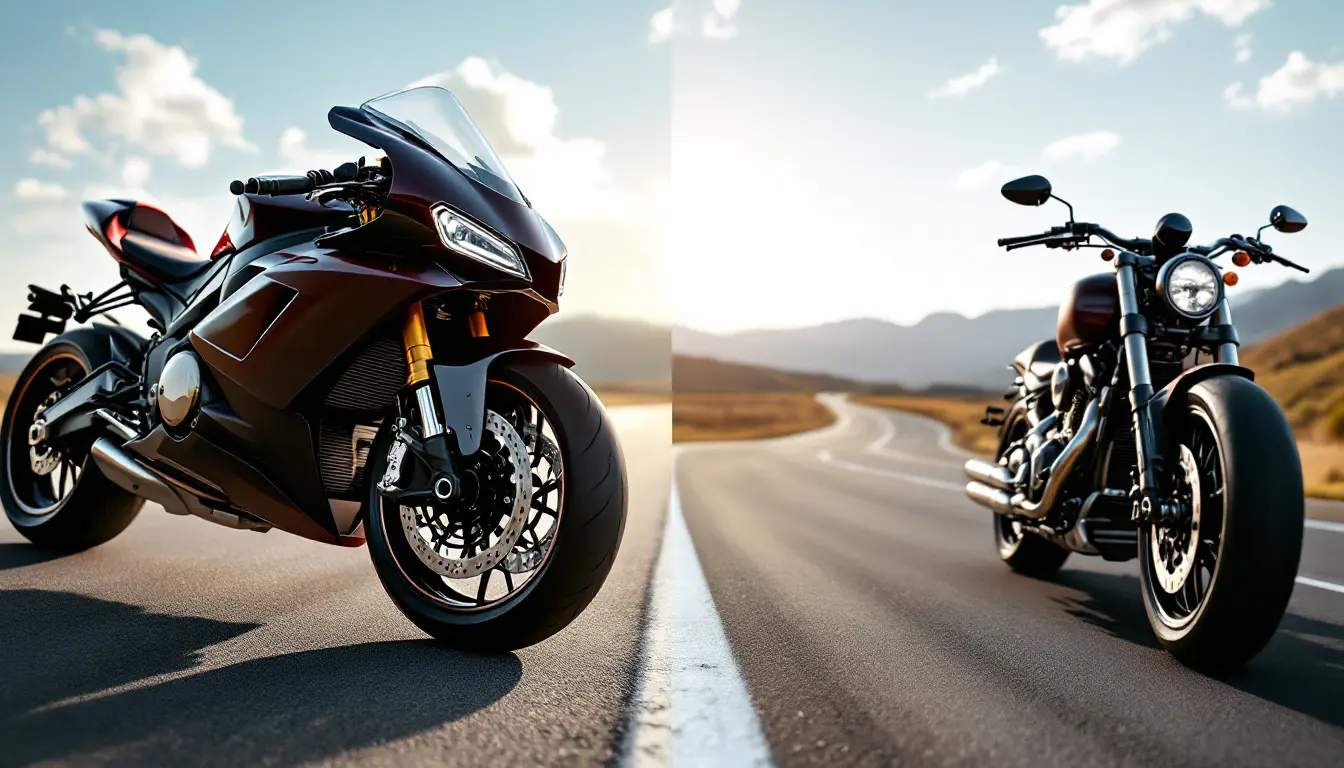
When it comes to maintaining your motorcycle, it is essential to understand that each type has its own requirements. Sport bikes and cruisers present notable differences in their design, usage, and the care needed to ensure their optimal performance. This article breaks down the distinctions in maintenance between these two popular categories of two-wheelers.
Specificities of sport bikes
Sport bikes are designed for performance and speed. Their maintenance requires particular attention to essential components such as the braking system and suspension, considering the intensive usage they undergo. Riders should frequently check:
- Oil level: The rapid wear of engine oil is a crucial aspect.
- Tires: Regularly check the pressure and wear of the tires to maintain grip.
- Brakes: Brake pads wear out quickly. Regular checks are imperative.
It is also advised to use performance parts to optimize the motorcycle’s capabilities. The lifespan of sport bikes can reach impressive figures, up to 100,000 kilometers, if well maintained source.
Particularities of cruisers
In contrast, cruisers are often synonymous with comfort and cruising. Their maintenance is generally less intensive, but remains crucial. Here are some key points to monitor:
- Fluids: Monitor oil and coolant levels for a smooth ride.
- Belt and chains: The proper functioning of the transmission is crucial for comfort during long rides.
- Electrical components: Regular checks of headlights and lights are essential, especially for long nighttime rides.
Customizers often allow for more personalization of cruisers, making their maintenance even more varied. Many customization options must not interfere with maintenance requirements. From head gaskets to air filters, each part must be compatible to ensure the motorcycle’s effectiveness.
Conclusion on maintenance differences
In summary, whether you own a sport bike or a cruiser, understanding the specifics of maintenance can greatly influence the longevity of your machine. Take the time to assess your specific needs and do not hesitate to consult professionals for valuable advice.
Comparison of maintenance between a sport bike and a cruiser
| Criteria | Sport Bike | Cruiser |
| Relation to speed | Frequent maintenance to maintain performance | Regular maintenance, but less intensive due to lower speed |
| Riding position | Dynamic handling requires precise suspension tuning | More relaxed riding with less strict tuning requirements |
| Tires | Frequent changes and precautions about grip | Longer tire lifespan thanks to gentler riding |
| Engine oil | Regular changes, often recommended every 5000 km | Less frequent changes, every 8000 to 10000 km |
| Brakes | Regular inspection and frequent replacements | Regular maintenance but less pressure on parts |
| Accessories | Specific equipment requiring attention (shock absorption) | Increased customization, thus variable maintenance |
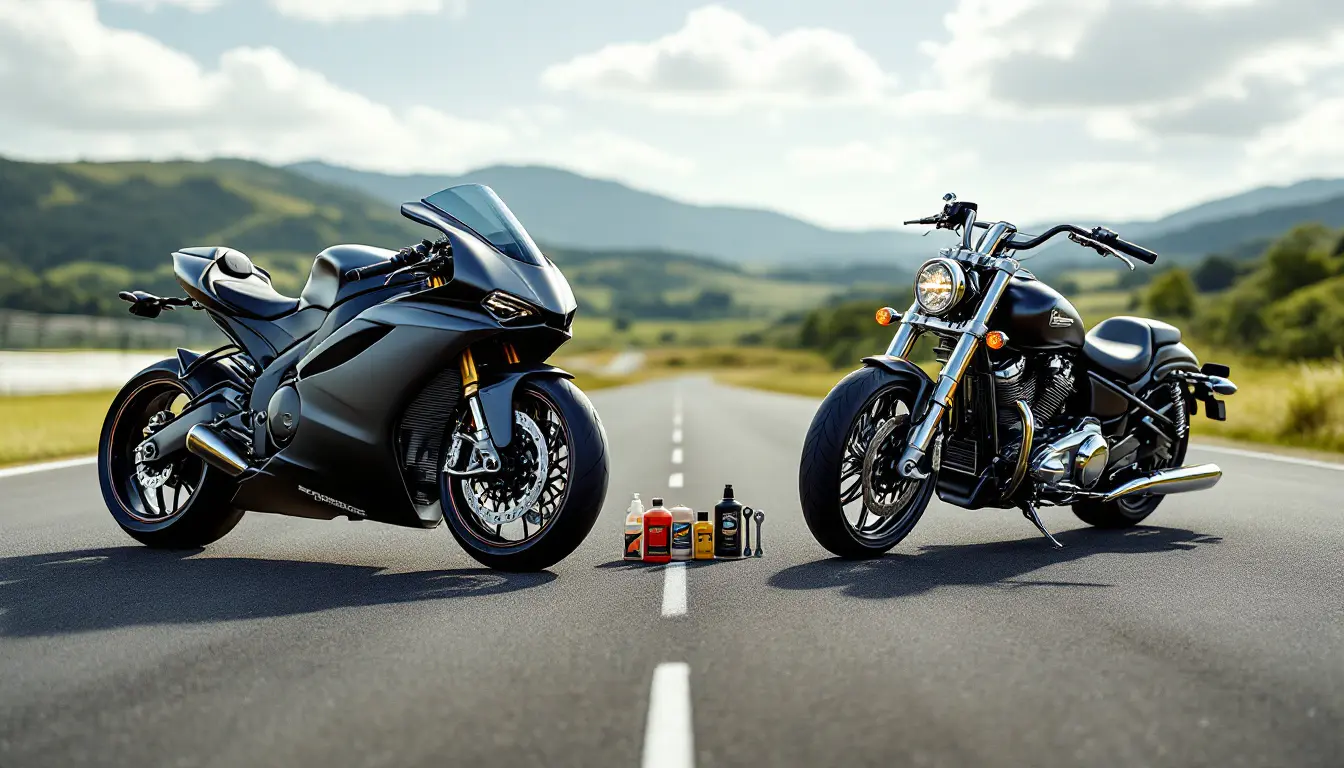
When it comes to motorcycle maintenance, each category has its specifics. Sport bikes, for example, require particular attention due to their high performance. Owners must regularly check their braking system, as brakes are often subjected to high pressure during races or sporty rides. Attention must also be given to the engine oil, which should be changed frequently to ensure the engine runs smoothly.
In contrast, cruisers offer a different riding experience. Their maintenance generally focuses on comfort and longevity. For example, suspension adjustments may be more frequent to ensure the ride remains smooth over long distances. Cruisers, often customized, may have specific parts that require special care, such as accessories or aesthetic components.
Regarding tires, sport bikes may require more frequent changes due to their use on winding and sometimes challenging roads. Tires should be checked often to maintain optimal grip. In contrast, cruisers, often used for leisurely rides, may have tires that wear more evenly and therefore need less attention.
Another crucial point is the chain cleaning. On sport bikes, it is essential to keep the chain well lubricated and clean, as a poorly maintained chain can lead to severe defects. For cruisers, the cost and accessibility of components mean that the chain can be checked less frequently, but it is still important to ensure its regular maintenance to avoid costly repairs.
Finally, electronics play an increasing role in the maintenance of modern motorcycles. Sport bikes often feature advanced electronic systems that require regular software updates. Cruisers, on the other hand, are generally simpler and may require fewer technology-related interventions.
When it comes to maintaining a sport bike or a cruiser, the approaches differ significantly. Each of these motorcycle categories presents unique characteristics that influence their maintenance. Sport bikes, designed for performance and speed, require particular attention to specific elements, while cruisers, often prioritizing comfort and customization, demand a different type of upkeep. This article explores these essential differences and provides practical advice for each type of motorcycle.
Maintenance of sport bikes
Regular checks
To ensure optimal performance of a sport bike, it is crucial to perform regular checks. This includes checking the engine oil level, examining tire pressure, and controlling brakes, which are critical for safety and performance. Since sport bikes are often subjected to demanding conditions, it is recommended to ensure that oil is changed every 5,000 km or more frequently depending on usage.
Suspension and transmission system
The suspension system of a sport bike directly impacts maneuverability. Regular maintenance of the suspension is therefore imperative to maintain a safe and enjoyable ride. Additionally, the transmission must be checked to ensure that the chain is adjusted and lubricated correctly. Proper maintenance of these elements can significantly improve the overall performance of the motorcycle.
Maintenance of cruisers
Focus on comfort and customization
The maintenance of a cruiser is generally focused on the comfort of the rider. This means paying special attention to the condition of the seat, riding position, and customized accessories. Regularly checking the seat and grips is essential for a comfortable ride, especially on long trips.
Electrical system and accessories
Cruisers are often equipped with many custom accessories, which may include electrical systems such as lighting and engine sound. Regular maintenance of these systems is essential. It is important to regularly test the lights and ensure that the electrical connections are in good condition to avoid unexpected failures.
Comparison of maintenance frequencies
For sport bikes
Sport bikes may require more frequent maintenance due to their intensive use. Oil changes are often needed every 5,000 km, while checks on brakes and chain must be performed regularly to avoid premature wear. It is also advisable to conduct a thorough inspection of the motorcycle after each riding season.
For cruisers
In comparison, the maintenance of cruisers is often less rigorous in terms of frequency. Quarterly checks may suffice, depending on usage. However, it is essential not to neglect key elements such as the battery and braking system, especially before embarking on a long trip.
Whether you own a sport bike or a cruiser, understanding the differences in maintenance is essential for ensuring the durability and safety of your vehicle. Regular and appropriate maintenance is the key to fully enjoying your riding experience.
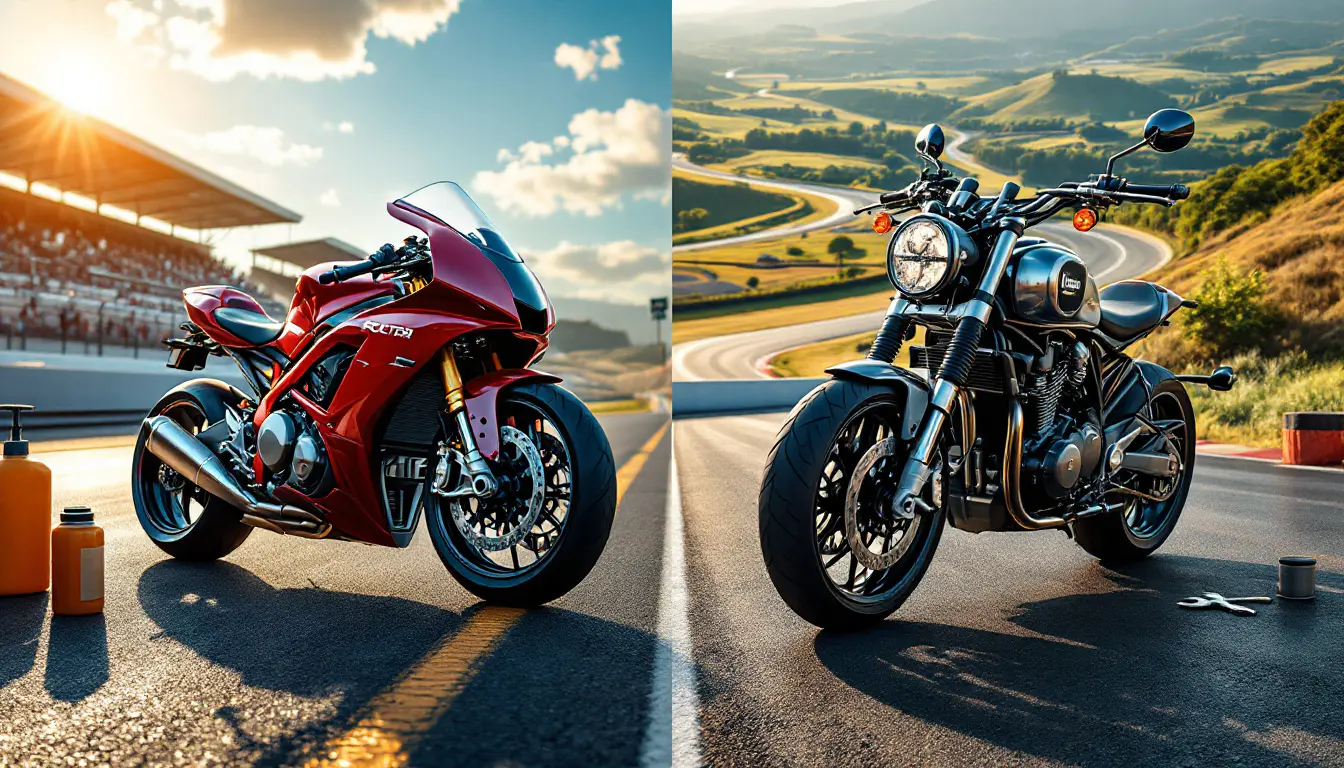
Maintenance differences between a sport bike and a cruiser
When it comes to maintenance, sport bikes and cruisers present distinct characteristics due to their design and usage. Indeed, sport bikes require a more rigorous and frequent follow-up. This includes the regular checking of engine oil, brake fluid level, and lubricants. Sport bikes are generally used for high-performance applications, so their engines operate under more intense conditions. Thus, regular and meticulous maintenance is crucial to ensure their reliability and performance.
On the other hand, cruisers, while they may also require good maintenance, tend to be less demanding in frequency. Their design prioritizes comfort and relaxation, which often translates into a more leisurely use. That said, good maintenance of cruisers includes checking the electronic systems, battery, and transmission, which are often subjected to different conditions than those of sport bikes.
Regarding equipment, sport bikes use more specialized parts that may require specific tools for their replacement or adjustment, while maintaining a cruiser can often be done with more standard tools. Additionally, the aesthetic aspect is often more pronounced for cruisers, which also implies maintenance of the bodywork and paint that should not be neglected.
Ultimately, while both types of motorcycles require care to operate correctly, it is essential to take into account their structural and functional differences to establish a maintenance plan tailored to each style. Whether for performance or comfort, appropriate maintenance will ensure a pleasant and safe riding experience.
FAQ about the maintenance of sport bikes and cruisers
What is the main difference between maintaining a sport bike and a cruiser? Maintaining a sport bike mainly focuses on performance, while the cruiser focuses on comfort and longevity.
What are the essential elements to check on a sport bike? It is important to regularly check the engine oil, brakes, tires, and chain, as these elements directly influence performance.
And for a cruiser, what elements should be monitored? For cruisers, the focus is on the condition of the fluids, electrical systems, and suspensions, due to their often more relaxed use.
Are there specificities in maintenance periodicity? Yes, sport bikes may require more frequent maintenance due to performance demands, while cruisers can tolerate longer maintenance intervals.
Do parts need to be original for maintenance? For both types of motorcycles, it is recommended to use original parts to ensure optimal performance and safety.
Why is it important to follow a maintenance schedule? A maintenance schedule helps prevent breakdowns and prolongs the lifespan of the motorcycle, whether it is a sport bike or a cruiser.
Can maintenance be done by oneself? While some advanced riders may perform maintenance tasks, it is often preferable to consult a professional, especially for complex interventions.
How can I tell if my bike needs urgent maintenance? Strange noises, excessive vibrations, or reduced performance are warning signs indicating that urgent maintenance is needed.


