
IN BRIEF
|
When it comes to carrying a passenger on a motorcycle, it is crucial to follow certain good practices to ensure the safety of all. Whether you are an experienced rider or a novice, every trip must be made while respecting the rules of safety. From the choice of mandatory equipment to the correct position of the passenger, these recommendations aim to guarantee an enjoyable experience while minimizing risks on the road. It is essential to understand how to interact with your passenger to maintain balance and control of the motorcycle.
Transporting a passenger on a motorcycle requires particular attention to safety rules. This involves good preparation for both the driver and the passenger to ensure a pleasant and, above all, safe experience. This article examines the advantages and disadvantages of these practices.
Advantages
One of the main advantages of having a passenger on a motorcycle is the sense of camaraderie and sharing a riding experience. It allows for discovering landscapes together, making outings more memorable. Additionally, a passenger can help with the balance of the motorcycle if the positioning rules are respected. Properly settling behind the driver and accompanying movements in turns helps stabilize the whole.
Another strong point is the importance of mutual trust between the driver and the passenger. This trust enhances communication, which can improve safety. Furthermore, adequate protective gear such as a full-face helmet and reinforced clothing contribute to ensuring the safety of both parties. Ensuring that the passenger is properly equipped with a protective jacket and approved gloves is essential to minimize risks.
Disadvantages
However, there are some disadvantages related to carrying a passenger. The presence of a passenger increases the weight and can consequently affect the maneuverability of the motorcycle. This requires an adjustment in driving, especially during turns or acceleration. Drivers must be aware of this additional variable to optimize their behavior on the road.
Moreover, poor communication between the driver and the passenger can lead to misunderstandings while driving. To avoid this, it is imperative to establish clear signals and discuss the movements to be anticipated. Passengers should also be encouraged to adopt a stable position, avoiding holding onto the driver’s shoulders, which can unbalance the motorcycle.
Finally, an inexperienced passenger can raise concerns for the driver, especially if they are not familiar with the road environment or the safety rules related to motorcycles. The necessary practices must therefore be communicated carefully before departure to ensure a smooth and safe ride for all.
Transporting a passenger on a motorcycle requires following certain safety rules to ensure a calm and safe ride. This practice demands good coordination between the rider and the passenger as well as the wearing of suitable equipment. Here are some recommendations to ensure everyone’s safety on the road.
Positioning of the Passenger
The passenger must always be seated behind the driver, in a side-saddle position. Avoid placing the passenger in a straddle position, as this can unbalance the motorcycle. It is essential that the passenger is well secured, with legs tight against those of the driver to maintain a stable center of gravity.
Safety Equipment
To ensure good safety, the passenger is required to wear appropriate gear. This includes a full-face helmet, CE-approved reinforced gloves, and a protective jacket covering the entire torso. These items are essential to protect the passenger in case of a fall or accident.
Interaction Between Rider and Passenger
The communication and coordination between the rider and the passenger are crucial. The passenger should hold onto the handles nearby or the driver’s waist and accompany the rider’s movements in turns to avoid any imbalance. This helps create a harmonious riding dynamic.
Behaviors to Adopt
It is essential that the passenger adopts responsible behavior during the ride. This includes prohibiting the consumption of alcohol or any other substance that could impair their judgment. Additionally, the passenger should avoid making sudden movements that could disrupt the driving.
Preparation Before Departure
Before hitting the road, it is recommended to check the passenger’s gear to ensure it meets current standards. Furthermore, the driver must ensure that the motorcycle is in good condition, particularly the brakes and tires, for a safe ride. Pre-departure checks will guarantee a smooth journey.
Mounting and Dismounting the Motorcycle
Safety also starts during the mounting and dismounting of the motorcycle. The passenger should get on the motorcycle only after the driver has signaled to do so. When dismounting, it is advisable to do so calmly and without rushing to avoid unbalancing the motorcycle.
By following these good practices, you can transport a passenger with peace of mind and enjoy every moment on the road.
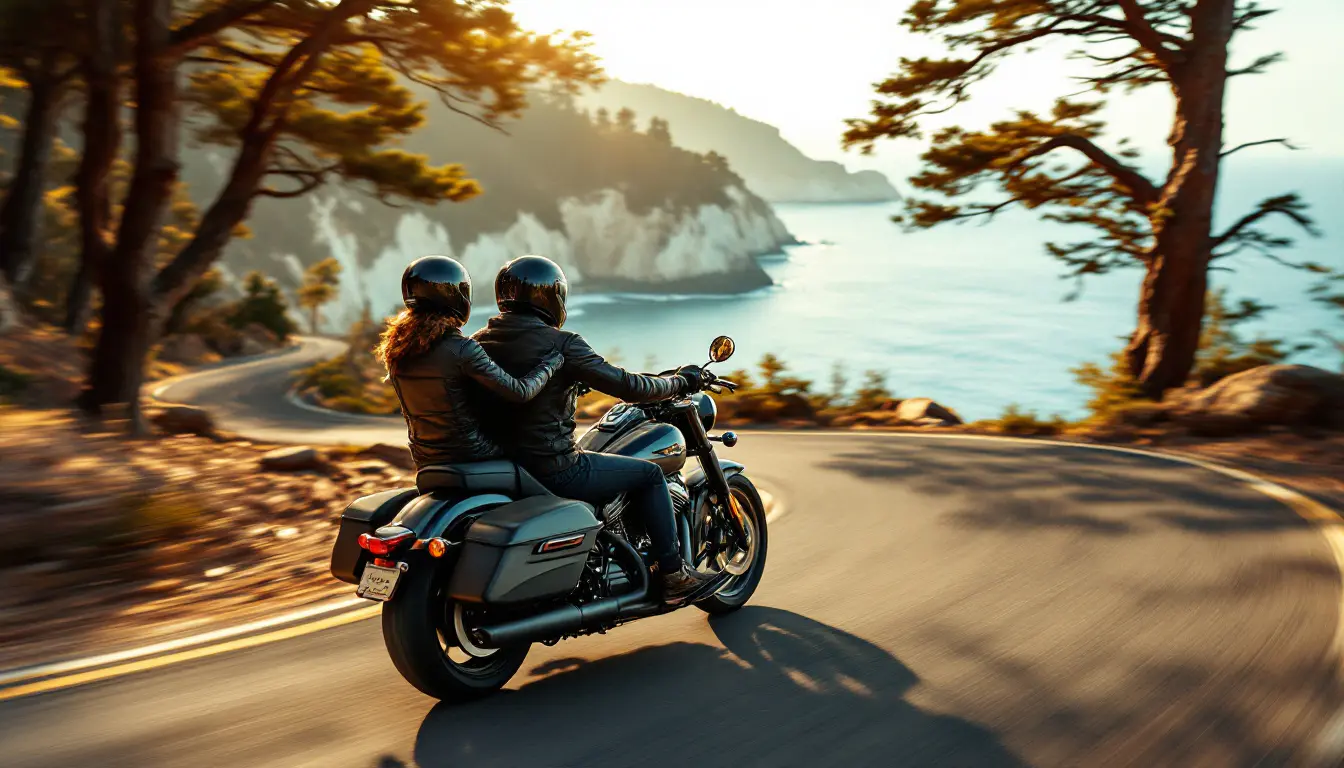
When transporting a passenger on a motorcycle, it is essential to know the safety rules and good practices to ensure a pleasant and risk-free ride. Whether you are an experienced rider or a novice, here are some tips to guarantee the safety of your passengers while enjoying the road.
Positioning of the Passenger
The passenger should always sit behind the driver. This position is not only safer but also helps maintain the balance of the motorcycle. The passenger should be seated in a side-saddle position, with legs tight against those of the driver, and avoid placing themselves in a straddle position with both legs on the same side.
Holding on and Gripping Correctly
For optimal holding during the trip, the passenger can grip the rider’s waist rather than their shoulders. This promotes better stability and allows the driver to maintain freedom of movement. If handles are available, the passenger can grab them for added safety.
Mandatory Safety Equipment
Before each outing, ensure that your passenger is properly equipped. Reinforced gloves, a protective jacket, and a full-face helmet are essential to minimize risks in case of a fall. These items must be certified to guarantee their effectiveness.
Behaviors to Adopt
The passenger should also adopt a responsible behavior throughout the trip. Avoid alcohol consumption before getting on the motorcycle, as this can impair alertness. It is also preferable that the passenger is attentive to the driver’s movements, accompanying their gestures, especially in turns.
Preparation Before Departure
Before hitting the road, it is wise to conduct a check of the motorcycle to ensure it is in good condition. Make sure all lights are functioning and that the tire pressure is adequate. This will contribute to a smooth trip.
Considerations During Long Trips
For long journeys, it is recommended to take regular breaks. This allows both the rider and the passenger to stretch their legs and ensure they remain alert on the road. Also, remember to check the equipment before departure, as inadequate gear can affect your comfort and safety during the trip.
For a successful journey, it is important to take these good practices into account. Remember that your safety and that of your passenger depends on how you prepare and carry out your trip. For additional information and practical advice, you can consult this guide on the motorcycle passenger or discover the best tips for a successful motorcycle trip.
Good Practices for Transporting a Passenger on a Motorcycle
| Practice | Description |
| Passenger Position | Sitting side-saddle behind the driver. |
| Holding on | Holding onto the rider’s waist, not their shoulders. |
| Safety Equipment | Approved full-face helmet and reinforced gloves required. |
| Behavior | Do not lean or move abruptly. |
| Know the Turns | Accompany the driver in the movements. |
| Do Not Distract | Avoid talking or making inappropriate gestures. |
| Sobriety | No alcohol consumption before getting on. |
| Mounting and Dismounting | Wait for the motorcycle to stop before mounting or dismounting. |
| Appropriate Clothing | Wear a protective jacket covering the torso. |
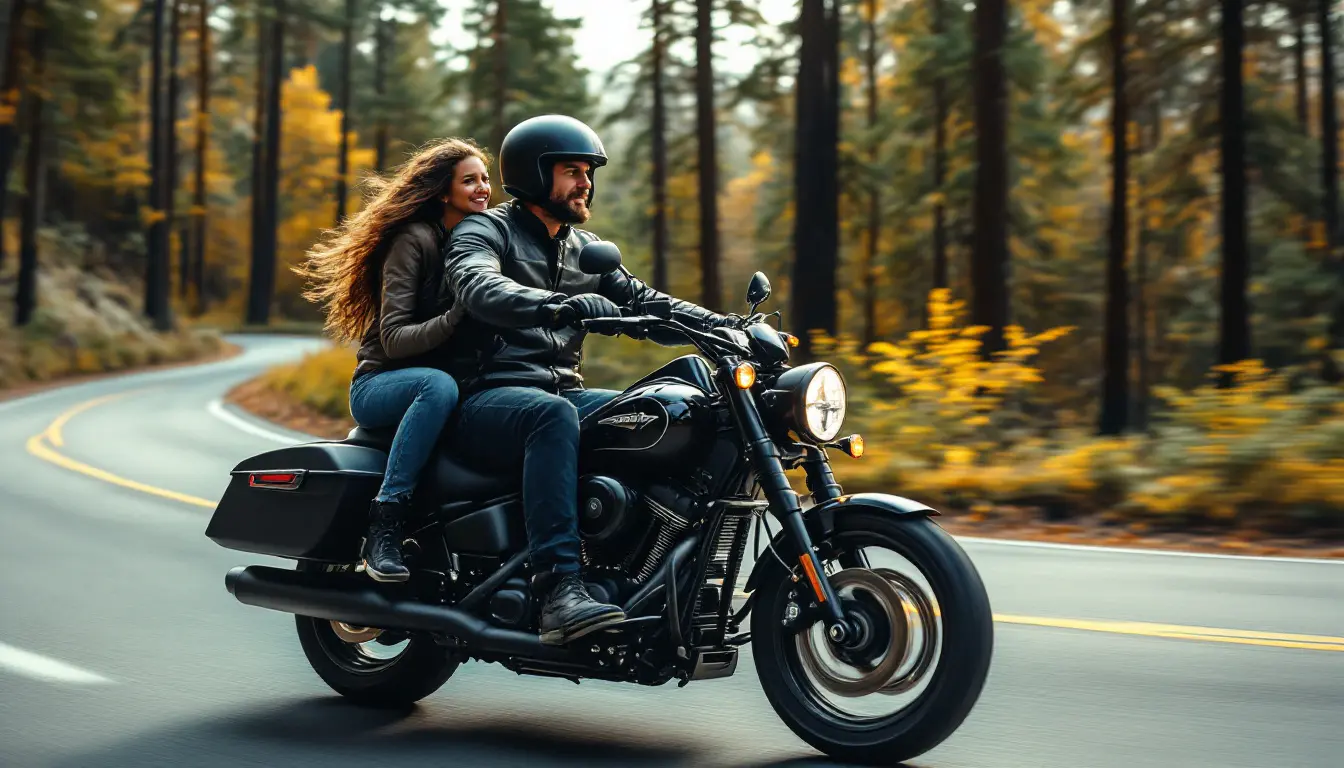
Transporting a passenger on a motorcycle requires adherence to certain safety rules to ensure everyone’s safety. First, the passenger must position themselves behind the driver, adopting a side-saddle sitting position, and not a straddle position. This helps maintain good balance and minimizes the risk of imbalance during maneuvers.
It is also important that the passenger stays close to the driver. This means keeping their legs close to those of the rider or around their waist, which helps maintain a stable center of gravity for the motorcycle. They should avoid swaying or moving their body outside of the driver’s movements, especially in turns.
To ensure good safety, the passenger must be properly equipped. This includes a full-face helmet, approved reinforced gloves, and a motorcycle jacket that covers the entire torso. These pieces of equipment are essential to reduce the risk of injury in case of a fall.
Passengers also have a role to play in maintaining balance. Depending on their comfort, they can hold onto either the rider’s waist or handles located on the sides of the motorcycle, if available. It is preferable for them to hold onto the waist rather than the driver’s shoulders, as this can obstruct their field of vision and their ability to maneuver.
Finally, it is crucial for the passenger to refrain from any behavior that could distract the driver. This includes avoiding any consumption of alcohol before getting on the motorcycle and remaining attentive and respectful towards the driver, especially during rides with more dynamic driving.
Transporting a passenger on a motorcycle can be a pleasant experience, but it requires special attention to safety rules. This article presents the good practices to ensure a safe trip with a passenger. From the necessary equipment to tips for the passenger’s behavior, every aspect is essential to guarantee a calm driving experience.
Mandatory Equipment
It is crucial that the passenger is properly equipped before getting on the motorcycle. The minimum requirements include an approved helmet, reinforced gloves, and a protective jacket that adequately covers the torso. These items help reduce the risk of injuries in case of an accident.
The Role of the Jacket and Gloves
The jacket should be suitable and specifically designed for motorcycle riding, providing protection against shocks and weather conditions. The gloves, meanwhile, not only protect the hands but also enhance grip during riding.
Positioning of the Passenger
The way the passenger is positioned on the motorcycle is crucial for maintaining balance and control of the vehicle. The passenger should always be seated behind the driver, in a side-saddle position and not a straddle position, meaning both legs on the same side.
Stability and Center of Gravity
It is important for the passenger to sit close to the driver to not disrupt the center of gravity of the motorcycle. This helps maintain balance, especially when taking turns. The passenger should also follow the driver’s movements by leaning their body into the turns.
Behavior of the Passenger
The passenger’s behavior has a direct impact on the safety of the ride. It is essential that they hold on properly and avoid making sudden movements. To do this, the passenger can hold onto the driver’s waist or, if there are handles, grip them properly.
Gestures to Avoid
The passenger should not hold onto the driver’s shoulders or move unpredictably, as this could unbalance the vehicle. It is also advisable not to consume alcohol before getting on the motorcycle.
Riding in Pairs
When riding with a passenger, it is important to adapt your driving. The extra weight requires an adjustment: it may be necessary to brake more gently or take corners more cautiously. Anticipating maneuvers becomes even more crucial to avoid unpleasant surprises.
Anticipation and Reactivity
Being attentive to the environment and anticipating the actions of other road users becomes even more important when transporting a passenger. Maintain greater safety distance and be ready to react quickly to unforeseen events.
Respecting these practices and advice will maximize safety when transporting a passenger on a motorcycle. By being well-equipped and adopting cautious driving, it is possible to fully enjoy the experience of motorcycling in pairs.
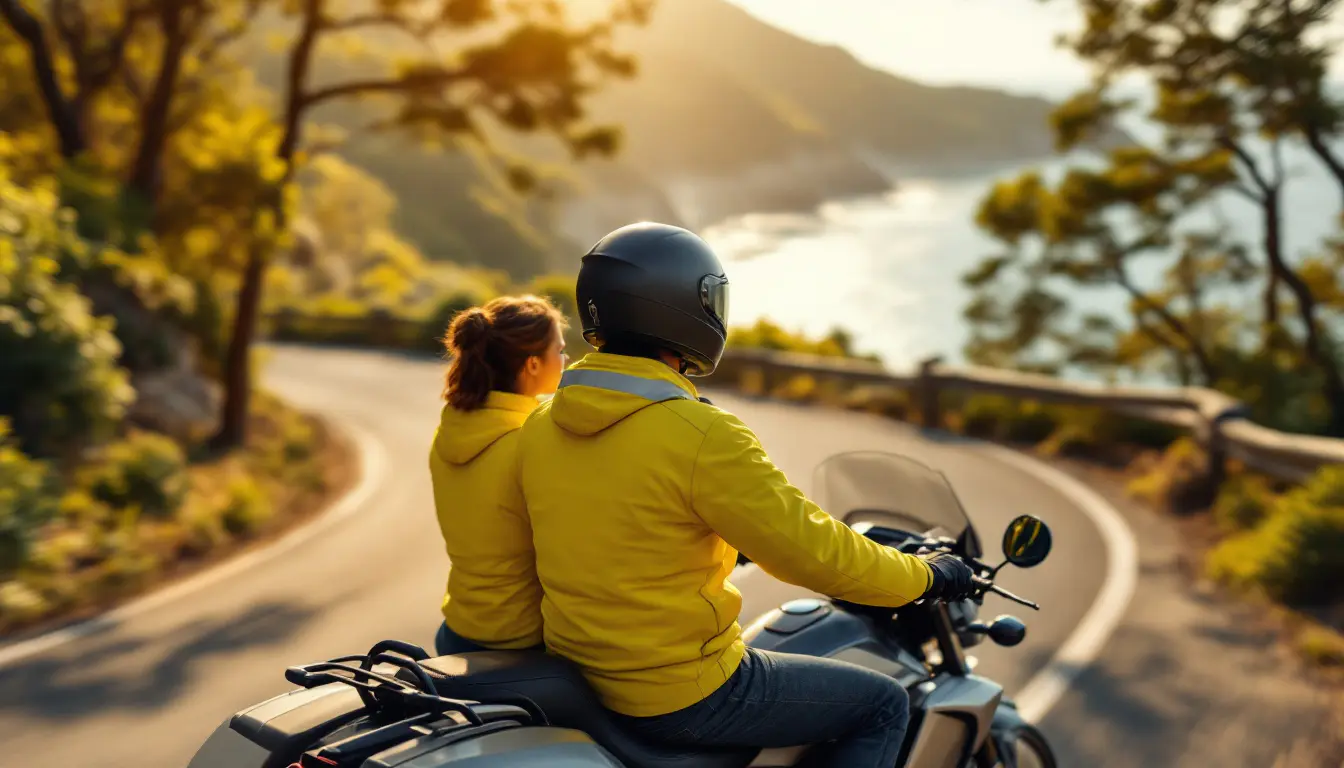
Transporting a passenger on a motorcycle requires strict adherence to certain safety rules to ensure safe riding. First, the passenger must be positioned behind the driver, adopting a side-saddle posture, with legs well secured. It is crucial to ensure that their weight does not alter the center of gravity of the motorcycle while it is moving, especially in turns. To do this, the passenger must accompany the driver’s movements to ensure optimal stability.
Regarding equipment, certain accessories are mandatory. Each passenger must wear a full-face helmet and approved reinforced gloves, as well as a protective jacket that covers the torso. This helps significantly reduce the risk of serious injuries in case of an accident. Ensuring that your passenger is well-equipped is a shared responsibility, as every safety element contributes to the protection of all road users.
The passenger’s behavior is also crucial for a pleasant outing. It is advisable not to hold onto the driver’s shoulders, but rather their waist or the specific handles for passengers. Additionally, concentrating on the road is essential, so it is imperative to avoid any consumption of alcohol before getting on a motorcycle. By instilling these good practices from the beginning, rides on two wheels can be done under safe and pleasant conditions.
Q: Where should the passenger sit on the motorcycle? The passenger should always sit behind the driver, in a side-saddle position, with both legs on either side of the motorcycle.
Q: What equipment is mandatory for the passenger? A full-face helmet and approved gloves are essential to ensure the safety of the passenger.
Q: How should the passenger position themselves to maintain balance? The passenger should keep their legs tight against those of the driver and hold onto their waist or the handles reserved for the passenger, if available.
Q: What precautions should the passenger take before getting on the motorcycle? The passenger should ensure they have not consumed alcohol and are wearing adequate protective gear before taking their place on the motorcycle.
Q: How should the passenger react in turns? In turns, the passenger should accompany the driver’s movements to avoid unbalancing the motorcycle.
Q: What is the proper way to dismount the motorcycle? The passenger should wait for the motorcycle to come to a complete stop before dismounting and do so by shifting to one side, while avoiding making the motorcycle move.
Q: Is it advisable to carry multiple passengers on a motorcycle? No, it is strongly discouraged to carry more than one passenger at a time, as this can upset the balance and maneuverability of the motorcycle.


