
IN BRIEF
|
Sharing a motorcycle ride with a passenger can turn a simple trip into a real adventure. However, it requires special attention and adjustments to ensure the safety and comfort of everyone. Whether you’re an experienced rider or a novice, this duo experience demands proper preparation and effective communication. Here are some essential tips to fully enjoy your motorcycle outings safely.
Sharing motorcycle rides can be a wonderful experience, but it requires special attention to ensure the safety and comfort of everyone. This article explores the advantages as well as the disadvantages of riding two-up, while offering valuable tips to optimize your experience on the road.
Advantages
One of the main advantages of riding two-up is the joy of sharing unique moments with a passenger. This experience strengthens the bonds between riders and passengers by creating unforgettable memories. Moreover, a passenger can provide moral support, making a trip more enjoyable.
Furthermore, riding two-up allows for weight distribution, which can improve the motorcycle’s stability on the road. This is particularly advantageous during long trips where a little extra balance can make a difference. Lastly, traveling together fosters a communication dynamic between the rider and the passenger, essential for harmonious driving.
Disadvantages
However, there are also some disadvantages to consider. Adding a passenger changes the motorcycle’s behavior, requiring adjustments in driving. Braking and maneuverability may be affected, which requires the rider to be particularly vigilant.
Additionally, communication between the rider and the passenger is crucial. If it is insufficient, it can lead to misunderstandings and potentially risks on the road. Therefore, it’s essential to establish clear signals before departure to anticipate maneuvers, such as stops or changes in direction.
Finally, the comfort of the passenger can be a real issue, especially on long journeys. Lack of proper equipment or absence of regular breaks to stretch one’s legs can lead to fatigue.
In summary, riding two-up offers undeniable benefits but also challenges to overcome. By considering these elements and applying practical tips, you can ensure a pleasant and safe experience during your motorcycle rides.
Sharing a motorcycle ride with a passenger can transform a simple trip into a real adventure. However, it requires specific adjustments, both in terms of driving and preparation. This article presents best practices to ensure both the comfort and safety of your passenger during your duo excursions.
Preparing the motorcycle for two-up riding
Before you set off, it’s crucial to prepare your motorcycle. Make sure the suspension is adjusted to support the additional weight, which often involves stiffening the preload. Also, check the tire pressure, increasing it slightly compared to usual values, as indicated in the maintenance manual. Don’t forget to adjust the headlights to avoid dazzling other road users.
Passenger equipment
It is imperative that your passenger has appropriate equipment for their protection. This includes an approved helmet, gloves, and suitable clothing to minimize the risk of injury. Avoid any loose objects that could get caught during the trip. Ensure that the equipment is well-fitted to maximize safety.
Optimizing communication
Communication between the rider and the passenger is essential for harmonious tandem driving. Using a Bluetooth communication system can facilitate exchanges. If not possible, establish simple signals to indicate stops or changes in pace. Good communication helps to create a connection and ensures smooth driving.
Driving adapted to two-up riding
It is essential to adopt gentle and predictable driving. Avoid sudden accelerations and abrupt braking to maintain balance. Keep in mind that riding with a passenger alters the dynamics of braking and maneuverability. Encourage your passenger to follow your movements to maintain good harmony throughout the ride.
The position and maintenance of the passenger
A good passenger should align with the rider, following their movements without attempting to correct them. For good maintenance, the position depends on the type of motorcycle:
On a motorcycle with an upright riding position, the passenger can alternate between one hand around the rider’s waist and the other on the back handle. This helps stay close during accelerations and stabilizes without putting weight on the rider when braking.
For a more forward-leaning motorcycle, it is advisable to hug the rider’s waist with both arms. One hand on the rider’s belly can help absorb accelerations, while the other, placed on the tank, limits pressure when braking. A golden rule: avoid grabbing the rider’s shoulders, as this risks destabilizing the motorcycle.
Managing fatigue
Riding two-up can be tiring, especially for the passenger. It is wise to plan regular breaks to avoid excessive fatigue and numbness. Stay alert to signs of fatigue in your passenger and modify your route if necessary.
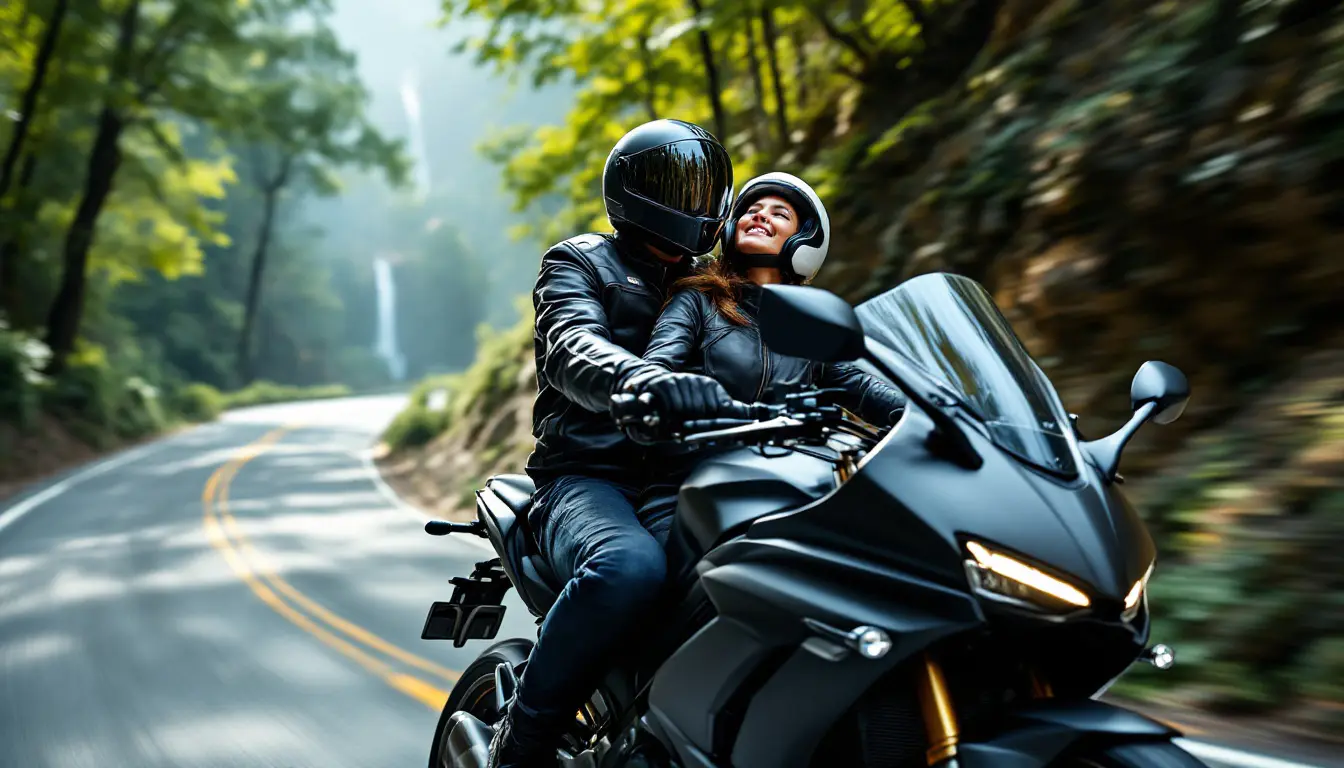
Sharing a motorcycle ride with a passenger can transform your trip into a true adventure. However, it requires particular adjustments in both driving and preparation to ensure a comfortable and safe experience. In this article, we offer tips to help you optimize your motorcycle ride in duo.
Preparing the motorcycle for two-up riding
Before taking to the road, it is essential to properly prepare your motorcycle to accommodate a passenger. This includes adjusting the suspension to support the extra weight. Remember to adjust the preload and check the tire pressure, adding a little more air than usual. Follow the recommendations in your maintenance manual to ensure everything is in order. Don’t forget to adjust your headlights to avoid dazzling other road users.
Passenger equipment
The safety of the passenger is paramount. Ensure they are properly equipped, with an approved helmet, gloves, and appropriate clothing to minimize injuries in case of a fall. It is also important to avoid any loose objects that could get caught during the trip. The equipment must fit well to provide optimal protection.
Optimizing communication
Communication between the rider and the passenger is crucial. Using Bluetooth communication systems can facilitate the exchange of information while riding. If that is not possible, establish simple signals to indicate stops or changes in pace. This will help ensure smooth and enjoyable riding.
Driving adapted to two-up riding
Soft and predictable driving is essential when riding two-up. Avoid sudden accelerations and abrupt braking that could destabilize the motorcycle. Keep in mind that the motorcycle behaves differently with a passenger, particularly in terms of maneuverability and braking. Encourage your passenger to follow your movements to maintain a harmony during the ride.
Position and maintenance of the passenger
Maintaining a good position is crucial for safety. Your passenger should stay in close contact with you, keeping their knees tight, their torso aligned, and being attentive to the road to anticipate changes. Every movement can impact the motorcycle’s balance, so avoid abrupt gestures, especially at low speed.
On a motorcycle with an upright riding position, the passenger can alternate between one hand on the rider and the other on a rear handle to maintain balance. On a sportier motorcycle, hugging the rider’s waist is recommended to ensure good grip during movements. Avoid abrupt gestures that could destabilize the duo.
Managing fatigue
Riding two-up can be exhausting, especially for the passenger. It is advisable to plan regular breaks to rest and avoid numbness. Stay alert to signs of fatigue from your passenger and adjust your route if necessary. This will ensure that the experience remains enjoyable and safe for both of you.
Tips for a safe and enjoyable two-up riding experience
| Aspect | Tips |
|---|---|
| Preparing the motorcycle | Adjust the suspension and check tire pressure. |
| Passenger equipment | Approved helmet, gloves, and protective clothing. |
| Communication | Use a Bluetooth system or establish simple signals. |
| Driving | Keep smooth in acceleration and braking to maintain balance. |
| Passenger position | Stay close to the rider and avoid sudden movements. |
| Managing fatigue | Take regular breaks to avoid numbness. |
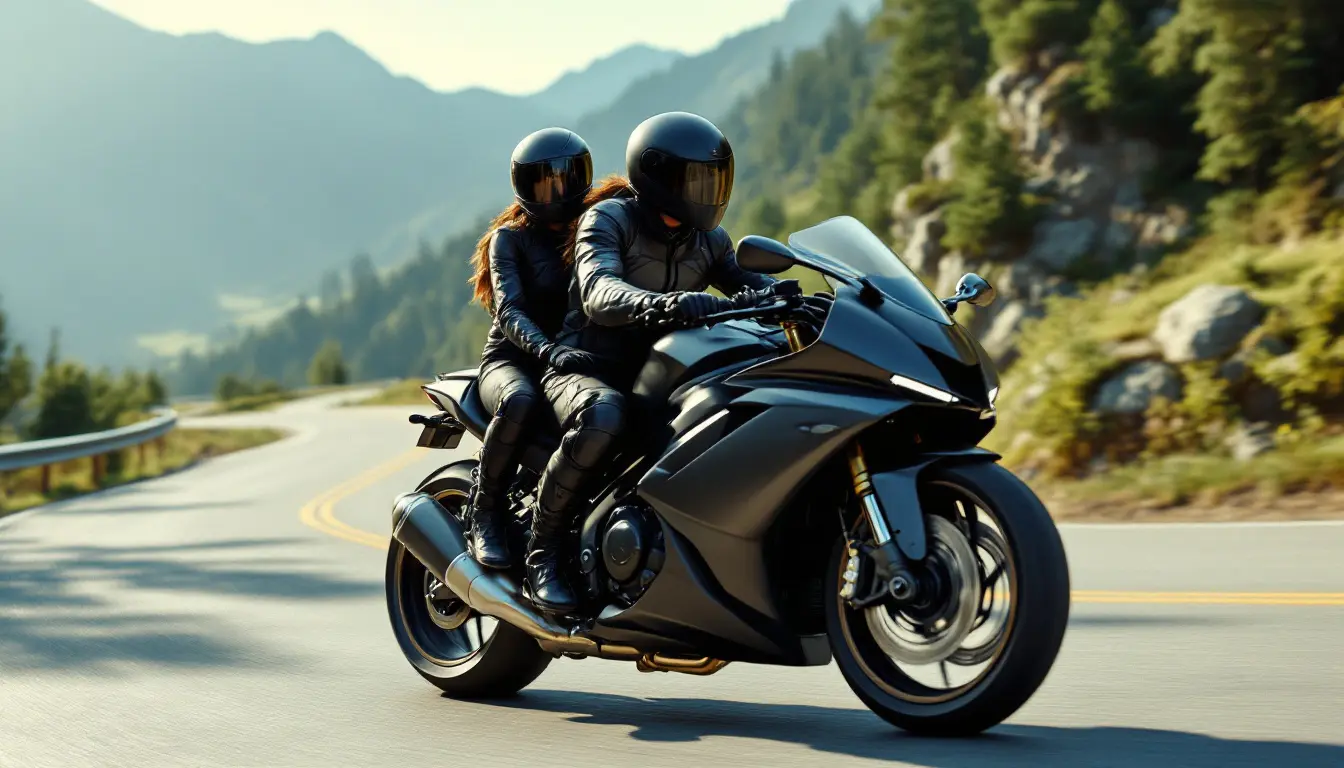
Testimonials on Riding Two-Up: Tips for a Safe and Enjoyable Motorcycle Experience
Sharing a motorcycle ride with a passenger is a unique and enriching experience. To guarantee the comfort and safety of everyone, it is crucial to apply some simple tips. Firstly, the preparation of the motorcycle is essential. Before leaving, it is recommended to check the suspension to ensure it is properly adjusted to the additional weight. Don’t neglect the tire pressure, which should be adjusted for better stability.
Next, your passenger’s equipment plays a fundamental role. Ensure they wear an approved helmet, gloves, and appropriate clothing. This may seem basic, but it forms the first line of defense in case of an accident. Also, avoid objects that could hinder or hurt during the trip. Every detail counts to ensure optimal protection.
Communication between the rider and the passenger is also paramount. For this, nothing beats a Bluetooth communication system to easily exchange information, but if that is not possible, feel free to establish common signals to indicate stops or changes in direction. This helps create harmony during the ride.
It is also important to adopt a driving style. A gentle and predictable driving style helps maintain the motorcycle’s balance. Avoid sudden braking and abrupt accelerations, as they can create a sense of anxiety in the passenger. Encourage them to follow your movements for optimal balance.
Regarding the position and maintenance of the passenger, it depends on the type of motorcycle. On an adventure motorcycle with an upright riding position, the passenger can hold onto the rider while using the handles to stabilize themselves. On a sport motorcycle, hugging around the waist is recommended to ensure good grip during movements. Avoid sudden gestures that could destabilize the duo.
Finally, managing fatigue is essential, especially for the passenger. Plan for regular breaks to avoid numbness and fatigue. Be attentive to signs of fatigue from your companion and adjust your pace accordingly. A beautiful motorcycle ride should remain a pleasure for everyone!
Riding two-up on a motorcycle can offer a memorable adventure, but it requires special attention to ensure the safety and comfort of everyone. Whether you are the rider or the passenger, it is essential to follow certain recommendations to maximize your experience. This article offers practical tips to ensure a pleasant and secure ride in duo.
Preparing the motorcycle
Before you leave, it is crucial to ensure that your motorcycle is ready to accommodate a passenger. First, check the suspension, which must be adjusted to support the extra weight. This generally means stiffening the preload. Also, remember to check the tire pressure by increasing it slightly, as per the maintenance manual’s recommendations. Finally, adjust the headlights to avoid dazzling other road users.
Passenger equipment
Proper equipment is essential to ensure the passenger’s safety. They should wear an approved helmet, gloves, and appropriate clothing that covers the body to minimize injuries in case of a fall. Also, avoid floating objects that could get caught or hinder the rider. Ensure all equipment is well fitted for maximum protection.
Effective communication
Communication between the rider and the passenger is a key element for harmonious driving. If possible, a Bluetooth communication system facilitates exchanges during the ride. Otherwise, establish simple signals to inform the other about changes in direction or stops. Good communication reinforces the bond and can help avoid uncomfortable situations.
Adopting appropriate driving
For safe driving two-up, it is essential to adopt a gentle and predictable style. Avoid sudden accelerations and unexpected braking, as this could destabilize the motorcycle. Keep in mind that the maneuverability and braking of the motorcycle will differ with a passenger. Encourage your passenger to follow your movements to maintain optimal balance during the ride.
Passenger position
The way the passenger positions themselves on the motorcycle can greatly influence stability. They should remain in close contact with the rider, keeping their knees tight and torso aligned. Depending on the type of motorcycle, positions may vary: for an upright motorcycle, the passenger can use one hand to grip the rider and the other to maintain their balance. On a more inclined motorcycle, it is recommended to hug the rider’s waist, which helps better absorb accelerations and minimize pressure when braking.
Managing fatigue
Riding two-up can be exhausting, especially for the passenger. It is important to plan for regular breaks to allow both parties to rest. Stay attentive to signs of fatigue in your passenger and adjust your route accordingly so they can fully enjoy the ride. Frequent stops not only contribute to safety but also to the quality of the shared experience.
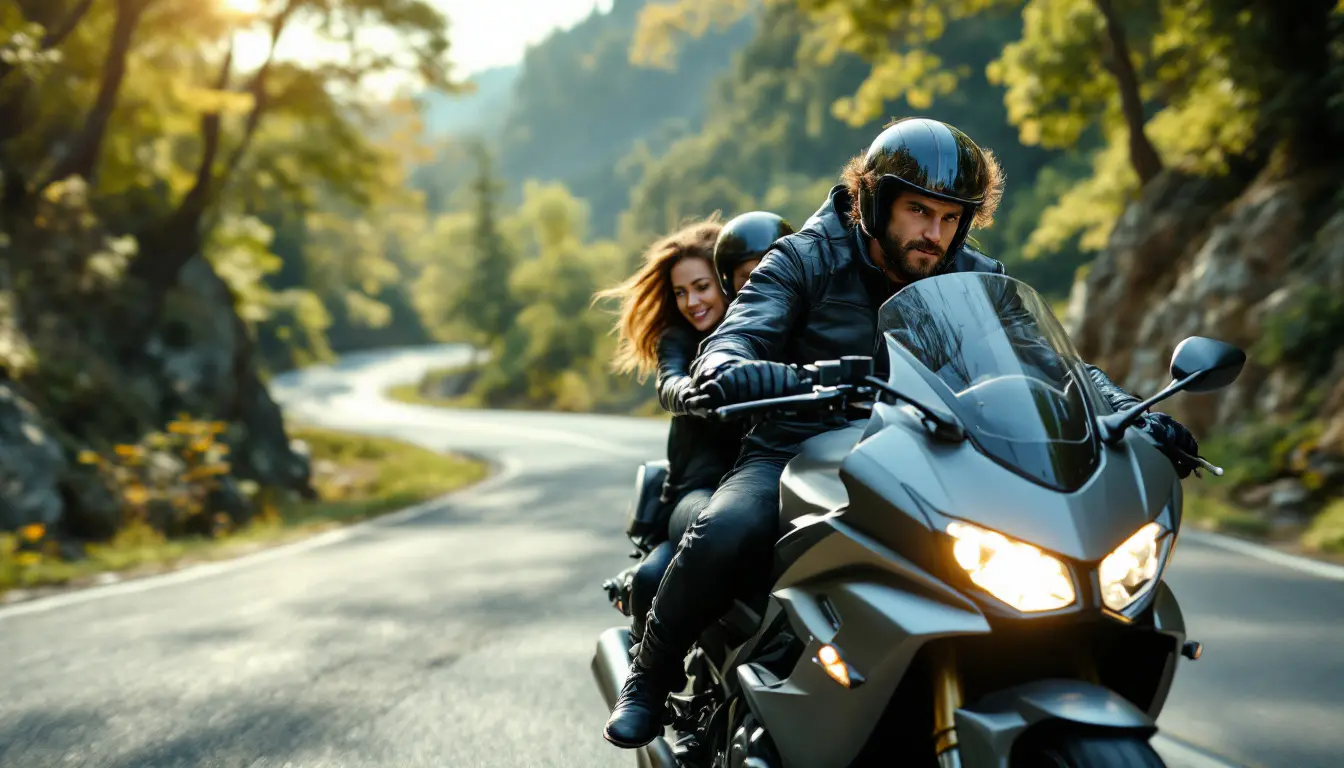
Riding two-up can transform a simple outing into a memorable adventure. However, it is crucial to thoroughly prepare the motorcycle and harmonize driving to ensure the safety and comfort of every passenger. By adapting the suspension of your vehicle and checking the tire pressure, you will lay the foundations for safe riding. Don’t forget to adjust your headlights to avoid dazzling other road users.
The choice of equipment is equally decisive. Your passenger must be well protected with an approved helmet, gloves, and appropriate clothing. This contributes not only to their safety but also to your peace of mind during the ride. By avoiding floating objects that could cause accidents, you will contribute to a safer experience.
The communication between the rider and their passenger is essential. Whether you use a Bluetooth communication system or simple signals, it will make your ride smoother and more enjoyable. A good understanding between the two is the key to enjoying a harmonious outing.
When it comes to driving, opt for smooth and predictable movements. Anticipate your motorcycle’s reactions with a passenger, avoiding abrupt changes in pace. The maintenance of the passenger is also crucial: they need to synchronize with you to ensure the stability of the whole.
Finally, do not forget to take regular breaks to avoid fatigue. Paying attention to signs of tiredness in your passenger will help you optimize your trip to make it an unforgettable experience. In this way, every motorcycle outing can be experienced as a shared and secure adventure.
FAQ: Riding Two-Up – Tips for a Safe and Enjoyable Motorcycle Experience
Q: How do I prepare my motorcycle for a passenger? Before hitting the road, it is essential to adjust the suspension to support the additional weight by adjusting the preload. Don’t forget to check the tire pressure and adjust the headlights to avoid dazzling other users.
Q: What equipment is necessary for the passenger? Your passenger must wear an approved helmet, gloves, and appropriate clothing to ensure their safety. Avoid any floating objects that might get caught during the journey and ensure the equipment is well-fitted.
Q: How can I ensure good communication between the rider and the passenger? Use a Bluetooth communication system if possible, otherwise establish simple signals to indicate stops or changes in rhythm. This enhances the bond and makes riding in tandem easier.
Q: What is the appropriate driving for dual riding? Adopt a gentle and predictable driving style, avoiding sudden accelerations and abrupt braking to maintain the motorcycle’s balance. Encourage your passenger to follow your movements for harmony during the ride.
Q: How should the passenger position themselves? A good passenger should stay in contact with the rider, knees tight and torso aligned. On an upright motorcycle, they can alternate between their hand around the rider and on a rear handle. On a more leaned over motorcycle, they should hug the rider’s waist with both arms.
Q: How important is fatigue management during a two-up journey? Riding two-up can be tiring, especially for the passenger. Plan for regular breaks to avoid fatigue and be attentive to signs of tiredness in your passenger.


