
IN BRIEF
|
Whether you are a novice rider or an experienced pilot, refining your motorcycle riding style is essential to maximize enjoyment and ensure your safety on the road. Every turn, every braking, and every acceleration are opportunities to improve your technique and refine your control of the machine. With a few tips and practical advice, you can transform your riding into a smooth and enjoyable experience, adapting to road conditions and optimizing your performance. Put on your helmet and get ready to experience unforgettable rides on two wheels!
Improving your motorcycle riding style is not just about technique, but also about experience and comfort. This article presents the advantages and disadvantages associated with this essential approach for any rider wishing to enjoy more pleasant and safer rides. Let’s discover together how to optimize your riding and make every outing unforgettable.
Advantages
Refining your riding style offers numerous benefits that can transform your experience on the road. First, better control of your motorcycle increases your safety. By learning to anticipate dangers and maneuver skillfully in turns, you reduce the risk of accidents.
Moreover, a refined riding style contributes to greater comfort during trips. By adopting the right position on the motorcycle, you can minimize fatigue and enjoy a smoother ride. This can also help you better manage weather conditions and terrain.
Finally, refining your technique can boost your confidence in your abilities. By feeling more comfortable on your machine, you will be more inclined to explore new routes and expand your horizons as a rider.
Disadvantages
However, refining your motorcycle riding style can also bring some disadvantages. One of the main obstacles is the time and effort required to master new techniques. This often requires many hours of practice and can be discouraging for some riders.
Another point to consider is the risk of developing bad habits. If you focus too much on certain aspects of your riding style, you might neglect other essential elements, such as observation and anticipating dangers around you.
Finally, it can be difficult to find suitable resources in this regard. Whether it is for advanced courses or specific advice, it can be complicated to access reliable information that matches your personal style and level of experience.
Improving your motorcycle riding style is essential to ensure safety and enjoyment on the road. Whether you are a novice or an experienced rider, a few adjustments can truly transform your experience. In this tutorial, we will explore practical techniques to perfect your riding, manage turns, optimize braking, and become an even more competent driver.
Position on the motorcycle
The position of your body is fundamental for good riding. Make sure to sit up straight while remaining relaxed. Your arms should be slightly bent, allowing for better control. Avoid tensing up on the handlebars. A good posture will also help you anticipate the motorcycle’s movements during turns and react effectively to obstacles.
Adjusting the controls
It is important to communicate with your motorcycle. Ensure that the height of the handlebars and the position of the footpegs are suited to your body type. This will allow you to move more freely and execute more precise maneuvers. Feel free to experiment to find the best arrangement.
Turning techniques
Managing turns is essential to mastering your motorcycle. For this, remember to look far ahead; this will allow you to anticipate the trajectory. The key is to gradually enter the turn and release the throttle to maintain good stability. Your body should follow the curve to keep the weight well distributed on the motorcycle, which helps to maintain control.
Anticipating dangers
Anticipating dangers is a crucial skill for every rider. Pay attention to the road conditions, other users, and climate changes. By adopting a defensive driving style, you give yourself more time to react to an unforeseen situation. A consistent forward and sideways gaze can help keep you vigilant.
Optimizing braking
Braking is a vital aspect of safe riding. Familiarize yourself with different kinds of braking: front brake, rear brake, and combined braking. Use the front brake to slow down and the rear brake to stabilize. Remember that braking too abruptly can disrupt your balance, hence the importance of gradual and controlled braking.
Proper equipment
Good equipment is ESSENTIAL to optimize your motorcycle experience. Choose a suitable helmet and gloves that provide comfort and safety. Consider practical accessories, such as reinforced shoes and technical clothing, which can improve your seating on the motorcycle.
Training and practice
Never underestimate the importance of practice. Participating in controlled riding sessions can greatly improve your skills. These sessions are perfect for working on your technique and learning to adapt your riding to various situations. For more information on these sessions, check this link here.
Gathering feedback
Getting feedback on your riding can be enriching. Don’t hesitate to ask a riding friend or instructor to accompany you on a ride. Their advice can be invaluable in correcting potential mistakes and improving your style. Sharing experiences in the riding community is an excellent way to grow!

Improving your motorcycle riding style is essential to maximize your enjoyment and safety on the road. In this article, we will explore practical tips and advanced techniques that will enable you to become a more confident and skilled rider. Whether you are a beginner or an experienced rider, these tips will help make each of your rides unforgettable.
Adopting an optimal riding position
The riding position plays a crucial role in controlling your motorcycle. Ensure you keep your back straight and your arms slightly bent. A relaxed posture will help you better absorb road irregularities and maintain better balance. Don’t forget to adjust your seat and footpegs to feel comfortable while staying in control.
Anticipating turns
During your rides, learning to anticipate turns is a valuable skill. Look far ahead and choose your trajectory based on the road curve. This will allow you to master your speed and navigate turns with ease. By practicing this technique, you will gain confidence and fluidity on your motorcycle.
Optimizing braking
Improving your braking is essential for ensuring your safety. Favor gradual braking and use both the front and rear brakes to avoid losing tire grip. Practice this maneuver in various conditions to get used to adjusting your pressure based on the situation encountered on the road.
Staying vigilant and responsible
Adopting responsible driving is fundamental. In addition to traffic rules, always be attentive to your environment. Look around you to anticipate the actions of other drivers, pedestrians, or cyclists. Good vigilance will allow you to react quickly in case of danger and reduce the risk of accidents.
Equipping yourself properly
The choice of equipment is crucial for your safety and comfort. Select a proper helmet for your riding style, and don’t hesitate to consult guides on how to choose a helmet. Also, opt for leather motorcycle gloves that combine comfort and safety, available at competitive prices here.
Practicing regularly
Practice is key to refining your skills. Sign up for improvement sessions or refresher courses, where you can work on your techniques with professionals. These sessions also allow you to meet other riders and exchange best riding practices, like those detailed in this article on best riding practices.
| Technique | Practical Advice |
| Body position | Adopt a relaxed position to improve control. |
| Anticipation | Look far ahead to better manage turns. |
| Brake management | Use the rear brake gently for more stability. |
| Lean angle | Adjust your riding angle according to the road curve. |
| Riding in turns | Lean your body to balance your motorcycle in a turn. |
| Weather response | Adjust your riding to weather conditions for more safety. |
| Appropriate gear | Wear a helmet and suitable gloves for better protection. |
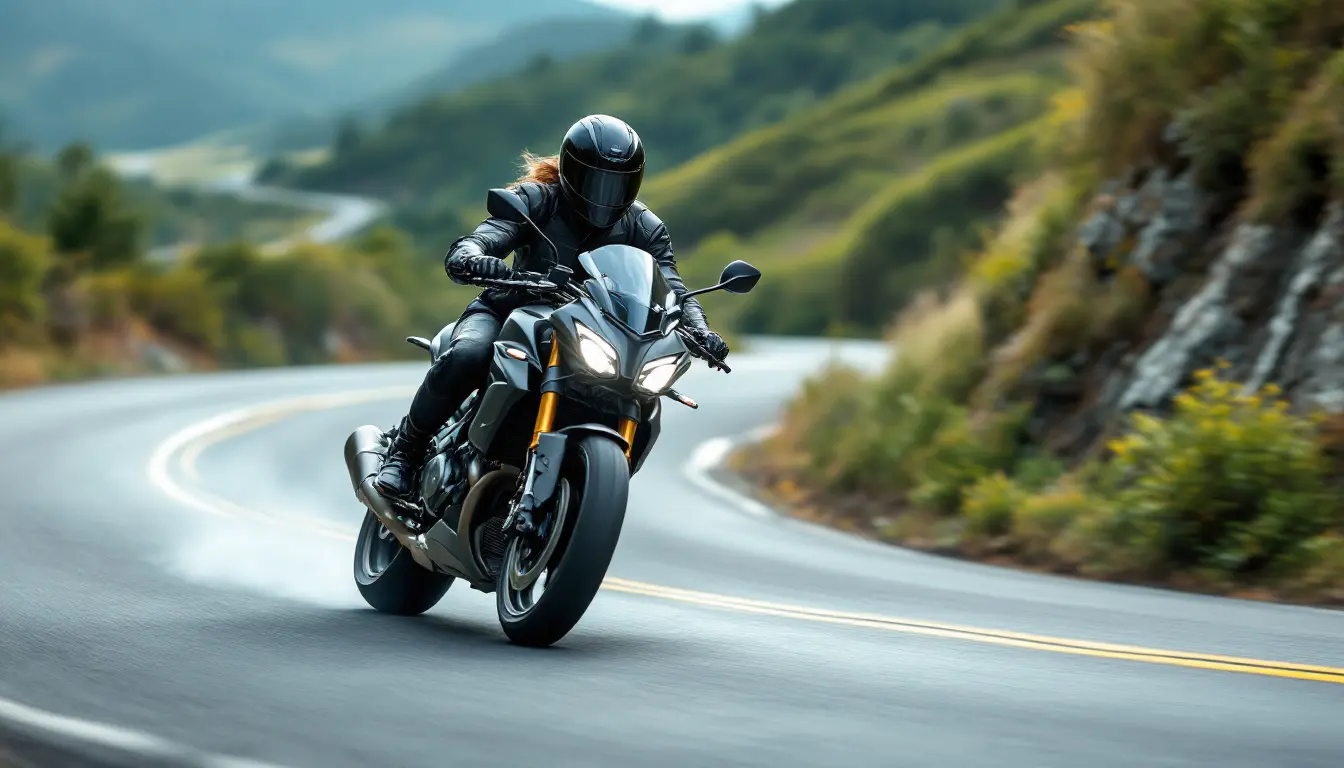
Testimonials on Refining Your Riding Style
“Since I started applying the tips I discovered to refine my riding style, every ride with my motorcycle has become sheer joy. I’ve learned to anticipate turns and properly position my body on the machine, which has given me unwavering confidence. I highly recommend all riders focus on their riding technique!”
“As a novice, I often felt nervous on the road. However, by committing to improving my riding, I gradually gained control and serenity. The secret lies in observing curves and mastering my speed. With practice and these tips, riding has become a true passion for me!”
“I always thought that riding a motorcycle was instinctive, but I realized that mastering riding techniques was essential. Particularly the advice regarding body position and the use of brakes, which have completely transformed the way I ride. It has allowed me to manage tricky moments on the road better, and I feel much more at ease.”
“Refining my riding style has revolutionized the way I travel by motorcycle. Thanks to practical tips, I’ve learned to adapt my riding to weather conditions. For example, knowing when to slow down and being more vigilant on wet roads has allowed me to avoid several dangerous situations. Safety first, of course!”
“Every time I take my motorcycle, I think back to those techniques I’ve learned to optimize my riding experience. Responsible driving has become my priority. It has also helped me create incredible memories with riding friends during our outings together. Truly, continuous improvement is the key!”
Improving your motorcycle riding style is essential to ensure maximum enjoyment and safety on the road. Whether you are a novice or experienced, there are tricks and techniques to optimize your riding. This article offers practical recommendations to adjust your riding, master turns, and ensure an unforgettable experience on two wheels.
1. Body Position
The body position on the motorcycle is crucial for smooth and balanced riding. Adopt a relaxed posture, with arms slightly bent and legs wrapped snugly around the tank. This will help you better control your machine in turns and reduce fatigue during long trips. Don’t forget to keep your back straight and look far ahead, as this will help you anticipate obstacles and maintain an appropriate trajectory.
Adjust your lean
In a turn, lean slightly forward to lower your center of gravity. This contributes to the stability of your motorcycle and allows you to approach curves more safely. Also, align your gaze with the direction you wish to go, as this naturally guides your riding.
2. Managing Turns
Mastering turns is one of the key elements to perfecting your riding style. Take the time to properly analyze the road before entering a curve. Assess the width, surface, and angle of the road. Brake before entering the turn, and gradually release the brake as you enter; this will help you maintain a controlled speed.
Adopt the counter-steering technique
Counter-steering is an advanced technique that allows for better control over your motorcycle’s direction. To do this, gently tilt the handlebars to the side opposite to the desired direction. This triggers a natural lean of the vehicle, making it easier to navigate the curve. Practice this technique in areas with minimal traffic to build confidence.
3. Optimizing Acceleration and Braking
Good control of braking and acceleration is essential to improve your riding. Anticipate stops and brake smoothly to avoid locking the front wheel. In case of emergency braking, coordinate the use of both the front and rear brakes to help maintain your balance.
Accelerate wisely
When exiting a turn, only accelerate after stabilizing your trajectory. This will prevent you from losing control and sliding. Controlled progression also allows you to optimize your trajectory and maintain an appropriate speed.
4. Stay Vigilant and Confident
Vigilance is one of the pillars of safe riding. Anticipate the behaviors of other road users and be ready to react. With every ride, give yourself a period of adjustment to become aware of road conditions. Always stay alert and develop your confidence through experiences, participating in improvement courses if necessary.
Practice regularly
Like any skill, regular practice is essential. Feel free to explore different types of roads, confront various weather conditions, and enter different situations. This will help strengthen your self-confidence and refine your riding style.
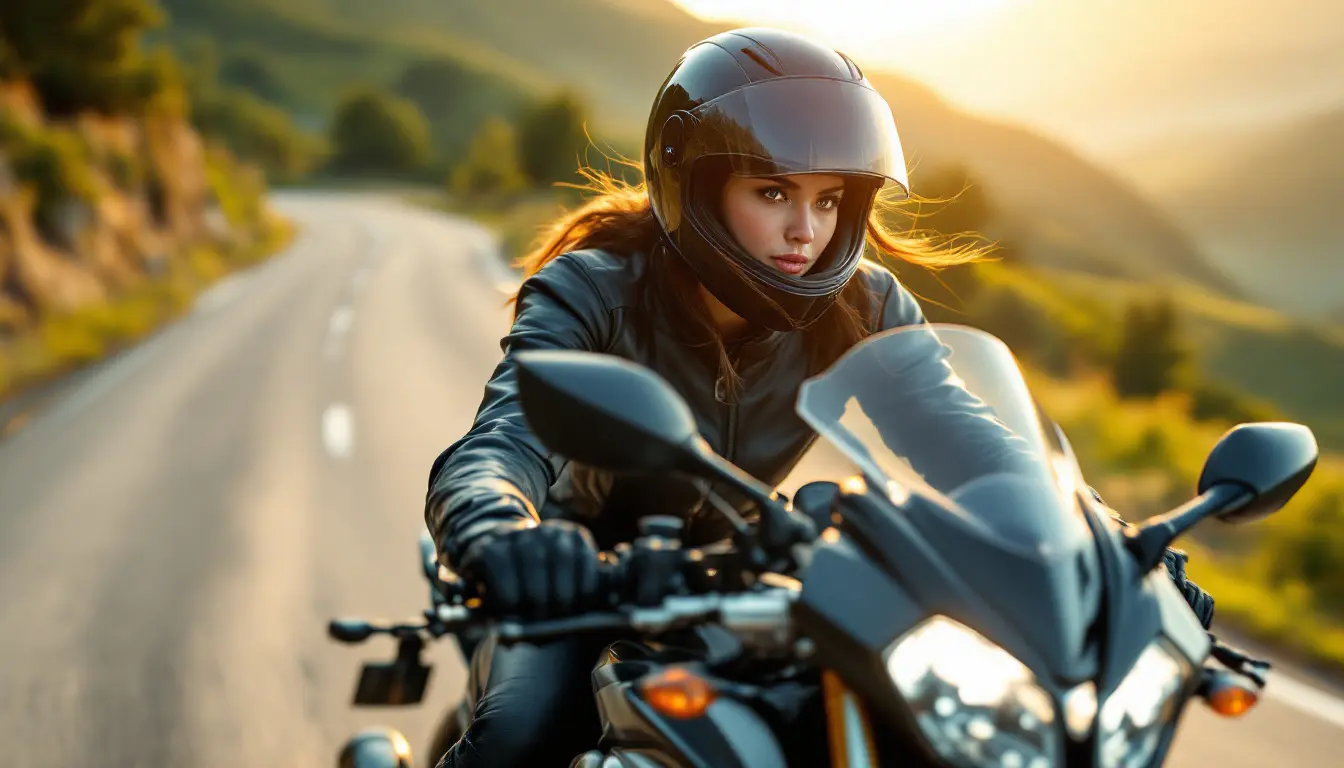
Refining your motorcycle riding style does not come spontaneously. It requires careful attention to numerous technical aspects that can directly influence your safety and enjoyment on the road. The first step is to master your position on the motorcycle. An appropriate posture allows for better control of your machine, optimizes turning, and reduces fatigue during long rides.
Another essential element to consider is your gaze. Learning to look far ahead will help you anticipate turns and potential dangers. This often-neglected technique is crucial for improving your reactivity on the road. Adopting a proactive gaze not only helps you ride your motorcycle better but also raises the alarm on risky situations well before they become problematic.
Do not underestimate the importance of brake management. Being aware of how you use your brakes and their coordination with the throttle can transform your trips into a much more enjoyable experience. Knowing how to modulate pressure on both the front and rear brakes is essential for smooth deceleration and maintaining the stability of the vehicle.
Finally, the psychological aspect of riding remains essential. Cultivating a responsible mindset, by always being aware of your environment and respecting traffic rules, will help you become a better rider. Remember that every ride is an opportunity to learn and progress. Whether you are a beginner or an experienced pilot, it is always possible to improve your riding style to experience unforgettable moments on two wheels.
FAQ: Refining Your Riding Style
Q: What are some tips to improve my position on the motorcycle? Adopting a comfortable position, with slightly bent legs and relaxed hands on the handlebars, can help you better control your machine.
Q: How can I manage turns with more confidence? Lean gently into the turn while allowing your body to naturally follow the curve of the road; this will help optimize your trajectory.
Q: How important is selecting a suitable helmet? A well-fitted helmet suitable for your riding style can improve both your comfort and safety by providing better protection.
Q: Why is it essential to monitor weather conditions? Adjusting your riding to weather conditions, such as rain or wind, allows you to stay alert and anticipate potential dangers on the road.
Q: What are the best practices foreffective braking? Learning to dose the front and rear brakes while remaining stable on the motorcycle is crucial for a safe and controlled stop.
Q: How can I optimize my concentration while riding? Always stay attentive to your surroundings, look far ahead, and avoid distractions to maximize your safety and enjoyment of riding.
Q: What techniques should I master to become a better rider? Focus on anticipating obstacles, taking angles in turns, and controlling your speed to improve your mastery of the road.
Q: What is the impact of accessories on my riding style? Suitable accessories, such as gloves or boots, can enhance your comfort and safety, enriching your riding experience.
Q: How can I customize my motorcycle to better suit me? Equip your motorcycle with accessories that reflect your style while improving your performance, such as grips, mirrors, or modified seats.


