
IN BRIEF
|
Returning to motorcycle riding after a break can be tricky and requires special attention to ensure safety. Indeed, even a short pause can lead to a loss of skills, especially in terms of anticipating turns and managing maneuvers. To ensure a calm and secure return to the road, it is essential to follow some practical advice regarding equipment, focus, and preparation of your vehicle. These key elements will help minimize the risks of serious accidents and promote thoughtful and cautious riding.
Returning to riding your motorcycle after a winter break requires careful preparation to ensure your safety on the road. Whether you are an experienced rider or a new two-wheeled enthusiast, adhering to some essential advice can make the difference between a pleasant ride and a tragic accident. In this article, we will examine the advantages and disadvantages of this important preparation.
Advantages
Preparing for your return to two wheels helps ensure safety on multiple levels. First, checking the condition of the motorcycle is essential. Ensure that the tires are in good condition and that the pressure is adequate. This contributes to better grip on the road and reduces the risk of slipping.
Another advantage lies in the importance of equipment. Wearing a good helmet, a jacket, appropriate pants, as well as gloves and boots is imperative. This gear, far from being just an accessory, constitutes essential protection against injuries. It is also recommended to invest in an airbag vest for increased safety.
Finally, psychological preparation plays a significant role. By taking the time to review riding rules and anticipate dangerous situations, riders can improve their focus and responsiveness. Staying humble and aware of one’s own limits is a key factor in avoiding accidents. This also includes not getting distracted by devices such as earphones.
Disadvantages
Practical riding after several months of inactivity can lead to a loss of skills. In this case, it is possible that an unaccustomed rider may tend to cut corners, which increases the risk of accidents. It is therefore vital to gradually regain reflexes before hitting the road.
Moreover, some riders may underestimate the time needed for proper preparation. A careful check of the motorcycle, as well as its maintenance, requires a certain time investment, which may be overlooked out of impatience to resume riding.
Finally, there is always an inherent risk in traffic. Even with proper preparation, it is impossible to control the behavior of other road users. Staying vigilant and ensuring one’s own safety remains paramount.
Getting back on the motorcycle after a prolonged break requires adequate preparation. Whether it’s after winter or simply after a period without riding, it is crucial to remember some tips to ensure safe riding. This guide offers practical recommendations to help you regain confidence and vigilance on your two-wheeler.
Safety Equipment: Essential Before Starting
First and foremost, it is important to ensure that you are well-equipped. Investing in a good helmet, an appropriate jacket, gloves, pants, and boots is essential for your safety. Do not underestimate the importance of these elements, as even a simple accident can lead to serious injuries if you are not properly protected. Additionally, an airbag vest can be an excellent addition to enhance your safety on the road.
Checking the Motorcycle: The Foundation of Safety
Before hitting the roads, taking the time to check the condition of your motorcycle is fundamental. Check the tire pressure, the battery condition, and the electrical components. A motorcycle in good condition is crucial to avoid serious incidents. Also, ensure that oil levels and the braking system are operational.
Anticipation and Concentration: Keys to Success
The advice from the motorcycle community often emphasizes the importance of anticipation and concentration. Remember that you may not always be visible to other road users. Keep in mind not to take unnecessary risks and ensure your safety by staying attentive to your surroundings.
Stay Humble and Don’t Overestimate Yourself
Another very important aspect is not to consider yourself a superhero. Many experienced riders remind that staying humble is crucial for your safety. Avoid exceeding your skills, especially if you haven’t ridden for a while. This can help prevent accidents and keep your confidence level in check.
Participate in Refresher Sessions
For those wishing to get back on the motorcycle safely, participating in awareness and training events is an excellent idea. Events such as the Departmental Motorcycle Safety Days can provide valuable advice and interactions with other riders. These sessions will remind you of the good reflexes to have on the road.
Engage with the Community
Do not underestimate the power of a riding community. Discussing safety with other road users can give you valuable insights. You can share experiences and stay informed about best practices. Platforms like Big Ben Motorcycle provide resources and opportunities for motorcycle meet-ups.
By keeping these recommendations in mind, you will increase your chances of returning to the road safely and avoiding serious accidents. For additional advice on putting these recommendations into practice, feel free to consult further online content on motorcycle safety.

Resuming riding after a period of inactivity can be both exciting and stressful. It is crucial to prepare adequately to ensure your safety on the road. This guide offers practical advice to help you regain confidence while minimizing accident risks. Whether it’s through checking your gear, focusing your attention, or staying humble in the face of dangers, every detail matters for a smooth return to the roads.
Equipment Check: The Key to Safety
Before taking the handlebars again, it is essential to ensure that your equipment is in perfect condition. A good helmet, a jacket, reinforced pants, gloves, and boots! These are the minimum requirements for riding safely. Remember that the quality of your protection can literally make the difference in case of a fall. Furthermore, an airbag vest can provide valuable additional protection.
Inspect Your Motorcycle: Maintenance First
Before hitting the road, do not forget to check the overall condition of your motorcycle: tire pressure, battery condition, and electrical components. It’s a quick task and can prevent many inconveniences. Ensure that each component is functioning properly, as a mechanical failure can have serious consequences.
Gradually Get Back in the Saddle
If you haven’t ridden in several months, start slowly. Do not immediately take long trips or unknown roads. Rather, choose familiar and short routes to gradually regain confidence. Avoid also the urge to show off your riding skills, as caution is paramount.
Anticipate and Focus: Two Imperatives
When you return to riding a motorcycle, always keep in mind that other road users might not see you. Anticipating the mistakes of other drivers is essential. Stay vigilant and concentrate on your riding, avoiding distractions such as earphones or music. These devices can disrupt your attention and increase the risk of accidents.
Stay Humble About Your Skills
Whether you are an experienced rider or less skilled, it is crucial to stay humble. Do not underestimate the dangers of the road and do not exceed your skills. Remember that even if your motorcycle is equipped with driving aids, it does not entirely protect you from surprises. Being aware of your limits is essential for safe riding.
Participate in Road Safety Events
Initiatives such as the Departmental Motorcycle Safety Days are welcome for getting back in the saddle. These events offer practical advice and exchanges between motorcyclists and police officers. It is beneficial to participate to learn to better manage road risks, while staying alert to new regulations.
Learn More About Motorcycle Safety
To deepen your knowledge, do not hesitate to consult additional resources such as routes suitable for beginner riders or navigation systems for riders. Furthermore, articles on daily motorcycle use and on the dangers of the road can also provide valuable information for your safety.
Preparing Your Return to Two Wheels: Essential Advice
| Advice | Description |
|---|---|
| Equipment Check | Make sure that the helmet, gloves, and protective clothing are in good condition. |
| Condition of the Motorcycle | Check the tires, battery, and electrical components before hitting the road. |
| Anticipation | Stay vigilant and anticipate the movements of other road users. |
| Concentration | Avoid distractions such as earphones. Stay focused on the road. |
| Humility | Recognize your limits. Do not exceed your riding skills. |
| Continuous Training | Participate in road safety awareness sessions to improve your skills. |
| Use of Aids | Do not rely solely on technology; stay cautious. |
| Physical Condition | Ensure your physical condition before resuming riding. |
| Mental Preparation | Mentally prepare for returning to riding after a long break. |

Getting back on the motorcycle after a prolonged break can be a real challenge. It is important to keep in mind that one can lose skills if one does not practice regularly. In particular, when approaching a turn, an unaccustomed person tends to cut the turn, forgetting that a left turn must be anticipated by positioning oneself as far right as possible.
To regain confidence and safety on the road, some common-sense tips are imperative. First of all, equipment is paramount. It is advisable to invest in a good helmet, as well as a jacket, pants, gloves, and boots. The use of an airbag vest should not be underestimated, as it can greatly contribute to the protection of the rider. It is essential to remember that wearing a helmet should not encourage reckless behavior, as an accident at high speeds can cause serious injuries.
Before resuming riding, it is imperative to check the condition and pressure of the tires, as well as to ensure that the battery and electrical components are in good condition. These checks are the necessary foundation for a safe return to riding.
Experienced riders advise to anticipate and focus when returning to the road. Staying vigilant by keeping in mind that one may not be seen by other road users is crucial. Moreover, having a motorcycle equipped with driving aids should not lead to complacency. It is fundamental to stay humble and aware of the risks taken on two wheels.
Finally, avoiding any distractions, such as using earphones or intercoms in the helmet, can prevent potentially serious accidents. Steering clear of these distractions allows you to fully focus on riding. Safety comes from caution and respect for one’s own limits, as exceeding one’s skills can lead to dangerous situations.
To improve and share practical advice, events such as the Departmental Motorcycle Safety Days are organized. These sessions are ideal opportunities to exchange directly with users and police officers and thereby raise awareness of road risks while learning how to get back on the saddle after a period of inactivity on the roads.
Returning to the motorcycle after a period of inactivity can be tricky. Indeed, it is crucial to remember certain recommendations to avoid serious accidents. This article presents practical advice on equipment, checking the motorcycle, the importance of anticipation, and concentration on the road, as well as reminders to remain humble as a driver.
Safety Equipment: Don’t Leave Anything to Chance
Before hitting the road again, it is essential to ensure that you are properly equipped. A good helmet is indispensable, as it reduces the risk of serious injuries in case of a fall. Remember that wearing a helmet should not encourage reckless behavior. Beyond 40 or 50 km/h, the consequences of an accident can be catastrophic.
In addition to the helmet, a jacket, pants, gloves, and boots are the minimum requirements. For extra protection, an airbag vest can prove very useful and should not be seen as a mere gadget. This clothing preparation contributes to your safety and reduces the risk of injuries in case of a fall.
Check the Motorcycle Before Hitting the Road
Before getting back in the saddle, it is imperative to perform a meticulous check of your motorcycle. Start by checking the condition and pressure of the tires, which have a direct impact on maneuverability and safety. Next, examine the battery and electrical components to ensure everything is functioning correctly. This is the basis for a successful and safe return to two wheels.
Anticipation and Concentration: Key Elements
Being attentive and anticipating the actions of other road users is essential for safe riding. Keep in mind that you may not always be visible. Therefore, it is advisable to stay vigilant and anticipate the maneuvers of other vehicles. Seeking concentration is also crucial; avoid listening to music or using intercoms that might distract your attention.
Stay Humble and Realistic
Finally, one of the most important pieces of advice to follow is to stay humble on the road. Do not be tempted to exceed your limits, especially if you are coming back from a long break. New technologies, such as driving aids, should not give you a false sense of security. A competent rider must always be aware of their capabilities and the risks associated with riding.
To enhance your skills and safety on the road, numerous initiatives such as the Departmental Motorcycle Safety Days are organized. These events allow you to familiarize yourself with the dangers of riding and provide opportunities to exchange and learn from other riders and road safety professionals.
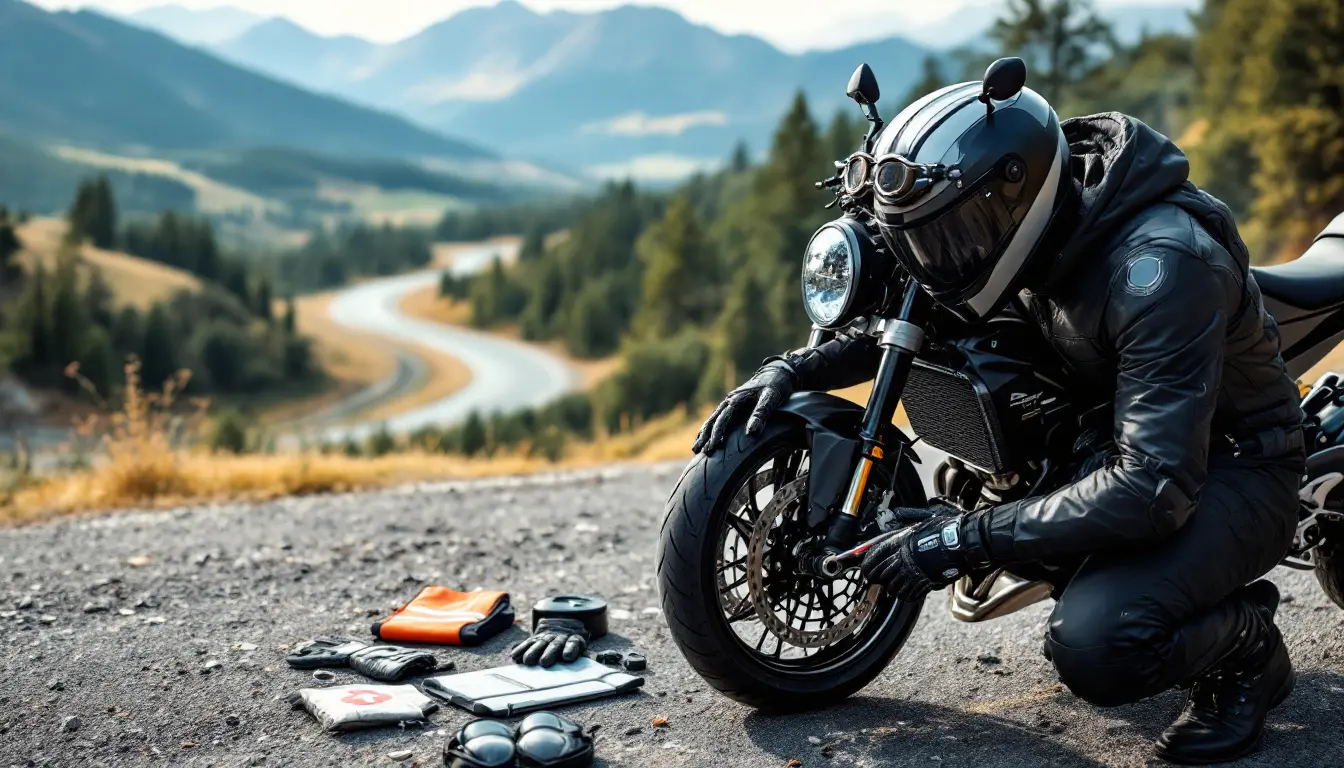
The safety of riders must be a priority, and it begins with proper preparation before returning to the road. A long period without riding can impair the reflexes and skills necessary for riding. It is crucial to remember that skills can deteriorate after a few months of inactivity. Special attention must be paid to approaching turns, where an unaccustomed rider might be tempted to cut the turn, neglecting the importance of positioning themselves correctly to anticipate the maneuver.
Equipment is also a key factor in ensuring safe riding. A good helmet, along with a jacket, gloves, boots, and appropriate pants, constitutes the indispensable basic gear for any rider. The use of an airbag vest, far from being a trivial accessory, can save lives in case of an accident. Indeed, even an experienced rider can suffer serious injuries at speeds above 40 or 50 km/h.
Before leaving the garage, it is imperative to conduct a complete check of the motorcycle, ensuring that the tires are in good condition, that the pressure is adequate, and that all electrical systems are functioning correctly. This checklist is crucial for preventing any incidents. Then, on the road, it is essential to stay attentive and focused. Do not listen to music or use earphones, as this can distract the driver, increasing the risk of accidents.
Finally, one must never underestimate the importance of humility. Not overestimating oneself and recognizing one’s limits are essential attitudes for staying safe on the road. Participating in awareness or riding workshops, like those organized during the Departmental Motorcycle Safety Days, can provide practical advice and opportunities to exchange with other riders and road safety professionals.
FAQ: Preparing Your Return to Two Wheels
Q: How to return to the motorcycle safely after a long absence?
A: It is crucial to re-acclimate to riding by taking precautions, especially by anticipating turns and adjusting to riding.
Q: What equipment is indispensable before resuming riding?
A: A good helmet, a jacket, pants, gloves, and boots are the minimum requirements. An airbag vest is also recommended.
Q: Why is it important to check the condition of the motorcycle before hitting the road?
A: Checking the condition of the tires, battery, and electrical components is essential for ensuring safe riding.
Q: What advice can be given to stay safe on the road?
A: It is important to anticipate and concentrate while riding. Keeping in mind that you might not be seen by other users is fundamental.
Q: What to do to avoid becoming too confident with driving aids?
A: Staying humble is essential. Aids do not guarantee total protection, and it is important not to exceed your skills.
Q: Is it a good idea to ride with earphones or intercoms?
A: No, this can distract the rider. It is preferable to ride without music or intercoms to remain attentive to the road.
Q: Where can one obtain more advice and training for safe riding?
A: Events such as the Departmental Motorcycle Safety Days offer advice and exchanges with users and police officers to raise awareness of road risks.


