
IN BRIEF
|
Mental preparation is an essential element for successfully completing your long motorcycle trips. More than just an adventure, a journey on two wheels requires facing various physical and psychological challenges. Anticipating moments of fatigue, managing stress, and cultivating a positive attitude are indispensable assets for fully enjoying these explorations. By preparing mentally, you will not only maximize your endurance, but also your ability to savor every moment on the road, transforming your journey into an unforgettable experience.
Traveling by motorcycle over long distances is an exhilarating adventure that requires not only good physical preparation, but also adequate mental preparation. This article explores the advantages and disadvantages of this mental preparation, equipping you for safer and more enjoyable rides on the road.
Advantages
Mental preparation allows you to condition yourself for the emotional and psychological challenges that come with long journeys. Being mentally prepared helps to better manage stress, boredom, and fatigue, factors that can severely impact your experience.
Improved Concentration
A clear mind is crucial when driving long distances. Mental preparation promotes better concentration, allowing you to remain alert to dangers on the road, such as approaching vehicles or unexpected obstacles.
Stress Management
Setting off on a long trip can be a source of anxiety. Mental preparation teaches relaxation and emotional management techniques to maintain calm and serenity, contributing to a more enjoyable driving experience.
Establishing Clear Goals
Setting goals before a long journey can motivate and provide direction. It allows you to focus on the steps of the trip, from planning the itinerary to necessary breaks, while increasing the sense of accomplishment.
Disadvantages
While mental preparation has its advantages, it also has some disadvantages. Addressing these aspects is crucial to avoid potential pitfalls during your trips.
Psychological Pressure
Feeling obligated to be in a constant state of mental preparation can create unnecessary pressure. This can hinder your ability to fully enjoy the trip, turning this passion into a source of anxiety.
Perception of Challenges
Overly rigid mental preparation can alter the perception of challenges. Instead of viewing the unexpected as adventures, one may develop a negative attitude towards obstacles, thus hindering the enjoyment of the road.
Balance Between Preparation and Spontaneity
Finding the right balance between mental preparation and spontaneity is essential. Over-preparation can eliminate the element of surprise that makes each journey unique, thereby limiting enriching experiences along the way.
To embark on a long motorcycle trip, it is essential to prepare mentally in order to maximize enjoyment and safety during the adventure. This guide will help you understand the importance of mental preparation, the techniques to adopt to manage stress, and how to stay focused throughout the itinerary.
Understanding the Importance of Mental Preparation
Mental preparation is as crucial as checking your equipment or motorcycle. It helps to strengthen your self-confidence, manage your emotions, and cope with the unexpected on the road. Having a positive mindset will help you fully enjoy every moment of your trip.
Techniques to Strengthen Your Mind
Meditation and Visualization
Meditation is an excellent way to calm your mind and psychologically prepare for your journey. Take a few minutes each day to focus on your breathing and visualize your itinerary. Imagine yourself traveling through beautiful landscapes and feeling that sense of freedom that comes with motorcycle travel.
Establish Clear Goals
Before you set off, take the time to define your goals for the trip. What do you want to achieve or discover? Having a clear vision of your experience will keep you motivated and give meaning to every mile traveled.
Preparation for the Unexpected
Long motorcycle rides often hold surprises. Practice managing unexpected situations, whether it’s a flat tire or a change in weather. By mentally preparing for various scenarios, you will be better equipped to react quickly and calmly.
Managing Stress and Fatigue
Learning to manage stress and fatigue is essential for ensuring safe driving. Plan regular breaks to rest and relax. Listen to your body and don’t hesitate to take a break if you feel fatigued. Adopt relaxation techniques, such as stretching or breathing exercises, to recharge yourself.
Staying Focused on the Road
Maintaining a high level of concentration is essential during a long journey. Avoid distractions, such as your phone or overly engaging conversations. Focus on your driving and your environment to ensure your safety while enjoying the adventure.
Regular Riding Practice
Before embarking on a long journey, it may be beneficial to take a few shorter rides. This will help you get used to the duration of driving and develop your endurance. The more comfortable you feel on your motorcycle, the more your self-confidence will increase.
Concluding Your Mental Preparation
Every motorcycle trip is a unique adventure, and good mental preparation contributes to making it a memorable experience. By integrating these techniques, you will feel more serene, motivated, and ready to explore the roads. Also, make sure to remain flexible and open to the unexpected, as it is often these unforeseen moments that make a journey unforgettable.
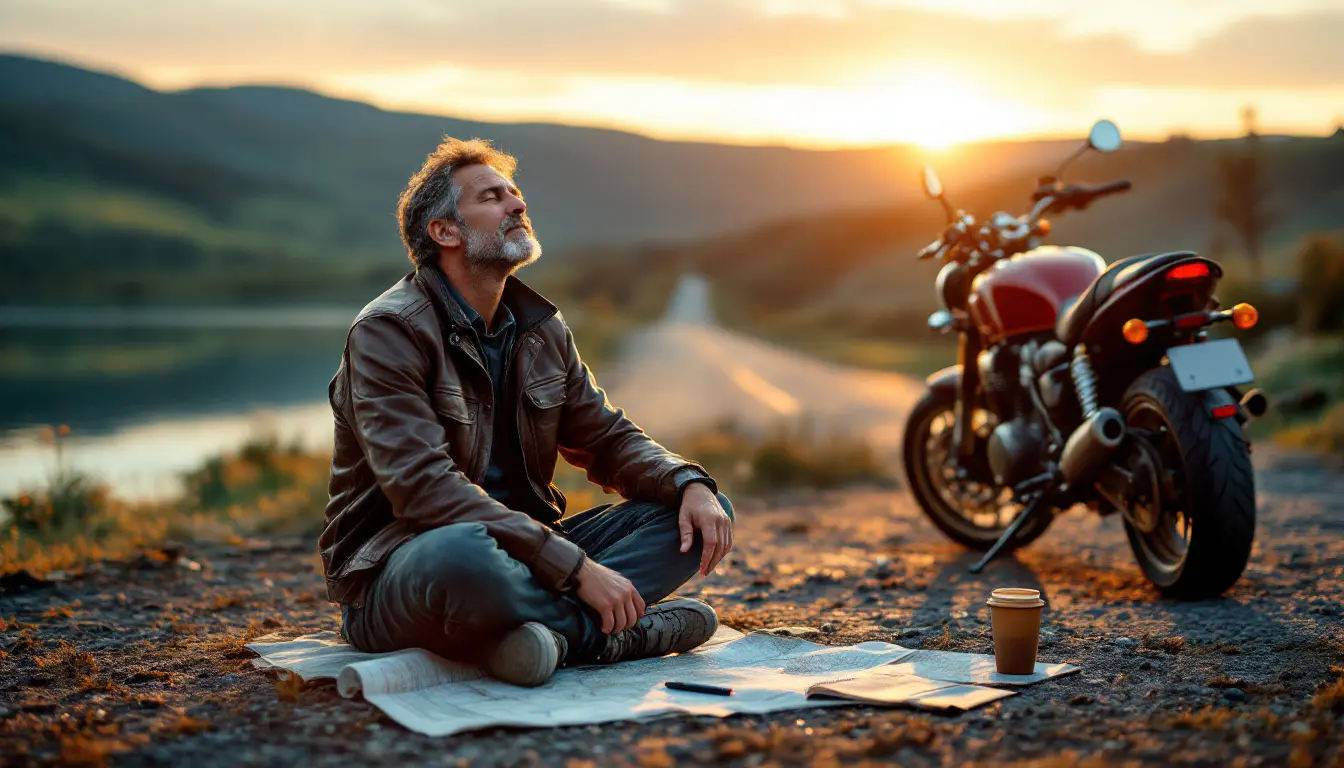
A long motorcycle trip is an exhilarating adventure that requires not only physical preparation but also adequate mental preparation. Indeed, the environment is often unpredictable and can test your focus, endurance, and patience. This article will present key tips for preparing mentally so that your experience is as enjoyable and serene as possible.
Visualizing Your Route
Before hitting the road, it’s important to visualize your route. By imagining yourself on your motorcycle, traversing landscapes and facing various challenges, you positively condition yourself. This can also help you anticipate difficult moments and find solutions in advance. Don’t hesitate to map out your itinerary, noting points of interest and possible breaks.
Setting Realistic Goals
Establish clear and achievable goals for your trip. Whether it’s in terms of kilometers to cover each day or places to visit, this will help you stay on track without feeling rushed. Keep in mind that it is essential to take the time to appreciate the journey, rather than focusing solely on the final destination.
Practicing Meditation and Mindfulness
Meditation and mindfulness practices can greatly help improve your concentration and inner calm. Allow yourself a few minutes every day to take deep breaths and refocus. This can also help you better manage stress related to traffic or weather conditions during your trip.
Balance Between Solitude and Camaraderie
Long motorcycle rides can be both lonely and rewarding in terms of camaraderie, especially if you travel in a group. Find the right balance between these two aspects. The time spent alone on the road allows you to reconnect with yourself, while sharing moments with other riders can create unforgettable memories. Decide when you want to be solo and when you prefer company.
Preparing a Psychological Support Kit
Finally, consider putting together a psychological support kit. This can include books, podcasts, or even playlists that inspire you. Having these resources on hand will help you maintain morale during moments of doubt or fatigue. Don’t hesitate to plan breaks to enjoy them!
Comparison of Mental Preparation Strategies for Motorcycle Trips
| Strategy | Description |
| Visualization | Imagining the journey and the landscapes to enhance motivation. |
| Stress Management | Breathing or meditation techniques to remain calm during the ride. |
| Clear Goals | Setting realistic goals for each stage of the trip. |
| Listening to Yourself | Being attentive to your body’s signals to avoid excessive fatigue. |
| Mental Preparation | Anticipating the unexpected and mentally preparing to face it. |
| Positive Visualization | Projecting yourself into positive experiences to boost confidence. |
| Empowerment | Bolstering your confidence in your riding skills. |
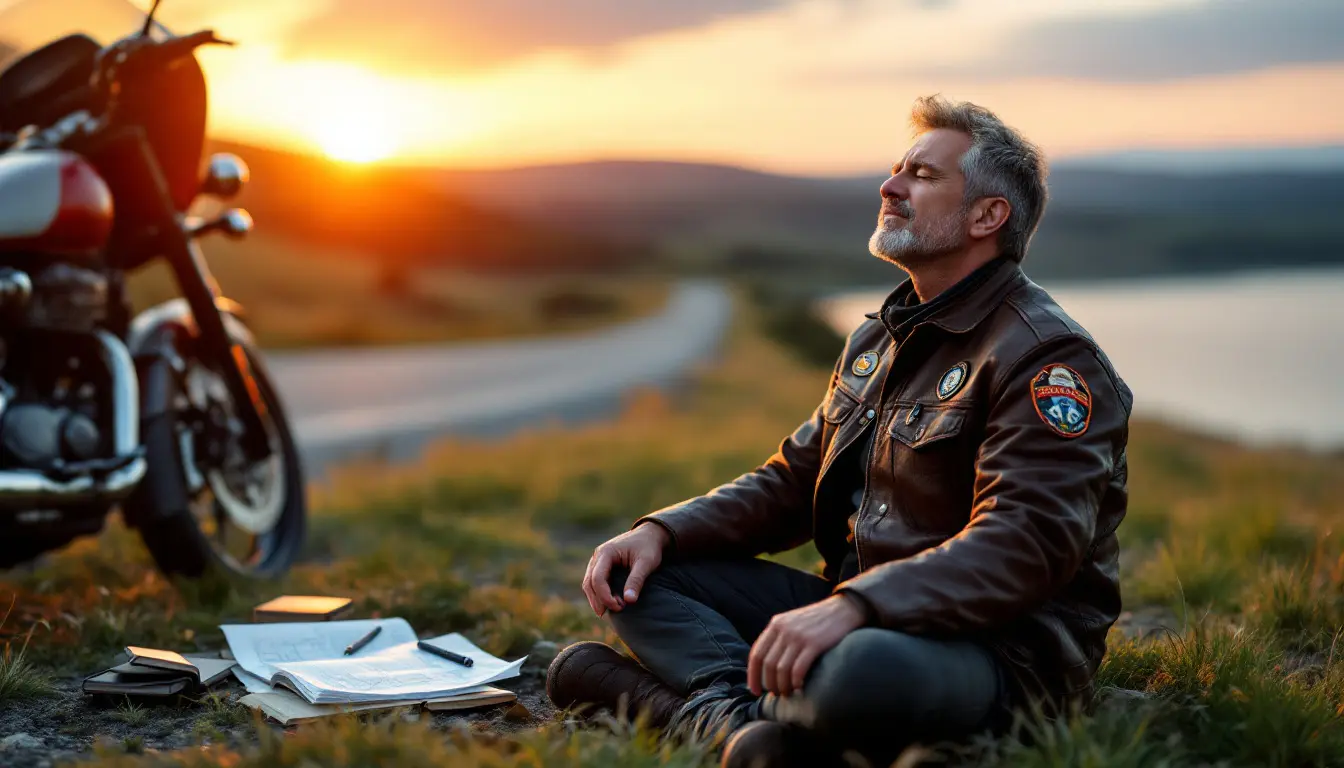
Testimonials on Mental Preparation for Long Motorcycle Trips
During my previous motorcycle trips, I realized that mental preparation holds as much importance as physical training. Once, while riding through the mountains, I had a moment of doubt. Fatigue was affecting me, but by focusing on my destination and the beautiful landscapes around me, I was able to overcome that obstacle. The anticipation of a rewarding adventure is an invaluable source of motivation.
Another biker friend shared his experience with me. He emphasized the importance of visualizing his route before departure. Every year, he takes the time to project himself into his journey, imagining himself crossing iconic places and meeting wonderful people. This method helps him not only manage anxiety but also strengthens his commitment to the upcoming adventure.
The practice of meditation is also a point often mentioned by seasoned riders. One day, during a long trip through Europe, I attempted breathing exercises before getting on my motorcycle. By refocusing on my breath, I found that I could concentrate more on the road and reduce the stress accumulated during hours of riding. This approach transformed my riding experience into a more serene moment.
Another rider shared his unique strategy: writing a logbook before a trip. He captures his thoughts, hesitations, and the goals he wishes to achieve. This reflection process not only clarifies his expectations but also cultivates a positive mindset. He claims that whenever he rereads these notes during his trips, it gives him a boost of energy and motivation.
Finally, the importance of mental flexibility cannot be overstated. During an adventure, unexpected situations can arise at any moment. One of my friends recounted how he was forced to change direction due to a closed road. Instead of panicking, he chose to turn this situation into an opportunity to discover an unknown region. Adopting an open and positive attitude can truly enrich a journey.
Mental Preparation for Long Motorcycle Trips
Mental preparation is a crucial element when it comes to long motorcycle trips. It not only helps to anticipate the challenges that will present themselves on the road but also to better manage the unexpected. In this article, we will discuss techniques and tips to optimize your mindset before you leave, ensuring you have a rewarding and memorable experience on your two-wheeler.
Anticipation and Visualization
Before hitting the road, it is important to visualize your journey. Imagine yourself riding through different landscapes, feeling the freedom and excitement of the adventure. This visualization technique helps reduce anxiety and prepares your mind for the various elements of the trip. For example, think of the relaxing moments during stops or the challenges you might encounter, such as winding roads or unpredictable weather conditions.
Establish Clear Goals
Defining clear goals for your trip is also crucial. Whether it’s reaching a specific destination each day or exploring new places, these goals will provide you with direction. Ensure that these targets are realistic and adaptable, as flexibility is essential in case of inconveniences on the road. Avoid imposing too strict constraints on yourself, as this could lead to stress and fatigue.
Stress and Anxiety Management
Managing stress is essential to ensure your comfort on the road. Learn to recognize your physical sensations and emotions. During long hours of riding, it is normal to experience a certain level of anxiety. Deep breathing and taking regular breaks will help relieve pressure. Also, consider practicing meditation or mindfulness exercises before departure to center your mind and promote relaxed driving.
Relaxation Techniques
Use relaxation techniques when you feel tense. Practices like yoga, stretching, or even breathing exercises can help calm your mind and prepare your body for the long trip. They contribute to increasing your concentration, which is key for your safety and that of other road users.
Physical Preparation and Mental Endurance
A long motorcycle trip also requires good physical condition. You must address both mental and physical fatigue. In addition to preparing your body to endure the kilometers, you need to prepare your mind to stay alert and attentive. Regular exercise before your departure can strengthen your endurance and improve your self-confidence.
The Importance of Staying Hydrated and Nourished
During your trip, it is vital to stay hydrated and eat well. Plan healthy snacks and frequent stops to refuel your energy. This will help maintain your concentration and positive mood throughout your journey.
Communicating with Other Riders
Exchanging with other motorcycle enthusiasts can be beneficial for your mental preparation. Joining forums or discussion groups allows you to share experiences and advice. This not only enhances your motivation but also provides moral support in case of doubts or fears. Camaraderie is a powerful lever for approaching journeys with serenity.
Preparing for the Unexpected
Finally, it is essential to mentally prepare for the unexpected that may occur on the road. Having a positive attitude toward uncertainties, developing your adaptability, and staying calm in unexpected situations will allow you to fully enjoy your adventure, even if the path doesn’t go as planned. Every challenge overcome becomes an enriching new experience.

Mental preparation is often overlooked but is essential when planning a long motorcycle trip. Before you even get on your two-wheeler, it is crucial to adopt a positive and determined mindset. Preparing psychologically helps manage the unexpected and face the challenges that the road can present. Visualizing your itinerary and the landscapes you will discover contributes to motivating the mind and establishing a deep connection with your journey.
Another key element of this mental preparation is stress management. Long motorcycle trips can be exhausting, both physically and psychologically. By integrating relaxation techniques such as meditation, deep breathing, or even regular breaks to refocus, you prepare yourself to maintain your concentration and remain calm in the face of unforeseen situations on the road.
Furthermore, setting realistic goals and carefully considering the distance you wish to cover each day is essential for maintaining good motivation. Listening to your body and mind during the trip, while being aware of your limits, will allow you to fully enjoy the experience without risking exhaustion. By accepting that each day on the road may involve challenges, you will demonstrate flexibility and adaptability, valuable qualities during a long motorcycle journey.
Finally, do not underestimate the power of the motorcycle community. Exchanging experiences and advice with other enthusiasts can provide valuable perspectives and enhance your enthusiasm for the adventure ahead. Thus, mental preparation is inseparable from a successful trip; it enriches not only the experience but also your passion for adventure on two wheels.
FAQ: Mental Preparation for Long Motorcycle Trips
Q: Why is it important to prepare mentally before a long motorcycle trip? Mental preparation is essential to anticipate the challenges you may encounter on the road, such as fatigue or the unexpected. It helps you stay focused and fully enjoy your adventure.
Q: How can I manage stress during long motorcycle rides? Taking regular breaks, practicing breathing exercises, and having a clear itinerary can help reduce stress during your travels.
Q: What mental techniques can help during a long journey? Techniques such as positive visualization, meditation, and affirmations can strengthen your confidence and improve your riding experience.
Q: Is it necessary to condition oneself mentally for a solo road trip? Yes, mental preparation is even more crucial for a solo trip, as it helps manage loneliness and unexpected challenges.
Q: How can I avoid feeling overwhelmed during long rides? Setting achievable daily goals, maintaining a flexible attitude, and being open to new experiences can help manage feelings of overwhelm.
Q: What should I do if I feel anxious during the trip? It is important to acknowledge this anxiety. Take breaks, rest, and remind yourself of the reasons why you love motorcycle travel.


