
IN BRIEF
|
In a constantly evolving world, the motorcycle industry is transforming in response to growing environmental challenges. Today, electric propulsion and hydrogen are emerging as alternatives to traditional internal combustion engines. Each of these technologies presents strengths and limitations that redefine the riding experience. What choices are available to tomorrow’s motorcyclists? Let’s explore the advantages and challenges of these two promising options.
In the face of current environmental challenges, the motorcycle industry is evolving towards new propulsion technologies. In this article, we will examine the two most promising options: electric propulsion motorcycles and hydrogen motorcycles. We will analyze the advantages and disadvantages of each solution to determine which choice to adopt for a sustainable future.
Advantages
Electric motorcycles
Electric motorcycles have several major advantages. First of all, they have a reduced ecological impact, thanks to their zero direct emissions. Equipped with lithium-ion batteries, they allow for silent riding, which enhances rider comfort while reducing noise pollution.
In terms of performance, electric motors offer instant torque, ensuring quick and smooth acceleration. Furthermore, many models allow for home charging, making them easy to use on a daily basis.
Hydrogen motorcycles
Motorcycles using a hydrogen fuel cell also present significant advantages. Their superior range, which can exceed 300 km per charge, makes them ideal for long journeys. Additionally, the refueling time is comparable to that of a traditional gasoline fill-up, which enhances the practicality of this type of vehicle.
Another interesting quality of hydrogen motorcycles is that they only emit water vapor, which is a real asset for the environment, provided that the hydrogen is produced sustainably.
Disadvantages
Electric motorcycles
Despite their advantages, electric motorcycles face limitations. One of the main drawbacks lies in the charging time of their batteries, which can be quite long depending on the models. Moreover, the production of these batteries remains energy-intensive, raising questions about their long-term ecological footprint.
Hydrogen motorcycles
Hydrogen motorcycles, although a promising technology, also face challenges. The development of refueling infrastructures remains a major barrier to their adoption, limiting their accessibility for consumers. Additionally, hydrogen production often relies on fossil fuels, even though more sustainable solutions are being explored.
Finally, hydrogen models are generally more expensive due to their recent technology, which can be a barrier to purchase for many riders.
The motorcycle of the future: between electric propulsion and hydrogen, which choice to adopt?
A revolution in the motorcycle world is approaching, manifested by the emergence of new technologies: electric propulsion and hydrogen. These alternatives to internal combustion engines offer innovative solutions to environmental challenges. In this article, we will examine the characteristics, advantages, and disadvantages of these two technologies to help motorcyclists make the best choice for the future of their experience on two wheels.
Electric motorcycles: advantages and challenges
Electric motorcycles are making headlines due to their ecological design and ease of use. Thanks to lithium-ion batteries, they offer a generous range of 80 to 140 km depending on the models. What sets them apart is their zero direct emissions, which reduces the carbon footprint of the transportation sector.
The performance of electric motors is not lagging behind: they provide instant torque, ensuring a smooth and rapid acceleration. In addition, their silent operation contributes to a pleasant ride while minimizing noise pollution.
However, electric motorcycles have limitations. The charging time can be long and battery production requires a considerable amount of energy. Nevertheless, the expected technological advancements suggest improvements on the horizon.
Hydrogen: a promising solution
Hydrogen motorcycles, on the other hand, use a fuel cell to convert hydrogen into electricity, emitting only water vapor as waste. This technology offers a range superior to that of electric motorcycles, easily exceeding 300 km per charge. Furthermore, the refueling speed is comparable to that of a traditional gas fill-up, which is a major asset for riders on the go.
However, the development of hydrogen distribution infrastructures still faces significant challenges. Accessibility to this technology remains limited, and its production often requires fossil energy sources, even though initiatives to use renewable energy are multiplying.
Environmental and economic considerations
The choice between electric and hydrogen motorcycles must take into account their overall environmental impacts. Electric motorcycles contribute to reducing direct emissions, but their manufacturing has a significant ecological footprint. In contrast, hydrogen could potentially offer a cleaner life cycle if produced using renewable energy.
Economically, electric motorcycles benefit from industrialized production and tax incentives in many European countries, while hydrogen models remain more expensive due to their emerging technology and a lack of suitable infrastructures. This results in higher production and operating costs for hydrogen.
Towards a coexistence of technologies
Rather than opposing each other, it is likely that the future will see complementarity between these two solutions. Electric motorcycles would be ideal for urban trips, due to their sufficient range and the ability to charge at home. On the other hand, hydrogen could be preferred for long trips or in more demanding segments, such as off-road motorcycles.
Manufacturers are investing in both technologies to meet the diverse expectations of riders. For example, Kawasaki recently unveiled a hybrid prototype that combines an electric battery with a hydrogen fuel cell, illustrating this trend toward technological complementarity.
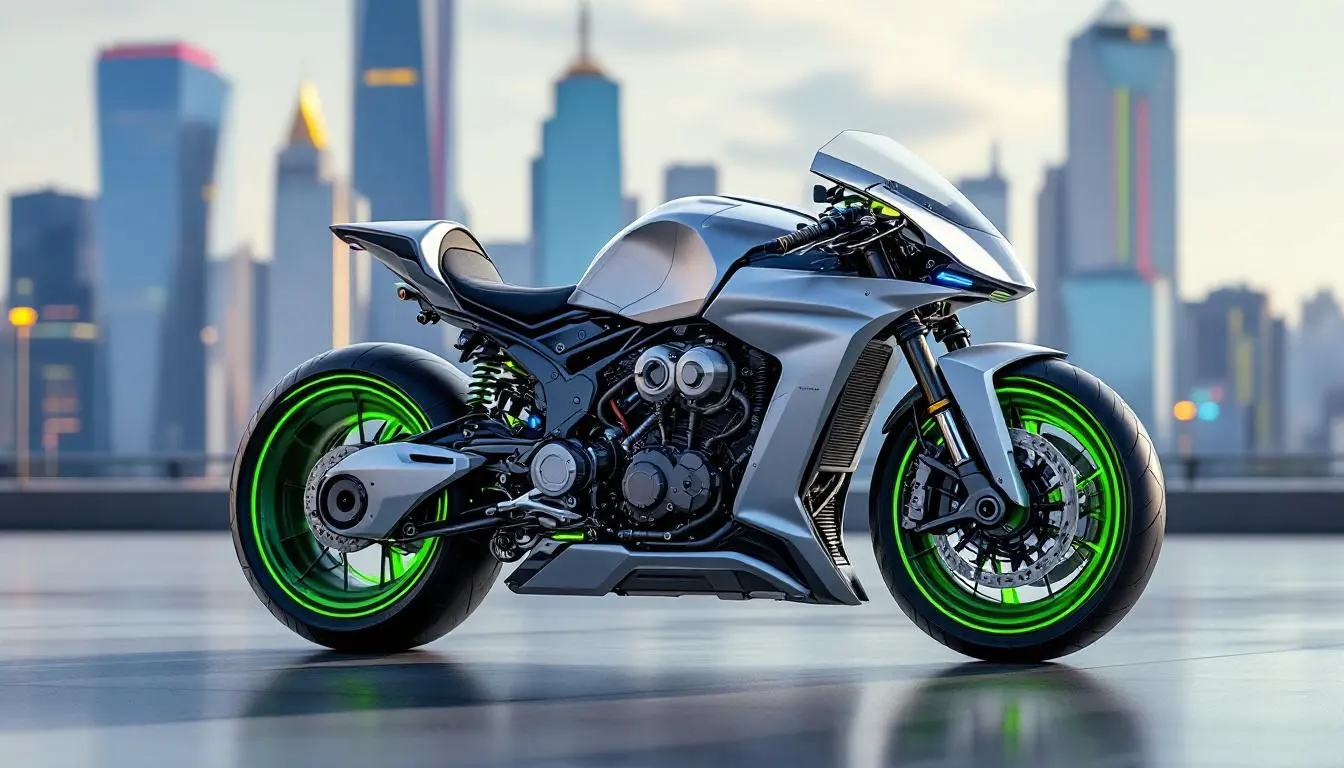
The revolution of two-wheelers is underway with two main protagonists vying for the stage: electric motorcycles and hydrogen motorcycles. Each of these technologies brings its share of innovations, advantages, and challenges. So which one to choose for the future of your riding experience? Let’s explore the strengths and challenges of these two options to guide you in your choice.
Electric motorcycles: simplicity and environmental respect
Electric motorcycles are true forerunners in the field of sustainable mobility. Their operation relies on lithium-ion batteries that guarantee a range of 80 to 140 km, offering low environmental impact riding due to zero direct emissions. This aspect is enhanced by extremely quiet operation, providing unmatched riding comfort and reducing noise pollution.
However, one of the main challenges lies in the charging time, which can be relatively long. Furthermore, the battery production remains energy-intensive. Fortunately, technological innovations continue to emerge to address these limitations, making electric motorcycles increasingly efficient and accessible.
Hydrogen motorcycles: range and quick refueling
Hydrogen motorcycles, through their fuel cells, convert hydrogen into electricity, producing only water vapor as waste. One of their main advantages is a range easily exceeding 300 km per tank, along with a refueling time similar to that of a gasoline fill-up. This makes them particularly appealing for longer trips.
Nevertheless, these motorcycles have limitations regarding infrastructures, which remain underdeveloped. Additionally, the production of hydrogen often relies on fossil energy sources, although initiatives aimed at using renewable energy are increasing.
Comparison of environmental impacts
The choice between electric and hydrogen motorcycles goes beyond just technology, but also includes their ecological footprint. Electric motorcycles, while reducing direct emissions, must deal with a manufacturing cycle that has a significant environmental impact. Conversely, if hydrogen is produced from renewable sources, its life cycle can be cleaner.
Economic aspects to consider
From an economic standpoint, electric motorcycles benefit from industrialized production and tax incentives in many European countries. In contrast, hydrogen models remain expensive, not only due to their still recent technology but also because of the lack of infrastructures and higher production costs.
A future of technological coexistence
It is possible that the future of two-wheelers will rely on the coexistence of these two technologies. Electric motorcycles seem ideal for urban trips, due to their adequate range and the possibility of charging at home. On the other hand, hydrogen motorcycles could specialize in long trips or more demanding practices such as off-road.
Manufacturers like Kawasaki are already starting to experiment with prototypes combining both technologies, reflecting an orientation towards a complementarity that could meet the diverse needs of tomorrow’s riders. To learn more about this evolution, feel free to check articles and resources on the trends of electric motors or explore motorcycle buying guides to stay well-informed.
Comparison of propulsion technologies for the motorcycle of the future
| Criteria | Electric Motorcycle | Hydrogen Motorcycle |
|---|---|---|
| Range | 80 to 140 km | More than 300 km |
| Charging/Refueling Time | Extended | Fast (similar to gasoline) |
| Environmental Impact | Zero direct emissions, but high manufacturing footprint | Emissions only of water vapor, but depends on fossil energy for production |
| Costs | Less expensive, tax aid available | More expensive due to technology and limited infrastructures |
| Recommended Use | Urban trips | Long trips and demanding conditions |
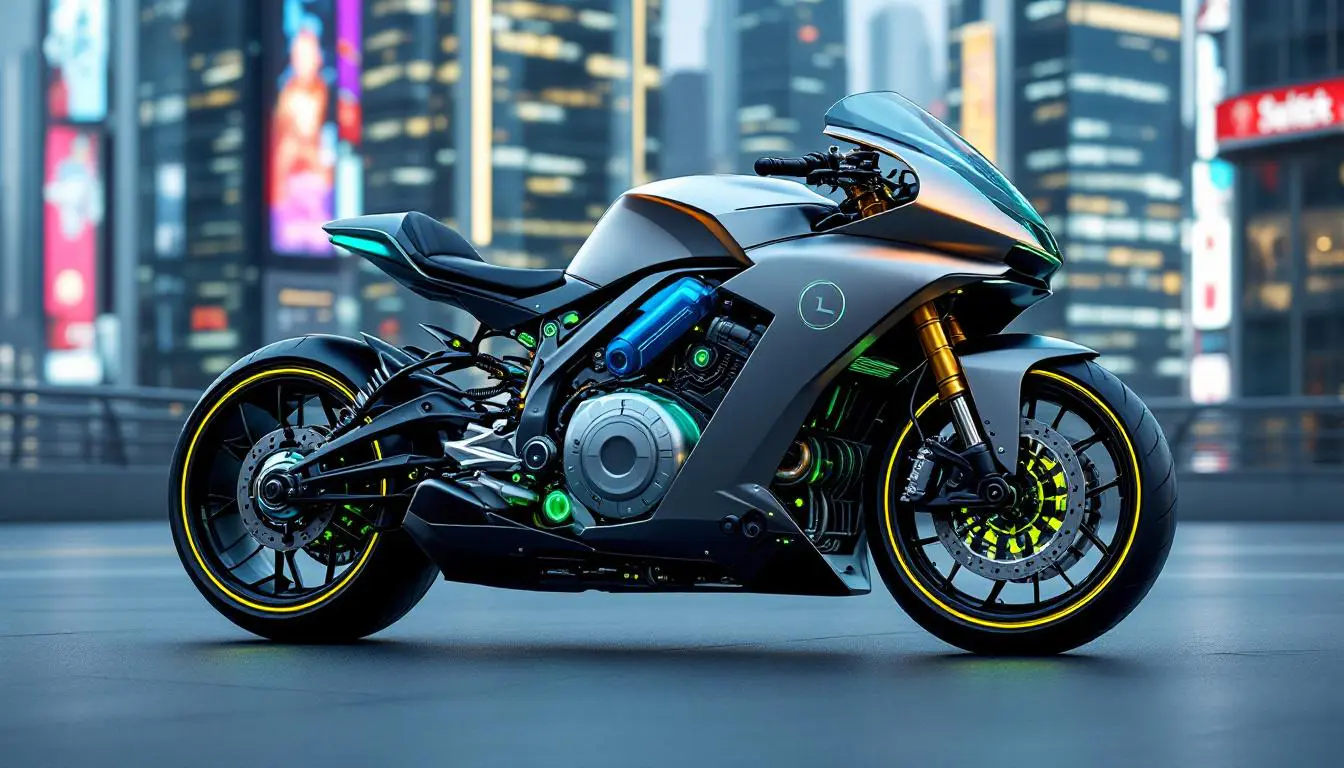
Testimonials about the motorcycle of the future: between electric propulsion and hydrogen, which choice to adopt?
David, electric motorcycle enthusiast: “Since I tried my first electric motorcycle, I am convinced it’s the future. The acceleration is amazing due to the instant torque and riding in silence is simply enjoyable. I mainly make urban trips and finding a charging station is not a problem for me. Of course, I am aware of the limitations, but I believe technology will only improve.”
Marie, adventurous rider: “I am drawn to hydrogen technology for its long ranges. When I go on hikes or long trips, I prefer this option. The fact that these motorcycles emit only water vapor also reassures me about the ecological aspect. However, I must admit that I have some concerns about the development of hydrogen infrastructures.”
Julien, motorcycle mechanic: “As a professional, I see great potential in both technologies, but I think electric is more suited to the current market. Hydrogen motorcycles are still in development and their production cost is high. It will take time before they are truly accessible. On the other hand, electric motorcycles are already on the market and they are experiencing great success.”
Sophie, daily user: “For my daily trips, I opted for an electric motorcycle. The fuel savings are significant and I can charge it at home, which is very convenient. However, I would like to see improvements made to the batteries to make long trips feasible. I remain open to hydrogen, especially if affordable options emerge.”
Michel, mechanical enthusiast: “I love tinkering with my motorcycles and I find the advancements in electric and hydrogen fascinating. Each has its advantages and disadvantages, but I think the coexistence of both types of propulsion could offer diversified solutions for riders. The search for a hybrid model that combines both could be the future.”
Thomas, tech enthusiast: “After testing a hybrid motorcycle prototype, I am excited to see how manufacturers will evolve. The combination of electric energy and hydrogen technology could truly revolutionize how we ride. I believe we are on the verge of an era where motorcycles will be not only ecological but also high-performance.”
In a constantly evolving world, the motorcycle industry is transforming to respond to environmental challenges and the expectations of riders. With the emergence of electric and hydrogen technologies, it is important to understand the advantages and limits of each to choose the solution that will best suit your needs. This article invites you to explore these two propulsion solutions, highlighting their performances, environmental impact, and future prospects.
Electric motorcycles: simplicity and performance
Electric motorcycles are gaining popularity due to their reduced ecological impact and ease of use. Often powered by lithium-ion batteries, they provide a range of 80 to 140 km, depending on the models, as well as a smooth acceleration owing to instant torque. This torque allows riders to enjoy a pleasant and responsive ride while benefiting from quiet operation that helps reduce noise pollution.
However, it is essential to consider the limitations of electric motorcycles, particularly the charging time, which can be longer compared to a traditional gas fill-up. Moreover, the production of batteries remains energy-intensive, raising questions about their overall ecological footprint. Nevertheless, technological advancements in batteries and fast charging are promising for the future of electric motorcycles.
Hydrogen: a future alternative
Hydrogen motorcycles, equipped with fuel cells, present an interesting alternative thanks to their performance. These motorcycles emit only water vapor and can achieve a range superior to that of electric models, sometimes exceeding 300 km per charge. Additionally, the refueling time is similar to a gas fill-up, making them practical for various uses.
However, the development of refueling infrastructures still poses a major problem, limiting accessibility to this technology. Furthermore, hydrogen production often depends on fossil energy sources, although more sustainable methods are being explored. These considerations must be taken into account to assess the viability of hydrogen as a propulsion solution for motorcycles.
Environmental and economic stakes
The choice between electric propulsion and hydrogen is not limited to individual performance. It is also important to analyze the overall environmental impacts of each technology. Electric motorcycles reduce direct emissions, but their production has a significant ecological footprint. In contrast, hydrogen could offer a more environmentally-friendly life cycle, especially if its production is optimized by renewable energy.
From an economic standpoint, electric motorcycles benefit from series production and tax incentives, making them more accessible. Conversely, hydrogen motorcycles remain expensive to produce, hindering their widespread adoption.
Towards technological complementarity
It is time to consider how these two solutions might coexist and address the diverse needs of riders. Electric motorcycles seem ideal for short urban trips, thanks to their suitable range and the possibility of charging at home. In contrast, hydrogen could prove more suitable for long journeys or sectors requiring greater performance, such as off-road.
Motorcycle manufacturers are increasingly investing in both technologies to meet varied consumer expectations. The development of hybrid prototypes, combining electric battery and hydrogen fuel cell, is indicative of this innovative and complementary approach, providing each user the opportunity to choose the best solution according to their specific needs.
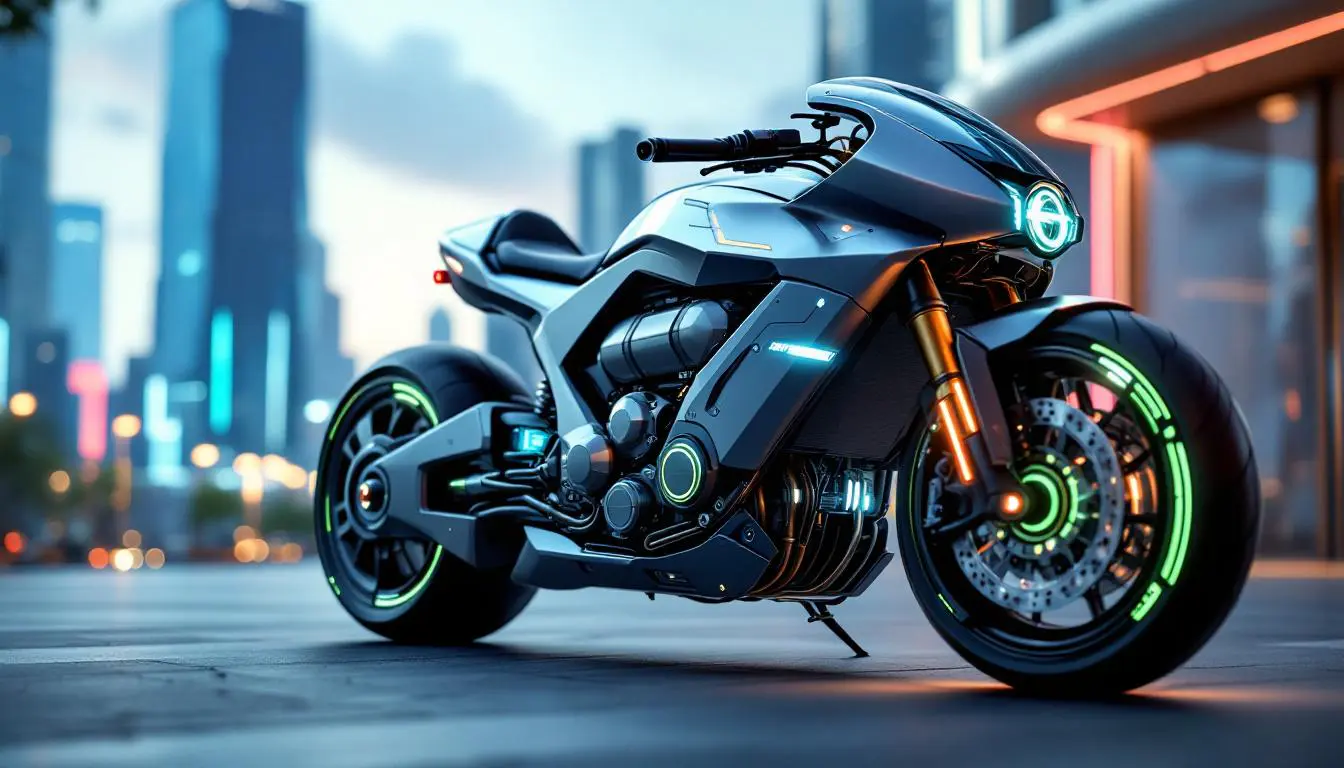
The motorcycle of the future: between electric propulsion and hydrogen, which choice to adopt?
As the era of internal combustion motorcycles seems to be coming to an end, a new challenge arises: to choose between electric and hydrogen as the future propulsion. Each of these technologies presents advantages and disadvantages that deserve special attention from motorcyclists and industry stakeholders.
Electric motorcycles are currently establishing themselves due to their proven technology and low direct environmental impact. They stand out for their operational silence, smooth acceleration, and ease of recharge, especially at home. However, their limited range and recharge time still restrict their use for long trips, which remains a point of concern for many users.
On the other hand, hydrogen motorcycles offer potential for superior range and a refueling time comparable to that of gasoline motorcycles. Although these vehicles present a viable solution for long trips, their development is hindered by a lack of suitable infrastructures and the costs associated with their production. Furthermore, their initial dependence on fossil fuels to produce hydrogen raises questions about their sustainability in the long term.
In light of these challenges, it is likely that the future of motorcycles will lean towards complementarity between these two technologies. Each solution could meet specific needs: electric for daily trips in urban areas, and hydrogen for long-distance adventures. The investments from manufacturers in both sectors are promising and could drive innovation in the motorcycle world.
FAQ about the motorcycle of the future: between electric propulsion and hydrogen, which choice to adopt?
What are the main characteristics of electric motorcycles? Electric motorcycles are attractive due to their simplicity and reduced ecological impact, operating with lithium-ion batteries with an average range of 80 to 140 km.
What are the advantages of hydrogen motorcycles? They use a fuel cell to convert hydrogen into electricity, offering a superior range compared to electric motorcycles, sometimes exceeding 300 km per charge.
How does the charging time of electric motorcycles compare to the refueling time of hydrogen motorcycles? The charging time for electric motorcycles is generally longer, whereas refueling with hydrogen is comparable to a traditional gas fill-up.
What major challenges does hydrogen need to overcome to become mainstream? The development of refueling infrastructures is a major challenge, limiting accessibility to this technology.
What are the environmental impacts of both technologies? Electric motorcycles reduce direct emissions but their manufacturing has a significant ecological footprint, whereas hydrogen could offer a cleaner life cycle if produced from renewable energies.
What are the differences in costs between electric motorcycles and hydrogen ones? Electric motorcycles benefit from industrialized production and tax incentives, while hydrogen models are more expensive due to their recent technology and the lack of suitable infrastructures.
Can electric and hydrogen motorcycles coexist? Yes, they can coexist based on their uses; electric motorcycles are suitable for urban trips, while hydrogen could be used for long journeys or off-road.
What recent developments illustrate this technological complementarity? Manufacturers like Kawasaki have unveiled hybrid prototypes combining electric batteries and hydrogen fuel cells, showing a trend towards innovative solutions.


