
IN BRIEF
|
When practicing enduro, safety is a fundamental issue, and choosing a protective vest is a crucial step for all riders. Whether you are a passionate beginner or an experienced rider, it is essential to know the different models and safety standards available on the market. This guide provides a comprehensive overview to help you choose and buy a vest suited to your needs, taking into account prices and available options.
Choosing a suitable protective vest for enduro riding is crucial to ensure your safety while providing good comfort. This article will guide you through the different types of vests available, their advantages and disadvantages, as well as the quality/price ratio you can expect from your purchase.
Advantages
Opting for a protective vest for enduro offers several significant advantages. First, this equipment provides enhanced protection for the chest, back, and shoulders, thereby reducing the risk of serious injuries during falls. Depending on the models, some vests also incorporate protections for the elbows and lumbar support, ensuring more comprehensive coverage.
Secondly, protective vests are available with both rigid and soft protections. Rigid vests provide better protection against impacts, while soft models offer increased comfort and freedom of movement. This means you can find a vest that perfectly fits your riding style and personal preferences.
Finally, with a thoughtful investment, it is possible to find protective vests that offer an excellent quality/price ratio. Brands like Zandona and Leatt offer high-quality vests that are also affordable. By doing research and comparing options, you can acquire effective safety gear without breaking the bank.
Disadvantages
Despite their many advantages, protective vests for enduro also have certain disadvantages to consider. One of the main drawbacks is the weight and bulk that some models can have, particularly those with rigid protections. This can hinder maneuverability on the bike, especially for less experienced riders.
Furthermore, the comfort level can vary from one model to another. Rigid vests, although effective for protection, can sometimes cause a feeling of constriction while riding. In contrast, soft vests, although more comfortable, may offer slightly lower protection in serious accidents.
Lastly, the price of protective vests can vary widely depending on brands and features. While excellent options are available at reasonable prices, it is important to be aware that a higher quality vest will require a more substantial investment. Therefore, taking the time to compare different options is essential to avoid impulsive purchases.
Diversity of Options
There are a multitude of models on the market, whether they are full vests or lighter options like chest protectors. The protections can also comply with strict safety standards, such as the CE standard, which guarantees a certain level of reliability. For more information on vest choices, you can consult resources like FreeEnduro.
Finally, it is crucial to select the right size and ensure that the vest fits properly. A vest that is too large or too tight may compromise its effectiveness. Brands like Fox and Alpinestars are renowned for their quality vests that are also adjustable for an ideal fit.
In summary, whether you are an amateur or more experienced rider, taking the time to choose the right protective vest can make a significant difference in terms of safety and comfort during your enduro adventures.
The choice of a suitable protective vest is crucial for enduro enthusiasts looking to ride safely. This guide reviews the main criteria to consider when purchasing, as well as the various options and price ranges available on the market.
Criteria for Choosing a Protective Vest
Before buying a vest, it is essential to consider several fundamental aspects. Among them, the level of protection, comfort, freedom of movement, and the weight of the equipment are paramount. A good vest should provide effective protection while remaining comfortable to wear during long hours of riding.
Level of Protection
For optimal safety, it is recommended to choose a vest that meets specific standards such as the EN 1621-2 standard for back protection and EN 1621-3 for chest protection. These standards ensure that the vest has been tested and provides a certain level of performance upon impact.
Comfort and Freedom of Movement
A protective vest should be forgotten while allowing maximal freedom of movement. Soft foam models, for example, are generally lighter and less bulky than those with hard plates, making them more comfortable to wear while maintaining sufficient protection.
Types of Protective Vests Available
There are primarily two types of protective vests: rigid vests and soft vests. Each type has its advantages and disadvantages depending on the rider’s preferences and riding style.
Rigid Protective Vests
These vests provide superior protection by covering a larger surface area of the body, including the shoulders and back. However, they may be bulkier and less comfortable, especially during long rides in hot weather.
Soft Protective Vests
Popularized by brands like Leatt, this type uses foams that harden upon impact, making them both protective and comfortable. These vests are often lighter and allow for better airflow.
Prices of Protective Vests
The prices of protective vests for enduro vary significantly based on brands, materials, and technology used. Generally, it is possible to find models ranging from 100 euros for entry-level vests to 500 euros or more for more elaborate premium options.
Price Options
For basic protection compliant with standards, expect to pay around 100 to 200 euros. For intermediate models with good ventilation and comfort features, the price can range between 200 and 350 euros. Finally, high-end models, offering advanced technology and ergonomic design, can exceed 350 euros.
Best Brands of Protective Vests
When considering a purchase, certain brands stand out for their reliability and product quality. Names like Zandona, Alpinestars, and Leatt are renowned for their commitment to safety and innovation, offering vests that meet various needs.
Analysis of Popular Products
The Zandona Netcube is often cited as one of the best vests due to its excellent quality-price ratio. Other models like the Leatt 3DF Airfit and the Scott Softon Air are also highly regarded for their comfort and effectiveness in terms of protection.
Conclusion of Secure Purchases
Choosing the right protective vest for enduro is about balancing comfort, level of safety, and budget. Making an informed choice will optimize your riding experience while minimizing risks during your outings.
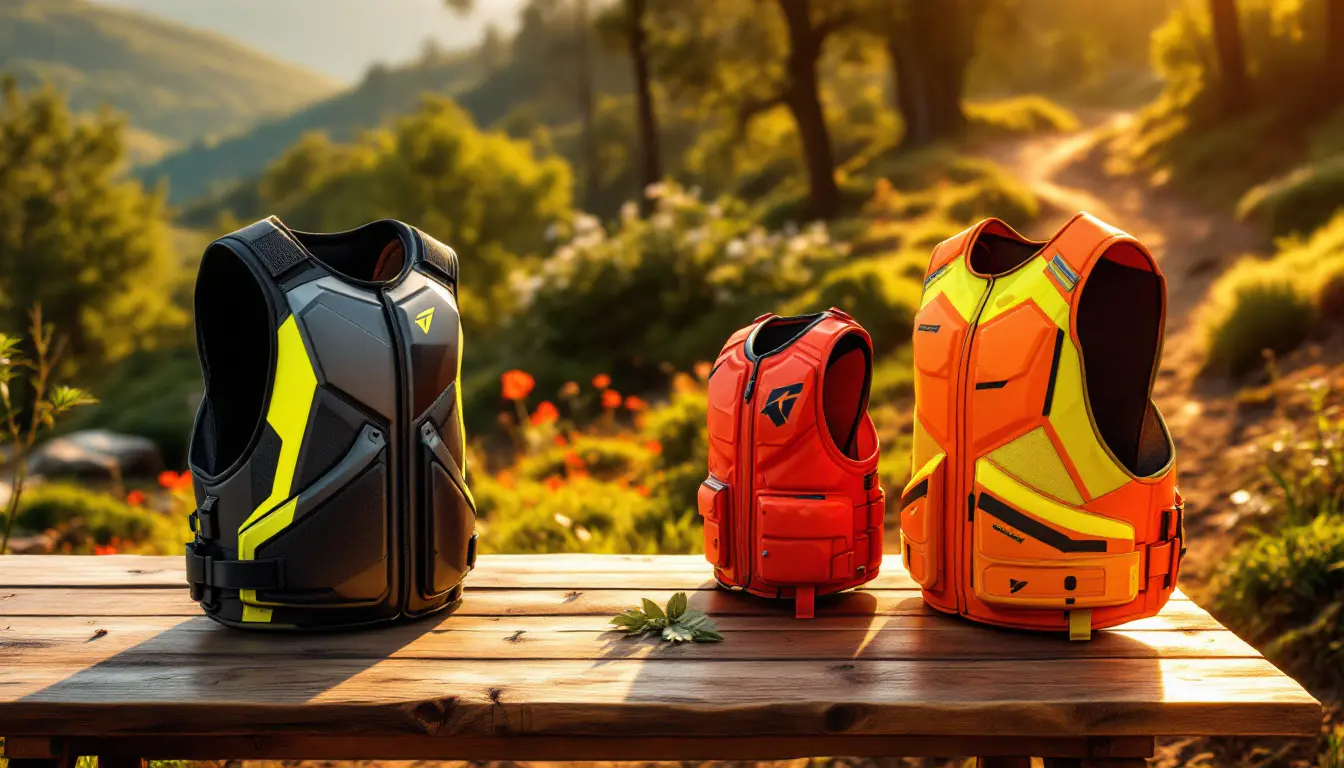
Choosing a protective vest for enduro is a crucial step to ensure your safety while maximizing your comfort on the bike. With a multitude of options on the market, navigating through the different models, standards, and prices can be challenging. This guide will provide you with all the information needed to make an informed choice, examining safety standards, selection criteria, and the best available options.
Essential Criteria for Choosing a Protective Vest
Before embarking on the purchase of a protective vest, it is important to consider several criteria. Firstly, compliance with safety standards is crucial. Ensure that the vest meets the European standards EN 1621-2 for back protectors and EN 1621-3 for chest protectors. These standards ensure adequate resistance to impacts.
Next, evaluate the comfort and freedom of movement. It is crucial that the vest does not restrict your movements on the bike. Opt for a lightweight and well-ventilated model, especially if you plan to ride long distances. Also, consider the possibility of adjusting the vest for a perfect fit.
Different Types of Protective Vests
There are primarily two types of protective vests: rigid and soft. Rigid vests offer maximum protection with their plastic plates, although they may sometimes feel bulky. Conversely, soft vests provide a lighter alternative due to the use of special foam that hardens upon impact, offering better flexibility and increased comfort.
Soft Vests
Soft vests are particularly appreciated by enduro riders for their comfort and lightness. They allow for great freedom of movement, which is essential on varied terrains. They are often made with materials that absorb shocks while remaining flexible. This allows the rider to feel unencumbered, making the riding experience more enjoyable.
Rigid Vests
Rigid vests, on the other hand, are often more robust. They include protective plates made of plastic that provide increased protection against impacts. Although they might be less comfortable due to their bulkiness, they represent a wise choice for those seeking maximal safety, especially during competitions.
Safety Standards
To ensure an appropriate level of protection, it is important to check that the vest meets the European safety standards. Vests must comply with EN 1621-3 for chest protection and EN 1621-2 for back protection. These certifications ensure that the vest has undergone rigorous testing to prove its effectiveness upon impact.
Choice Criteria
When making your choice, several criteria must be considered:
- Comfort: Ensure the vest fits well and does not hinder your movements.
- Ventilation: Good airflow is essential to avoid overheating during long rides.
- Weight: A lightweight vest is often more comfortable to wear for extended periods.
- Additional options: Some vests offer integrated pockets for storing small items and attachment systems for equipment.
Prices of Protective Vests
The price of a protective vest for enduro varies depending on brands, materials, and features. On average, soft vests can cost between 100 and 250 euros, while rigid vests can be found in a range from 150 to 400 euros. It is advisable to compare the different options to find the best quality-price ratio.
Buying a Protective Vest
Before making your purchase, try the vest to check its fit and comfort. Also, consider reading reviews and comparisons to get an idea of the best brands available. This is a crucial step to ensure that your investment effectively protects you during your off-road outings.
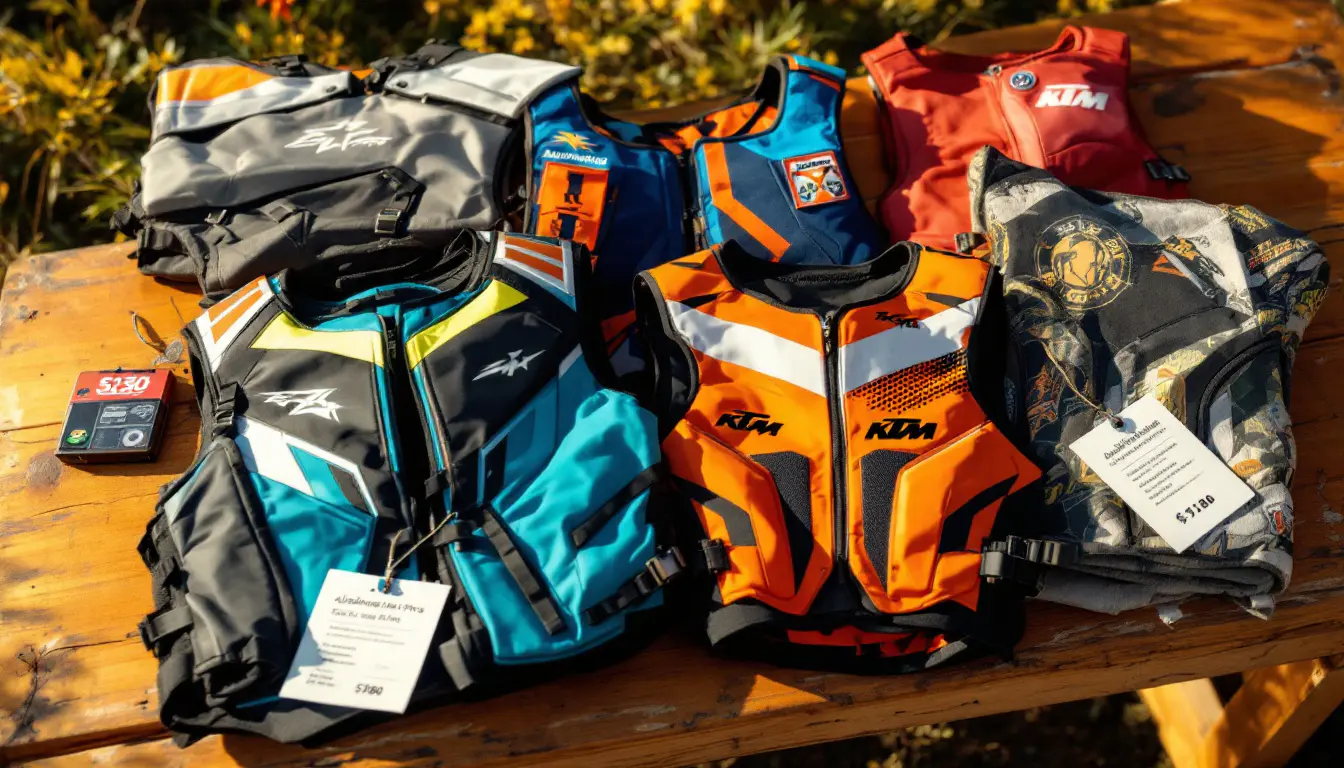
Choosing and Buying a Protective Vest for Enduro: Key Takeaways
In the world of enduro, opting for a suitable protective vest is essential to ensure your safety while maintaining comfort during rides. The available models are varied, whether they are soft or rigid, and each presents specific advantages in terms of protection, weight, and comfort.
When making your choice, it is crucial to consider certain criteria. Firstly, the safety standard is vital; ensure that the vest complies with European standards such as the EN 1621-2 for back protectors and EN 1621-3 for chest protections. This will guarantee a minimum level of safety during falls.
Moreover, the size and comfort of the vest are elements not to overlook. A vest that does not fit properly can hinder your freedom of movement, which is particularly problematic in such a demanding discipline as enduro. It is worthwhile to try several models to find the one that best matches your body type.
Finally, do not forget to consider the price. The market offers vests at different cost levels, and it is essential to find a model that provides a good quality-price ratio without compromising safety. Comparing brands and models, as well as reading reviews from other users, can greatly assist you in your purchasing process.
In summary, a quality protective vest is a crucial investment for every rider, ensuring not only safety but also a pleasant and confident riding experience.
FAQ on Choosing and Buying a Protective Vest for Enduro
What is the importance of a protective vest in enduro? A protective vest is essential to reduce the risk of injuries to the chest, back, and shoulders when practicing enduro.
What standards should be checked for a protective vest? Ensure the vest complies with European standards EN 1621-3 for chest protection and EN 1621-2 for back protection.
Are soft protective vests as effective as rigid ones? Yes, soft protective vests offer a comparable level of safety to rigid ones while generally being more comfortable to wear.
What choice criteria should I consider? Consider comfort, freedom of movement, level of protection, ventilation, and price when choosing a protective vest.
Can I wear a protective vest even without participating in races? Yes, even if you are not participating in races, it is strongly recommended to wear a protective vest for your safety.
What is the difference between a full vest and a sleeved vest? A full vest provides complete upper body protection, while a sleeved vest may be lighter and more flexible but less protective.
How can I tell if a protective vest fits me? Take your waist and torso measurements, as some vests are available in one size, while others require precise measurements for a good fit.
What are some examples of recommended protective vests? The models Zondona Netcube, Leatt 3DF Airfit, and Scott Softon air are often cited as among the best protective vests for enduro.
Is the price of a protective vest an indicator of quality? Not necessarily. While price can reflect quality, it is important to also check the features and safety standards of the vest.
What should I do if my protective vest does not fit? If your vest does not fit you, it is recommended to exchange it or return it to try a different size or model that fits your body shape better.


