
IN BRIEF
|
The technical control of motorcycles has recently sparked intense tensions within the motorcycling community, particularly due to the rejection of appeals by the Council of State. The French Federation of Angry Motorcyclists (FFMC) denounces a decision it deems unfair and insufficient, claiming that it hinders the freedom of motorcyclists while proposing alternatives intended to enhance safety. This situation raises questions about the effectiveness and relevance of such an obligation in the face of road safety issues.
Technical control of motorcycles: why does the Council of State remain deaf to the demands of motorcyclists?
The debate around technical control of motorcycles is more current than ever, after the rejection by the Council of State of the appeals from the French Federation of Angry Motorcyclists (FFMC). Despite the arguments presented by the motorcycling community, the Council of State ultimately confirmed the obligation of this control, eliciting frustration and resistance among motorcyclists. This article examines the advantages as well as the disadvantages associated with the technical control of motorcycles, while shedding light on the reasons that lead the Council of State to ignore the claims of motorcyclists.
Advantages
The first advantage of technical control lies in the improvement of road safety. By regularly checking the condition of motorcycles, accidents caused by mechanical failures, such as worn tires or defective braking systems, can be prevented. According to the initial technical checks, 45% of inspected motorcycles showed deficiencies, highlighting the importance of rigorous monitoring.
Furthermore, this regulation contributes to a normalization of vehicles circulating on the roads, thus promoting fairness among users. By providing a legal framework that applies to all, technical control could enhance the trust of road users, whether in a car or on a motorcycle. It could also improve the image of motorcyclists, who are often perceived as reckless drivers.
Disadvantages
Despite these benefits, many motorcyclists believe that technical control is both unnecessary and costly. The expenses incurred to comply with this obligation can be seen as an excessive burden, especially since the FFMC emphasizes that only 0.3% of accidents are related to the vehicle’s condition.
Moreover, the FFMC calls for the development of alternative measures to improve safety without resorting to mandatory technical control, such as the installation of noise detection radars and the strengthening of signage in high-risk areas. The Council of State deemed these alternatives insufficient, which has heightened frustration and anger within the motorcycling community.
Finally, enforcing this obligation could lead to a greater hierarchization of motorcyclists based on their ability to finance this control, rendering certain circulation opportunities inaccessible to those with more limited financial means.
In summary, the trends observed in the debate surrounding technical control of motorcycles reveal a persistent gap between administrative decisions and the expectations of motorcycle enthusiasts. The Council of State, relying on financial and European safety directives, appears determined to ignore the gratitude and critical voices coming from this community.
Technical control of motorcycles: why does the Council of State remain deaf to the demands of motorcyclists?
The Council of State has recently ruled in favor of the obligation of technical control for motorcycles, scooters, and quads, thus rejecting the appeals of the French Federation of Angry Motorcyclists (FFMC). This decision raises many questions and frustrations within the motorcycling community, who believe that this measure is not only unnecessary but also inadequate to the real needs of road safety.
A lost legal battle for the FFMC
Since the announcement of this obligation, the FFMC has mobilized to contest the technical control, labeling it as “unnecessary, costly, and ineffective”. The association has proposed alternatives aimed at improving the safety of motorcyclists without resorting to this measure, notably the establishment of noise detection radars and the encouragement of wearing certified gloves. Despite these efforts, the Council of State deemed the proposals insufficient, saying that the measures implemented by the government were too sporadic to achieve road safety objectives.
The rejection of the appeals and the European directive
The Council of State invoked the requirements of the European Directive 2014/45/EU to justify its decision. This directive imposes the implementation of periodic technical control for various categories of vehicles, including motorized two-wheelers. The judges stated that the alternative measures proposed would not allow France to comply properly with this directive, thus making technical control unavoidable.
Stats that raise questions
The initial results of technical controls revealed that 45% of motorcycles examined showed deficiencies, of which 11% were considered serious. Although this data raises legitimate concerns regarding the condition of motorcycles, the FFMC argues that only 0.3% of accidents involving motorized two-wheelers can be attributed to the vehicle’s condition. This discrepancy between the figures and the reality of accidents reinforces motorcyclists’ concerns about the true effectiveness of technical control.
The continued mobilization of motorcyclists
Despite this decision, the FFMC does not feel discouraged. It is calling for a general mobilization and inviting motorcyclists who have already undergone technical control to share their testimonies. The association advocates for a more pragmatic approach, suggesting that technical control could be limited to the resale of vehicles. A proposal that sparks debate among motorcyclists and authorities.
A complex decision-making process
The history of the establishment of technical control for motorcycles is marked by twists and turns. While the European directive was adopted in 2014, several government and judicial decisions have at times suspended or canceled the obligation. This chaotic journey has contributed to the growing frustration of motorcyclists and heightened their feelings of misunderstanding regarding the decisions made by the authorities, particularly the Council of State.
For more information on the subject, you can consult the following articles: Économie Matin or BFM TV.
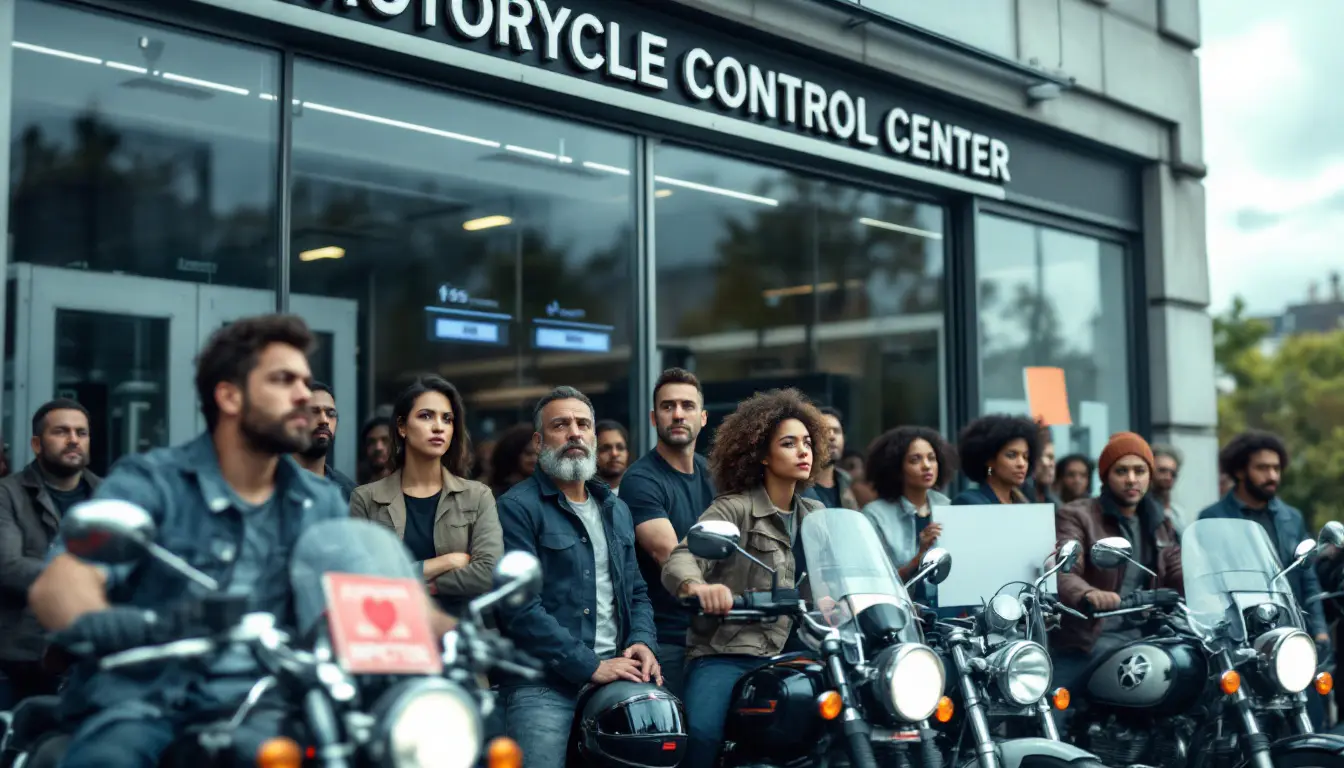
Technical control of motorcycles: why does the Council of State remain deaf to the demands of motorcyclists?
The technical control of motorcycles, scooters, and quads is now a legal obligation in France, despite numerous challenges from the French Federation of Angry Motorcyclists (FFMC). The latter believes that this measure is unnecessary and costly, but the Council of State has ruled that its alternative arguments are insufficient to justify the cancellation of this obligation, which is part of a European directive. Let us analyze the reasons for this decision and the implications it entails for motorcyclists.
The FFMC’s arguments against technical control
The FFMC has always argued that mandatory technical control is both unnecessary and excessively costly for motorcyclists. The federation has proposed alternatives aimed at improving the safety of users. Among these alternatives are measures such as the deployment of noise detection radars and the encouragement of wearing certified gloves, as well as improvements made to signage for the blind spots of large vehicles. These solutions aimed to raise the level of safety without imposing a costly technical control often seen as inadequate.
The reasons for the Council of State’s decision
In its decision, the Council of State found that the alternatives proposed by the FFMC were “insufficient and too sporadic.” It emphasized that the European directive 2014/45/EU, which requires member states to implement periodic technical control for L category vehicles, included the obligation to ensure a minimum level of road safety. According to them, the road safety measures implemented by the government do not meet the objectives set by this directive.
The statistics mentioned by the Council of State
The Council of State also published worrying statistics from the initial technical controls carried out, indicating that approximately 45% of motorcycles inspected showed deficiencies, of which 11% were considered serious. These figures raise concerns about the safety of motorcyclists and justify, according to the authorities, the need for mandatory technical control. However, the FFMC opposes this view, stating that only 0.3% of two-wheeler accidents are directly linked to the condition of the vehicle.
Mobilization and resistance of the FFMC
Call for general mobilization
In light of this situation, the FFMC has called for a general mobilization of motorcyclists against this mandatory technical control. They invite motorcyclists who have already undergone the control to testify about their experiences on a dedicated platform. This mobilization aims to shed light on the issues and difficulties encountered by motorcyclists, hoping to elicit a more favorable response from the authorities.
Alternative proposals
The FFMC also advocates for more targeted approaches, such as implementing technical control only during the resale of vehicles. Furthermore, they want to promote more environmentally friendly engines through the homologation of ethanol units, which could also reduce the environmental impact of motorized two-wheelers without imposing mandatory technical control.
The stakes for the future
Attention to social ramifications
It is essential to consider the repercussions of this decision on the motorcycling community. The development of a sense of injustice and frustration among motorcyclists could generate a climate of increasing tensions between the authorities and road users. In addition to the perception of an additional financial burden, many motorcyclists are concerned about a potential stigmatization of their passion.
Uncertainties and expectations
The establishment of technical control is thus an unavoidable reality that motorcyclists must comply with, despite the ongoing criticisms from the FFMC and other organizations. It remains to be seen if the Council of State will be open to bold proposals to reassess this obligation, or if, conversely, it will continue to ignore the voices of the motorcycling community. The next few years could be decisive in establishing a constructive dialogue between the authorities and road users.
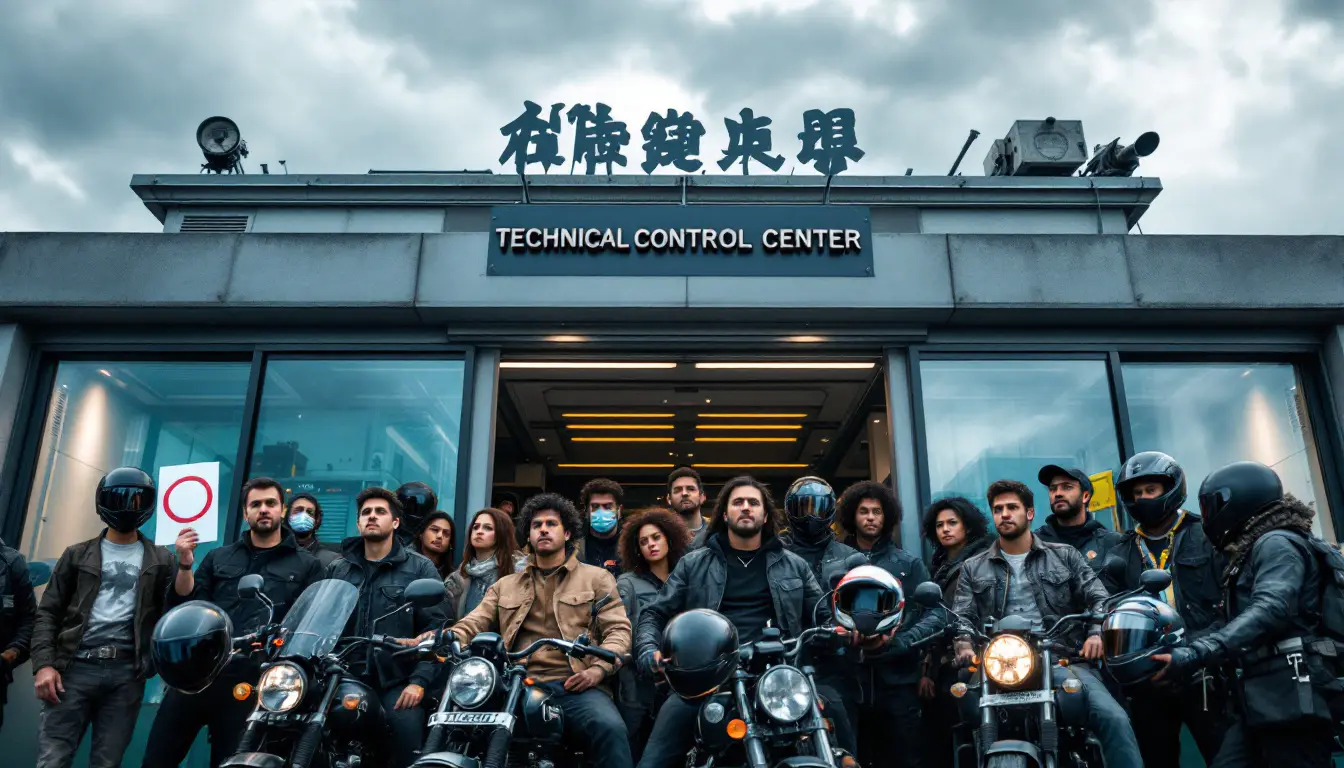
Technical control of motorcycles: why does the Council of State remain deaf to the demands of motorcyclists?
The recent decision of the Council of State, which rejected the appeal of the French Federation of Angry Motorcyclists (FFMC) against the obligation of technical control for two-wheeled vehicles, raises many questions among motorcyclists. Indeed, this measure, described by the FFMC as unnecessary, costly, and ineffective, is now a reality that the motorcycling community must comply with.
Many motorcyclists oppose this obligation, arguing that more adequate alternatives could have been proposed to ensure their safety. FFMC’s proposals, such as the deployment of noise detection radars or encouraging the wearing of certified gloves, have been deemed insufficient by the Council of State, which has reminded that only permanent measures can truly enhance road safety.
This rejection of the demands of motorcyclists highlights a deeper malaise within the community. Statistics citing 45% of motorcycles showing deficiencies create an opportunity for the authorities to justify the establishment of technical control. However, the FFMC emphasizes that a minimal proportion of two-wheeler accidents are directly linked to the condition of vehicles, calling into question the logic of this measure.
In light of this situation, the FFMC calls for a general mobilization of motorcyclists to denounce the obligation of technical control and propose alternative solutions. The future of the debate remains uncertain, but one thing is clear: the fight for a more equitable approach to road safety will continue to resonate among two-wheeled enthusiasts.
FAQ on motorcycle technical control
What is motorcycle technical control? Motorcycle technical control is a legal obligation imposed on motorcycles, scooters, and quads, aimed at ensuring the safety and condition of these vehicles before their circulation.
Why does the French Federation of Angry Motorcyclists (FFMC) oppose this obligation? The FFMC considers technical control to be “unnecessary, costly, and ineffective,” advocating for alternatives to improve the safety of motorcyclists.
What alternatives does the FFMC propose instead of implementing technical control? Among the alternatives, the FFMC mentions the deployment of noise detection radars, encouraging the wearing of certified gloves, and creating a conversion bonus for less polluting vehicles.
What was the Council of State’s decision regarding the FFMC’s appeal? The Council of State rejected the FFMC’s appeal, stating that the proposed alternatives were “insufficient and too sporadic” to meet the objectives set by the European directive on road safety.
What statistics did the Council of State use to justify technical control? According to the Council of State, of the 123,043 vehicles inspected, 45% showed deficiencies, of which 11% were considered serious, thus justifying the need for technical control.
How does the FFMC react following the decision of the Council of State? The FFMC calls for a general mobilization of motorcyclists against the obligation of technical control and invites motorcyclists to share their experiences.
What amendments have been made to the implementation of technical control? Amendments have been made to the initial decree to clarify the conditions of implementation, with technical control scheduled for April 1, 2024.
What is the FFMC’s position regarding the safety of motorized two-wheelers? The FFMC believes that only 0.3% of two-wheeler accidents are related to the condition of the vehicle, calling into question the effectiveness of technical control in terms of road safety.


