
IN BRIEF
|
In the world of motorcycling, the ability to adapt to difficult weather conditions is essential to ensure safety and enjoyment of riding. Whether in a pouring rain, in fog, or facing a strong wind, each situation requires specific adjustments from the rider. By learning to recognize the challenges posed by the weather, it is possible to adopt suitable riding techniques and equip oneself properly to navigate these conditions without endangering safety.
Riding a motorcycle can bring immense satisfaction, but when it comes to difficult weather conditions, it can quickly become a challenge. Whether in the rain, in strong winds, or in extreme temperatures, it is essential to know how to adapt your riding to ensure your safety. In this article, we will examine the advantages and disadvantages of managing difficult weather conditions while riding a motorcycle.
Advantages
One of the main advantages of being able to manage difficult conditions is the increase in personal safety. By adapting your riding style to the weather, you minimize the risk of accidents. For example, in the rain, smooth and low-rev riding can greatly reduce the risk of skidding. It is also advisable to regularly check the condition of the tires, as significant wear can compromise grip on wet roads.
Moreover, it allows you to develop advanced riding skills. By learning to navigate in difficult conditions, you become a better rider. This also helps you build more confidence when touring during less favorable weather. Another positive aspect is the opportunity to explore landscapes under unique conditions, often less frequented by other motorcyclists.
Disadvantages
However, managing difficult weather conditions also has its disadvantages. First of all, it requires increased preparation. You need to ensure you have the right gear, such as high-visibility clothing during rain or insulated gloves in winter. Without the right tools, safety can be compromised. Therefore, the necessity of investing in quality gear can represent an additional cost.
Another disadvantage is the emotional and physical stress that comes with riding under such conditions. Limited visibility and uncertain grip increase the concentration required, which can become exhausting. Additionally, riding in cold or extremely hot weather can lead to comfort issues that, in the long term, can detract from the riding experience. It is also possible that less frequented roads become difficult to manage, thus increasing the risks of accidents.
In conclusion, managing difficult weather conditions while riding a motorcycle involves a series of advantages in terms of skills and safety, but also disadvantages that require special attention and proper preparation to ensure safe riding.
Riding a motorcycle can be challenging in the face of variable weather conditions. Whether in the rain, in strong winds, or during severe heat, it is essential to adapt your riding and gear. This article provides practical advice for navigating safely during motorcycle journeys in difficult conditions.
Riding in the rain
Riding a motorcycle in the rain requires special attention. One of your primary objectives will be to ensure good grip on the road. Make sure your tires are in good condition, as 50% wear can reduce their effectiveness by 20% on wet roads. Adopt a smooth riding style by avoiding sudden accelerations and braking gradually.
Proper Equipment
To remain visible and dry, it’s advisable to wear high-visibility clothing and reflective materials. Don’t forget to invest in waterproof gloves and a rain suit to avoid being too exposed to water during your ride.
Facing the wind
The wind can also pose a challenge while riding. To manage it well, it’s important to use the supports of your hands on the handlebars and stabilize your position with your feet on the footpegs. Position yourself slightly sideways into the wind to counteract its pressure.
Riding Techniques
Stay alert to changes in wind direction, especially in open areas and passages between buildings. In case of strong wind, consider reducing your speed to maintain better control of your machine.
Riding in hot weather
The extreme heat also requires precautions. To avoid increased fatigue, consider taking regular breaks and staying well-hydrated. Ensure your gear is light and breathable, which can help regulate your body temperature.
Taking Care of Yourself
Remember to protect your extremities by wearing suitable gloves and shoes to prevent prolonged exposure to heat. If the heat becomes overwhelming, it would be wise to postpone your trip or reconsider your route.
Preparing for inclement weather
Before heading out, check the weather forecast. This will allow you to make informed decisions regarding your route. There are apps specifically designed for motorcyclists that can help you assess conditions and adjust your ride accordingly.
For more information on managing weather conditions on a motorcycle, check out online resources such as practical advice to improve your road safety when riding in the rain or recommendations on essential gear for motorcyclists.
To deepen your knowledge on the subject, visit this link.
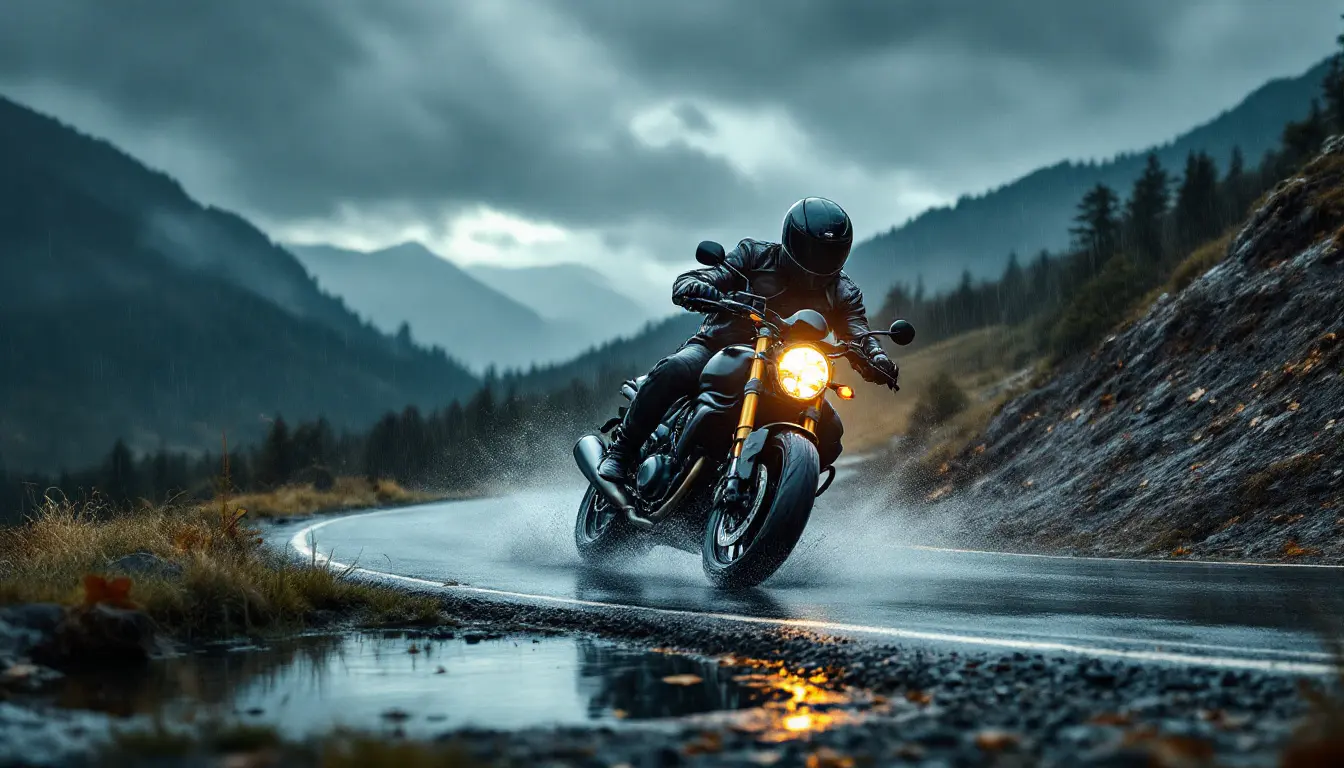
Riding a motorcycle can be a true pleasure, but difficult weather conditions can quickly turn a ride into a real challenge. Whether it’s rain, strong winds, or even heat, it is crucial to know how to adapt your riding to ensure your safety and that of other road users. Here are some practical tips for navigating these delicate situations.
Riding in the rain
When the rain sets in during your rides, it’s essential to ride with caution. First, it’s important to regularly check the condition of your tires, as more than 50% wear can lead to a 20% loss of grip on wet surfaces. Additionally, it’s recommended to brake gently and avoid abrupt accelerations to prevent skidding. Using high-visibility clothing is also wise to make yourself more visible on the road.
Facing strong winds
Riding in strong winds can affect the balance of your motorcycle. To manage this situation effectively, it’s advisable to lean firmly on the handlebars and maintain a stable position with your knees against the tank. Avoid sudden movements and focus on a steady stance to reduce the impact of the wind. Also, consider wearing windproof clothing to limit wind resistance.
Confronting intense heat
In hot weather, it is important to listen to your body. If conditions become unbearable, consider taking a prolonged break or even revising your route. Staying hydrated and wearing lightweight clothing can also help cope with the heat and minimize fatigue risks.
Anticipating the weather
Before heading out, it’s essential to check the weather forecast for your trip. Good preparation will help you avoid dangerous conditions, whether it’s heavy rain or gusty winds. Using dedicated apps like Moto Weather can help you plan your outings safely. For more information on managing different weather conditions, check specialized resources.
By applying these tips, you will be better prepared to withstand the whims of the weather while fully enjoying your motorcycle outings. Stay alert and always adapt your riding to the conditions encountered.
Managing weather conditions on a motorcycle
| Weather Conditions | Practical Tips |
| Full sun | Wear lightweight clothing and stay hydrated regularly. |
| Rain | Adopt a smooth riding style and check tire conditions. |
| Fog | Use fog lights and reduce speed. |
| Snow | Avoid riding if possible and equip with suitable tires. |
| Strong winds | Maintain good control of the handlebars and body. |
| Heatwave | Plan for frequent breaks and reassess your route. |

Managing difficult weather conditions on a motorcycle
When riding a motorcycle, weather conditions can sometimes become a real challenge. I had a memorable experience during a trip in pouring rain. At first, I was skeptical, but I quickly understood the importance of riding with caution. By maintaining a moderate speed and avoiding abrupt maneuvers, I managed to keep control of my vehicle while moving safely.
Another moment when the weather tested my skills was when I rode in cold weather. I opted for warm gloves and liners to protect my hands from the cold. The sensation of comfort was incredible, and it really improved my grip on the handlebars. I highly recommend preparing well by choosing suitable clothing that offers both warmth and visibility on the road.
It’s also crucial to check the weather forecast before heading out. Once, I ignored this advice and found myself facing strong winds that impacted my riding. I learned to better use the supports of my hands on the handlebars and to stay steady by lowering my center of gravity. This allowed me to navigate through these difficult conditions with more confidence.
Finally, fog was another challenging condition to manage. During a morning ride, visibility was very low. I had to slow down and activate my low beams while remaining attentive to the sounds around me. This experience taught me that caution and constant adaptation to riding conditions are essential for safe riding. Every weather situation is a lesson that makes us more competent on the road.
Riding a motorcycle can be an exhilarating experience, but weather conditions can quickly turn a pleasant ride into a daunting challenge. Whether you are faced with rain, intense heat, or strong winds, it is crucial to adopt the right practices to ensure your safety and that of other road users. This article provides practical tips for effectively managing difficult weather conditions while riding a motorcycle.
Riding in the rain
Riding on wet surfaces requires special attention. Regularly check the condition of your tires, as wear over 50% can reduce grip by up to 20%. To enhance your safety, prioritize a smooth riding style. This means avoiding sudden braking and rapid accelerations, which can lead to skidding. Stay at low RPMs: this allows you to spread out acceleration over time and maintain control of your motorcycle.
Clothing and visibility
When facing the rain, it is recommended to wear high-visibility clothing. Choose bright colors and reflective materials to ensure you are well visible to other drivers. Good water protection is also essential: invest in waterproof gear and specific gloves for wet conditions.
Riding in hot weather
High temperatures can also pose problems, such as fatigue and dehydration. Before you leave, check the weather and, if possible, plan your route for the coolest times of the day. Take regular breaks to hydrate and possibly adjust your gear to make it lighter.
Clothing adjustments
Use lightweight and breathable clothing. Ventilated gloves and boots, as well as a well-ventilated helmet, can help reduce body heat. Consider bringing a water bottle during your rides to keep your body well-hydrated.
Riding in windy weather
Strong winds can significantly impact your riding. Learn to use your supports effectively: lean on the handlebars to counteract lateral wind pressure, position your knees against the tank, and use your feet to maintain stability. If the wind becomes too strong for safe riding, consider stopping until conditions improve.
Preparation and caution
Before heading out, it’s wise to prepare by checking weather apps designed for motorcyclists. This will allow you to plan your rides according to the weather and your comfort. Additionally, adjust your riding style to the various conditions encountered along the way. Stay alert and anticipate the maneuvers of other road users, especially in difficult weather conditions.
Training and experience
Having experience in various weather conditions is a major asset. If you are a beginner, consider taking riding courses specifically focused on managing challenging circumstances. This will help you gain the confidence needed to handle unexpected situations.
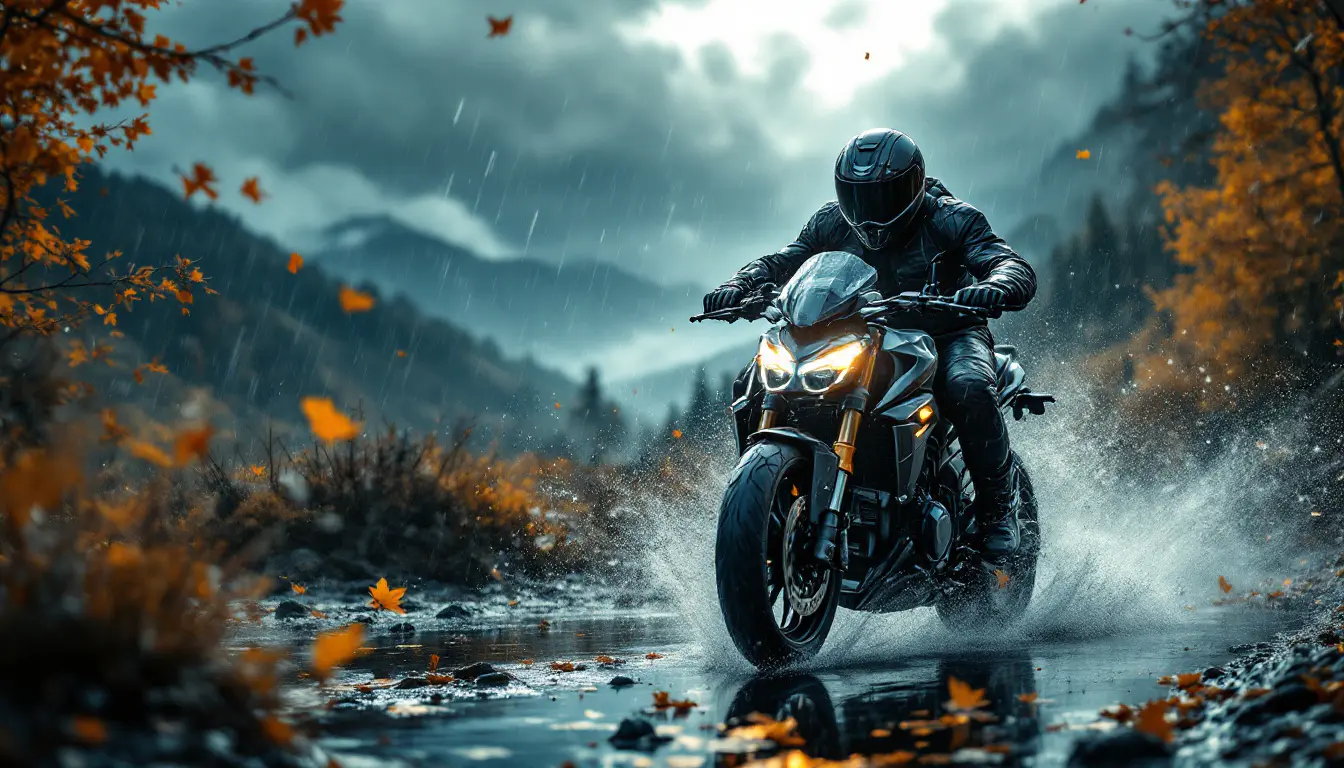
Riding a motorcycle under difficult weather conditions requires special attention and adequate preparation. First, it is essential to check the weather before hitting the road. Indeed, knowing the forecasts can prevent many inconveniences. This includes special attention to heavy rains, extreme temperatures, and strong winds that could affect the safety of rides.
When confronted with rain, it is crucial to adapt your riding style. A gentle and cautious riding approach helps to prevent skidding. Reducing speed and avoiding sudden accelerations are tips to follow to maintain grip. It is also recommended to regularly check the condition of your tires, as significant wear can greatly reduce grip on wet surfaces.
The choice of equipment also plays a crucial role in managing difficult conditions. Opting for waterproof and high-visibility clothing is an excellent way to ensure safety. Additionally, thinking about using warm gloves and suitable socks will help maintain a comfortable temperature even on long rides in cold weather.
Ultimately, to ride safely, it is essential to remain vigilant. Listen to the feedback from other riders and, if conditions become too complicated, do not hesitate to reconsider your route or take a prolonged break. By being well-prepared and aware of the challenges posed by the weather, every ride can transform into a safe and pleasant experience.
FAQ: Managing difficult weather conditions on a motorcycle


