
IN SHORT |
When considering a motorcycle trip, preparation is essential to ensure a memorable and worry-free experience. Whether it’s a short ride or a long road trip, it’s crucial to take various aspects into account, such as equipment, the condition of your motorcycle, and planning your route. Avoiding unpleasant surprises also requires particular attention to your physical and mental health. Let’s explore the key steps to optimize your two-wheeled adventure.
Preparing for a motorcycle trip is an enriching experience, but it requires good organization and appropriate knowledge. This article details the essential aspects of preparing for a motorcycle road trip, presenting the advantages and disadvantages of this adventure. Follow our advice to ensure a successful two-wheeled journey.
Advantages
Freedom and autonomy
Traveling by motorcycle offers unparalleled freedom. You can choose your itinerary, stop whenever you want, and explore places that cars cannot reach. This autonomy allows for a deeper connection with the surrounding scenery and local culture.
Time savings
On the road, avoiding traffic jams and accessing less frequented paths can save you time. Motorcycles are generally more agile and can easily navigate congested areas, optimizing your journey.
Financial savings
Traveling by motorcycle can also be more economical. Motorcycles typically use less fuel than cars, and fewer accommodation and food expenses are often necessary. Additionally, it’s possible to carry luggage on the motorcycle, as suggested in this article on the essentials to have in your motorcycle bags.
Disadvantages
Unpredictable weather
One of the major difficulties of motorcycle travel remains the impact of weather. Weather conditions can change rapidly, requiring careful preparation with suitable clothing, as indicated in various available advice.
Physical fatigue
Long trips can easily result in significant fatigue. It’s crucial to take regular breaks and manage your energy levels well. Here are some tips to deal with fatigue during your rides to fully enjoy each moment.
Safety issues
Safety is an aspect that should not be overlooked during a motorcycle trip. It’s essential to ensure your vehicle is in good condition, particularly checking the tires and brakes. For this, refer to resources on the importance of training before a trip to ensure your safety and that of other road users.
Necessary Preparation
Preparing for a motorcycle road trip goes beyond just checking your vehicle. It’s recommended to plan your itinerary in advance and pack essential items. For this, consulting guides like how to plan a road trip can be very helpful.
Conclusion on Preparation
In the end, for a successful motorcycle trip, it is crucial to prepare well in terms of equipment and mental readiness. Choosing to embark on an adventure on two wheels can offer memorable experiences, provided you consider the specific needs related to motorcycle travels.
Going on a motorcycle trip requires meticulous preparation to ensure a pleasant experience without surprises. Whether for a road trip abroad or a simple getaway, it is essential to think about various aspects ranging from motorcycle mechanics to personal gear. Discover here the key steps to optimize your motorcycle trip.
Motorcycle Check
Before hitting the road, it’s crucial to perform a complete revision of your two-wheeler. Start by checking your tires: ensure they are not worn out and have the correct pressure. Don’t forget to check the brakes, oil, and coolant levels. For more information on signs indicating a service is needed, check this article: the signs that indicate a need for service.
Itinerary Preparation
Planning your itinerary is an essential step. Use online tools to map your route, including stops for breaks and enjoying the scenery. Also, remember to check the weather, which can influence your trip. For more ideas on organizing your motorcycle journey, check out this article: organizing a motorcycle road trip.
Choice of Equipment
When you set out on a journey, your equipment should be suited to your itinerary and weather conditions. Consider wearing clothing that can withstand any type of temperature. A quality helmet, gloves, and reinforced boots are also essential for your safety. Also, take useful accessories such as a first-aid kit.
Fatigue Management
On the road, fatigue can build up quickly. Therefore, it’s important to take regular breaks to rest and hydrate. Stay attentive to your physical state and don’t hesitate to adjust your pace. For more tips on managing fatigue during your rides, go to this link: the biggest challenges when traveling by motorcycle.
Focus on Safety
Safety should be your priority during your motorcycle travels. Consult articles on safety elements that should not be overlooked and consider taking a training course before your departure to prepare adequately. For more details on the importance of training, visit: the importance of training before a motorcycle trip.
Health Status Evaluation
Before starting your adventure, consider your physical health. Make sure you are in good shape to avoid any issues on the road. Consult your doctor if necessary, and avoid departing if you feel any incapacity.
Being well-prepared is the key to a successful motorcycle trip. By taking these various aspects into account, you will have every chance of living an unforgettable experience on your two-wheeler, without unpleasant surprises.
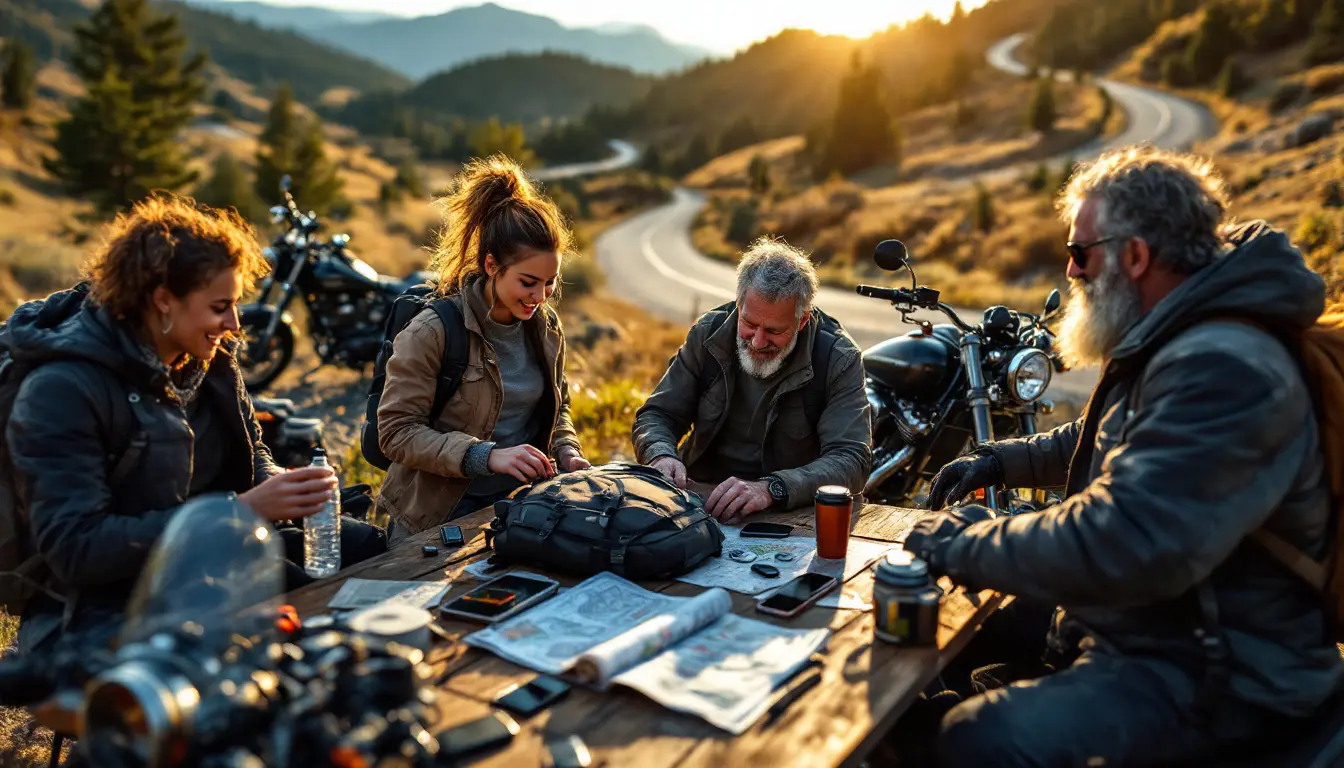
Embarking on a road trip by motorcycle is an exciting adventure that requires proper preparation. Whether it’s a short getaway or a long journey, it’s essential to ensure your vehicle is in perfect condition, that you have the appropriate gear, and that you have carefully planned your itinerary. Here are some tips to ensure your motorcycle travel experience is both enjoyable and hassle-free.
Motorcycle Check
Before departing, it’s crucial to check the condition of your motorcycle. Start by examining the tires: make sure they are not worn out and that they are properly inflated. Don’t forget to check the brakes, lights, and oil to ensure safe riding. A visit to a professional for a complete check-up before your departure can save you a lot of trouble on the road. Also, check this resource to learn more: Preparing for a long motorcycle trip.
Proper Equipment
Investing in quality gear is essential for your comfort and safety. Choose clothing appropriate for the climate and remember to wear gloves, a certified helmet, and sturdy motorcycle shoes. Also, consider bringing a first-aid kit specifically designed for motorcyclists, as it can be invaluable in case of an emergency. To learn more about the importance of first aid training, click here: First aid training for motorcyclists.
Itinerary Planning
For a successful motorcycle trip, it is necessary to set a realistic itinerary. Take the time to choose your routes while avoiding highways, if possible, to enjoy the beauty of the landscapes. Plan stops to rest and explore places of interest along the way. For advice on creating motorcycle-friendly itineraries, you can refer to this article: Tips for preparing your motorcycle trip.
Fatigue Management
The fatigue can quickly become an issue during a long ride on a motorcycle. Make sure to take regular breaks to stretch and recharge. Stay hydrated and eat light snacks to maintain your energy. Listen to your body and don’t hesitate to stop if you feel tired. Discover here how to stay focused during long rides: finding accommodation on the road.
Safety Elements
During your journey, it’s essential not to neglect the safety elements. Always wear your helmet and use other protective gear. Be aware of the weather conditions and adjust your riding accordingly. For optimal safety, also consult this article on safety elements not to forget: Safety elements not to be neglected.
Transporting the Motorcycle
If you need to transport your motorcycle, ensure you do it following best practices. Look for specialized transport services to guarantee the safety of your vehicle. A good transporter will know how to protect your motorcycle from damage during transit. For more information, visit this link: Best practices for transporting your motorcycle.
| Aspect | Preparation |
| Condition of the motorcycle | Check tires, brakes, and fluids before leaving. |
| Equipment | Wear clothing suitable for all weather conditions. |
| Luggage | Opt for lightweight and organized storage for better comfort. |
| Itinerary | Plan your route considering stops and attractions. |
| Physical health | Ensure you are fit to avoid excessive fatigue. |
| Training | Get safety and driving advice before departure. |
| Accommodation | Prepare a list of accommodation options along your route. |
| Budget | Establish a budget including fuel, food, and lodging. |
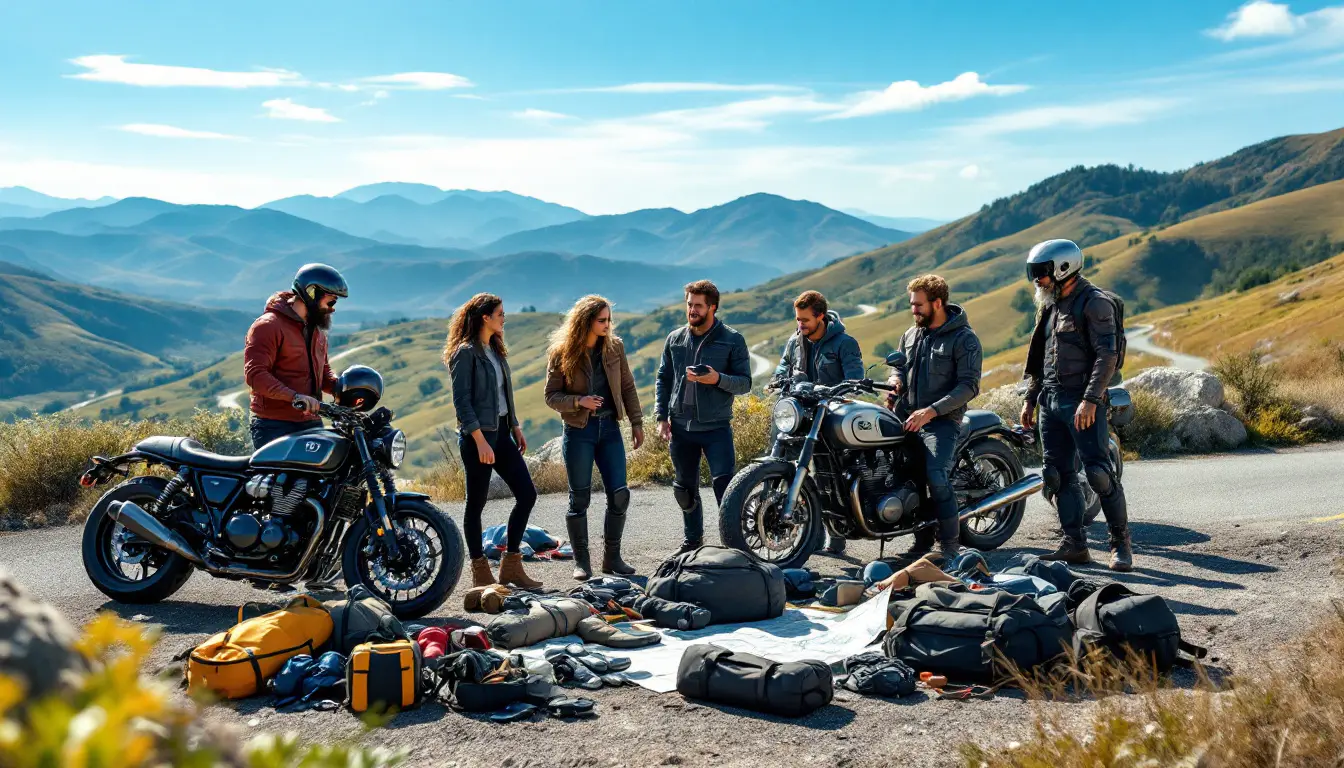
Testimonials on Motorcycle and Travel: How to Prepare Well
When considering a motorcycle road trip, preparation is essential to guarantee a memorable experience. A two-wheeler enthusiast I know emphasizes the importance of choosing gear suited to different weather conditions. He recounts making the mistake of leaving without checking the weather, finding himself in pouring rain without adequate protection, something he will now address without hesitation.
Another motorcyclist shares his experience with luggage management. During his first long trip, he brought along too many items, which significantly weighed down his motorcycle and made riding difficult. He now advises opting for light and essential luggage, using waterproof bags to protect his gear.
The motorcycle’s maintenance should also not be neglected. An experienced traveler explains that he learned the hard way that checking the tires and oil is crucial. Indeed, during a previous trip, he faced a flat tire halfway through, compromising his itinerary. Since then, he has insisted on the importance of regular maintenance.
Safety is another topic touched upon by an experienced motorcyclist. He encourages following first aid training before hitting the road, as this can be vital in the event of an accident. Being prepared for any eventuality allows for more peace of mind while traveling.
Finally, a commonly shared tip is to establish a detailed itinerary while leaving room for spontaneity. A female motorcyclist recounts planning an itinerary with defined stops but also taking the time to stop and explore new places, which has strengthened her love for riding.
Traveling by motorcycle is an exciting adventure, but it requires meticulous preparation to ensure safety and enjoyment throughout the journey. This article offers essential recommendations to help you organize your motorcycle road trip, covering gear, itinerary planning, fatigue management, and many other crucial aspects.
Suitable Equipment
The first step in your preparation is to select suitable gear. Think of clothing that adapts to all climatic conditions. Choose waterproof, breathable clothing of the right size. Additionally, it’s important to wear a quality certified helmet, as well as gloves, boots, and a reinforced motorcycle jacket to protect yourself in case of a fall.
Motorcycle Check
Before departing, ensure your motorcycle is in excellent condition. Inspect the tires to ensure they are still well above the wear indicator. Also, check the brakes, lighting, oil level, and tire pressure. Don’t skip a full inspection if necessary.
Itinerary Planning
Planning your itinerary is a crucial phase. Use online tools to define your routes, and don’t forget to take into account travel time between each stop. Plan regular breaks to rest and appreciate the scenery. Don’t hesitate to explore lesser-known roads, often more enjoyable than highways.
Arranging Accommodations
Anticipate your accommodation needs. Whether you prefer campgrounds, hotels, or hostels, keep a list of options handy. Also, check reviews of these places to ensure a good resting experience after a day of riding.
Fatigue Management
Long motorcycle trips can be taxing. To avoid fatigue, establish a comfortable riding pace. Allow yourself regular breaks of at least 15 minutes every two hours. Listen to your body and know when to stop if necessary. Furthermore, good hydration and balanced nutrition will help maintain your energy levels.
Concentration Techniques
Staying focused during your rides is essential. Avoid distractions, such as using your phone. Consider adopting a positive mental attitude and stay alert to your surroundings. Taking breaks to stretch your muscles and move your legs can also help keep your mind sharp.
Essentials to Bring
Prepare a list of essential accessories to bring with you on your trip. This includes tools for basic repairs, a first-aid kit, toiletries, spare clothes, and a means of communication in case of emergency, like a charged mobile phone.
Training and Safety
Ensuring you have the necessary skills to ride your motorcycle is crucial. Consider taking a riding training course to improve your technique and safety. Familiarize yourself with traffic rules in each country you will visit.
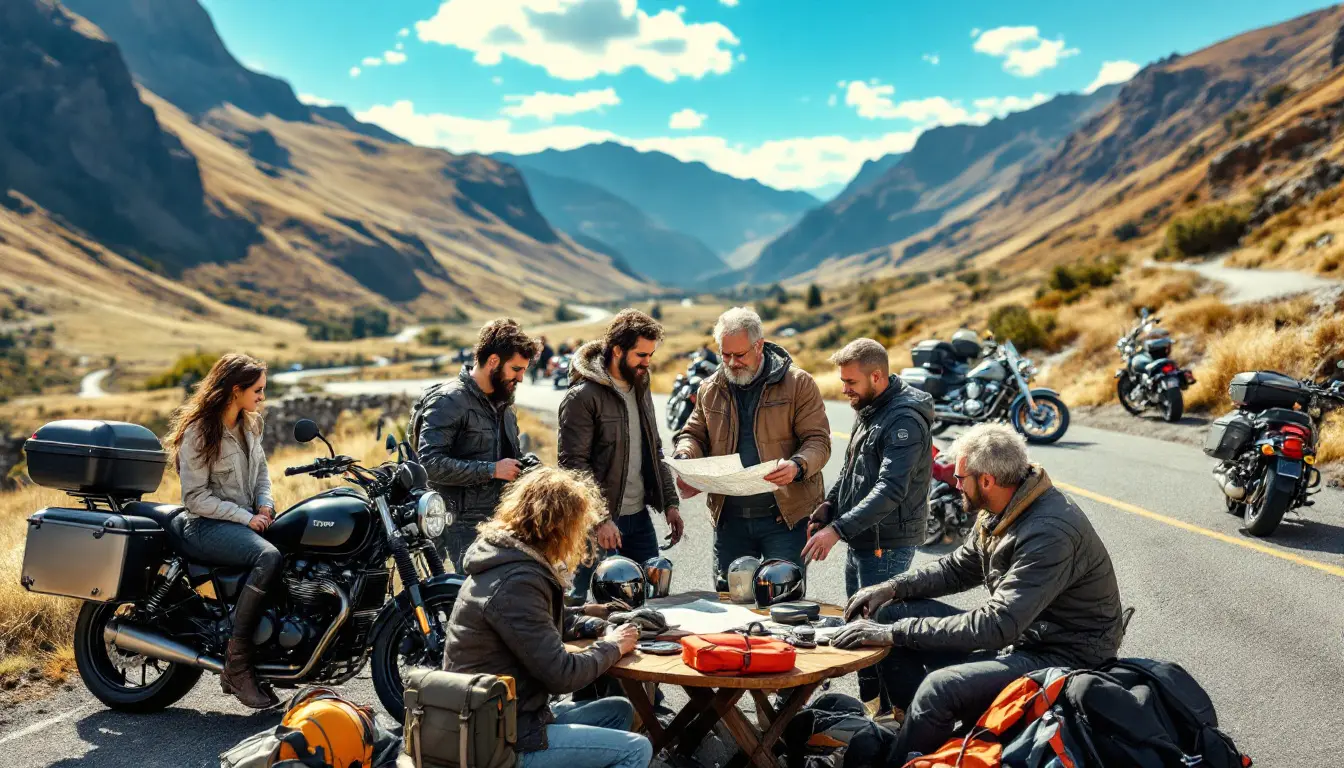
Preparing for a motorcycle trip is an adventure in itself, which requires careful planning to ensure a smooth and enjoyable journey. The first step is to ensure that the motorcycle is in perfect condition. This includes a thorough check of the tires, brakes, and the entire mechanical system. Don’t wait until the last minute to perform these checks, as a poorly maintained motorcycle can transform a dream road trip into a nightmare.
Next, itinerary planning is crucial. Nothing beats a good plan to discover new horizons while minimizing surprises. Choose scenic routes that add beauty to your trip while planning stops for rest. Don’t forget to consider weather conditions and adjust your gear accordingly, ensuring you have clothing suitable for all situations.
The choice of luggage is also essential. Travel light while bringing the essentials: first-aid kit, tools, and appropriate clothing. Organize your belongings in a way that optimizes space and facilitates access to your essentials during stops. Create a checklist to ensure you don’t forget anything before hitting the road.
Finally, proper fatigue management is often overlooked but crucial when undertaking long motorcycle trips. Take regular breaks to stretch your legs and stay alert, and make sure to hydrate well. Listen to your body: if you feel excessive fatigue, don’t hesitate to find a place to rest. These small tips will help you enjoy every moment of your two-wheeled adventure.
Q: What equipment is necessary for a motorcycle trip?
A: It is essential to have clothing suited to all weather conditions, a certified helmet, motorcycle gloves, and sturdy boots. Also, consider bringing accessories such as a first-aid kit and basic tools.
Q: How to check the condition of my motorcycle before a long trip?
A: Start by visually inspecting your tires, brakes, and lights. Ensure that the oil and coolant levels are optimal and check the tire pressure to guarantee good behavior on the road.
Q: What distance is reasonable to travel per day on a motorcycle road trip?
A: It depends on your experience and comfort, but generally, a route of 300 to 500 km per day is often recommended to enjoy your trip without too much fatigue.
Q: How to manage fatigue during long motorcycle trips?
A: Take regular breaks to rest and hydrate. Change your position and avoid staying in the same posture for too long. Listen to your body and don’t hesitate to stop if you feel tired.
Q: What tips for effectively planning my itinerary?
A: Identify the points of interest you wish to visit, evaluate the routes to take, and consider the weather conditions. Use navigation apps for real-time traffic and route information.
Q: What essential items to take with me on a motorcycle trip?
A: Bring spare clothes, toiletries, a charger for your electronics, repair tools, and a notebook to jot down your travel impressions.
Q: How to find suitable accommodations during a road trip?
A: Look for hotels or campgrounds that welcome motorcyclists. You can use booking apps or ask for recommendations from other travelers.
Q: Why is it important to train before a motorcycle trip?
A: Proper training helps you master your motorcycle and deal with difficult situations on the road. It also enhances your safety and confidence during long trips.
Q: How to stay focused while driving over long distances?
A: Keep an eye on changes in the road, avoid distractions, and take frequent breaks to avoid monotony. Talking with a passenger can also help maintain your attention.


