
IN BRIEF
|
When it comes to choosing a motorcycle helmet or scooter helmet, safety is paramount. With a multitude of models available on the market, it is crucial to understand the real value of this equipment. Indeed, the price of a helmet does not always guarantee its level of protection. Therefore, it is important to explore the criteria that influence not only the price but also the effectiveness in terms of safety and comfort. Whether it’s the manufacturing material, safety standards, or the results of tests performed, every detail matters to make an informed choice.
Safety is a major concern for all motorcycle enthusiasts. The diversity of motorcycle helmets and scooter helmets on the market often makes the choice complex. This article explores the advantages and disadvantages of these helmets to inform users about their real value.
Advantages
Motorcycle and scooter helmets are primarily designed to ensure the rider’s safety. They absorb and disperse impact energy, thus providing crucial protection in case of an accident. Recent models that comply with the ECE 22.06 standard incorporate technological improvements that enhance their resilience and efficiency.
In addition to safety, a good helmet must also be comfortable. Lightweight carbon fiber helmets allow for prolonged use without discomfort. Many models are equipped with effective ventilation systems, ensuring optimal air circulation that prevents overheating during long rides. Some modular helmets offer great versatility, transforming into Jet helmets for more practicality in urban environments.
Disadvantages
However, it is important to recognize that the price of a helmet does not always reflect its level of protection. A recent study highlighted that some of the most affordable helmets offer satisfactory protection, while more expensive models may have shortcomings. The perception of a helmet as a luxury product can influence purchasing decisions, but this value does not always guarantee optimal safety.
Another aspect to consider is the maintenance of the helmet. Over time, elements such as padding and visors can degrade, and it is essential to replace the helmet every 5 years, even if it has not been involved in an accident. This can represent an additional cost for users. Moreover, some models may seem bulky or unattractive to those who prioritize a specific style.
Finally, it is crucial to ensure that the helmet fits properly, as a poorly fitting helmet will not provide the expected safety. The choice of size and model must therefore be made carefully to ensure effective protection.
The choice of a motorcycle or scooter helmet is crucial to ensure optimal protection while taking into account comfort and aesthetics. With a multitude of models available on the market, it is essential to understand how to assess the real value of this equipment. This article will provide you with keys to make an informed choice, taking into account safety standards and important characteristics.
Safety Standards
Since early 2023, motorcycle and scooter helmets must meet the ECE 22.06 standard. This standard aims to improve driver safety by strengthening the tests conducted on helmets. For example, helmets must now withstand impacts simulating different types of shocks, and the visor is subjected to rigorous high-speed tests.
Materials Used and Their Impact on Price
The price of a helmet can vary greatly, ranging from 50 € to 700 €. This cost is often influenced by the material of the shell, whether it is polycarbonate, fiberglass, or carbon. Carbon fiber helmets, for example, are lighter and offer better shock absorption, but their price is generally higher.
Comfort and Ergonomics
It is essential to ensure that the helmet is comfortable during use. Criteria such as size, weight, and the tightening system play a crucial role. Be sure to check if you can slide a finger between your head and the inner padding. If it is difficult, the helmet is probably too small. A good fit is crucial to ensure safety.
Protection and Additional Features
In addition to the structure of the helmet, other elements such as abrasion protection and ventilation systems should be considered. Each helmet should be able to withstand oblique impacts and provide full head protection. Reputable brands also offer helmets with additional features such as anti-glare visors or tinted shields, providing extra defense against the elements.
Aesthetic Value vs. Safety
It is tempting to choose a helmet solely based on its appearance. Nevertheless, it is crucial to keep in mind that priority should always be given to safety. A helmet can be stylish, but if it does not provide adequate protection, it is not a good investment. Models can often combine style and safety, so look for those that have been well-rated in crash tests, such as those provided by the English website Sharp.
Let’s Invest in Safety
Do not neglect the importance of investing in appropriate protection for your motorcycle. According to studies, helmets from different price ranges do not necessarily offer levels of protection proportional to their cost. Opt for models that have proven themselves in terms of safety by consulting detailed buying guides. To learn more, check out reliable sources such as Speedway.
Conclusion on the Real Value of Helmets
The choice of a motorcycle or scooter helmet should never be taken lightly. Evaluating safety, comfort, materials, and value for money will help you make an informed decision. Trust established standards and be sure to invest in your safety on the road.
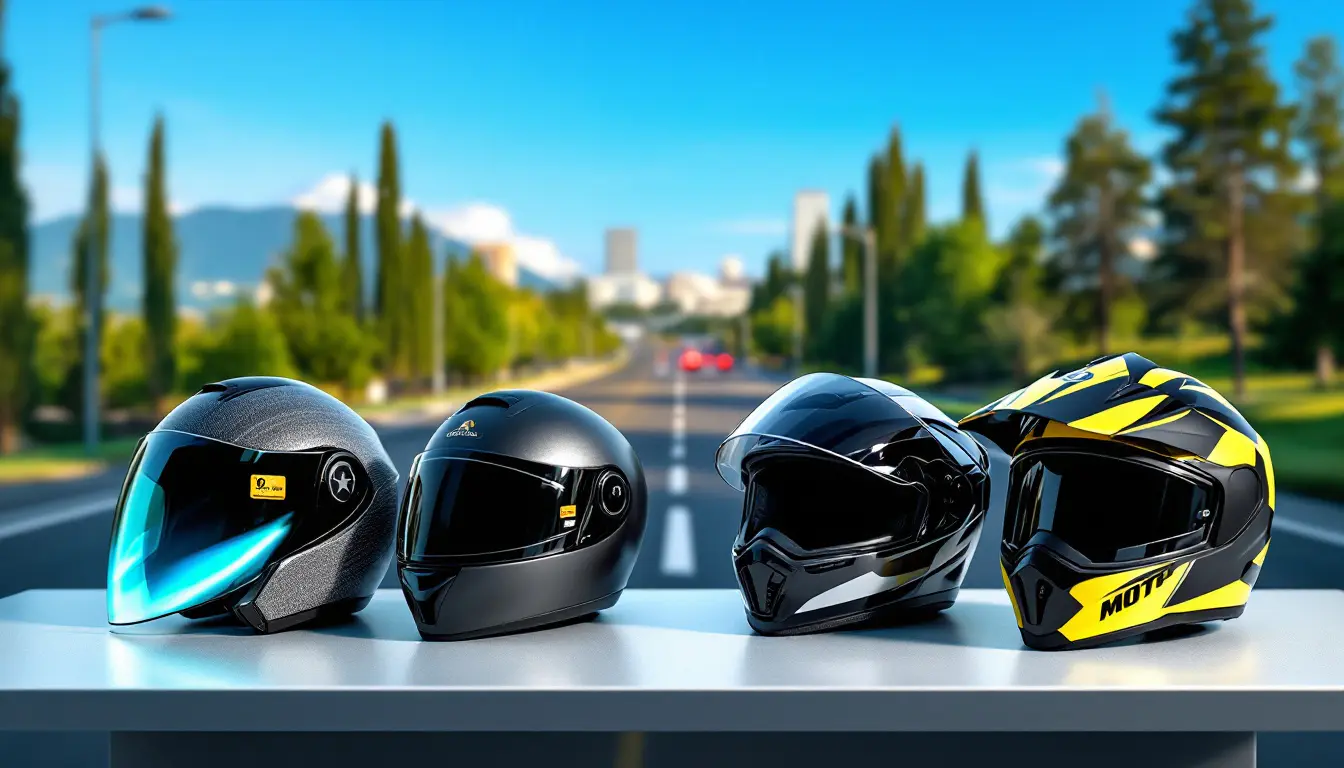
Choosing a motorcycle or scooter helmet is a crucial decision that involves considering several factors. Safety, comfort, and durability are essential elements to consider in order to make the right choice. In this article, we will explore the real value of helmets, clarifying the criteria that influence their effectiveness and price.
Safety Standards
Most helmets on the market comply with certain safety standards, such as the ECE 22.06 standard, updated in 2023. This standard ensures that helmets undergo rigorous testing to assess their impact resistance. It is essential to ensure that the helmet chosen meets these standards to guarantee optimal protection in case of an accident.
Materials and Their Impact on Price
The material of the helmet’s outer shell, whether made of polycarbonate, fiberglass, or carbon, impacts not only the weight but also the price. Helmets made of fiber or carbon, although more expensive, often offer better protection and increased comfort. It is therefore important to consider the quality-price ratio based on your specific needs.
Comfort and Adaptability
Comfort is a primary aspect that should not be overlooked. A helmet must fit snugly on the head, neither too tight nor too loose. Moreover, there are modular models that can be used as Jet helmets, offering greater flexibility. Before purchasing, try several sizes and shapes to find the helmet that suits you best.
Crash Tests
To properly assess the protection offered by a helmet, it is recommended to consult resources like the English website Sharp, which conducts detailed crash tests. These tests rate helmets on a scale from three to five stars, providing a good indication of the safety they offer. Inform yourself about the results of these tests to guide your choice.
Price Is Not Always Synonymous with Quality
It is crucial to understand that the price of a helmet does not always reflect its level of protection. A study revealed that some expensive helmets are not necessarily the safest. It is therefore advisable to refer to comparisons and expert opinions to make an informed choice. Consult sites like quechoisir.org for recommendations on the best helmets.
By considering all these factors — safety standards, materials, comfort, and price — you will be able to choose a motorcycle or scooter helmet that meets your expectations while ensuring your safety. Remember that investing in a quality helmet is essential to guarantee your protection on the road.
| Criteria | Details |
|---|---|
| Price | Between 50 and 700 € depending on materials and performance. |
| Materials | Shell made of polycarbonate, carbon fiber, or fiberglass. |
| Safety level | Certified according to the ECE 22.06 standard, with rigorous testing. |
| Weight | Fiberglass or carbon helmets are lighter and more comfortable. |
| Protection | Impact tests at low and high speeds, visor resistance. |
| Comfort | Fit, ventilation, and padded interior are essential. |
| Durability | Replace every 5 years minimum, or after a severe impact. |
| Style | Various models available: full face, jet, modular. Choose based on usage. |
Testimonials on The Essentials of the Real Value of Motorcycle and Scooter Helmets
During my search for a motorcycle helmet, I quickly realized that price does not always reflect quality. I opted for a mid-range model after consulting several reviews. The one I chose confirmed to me that an inexpensive helmet can be just as effective as a high-end model. Safety is paramount, and crash tests clearly show that it is not necessary to rely solely on the brand.
As a biker, I place safety above all. After reading tests on several helmets, I was pleasantly surprised to find that some “budget-friendly” helmets have received excellent ratings from experts. This proves that there are accessible options on the market while adhering to safety standards, such as the ECE 22.06 standard.
I think aesthetics also play a role in choosing a scooter helmet, but one must never compromise on safety. I began comparing helmets based on their weight and materials. Ultimately, I opted for a model made of carbon fiber, which is lighter and therefore more comfortable to wear over long distances.
It is also essential to examine the comfort and fit criteria. I tried on several helmets before making my choice, and I highly recommend visiting a specialized store to try them on. Having a proper tightening system and good ventilation made all the difference for me during my summer rides.
For those considering buying a helmet, remember that even the visor must be of good quality. Indeed, my last helmet has a visor that withstands significant impacts, which, for me, adds to the real value of the product. This detail could prove crucial in the event of an accident, especially with the high-speed impact tests the visor must face.
Choosing a motorcycle or scooter helmet is not an easy task, given the vast array available. Safety should be the primary criterion for this choice, although aesthetics and price also play an important role. To fully understand the real value of helmets, it is important to examine the different aspects that influence the protection they offer.
Safety Standards
Helmets must meet safety standards that are rigorous. Currently, the ECE 22.06 standard is in effect and imposes stringent tests to evaluate the helmets’ resistance. These tests include impacts of varying intensity and different zones. A helmet certified according to this standard is a guarantee of protection. Therefore, it is imperative to check whether the model you are considering meets these requirements.
Materials Used
The material of the helmet plays a crucial role in its protection capacity. Polycarbonate models are often more affordable but may be less durable than those made from carbon fiber or fiberglass. The latter are generally lighter and provide better protection, making the riding experience more comfortable over long distances. It is essential to choose your helmet based on these criteria to guarantee a good level of safety.
Weight and Comfort
Another factor to consider is the weight of the helmet. A lightweight helmet requires less carrying effort, which increases comfort, especially on long journeys. That is why it is recommended to try on different models to assess their comfort. Remember that the size must fit well, as a helmet that is too large or too small can compromise your safety.
Helmet Prices
The question of price is often decisive in choosing a helmet. Prices vary greatly, ranging from 50 € to 700 € or more. However, a high price does not necessarily guarantee better protection. Several affordable helmets offer very good safety performance. It is crucial to rely on tests and evaluations to determine the real value of each model, rather than relying solely on the displayed price.
Different Types of Helmets
There are several types of helmets suited for different uses. The full-face helmet offers the best protection for sports motorcycles, while the modular helmet is ideal for scooter users seeking flexibility. The jet helmet, on the other hand, is valued for its lightness and ventilation, but does not provide the same protection as closed helmets. Each has its advantages and disadvantages, so it is essential to choose the type of helmet that matches not only your preferences but also your riding style.
Innovations in Safety
Manufacturers continue to enhance safety technologies in helmets. Innovations such as advanced ventilation systems, linings made of absorbing materials, and anti-fog visors contribute to improved comfort and safety. Inform yourself about these innovations before making your purchase, as they can significantly make a difference in the event of an accident.
Practical Conclusions
Finally, it is always advisable to try on the helmet before purchasing. Ensure it stays in place without being too tight and does not hinder your field of vision. By opting for a quality helmet that meets your needs, you significantly increase your safety while riding a motorcycle or scooter.
Choosing a motorcycle or scooter helmet is not just about aesthetics. In fact, the importance of safety should take precedence in this decision. It is essential to understand that all helmets available on the market are subject to strict standards that ensure a certain level of protection. However, these standards only provide part of the picture, as the strength and effectiveness of a helmet can vary significantly from one model to another.
Safety tests, such as those conducted by the Sharp website, allow riders to better understand the real performance of their equipment. These tests include accident simulations and evaluate a helmet’s ability to absorb shocks. Thus, helmets that receive a high rating,
which indicates optimal protection, are often the best choice for users concerned about their safety. Therefore, it is crucial to consult these reviews and studies before making a decision.
The price of a helmet should not be viewed as the sole indicator of its quality. Indeed, less expensive helmets can offer an equivalent level of protection, while pricier models may not live up to their reputation. It is therefore recommended to look for reviews and real tests to select the helmet that will combine comfort, style, and protection.
Finally, the lifespan of a helmet, as well as its regular maintenance, are also factors to consider to ensure continuous protection. Investing in a good helmet is a wise and responsible choice for any motorcyclist eager to ride safely.
FAQ: The Essentials on the Real Value of Motorcycle and Scooter Helmets


