
IN BRIEF
|
It is essential to choose the right helmet to ensure optimal protection for your head, whether for motorcycling, biking or on a construction site. The gear must meet specific safety standards and be appropriate for your activity. Several criteria come into play, such as comfort, weight, ventilation, and shock resistance. By considering these elements, you can select the helmet that best meets your needs while ensuring your safety.
Selecting an appropriate protective helmet is crucial for ensuring your head’s safety during high-risk activities, such as riding two-wheeled vehicles or working on construction sites. This guide discusses the fundamental criteria to consider in choosing a helmet, as well as the advantages and disadvantages of the different options available on the market.
Advantages
Choosing a quality helmet offers various significant advantages. First, a good helmet is designed to effectively protect against impacts and collisions. Indeed, gear that meets standards, such as the EN 397 standard for construction helmets or EN 14052 for motorcycle helmets, ensures appropriate protection. This is essential for minimizing the risk of serious injuries in the event of an accident.
Next, comfort is another essential criterion. A well-fitted and lightweight helmet allows you to wear it for long periods without discomfort. Additionally, models equipped with features such as a windscreen or good ventilation will enhance your riding experience, including during extended trips.
Finally, the aesthetics of the helmet can also be an asset, as an attractive helmet can boost your confidence and reinforce your motivation to wear this safety device regularly.
Disadvantages
However, it is essential to consider the potential disadvantages associated with selecting a helmet. For example, cost can be a barrier. High-end helmets, which offer a higher level of protection and comfort, can be relatively expensive. Therefore, finding a balance between budget and safety is crucial.
Another disadvantage to consider is weight. Some helmets, although highly protective, may be heavier, which could hinder comfort during prolonged rides. It is recommended to try several models to assess their weight and balance on your head.
Finally, an ill-fitting helmet can impair your vision and hearing. If you choose a helmet that is poorly fitted or too bulky, it may reduce your field of vision or create noise disturbances, making you less aware of your surroundings, which can be dangerous while riding.
For more tips on choosing a helmet, visit the following resources: Qivio and CNESST.
The choice of a protective helmet is crucial to ensure your safety, whether on a motorcycle, bicycle, or at a construction site. The head is one of the most vulnerable areas in an accident, and a good helmet can make all the difference. In this article, we offer you a comprehensive guide to help you select the helmet that best suits your needs.
Standards and certifications to check
Before choosing a helmet, it is important to ensure that it complies with the relevant safety standards. For motorcycle helmets, look for the CE mark, as well as specific approvals that guarantee suitable levels of protection. Construction helmets must also comply with standards such as the EN-397 standard, which ensures adequate protection against impacts and falling objects.
The type of helmet according to use
There are several types of helmets suitable for different uses. For motorcyclists, you can opt for a full-face helmet for maximum protection or an open face model for more comfort in the city. Cyclists, for their part, should choose a helmet specifically designed for biking, taking into account their practice, whether it be touring, MTB, or BMX. Learning more about the differences between these helmets will help you make an informed choice.
Comfort and adjustment
Comfort is essential when wearing a helmet for long periods. Make sure your helmet fits well and does not move when you shake your head. A good helmet should also be lightweight and well-ventilated to prevent excessive heat. Be sure to try on several models and adjust the straps to find the one that fits you best.
Consider accessories and features
Some helmets come with additional features, such as anti-fog visors or windproof chin guards, which enhance comfort and visibility. It is also wise to choose a helmet compatible with communication or navigation systems if you are a motorcyclist. These elements can enrich your experience and improve your safety on the road.
Prices and investing in quality
The price of a helmet can vary significantly depending on the level of protection, technology used, and brand. It is tempting to opt for cheaper models, but this can compromise your safety. Investing in a quality helmet is essential for effectively protecting your head. Check buying guides for recommendations on the best value for money.
For more detailed advice, you can visit resources like this link that will guide you to appropriate advice on choosing a motorcycle helmet.
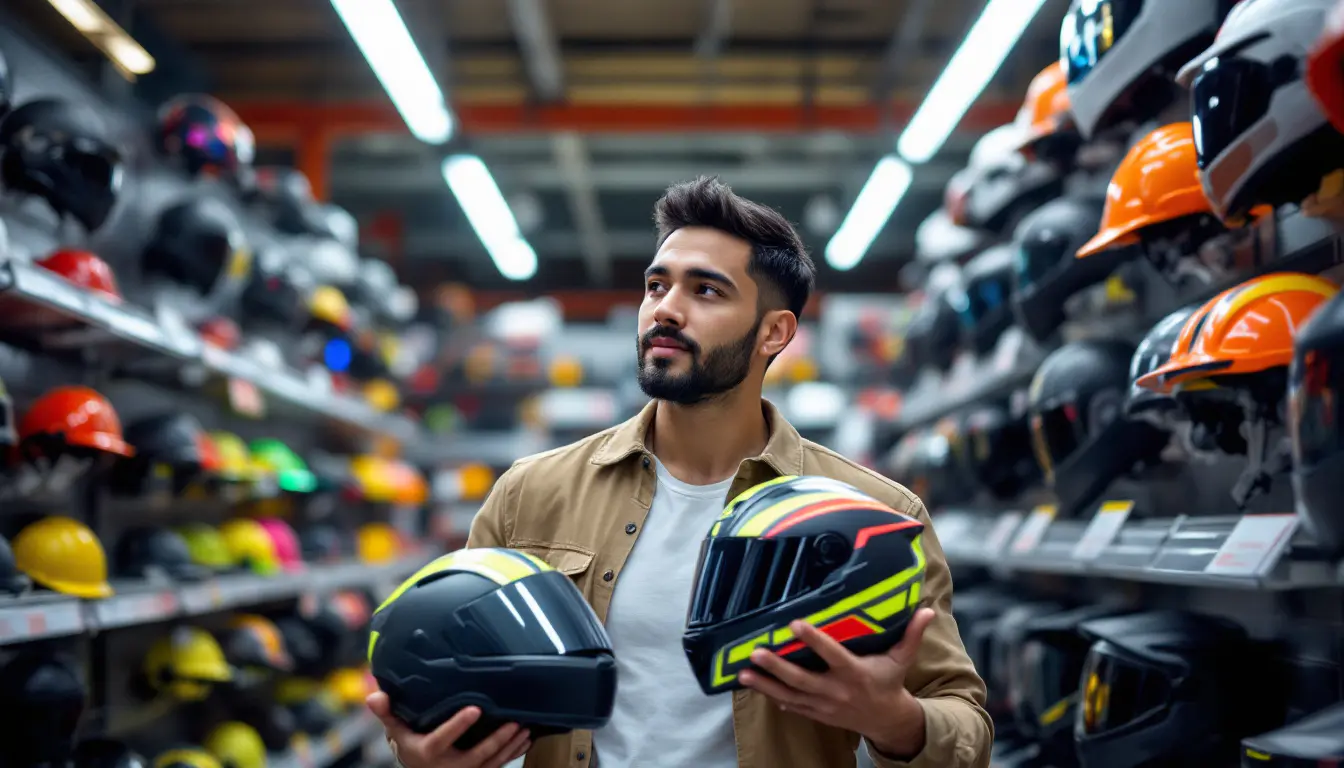
The choice of a protective helmet is crucial to ensure your safety, whether on a motorcycle, bicycle, or at work. An appropriate helmet significantly reduces the risk of injury in the event of an accident. This article will provide you with practical advice to help you select the best helmet to protect your head.
Check the safety standards
To guarantee effective protection, it is essential to choose a helmet that complies with the current safety standards. In Europe, look for the CE mark, and ensure the helmet meets relevant standards such as EN 14052 for construction helmets or EN-397 for common-use protective helmets. These references ensure impact resistance and protection against falling objects.
Consider the type of use
The type of helmet required will depend on your use. For motorcyclists, choose a helmet suitable for riding. For biking, a specific helmet is recommended. For each discipline, helmets with particular features are available to optimize your comfort and safety. For instance, for motorcycles, prioritize a helmet with a windscreen and a chin guard, which helps reduce turbulence and noise.
Opt for comfort
A helmet can offer excellent protection, but if it is not comfortable, you are likely to wear it improperly. Ensure that it is lightweight and well-fitted to your head. To check the fit, wear the helmet without tightening the chin strap and gently shake your head. The helmet should not move. Consider options with good ventilation for extended trips.
Choose the right size
It is imperative to know your head size to choose the right helmet. Measure your head circumference with a measuring tape, placing it just above the eyebrows and circling your head. Then consult the manufacturer’s size guide to select a helmet that fits perfectly. A helmet that is too large or too small will not provide effective protection in the event of an accident.
Compare models and prices
The market is full of various helmet models, ranging from basic to high-end. Take the time to compare the features, comfort, and level of protection before making your choice. Feel free to consult online buying guides, like those provided by Dafy Moto or BigBen Motorcycle for additional tips.
Wear it correctly
Finally, once you have chosen an appropriate helmet, it is essential to use it correctly. Make sure to tighten the chin strap and wear it every time you are on your two-wheeler. Effective protection is useless if the helmet is worn incorrectly or omitted. Also, follow safety tips to optimize your experience, such as those outlined in articles like the one on the site via BigBen Motorcycle.
| Selection criteria | Descriptions |
| Safety standards | Check conformity with European standards (CE, EN-14052). |
| Impact resistance | Opt for a helmet that offers good protection against impacts. |
| Comfort | Choose a lightweight and well-ventilated model for prolonged use. |
| Adjustability | The helmet should be easily adjustable for a good fit. |
| Type of helmet | Identify the type suitable for your use (motorcycle, bicycle, construction). |
| Accessories | Prefer helmets with features like windproof chin guards. |
| Weight | A lightweight helmet improves comfort during long rides. |

When it comes to safety while riding two-wheeled vehicles, the choice of the helmet is paramount. Several users have shared their experiences to encourage others to make the right choice. For instance, Marc, a motorcycle enthusiast, explains: “I hesitated for a long time between several models, but I ultimately opted for a certified helmet compliant with European safety standards. It gave me immense peace of mind knowing that my head would be well protected in case of an accident.”
On her part, Laura, a biking enthusiast, emphasizes the importance of comfort: “Choosing a lightweight and well-fitted helmet was decisive for me. I opted for a model with improved ventilation, which makes my rides much more enjoyable, even during long outings.” She adds that safety should never be compromised for style.
In addition, Tom, who uses a scooter for his daily commutes, reminds us of the importance of accessories: “I chose a helmet with a windproof chin guard. It helped me reduce noise disturbances during my daily commutes. A detail that makes a real difference over time.”
Finally, Sophie, a motorcycle rider, stresses the importance of checking safety standards: “Before buying, I took the time to check that the helmet bore the CE mark and met the EN 14052 standards. These are essential elements to guarantee the performance of the equipment.” She concludes by stating that it is advisable to try the helmet in-store to verify its fit and comfort directly on the head.
Choosing the right protective helmet is essential to ensure the safety of your head during your two-wheeled activities, whether it be motorcycle, scooter, or bicycle. An appropriate helmet can reduce the risk of serious injury in case of an accident. This article guides you through the different criteria to consider for making an informed choice.
The safety standards
First of all, it is crucial to ensure that the helmet complies with the current safety standards. In Europe, the CE mark and standards such as EN-397 (for construction helmets) or ECE R22-05 (for motorcycle helmets) guarantee that the product has been tested and validated. A helmet bearing these marks is more likely to provide effective protection against impacts.
The type of helmet
There are various types of helmets suited for specific uses. For example, you can choose a full-face helmet for better facial protection, a modular helmet for its versatility, or an open face helmet for more comfort in urban settings. Think about your riding style and select a helmet that meets your specific needs.
Full-face helmet
The full-face helmet completely covers the head and face, offering maximum protection. It is ideal for long motorcycle trips, as it also protects against wind and noise. Make sure it is well-ventilated to avoid a feeling of suffocation while riding.
Modular helmet
The modular helmet is a combination of a full-face helmet and an open face helmet. It can be opened for more comfort in the city while providing full protection when closed. It’s an excellent choice for motorcyclists who spend time in urban settings as well as outside of cities.
Open face helmet
The open face helmet is lightweight and offers excellent visibility. Although it is less protective than a full-face helmet, it is perfect for short trips and gentle riding conditions. Be sure to invest in a model with a good visor to protect your eyes from the elements.
Comfort and fit
A good helmet should also be comfortable. Take the time to try on several models and check the fit. Make sure the helmet does not move on your head during lateral movements. A well-fitted helmet should not cause painful pressure points but should keep the head firmly in place.
Materials and weight
The weight of the helmet is another important factor to consider. Helmets made from polycarbonate, fiberglass, or carbon offer a good balance between protection and lightness. Avoid overly heavy helmets, as they can cause fatigue during long rides.
Visibility and ventilation
A good helmet should also provide good visibility. Visors should be clear and anti-fog. Furthermore, good ventilation is crucial for your comfort, especially in the summer or during long rides. Look for models with multiple ventilation openings.
Price and quality
Finally, price can be a deciding factor. Investing in a quality helmet is essential for your safety. Avoid budget models that do not meet safety standards. Look for helmets with a good price-to-quality ratio, considering both safety and comfort.
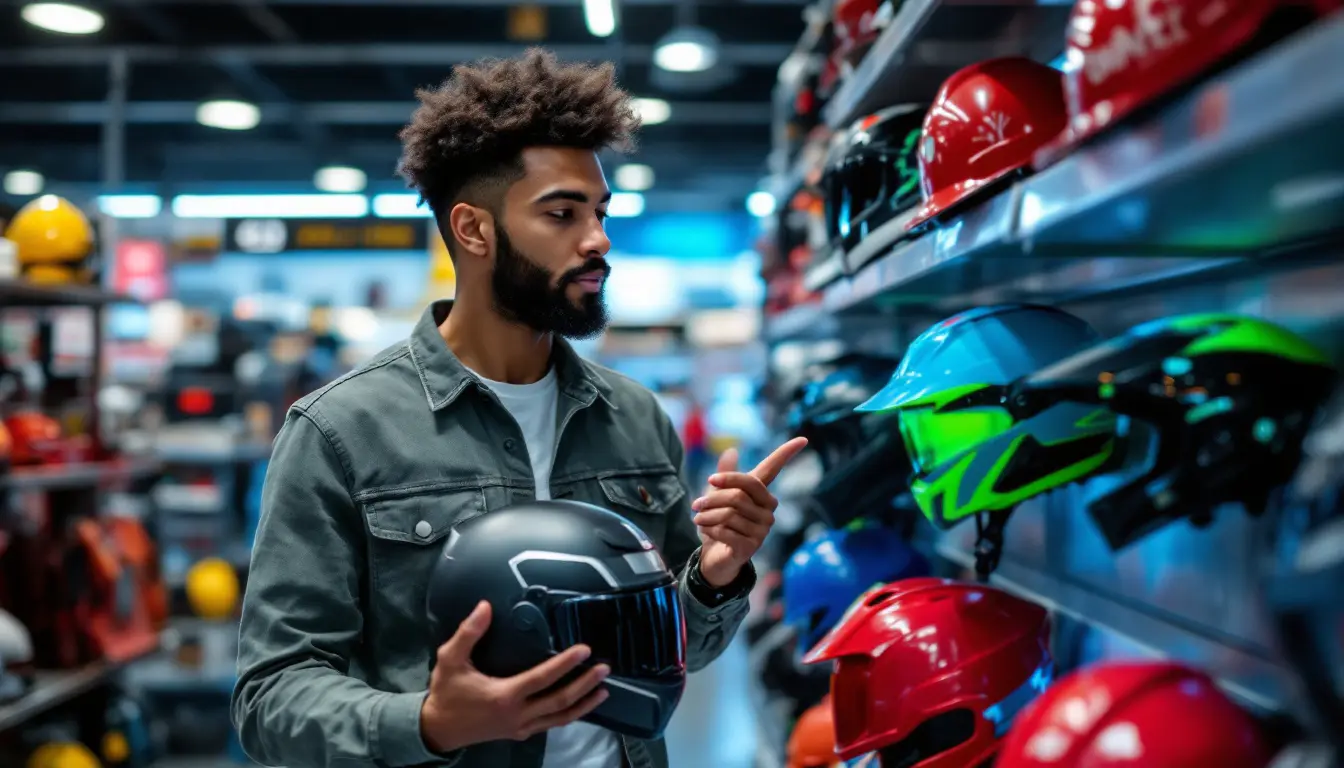
The choice of a protective helmet is a crucial step to ensure your safety, whether for motorcycling, biking, or construction. A good helmet must meet certain safety standards, such as the CE mark, thereby guaranteeing that it has been tested and approved. It is also important to consider the manufacturing material. Helmets made from polystyrene or composite fibers generally offer better impact resistance.
In addition to safety, comfort is a criterion not to be overlooked. It is recommended to try the helmet without tightening the chin strap to check that it does not move, even when shaking your head. A well-fitted helmet should be both snug and lightweight. Moreover, there are models with ventilation systems that improve comfort during long periods of use.
Functionality is also essential. Depending on your use, it may be interesting to choose a helmet with specific features, such as a windscreen for motorcycles or side protections for work on site. These elements help minimize noise disturbances and protect against additional risks.
Finally, do not forget to check the size and adjustments. Take the time to measure your head circumference and adjust the straps accordingly. A good fit ensures optimal protection and increased comfort, reducing the risk of injuries in the event of an accident. Choosing the right helmet is investing in your safety and that of others.
FAQ: How to choose the right helmet to protect your head
What is the importance of choosing a good helmet? A good helmet is essential to ensure maximum protection in the event of an accident and to reduce the risk of head injuries.
What criteria should be considered when choosing a helmet? It is important to consider the safety standard, comfort, weight, size, as well as the intended use of the helmet.
How can you tell if a helmet complies with safety standards? Check that the helmet bears the CE mark and complies with specific standards such as the EN-397 standard for construction helmets or the EN 14052 standard for high-performance protective helmets.
How to properly adjust a helmet? Put on the helmet without tightening the chin strap. Shake your head slightly; the helmet should not move. Adjust the straps for optimal hold.
What type of helmet is most suitable for a motorcycle? Choose a helmet that offers adequate protection, good aerodynamics, and is well-ventilated. Full-face helmets provide the best safety.
Is it necessary to wear a helmet even for short distances? Absolutely, even for short distances, a helmet can prevent serious injuries in the event of an accident.
How to maintain your helmet? Rinse the helmet with clear water, avoid abrasive products, and regularly check the condition of the inner foam and straps.
Does price always reflect the quality of a helmet? Not necessarily. It is advisable to read reviews and compare several models considering safety standards before purchasing.
Can a bicycle helmet be used for a motorcycle? No, bicycle helmets do not comply with the same safety standards as motorcycle helmets and do not provide adequate protection.


