
IN BRIEF
|
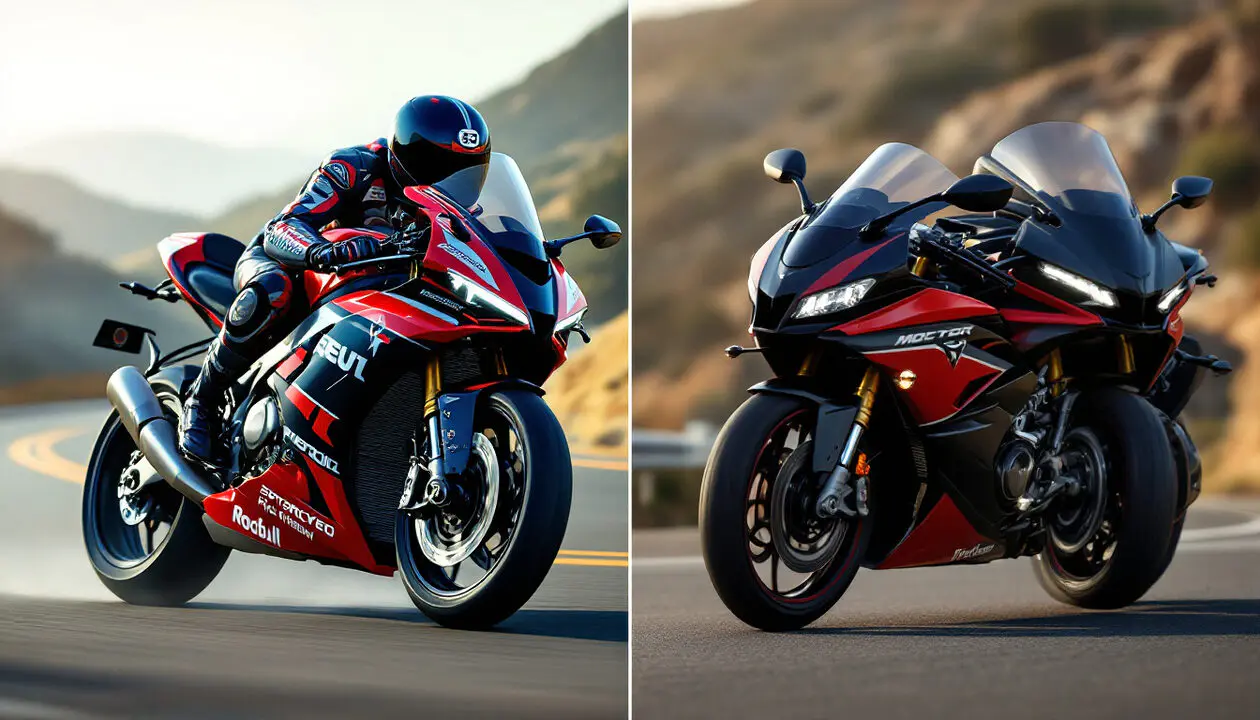
When exploring the world of two-wheelers, it’s essential to understand the differences between sport bikes and touring bikes. These two categories have distinct characteristics that influence the riding experience. Sport bikes, derived from competition models, prioritize speed and performance, while touring bikes are designed to offer optimal comfort during long trips. Let’s discover together the specificities that separate them and that could guide your choice in terms of motorcycle.
When it comes to choosing a motorcycle, two categories stand out for their characteristics and use: sport bikes and touring bikes. Although these two types of motorcycles may seem similar at first glance, they are designed to meet very different needs. This article explores the main differences between these two categories, examining their advantages and disadvantages.
Advantages
Sport bikes
Sport bikes are designed for speed and performance. Their powerful engines, combined with an aerodynamic design, allow for rapid acceleration and exceptional handling on the track. This makes them the ideal choice for thrill-seekers and rides on winding roads. Additionally, their aggressive aesthetics and advanced technology appeal to many riders.
Touring bikes
On the other hand, touring bikes are perfect for long journeys. They are equipped with large tanks for increased range, as well as features such as windscreens and comfortable seating for both the rider and passenger. These motorcycles are designed to provide a more upright riding posture, which reduces fatigue during long trips. They are ideal for those who enjoy traveling and exploring new horizons.
Disadvantages
However, sport bikes have their limitations. Their often aggressive riding position can be uncomfortable on long trips, and they are not always suitable for carrying passengers or luggage. Moreover, their use is generally less economical, both in terms of fuel consumption and insurance cost, due to the power of their engines.
Regarding touring bikes, although comfortable for long trips, they are not designed for speed and performance. This means that riders looking for thrills may find these models less exciting. Additionally, their weight can make them less maneuverable in tight turns, which can be a disadvantage for those who enjoy dynamic riding.
For more information about different types of motorcycles, you can check this site here. For tips on choosing your motorcycle, visit this link.
Sport bikes and touring bikes are two very popular categories among two-wheeled enthusiasts. While they share some characteristics, they are designed for very different uses. This article analyzes the main distinctions between these two types of motorcycles, particularly in terms of design, ergonomics, and riding experience.
Design and aesthetics
Sport bikes stand out for their aggressive and aerodynamic look. They are often equipped with deep fairings that promote speed and reduce air resistance. In contrast, touring bikes feature a more utilitarian design, focused on comfort and functionality. The latter generally have larger windscreens and bigger fuel tanks to ensure prolonged journeys.
Ergonomics and posture
The riding posture on a sport bike is often more leaned forward, allowing the rider to lean and adopt an aerodynamic position. This improves performance in straight lines and in turns. On the other hand, touring bikes offer a more upright and relaxed riding position, which is ideal for long trips. This posture helps to reduce rider fatigue during long hours on the road.
Performance and power
Sport bikes are equipped with powerful engines, derived from race models, designed to maximize speed and responsiveness. These motorcycles are ideal for those seeking thrills and riding on the track. Conversely, touring bikes are designed for stability and comfort over long distances, providing sufficient power while remaining manageable and comfortable.
Equipment and accessories
Touring bikes are often equipped with many comfort-oriented features, such as integrated navigation systems, heated grips, and storage options. In contrast, sport bikes focus their design on lightweight elements and advanced technologies to improve performance, often at the expense of comfort equipment.
Use and riding experience
Sport bikes are perfect for those looking to perform on the road or track, while touring bikes are ideal for those prioritizing traveling and long distances. In terms of riding experience, the former focus on speed and agility, while the latter offer comfort and practicality.
To learn more about these two categories of motorcycles, you can consult additional resources, including articles on the differences between sport and touring bikes or even the distinction between GT and touring bikes.
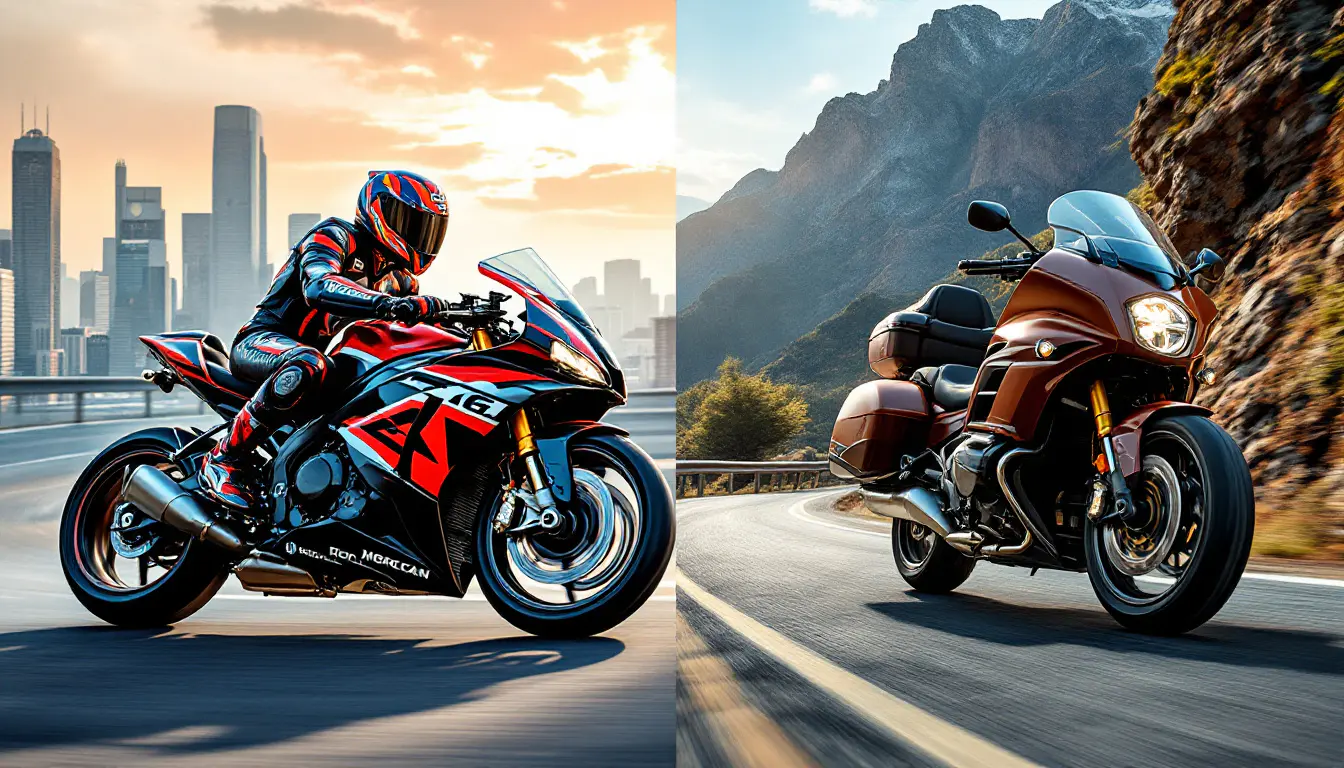
When it comes to choosing a motorcycle, it is essential to understand the fundamental differences between the various types available on the market. Among the most popular categories are sport bikes and touring bikes. This article explores their particularities, the advantages and disadvantages of each type, to help you make the choice that best meets your needs.
Design and ergonomics
The first notable difference lies in the design of sport and touring bikes. Sport bikes, derived from race models, are designed for speed and maneuverability. They have a more leaned riding posture, which favors dynamic riding. In contrast, touring bikes offer a more relaxed ergonomics, with a lower seat and a more upright riding position, ideal for long distances.
Performance and power
In terms of performance, sport bikes are equipped with powerful engines, capable of quickly reaching high speeds. This makes them ideal for thrill-seekers. Touring bikes, on the other hand, are designed to provide a good balance between power and comfort, making them perfect for long journeys without getting fatigued.
Distinctive characteristics
Touring bikes also stand out for specific features such as a large fuel tank for extended range during trips, a wider windscreen for better wind protection, and integrated storage bags for carrying your belongings. Sport bikes, on the other hand, emphasize an aerodynamic and lightweight design, without any extra gear that could burden the ride.
Use and convenience
The choice between a sport bike and a touring bike largely depends on the use you foresee. If you are looking for high-speed thrills and enjoy riding on the track or winding roads, the sport bike will be your best ally. On the other hand, if you plan to cover long distances, a touring bike with all the necessary comfort will be much more suitable.
Advantages and disadvantages
Both types of bikes come with their advantages and disadvantages. Sport bikes offer an exciting riding experience but may be less comfortable for long rides. Conversely, touring bikes are perfect for comfort and autonomy, but their weight and maneuverability may be less appealing to those who prefer speed.
For more detailed information about the differences between these categories, feel free to consult additional resources such as this article.
Comparison between sport bikes and touring bikes
| Criteria | Sport Bikes | Touring Bikes |
| Riding position | Aggressive posture, ideal for speed | Upright posture, more comfortable for long trips |
| Type of engine | Very powerful engine for performance | Engine optimized for comfort and longevity |
| Equipment | Lightweight design, focused on aerodynamics | Additional equipment like windscreens and top cases |
| Tank capacity | Usually smaller | Larger tank for extended range |
| Use | Primarily designed for tracks and speed | Ideal for long-distance travel |
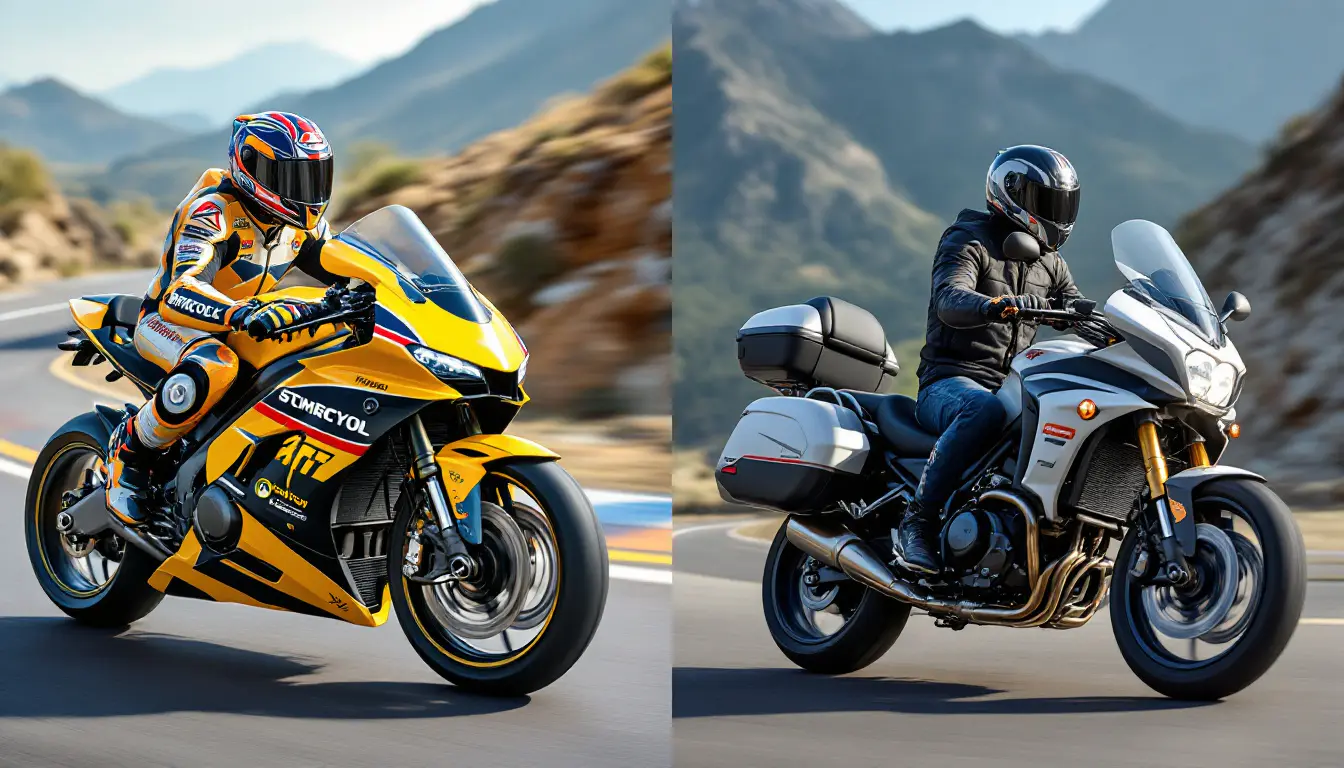
Differences between sport bikes and touring bikes
Sport bikes are characterized by their aerodynamic design and superior engine power, making them particularly suitable for circuit performance. Their ergonomics is often designed for a more leaned posture, favoring speed and maneuverability. In contrast, touring bikes are designed for long-trip comfort, featuring a cushy seat and a more upright riding position that allows for covering vast distances without fatigue.
An important point lies in the loading capacity. Touring bikes, often equipped with integrated luggage and large tanks, are ideal for longer trips. Sport bikes, on the other hand, prioritize style and performance at the expense of storage space, making them less practical for prolonged travel.
Regarding equipment, sport bikes typically feature advanced safety features such as high-performance brakes and stiff suspensions, ensuring excellent responsiveness. Conversely, touring bikes emphasize comfort with features like adjustable windscreens and navigation equipment, offering a more relaxing riding experience.
Finally, the riding experience differs significantly between these two categories. Sport bike riders often seek adrenaline and excitement from fast riding in curves, while those who choose touring bikes prioritize discovery and exploration during their road trips, focusing on the scenery rather than on speed.
Differences between sport bikes and touring bikes
Choosing a motorcycle is crucial for every two-wheeled enthusiast. Between sport bikes and touring bikes, there are significant differences that cater to varied needs in terms of riding. This article explores these distinctions to help you better understand which type of motorcycle best suits your riding style.
Sport bikes
Design and performance
Sport bikes are designed for speed and dynamism. Their aerodynamic design, combined with powerful engines, allows them to achieve impressive track performance. These models are often equipped with stiff suspensions and high grip tires, optimizing cornering behavior.
Riding posture
The posture on a sport bike is generally more aggressive, with a low handlebar and a high seat, encouraging a forward-leaning position. This ergonomics is ideal for performance but can become uncomfortable on prolonged trips.
Use
Sport bikes are particularly recommended for thrill-seekers, race tracks, and rides on winding roads. They are not particularly well-suited for long trips where comfort is paramount.
Touring bikes
Comfort and ergonomics
Touring bikes are specifically designed for comfort on long distances. Their ergonomics are optimized with a wide seat, higher handlebars, and footpegs positioned to reduce body strain. Additionally, these bikes often feature larger windscreens and wind protection, making rides more enjoyable.
Equipment and features
Touring bikes also stand out for their characteristics. They are generally equipped with large fuel tanks allowing for high autonomy, as well as navigation systems, integrated storage, and other conveniences for long trips. These bikes are suited for users wanting to go on trips lasting several days.
Versatility
Unlike sport bikes, touring bikes offer versatility that allows them to be used both in urban and rural settings. This makes them an optimal choice for travel enthusiasts who demand comfort and ease of use.
Comparison of advantages and disadvantages
Sport bikes provide extraordinary performance and an exhilarating riding experience. However, their comfort may prove insufficient for long distances, and they are often less practical for daily use.
Touring bikes are comfortable and suitable for long trips, with good carrying capacity. However, their weight and bulk can make them less maneuverable in the city, and they do not rival the speed of sport bikes on the track.
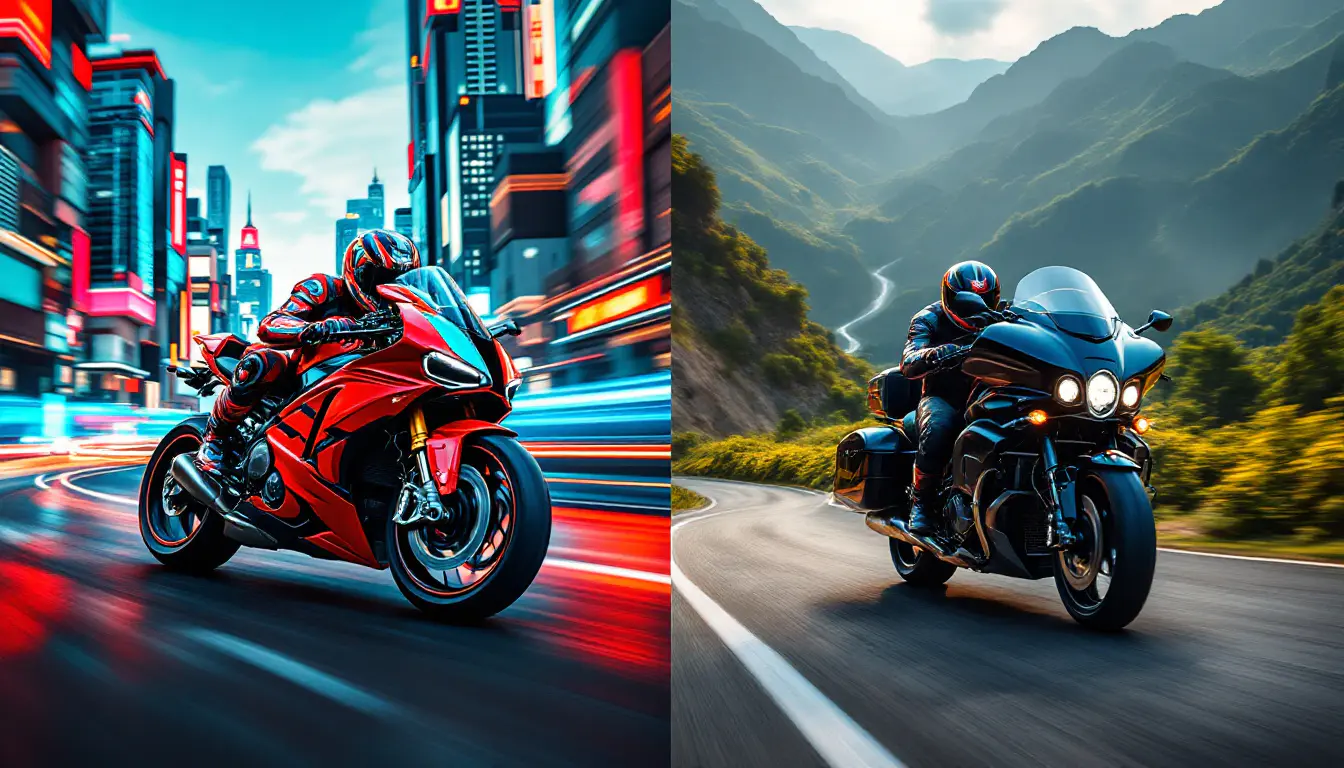
Differences between sport bikes and touring bikes
Sport bikes and touring bikes represent two distinct categories in the world of two-wheels, each having unique characteristics that address specific needs. Sport bikes focus mainly on performance, speed, and agility. Equipped with generally more powerful engines and an aerodynamic design, they are ideal for thrill-seekers and circuit riding. Their riding position is often leaned, favoring speed but can become uncomfortable over long distances.
On the other hand, touring bikes are designed for comfort and duration. They come with wider seats, better suspension, and ergonomic features that facilitate prolonged journeys. The engine placement and bike geometry allow a more upright riding position, thus reducing fatigue on long trips. Furthermore, they often have larger tanks to allow for longer trips without frequent stops.
It is also crucial to mention the accessories and customization options that differ between these two types of bikes. Sport bikes focus on performance elements such as high-performance brakes, racing tires, and optimized exhaust systems, while touring bikes integrate equipment like saddlebags, adjustable windscreens, and navigation systems. This underscores how both bikes are designed to meet different expectations, whether for speed or comfort on the road.
FAQ on Differences between Sport Bikes and Touring Bikes
What are the main differences between a sport bike and a touring bike? Sport bikes are designed for speed and performance on the track, while touring bikes are optimized for comfort on long trips.
What characterizes a sport bike? A sport bike is typically equipped with a powerful engine, a leaned riding position, and an aerodynamic design, allowing rapid attainment of high speeds.
What are the characteristics of a touring bike? Touring bikes offer a more upright riding position, a large tank for long distances, as well as a larger windscreen for rider comfort.
Are sport bikes suitable for long trips? No, sport bikes are not ideal for long trips due to their ergonomics favoring speed at the expense of comfort.
What makes a touring bike more comfortable? A touring bike is equipped with ergonomic seats, storage space, and often comfort-focused features like heated grips, specially designed for long trip comfort.
Can a sport bike be used for touring? Although not recommended, some riders use sport bikes for touring, but this may lead to discomfort over long distances.
What sport bikes are recommended for road use? Sport bike models designed for road use are usually homologated and provide a balance between performance and safety.
Are touring bikes heavier than sport bikes? Yes, touring bikes are generally heavier due to their additional equipment and comfort-focused design.