

IN BRIEF
|
Riding a motorcycle in the rain can be a real challenge, but with the right tips, it is possible to do it safely. Wet roads present significant risks due to reduced grip and decreased visibility. To ensure an optimal riding experience, it is essential to adopt a cautious behavior, check the condition of your motorcycle, and equip yourself adequately. Let’s explore together practical advice for mastering riding on wet roads and staying safe on your two-wheeled vehicle.
Riding a motorcycle in the rain can be challenging, but with the right advice and adequate preparation, this experience can become much more serene. Every motorcyclist should know certain tips that guarantee a safe ride and comfort when the weather worsens. Let’s discover these tips along with their advantages and disadvantages.
Advantages
Adopting cautious driving in the rain improves safety while increasing the enjoyment of riding. Here are some notable advantages:
1. Anticipation : By doubling the safe distances, you reduce the risks of slipping and accidents. It is essential to remain vigilant and anticipate dangers on the road.
2. Appropriate equipment : Wearing waterproof, windproof, breathable rain gear increases comfort and reduces distractions related to discomfort, which promotes better concentration on the road.
3. Speed adjustment : By reducing speed by 10 to 20 km/h, you improve your reaction time to the hazards posed by a wet road. Smoother riding also helps maintain control of the motorcycle.
Disadvantages
Despite these advantages, some disadvantages remain to be taken into account when riding in the rain:
1. Reduced visibility : Rain impairs visibility, both for motorcyclists and other road users. This makes it essential to increase vigilance and be visible with bright clothing, and to ensure that the motorcycle’s headlights are functioning properly.
2. Reduced grip : Wet roads decrease tire grip, increasing the risk of slipping. Therefore, it is crucial to check the condition of the tires before hitting the road, especially on slippery surfaces.
3. Mental fatigue : Riding in the rain requires heightened concentration, which can lead to some mental fatigue. Taking frequent breaks to remain alert is thus a good piece of advice.
In summary, riding a motorcycle in the rain requires specific precautions, ranging from appropriate gear to increased attention on the road. For more advice on this subject, feel free to consult specialized resources such as Moto Expert and Uniroyal. These tips will help you stay safe while enjoying your passion for motorcycles, even in the rain.
Riding a motorcycle in the rain can be a challenge, but with some precautions and practical advice, you can ensure your safety and enjoy your ride. This article offers recommendations aimed at improving your riding experience in rainy weather.
Anticipation and safe distances
Safety begins with anticipation. When riding in the rain, it is essential to double your safe distances to compensate for the reduced grip due to wet roads. This will allow you to react better in case of sudden braking or unexpected obstacles.
Appropriate gear
Make sure your rain gear is suitable. Choose waterproof, windproof, and breathable clothing to stay dry while maintaining optimal comfort. Don’t forget to check that your helmet and gloves are in good condition, as they play a crucial role in your protection.
Checking the motorcycle
Before you set out, it is vital to check the condition of your motorcycle. Verify the functioning of the brakes and the condition of the tires. Worn tires may struggle to disperse water, thereby increasing the risks of slipping. Good grip is essential in rainy weather.
Speed adjustment
When riding in the rain, reduce your speed by 10 to 20 km/h. This will allow you to better handle the loss of grip and the poor visibility caused by rain and splashes. A smoother and more relaxed riding style also helps to avoid sudden reactions.
Attention to the road
Always stay vigilant and observant. Avoid forcing your motorcycle, especially in turns or on slippery surfaces. Avoid taking too tight angles and anticipate skidding by looking ahead. This will help you better manage changes in grip.
Be visible
It is crucial to make yourself visible to other road users. In addition to using your lights, wear reflective clothing to improve your visibility in the rain. Ensure that your motorcycle is equipped with a good lighting system to be seen in bad weather.
Take the time to equip yourself
Do not rush when it comes to dressing for riding in the rain. Take the time to equip yourself properly before leaving, ensuring that each piece of equipment is correctly fitted. This can make the difference between a pleasant ride and an unpleasant experience.
For more information on tips for riding a motorcycle in the rain, you can consult additional articles here: Confort Auto, April Moto, and Speedway.
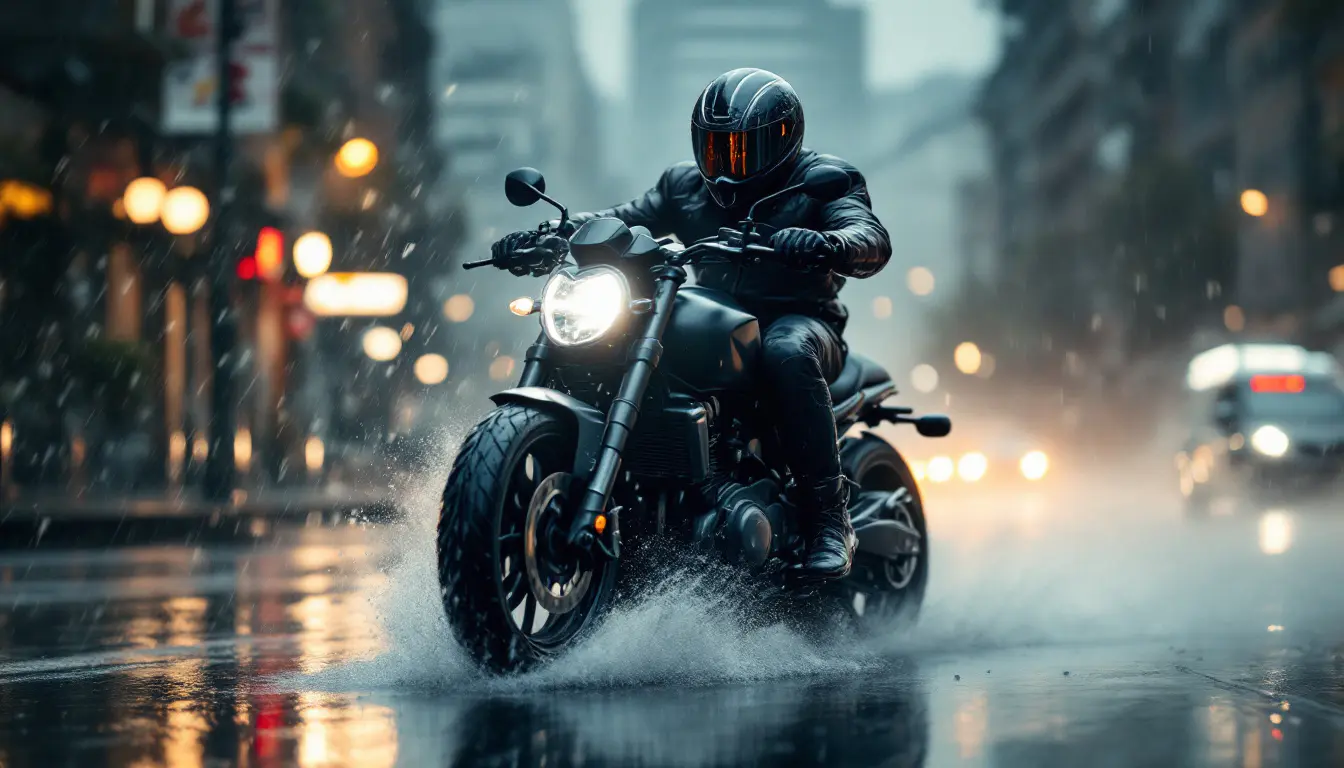
Tips for Riding in the Rain on a Motorcycle
Riding a motorcycle in the rain can indeed be a real challenge, but with the right tips, it is possible to do it safely. Preparation, caution, and thoughtful anticipation are essential to maintaining control of your vehicle and avoiding accidents. Here are some indispensable tips for tackling wet roads.
Anticipate to react better
One of the golden rules when riding in the rain is to anticipate situations. Increase your safe distance as wet roads decrease grip. It is advisable to double the usual distances to give yourself time to act if needed.
Check your motorcycle
Before hitting the road, it is crucial to check the condition of your motorcycle. Ensure that all systems are functioning properly, especially the brakes and lights. Adjust your tire pressure as well because properly inflated tires will enhance road grip on wet surfaces.
Speed adjustment
It is recommended to reduce your speed by 10 to 20 km/h. This allows you to better anticipate the loss of grip and adjust your behavior on the slippery pavement. A slower speed also helps you to see better and be seen by other road users.
Appropriate equipment
Investing in quality rain gear is essential. Waterproof, windproof, and breathable clothing will keep you comfortable during your ride. Don’t forget a face shield to avoid fogging and maximize your visibility. Good equipment can make all the difference.
Riding techniques
Adopt a smooth riding style. Avoid harsh maneuvers for accelerating, braking, or changing direction. This minimizes the risks of slipping and helps you keep control of your motorcycle. Stay relaxed and focus on the road ahead.
Stay vigilant
Finally, be attentive to everything that shines on the road. Dangers, such as oil or wet leaves, make the surface even more slippery. Pay particular attention to turns and the condition of the roads to avoid any unpleasant surprises.
For more information on riding in the rain, consult additional resources such as Speedway, Moto Québec, or April Moto.
Tips for Riding a Motorcycle in the Rain
| Tips | Description |
| Anticipation | Double the safe distances to compensate for the reduced grip. |
| Check your gear | Ensure that your motorcycle, especially the tires, is in good condition. |
| Reduce your speed | Lower your speed by 10 to 20 km/h to better manage the conditions. |
| Equip yourself properly | Use a waterproof and breathable outfit to stay dry. |
| Adopt gentle driving | Avoid accelerating or braking harshly to prevent slipping. |
| Be cautious of reflections | Stay vigilant of wet and slippery surfaces that can be treacherous. |
| Vision | Look ahead and adjust your trajectory for better anticipation. |
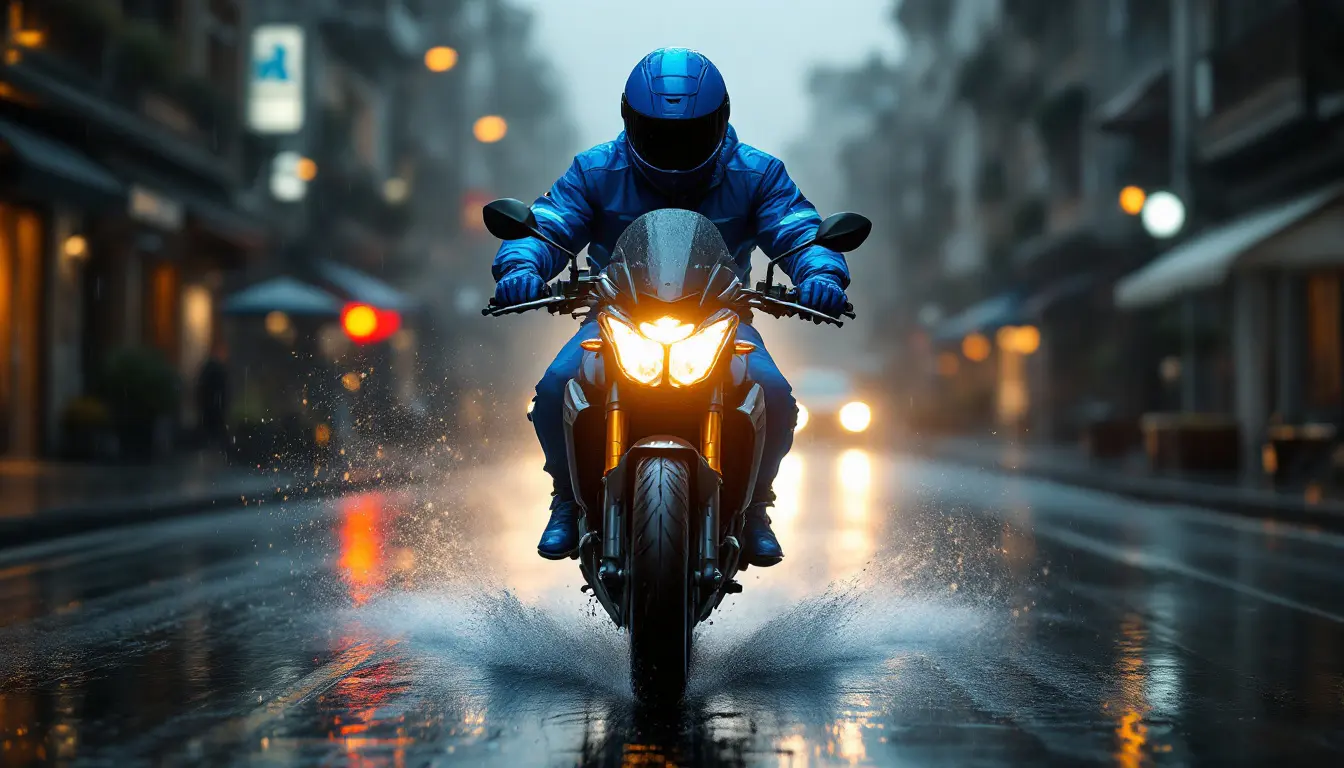
Tips for Riding a Motorcycle in the Rain
When weather conditions deteriorate, riding a motorcycle can become a real challenge. To ensure your safety, it is essential to adopt some wise advice. First of all, it is crucial to double the safe distances. On a wet road, grip is reduced, and braking suddenly can easily lead to a loss of control.
Before hitting the road, thoroughly check the condition of your motorcycle. Make sure all functions are in good condition, especially the tires. They play a crucial role in dispersing water and ensuring optimal grip. If your tires are worn, replace them quickly.
While riding, adjust your speed by reducing it by 10 to 20 km/h. This will give you more time to react to changes in conditions on the road. Additionally, stay focused on your vision. It is important to look ahead to anticipate changes in grip and potential obstacles.
Wear appropriate gear to protect yourself from the elements. Opt for a waterproof rain suit, windproof and breathable, to stay comfortable throughout your ride. Also, make sure to be visible to other road users by wearing reflective clothing when visibility is reduced.
To navigate turns cautiously, avoid leaning your motorcycle too abruptly. Smooth riding will help you maintain control in case of a slip. Stay relaxed and adjust your riding style according to the conditions. Each turn requires anticipation of your motorcycle’s reactions.
Finally, learn to brake gently. Use a combination of front and rear brakes, applying pressure progressively to avoid locking the wheels. This technique is particularly important in the rain. By incorporating these recommendations, you will have a safer and more enjoyable riding experience.
Riding a motorcycle in the rain can be a challenge, but with the right practices and adequate preparation, it is possible to stay safe while enjoying the road. This article presents essential tips for riding safely when the weather becomes wet. From gear to the act of riding itself, every detail counts to ensure that your experience is both pleasant and secure.
Preparing the Motorcycle
Before setting out, it is crucial to ensure that your motorcycle is in good working condition. Check the brakes, lights, and turn signals. Then, pay particular attention to the condition of your tires. Good tires are essential for ensuring good grip on a wet road. If your tires are worn, their ability to disperse water will be reduced, increasing the risk of slipping.
Equipment control
Another aspect of preparation is to ensure that you have appropriate gear. A waterproof, windproof, and breathable rain suit is essential to stay dry. Also, consider wearing waterproof gloves and boots. This will not only keep you comfortable but also maintain your grip and control over the motorcycle.
Riding Techniques
When you are on the road, it is crucial to adopt specific riding techniques for wet weather. First, master your speed. Reduce your speed by 10 to 20 km/h to better manage the loss of grip. A slower pace will allow you to anticipate dangers and better navigate changing conditions on the road.
Anticipation and safe distance
Anticipating road conditions is an essential part of safe riding in the rain. Increase the safe distances between you and the vehicle in front of you. On wet roads, stopping distance is significantly increased. Therefore, doubling the usual distance is a good practice. Look further down the road to spot potential obstacles or slippery spots.
Behavior on the Road
While riding, it is important to stay relaxed and avoid abrupt movements. Avoid braking or accelerating too quickly. Practice gentle riding, using smooth movements. This will help you maintain control of your motorcycle, especially in turns. Also, avoid turning too abruptly, as this could lead to a loss of traction.
Stay visible
Another essential point when riding in the rain is to be visible. Weather conditions can impair visibility, so make sure your lights work and are visible. Wear light-colored clothing or reflective gear so that other road users can see you, even in low light conditions.
By following these tips for riding in the rain, you will be better prepared to face the challenges that wet roads may pose. Adopting cautious driving, preparing your motorcycle, and equipping yourself properly are key components for a safe and enjoyable riding experience.
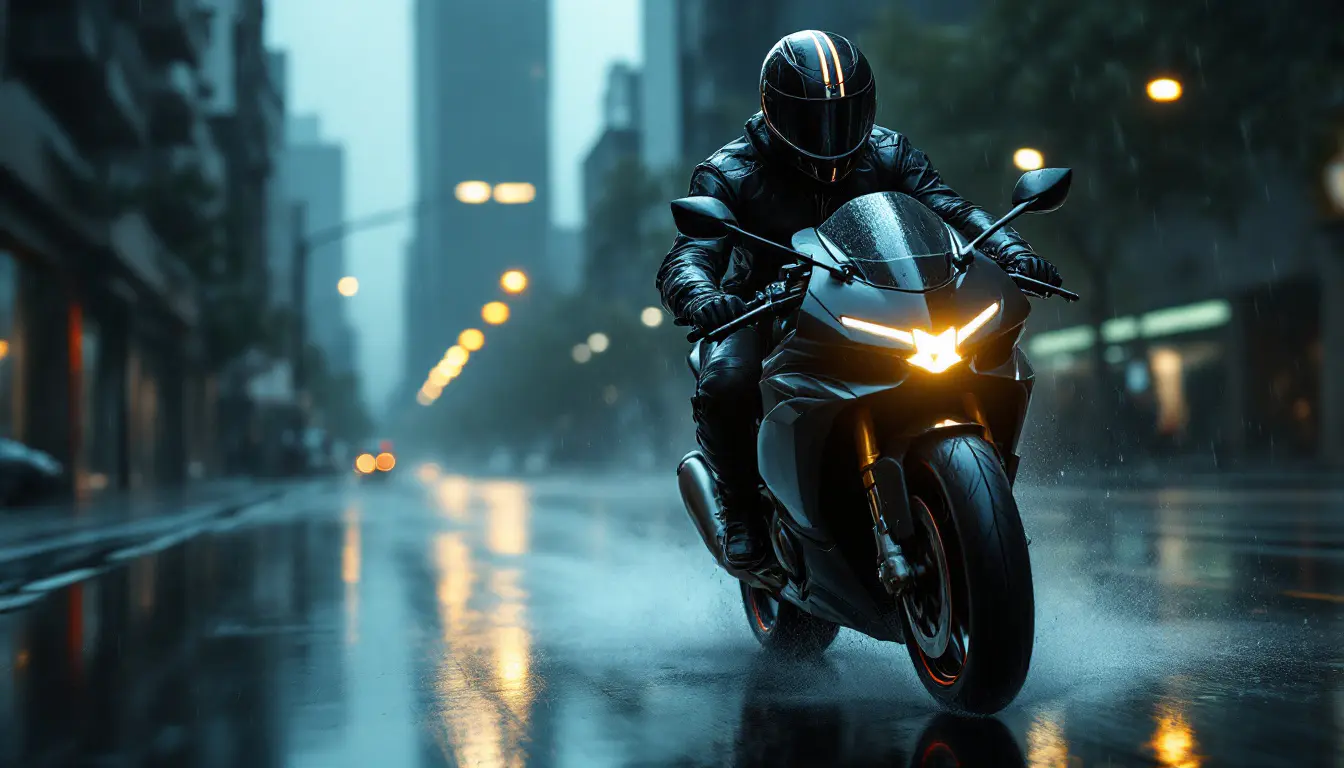
Essential Tips for Riding Safely in the Rain on a Motorcycle
Riding a motorcycle in the rain requires special attention and adaptation of riding habits. To ensure your safety, anticipation and caution are key. It is recommended to double the safe distances as the lack of grip on wet roads can increase reaction times. Speed should also be reduced by 10 to 20 km/h to better control the machine and avoid surprises.
Before heading out in the rain, make sure your motorcycle is in perfect working order. The tires play a critical role in road grip, check their condition and tread depth, as worn tires can decrease their ability to disperse water. Proper gear is also essential: be sure to wear a waterproof, windproof, and breathable outfit to remain dry and comfortable throughout your ride.
In addition to monitoring your speed and safe distance, it is important to remain vigilant by observing your surroundings. Anticipating changes in grip and potential obstacles is essential. Adapt your maneuvers by avoiding harsh accelerations and braking as well as tight turns that can lead to a loss of control.
Finally, keep in mind that gathering data about weather conditions can also help you plan your trips. By following these simple tips, you can ride safely even in the rain while remaining calm in the face of unforeseen circumstances. Adapt your riding to these challenging conditions and always stay focused on the road.
Tips for Riding in the Rain on a Motorcycle
It is essential to adopt a cautious driving style, avoiding sudden accelerations or braking. Try to minimize turns and angles to better control your motorcycle.
Before you go, ensure that your motorcycle is in good working condition and pay special attention to the condition of the tires, which are crucial for your safety.
It is recommended to reduce your riding speed by 10 to 20 km/h to better anticipate the lack of grip and reduced visibility.
It is important to be well-equipped: your rain gear must be waterproof, windproof, and breathable to keep you dry and comfortable.
Anticipate changes in grip and dangers, stay relaxed, and apply your motorcycle’s controls gently for better control.
Always look ahead and adjust your speed to give yourself time to react to changing traffic conditions.
Doubling the safe distances is essential to compensate for the lack of grip caused by wet roads, allowing you to brake more safely if needed.