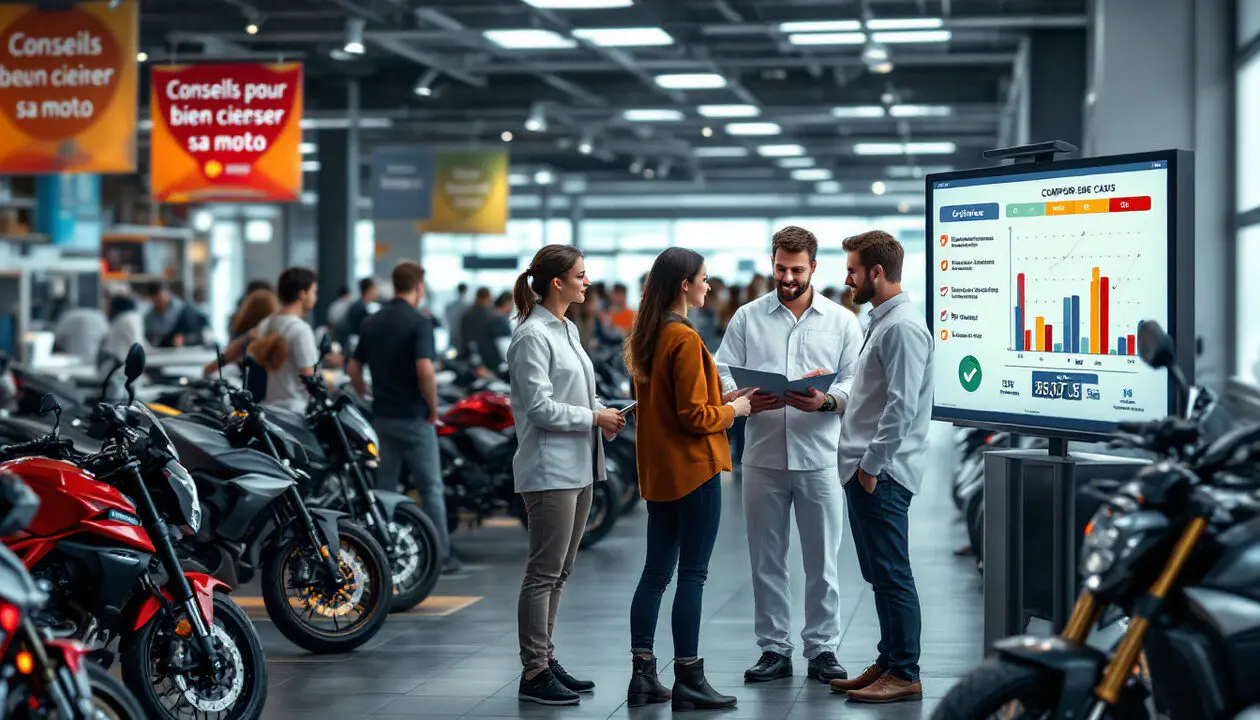
Choosing a motorcycle in 2026 is not just about comparing engine sizes or falling for a beautiful silhouette. Your license, your experience, the planned trips, and the cost of insurance quickly change the game. A pleasant machine on a mountain road can prove cumbersome in traffic or tiring on a daily ride.
To move forward without getting sidetracked, start from your actual usage, then confront it with your motorcycle budget and A2-compatible motorcycles if applicable. The displayed price is just a starting point: equipment, registration, fuel, maintenance, and motorcycle insurance are part of the total. A test ride at a standstill and on the road also helps verify a point that the technical sheets do not always mention: do you feel comfortable on the bike?
In brief
- Set a total budget before choosing a motorcycle, including equipment, insurance, and maintenance.
- Match the motorcycle power to your license and experience, not just your current desires.
- For a first machine, weight, seat height, and ease of handling are as important as the engine.
- A recent used motorcycle can offer a good compromise, as long as you check its history and mechanical condition.
- Try several motorcycles and check the administrative procedures before concluding the sale.
Choosing a motorcycle in 2026 according to your actual usage
Start by describing your usual routes: city, highway, small roads, long trips, or occasional outings. A motorcycle used every day should be easy to maneuver and comfortable in your traffic, while a touring bike or a trail makes more sense if you often go far or ride in pairs.
Nadia, for example, is hesitating between a roadster and a trail for commuting during the week and going on a few weekends a year. Instead of choosing based on style, she benefits from trying both with her usual gear: the weight at rest, wind resistance, and leg position become much more informative than an ad photo. To establish your criteria, you can also consult these tips for choosing a motorcycle that suits your profile.
Roadster, trail, sports bike, or touring motorcycle?
The roadster is often versatile, with a relatively upright position and little fairing. The trail offers a high posture and good suitability for long trips, but some versions may be imposing for a beginner rider or someone who struggles to place their feet on the ground.
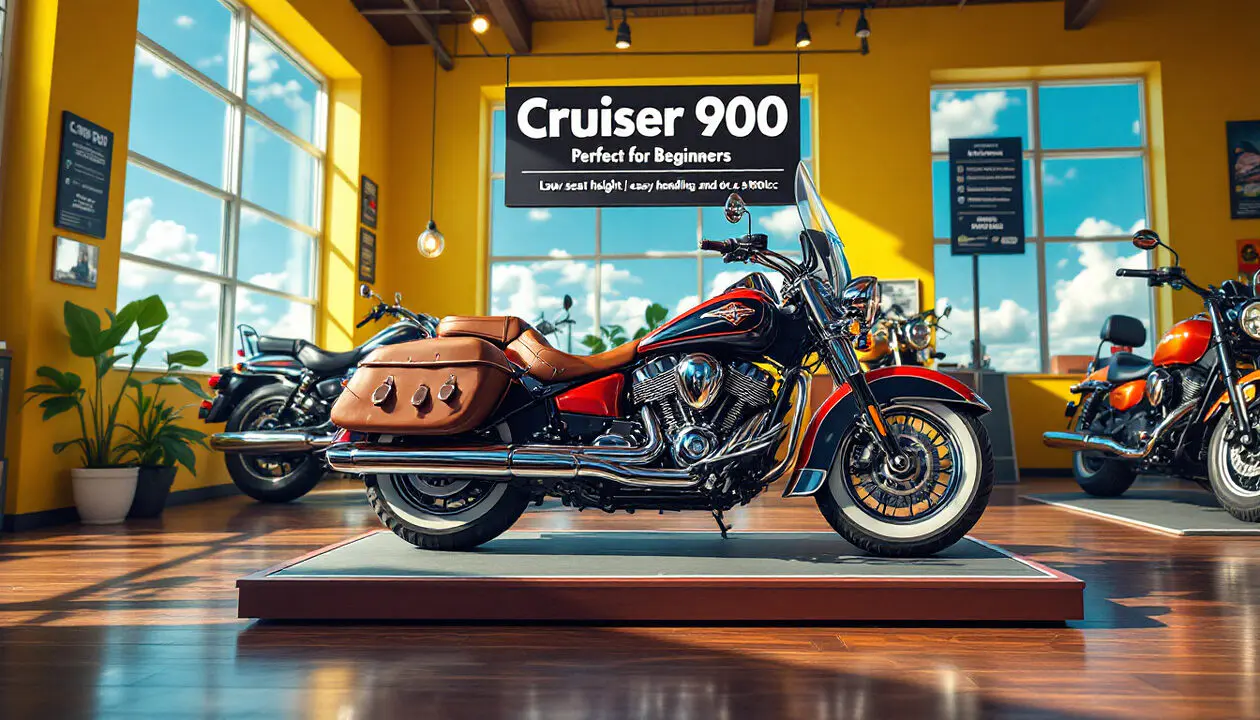
A sports bike favors a leaned position and performance-oriented behavior. It can be demanding on the road and is not automatically the best choice for learning. The custom bike emphasizes a relaxed position and an engine that willingly responds at low revs, while the touring motorcycle prioritizes comfort, protection, and luggage transport.
| Type | Usage it suits | Point to check before purchase |
|---|---|---|
| Roadster | City, daily commuting, and secondary roads | Wind protection and comfort over long distances |
| Trail | Travel, varied roads, and sometimes permitted paths | Seat height, weight, and ease of maneuvering |
| Sport | Dynamic riding and track use depending on the model | Position, engine, and insurance costs |
| Custom | Leisurely rides and relaxed riding | Handling at low speed and ergonomics |
| Touring | Long trips, two-up riding, and luggage | Bulk, weight, and maintenance costs |
| Néo-retro | Versatile use with a classic aesthetic | Equipment, protection, and availability of accessories |
| Electric | Trips compatible with range and charging | Real autonomy, charging, and battery prices |
The categories provide a first direction, not a verdict. An intercom suited to your trips or a luggage system can then enhance comfort, but they will not compensate for a motorcycle poorly suited to your build.
Motorcycle license, A2 motorcycle, and power: check compatibility
Before comparing engines, check what your license allows you to ride. The A1 license covers motorcycles up to 125 cc and 11 kW. With a B license, access to a 125 cc in particular requires the training specified by the regulations, unless exempted. The A2 license limits power to 35 kW and also imposes a maximum power-to-weight ratio; a restricted motorcycle must comply with the rules applicable to its original model.
The A license permits riding motorcycles without the power restriction specific to the A2, subject to other applicable obligations. If you are considering a restricted A2 motorcycle, ask the seller for proof corresponding to the version and have a professional or the insurer confirm its compliance. Any later configuration change must be carried out according to the rules and declared to the insurance.
What motorcycle power for beginners?
A beginner motorcycle does not need to be the least powerful on the market, but it must remain predictable and easy to control. A progressive engine response, a natural position, and a weight you can manage at rest facilitate learning. There are many mid-range models compatible with A2, but their sensations and ergonomics vary greatly.
Try to push the motorcycle, lift it from its stand, and make a U-turn at low speed in a safe place. If you are on your toes or every maneuver requires significant effort, do not count solely on habit to solve the problem. The technical sheets do not replace this practical test.
Motorcycle budget: account for purchase cost and ongoing expenses
The sale price only gives part of the real cost. You must also plan for motorcycle insurance, motorcycle equipment, registration, fuel, maintenance, and consumables like tires or chain kits. The amounts vary based on the model, your region, your experience, your mileage, and the chosen guarantees: ask for quotes before signing.
| Item | What affects the expense | To do before purchase |
|---|---|---|
| Purchase | New or used, model, condition, and accessories | Compare equivalent motorcycles and keep a reserve |
| Insurance | Profile, parking location, model, and level of coverage | Obtain several quotes with the same options |
| Equipment | Quality, protections, season, and adjustment | Try on items and check approvals |
| Registration | Fiscal power and local regulations | Estimate the cost with the official service before the sale |
| Maintenance | Model, age, mileage, and history | Consult the maintenance plan specific to the motorcycle |
| Fuel or recharge | Distance traveled and usage conditions | Evaluate your usual trips rather than the best quoted figure |
As a rough estimate, complete equipment can represent several hundred euros and exceed 1,000 euros depending on choices. A used 125 can also incur annual operating costs in four figures once insurance, maintenance, and fuel are combined. To refine the insurance item, compare the guarantees with this guide on how to choose motorcycle insurance.
For the helmet, do not choose only based on price or brand. It must be approved, fit your head, and be comfortable after several minutes; practical tips are available to choose a motorcycle helmet. Approved gloves are mandatory for the rider and passenger, while a jacket, reinforced pants, and high-top shoes provide better protection in case of a fall.
New or used motorcycle: compare beyond the displayed price
A new motorcycle comes with a manufacturer’s warranty according to the sales conditions, a clean history, and the choice of configuration. In return, the price is higher and depreciation can be marked initially. Availability times and preparation or registration fees should also be checked on the order form.
A recent used motorcycle can reduce the bill while still offering a current bike. The real savings, however, depend on mileage, maintenance, tires, and any repairs to be planned. A cheaper machine that quickly requires work can end up costing more than a better-maintained example.
Where to buy a used motorcycle?
A dealership may offer a serviced motorcycle with a warranty depending on the contract, sometimes with a trade-in or financing solution. Private party listings provide a wide choice, but require more checking and do not necessarily come with a commercial warranty. Auctions are suitable primarily for buyers capable of assessing mechanical and administrative risks.
Request the original registration document, invoices, and maintenance records. Verify that the serial number on the frame matches the documents, check the history available through Histovec, and be wary of a hurried seller or an unusually low price. A pre-purchase inspection in a workshop can be worth the expense, especially if the amount involved is significant.
Checks to perform before paying
- Compare the seller’s identity with the vehicle documents.
- Check the match of the serial number on the frame and the registration document.
- Request the invoices and the maintenance book, without settling for an oral promise.
- Examine the chain, sprockets, tires, brakes, and suspensions for wear or leaks.
- If possible, see the motorcycle start cold and listen to the engine without jumping to conclusions based on an isolated noise.
- Test the gearbox and controls during an authorized and insured test ride.
- Have the history and administrative situation checked before concluding the sale.
A rusty chain or tires nearing their limit do not alone prove a motorcycle is bad, but they represent expenses to factor into the negotiations. If you do not know what to listen for or observe, a mechanic can carry out an independent inspection rather than leaving you to decide based on an impression.
Steps after purchase: registration and technical inspection
The sale must be accompanied by a properly filled out certificate of transfer. The seller declares the transfer according to the official procedure and the buyer then requests the registration certificate online, notably via the ANTS portal. Generally, the new owner has one month to request the change of ownership.
Prepare the requested documents, including the certificate of transfer, the crossed-out registration document, a proof of identity and residency, and the insurance certificate. The required documents may vary depending on the vehicle’s situation: check the official list before starting the process to avoid an incomplete application.
Technical inspection of motorcycles: check the vehicle’s due date
The technical inspection for motorized two-wheelers came into effect in 2024, and its deployment is based on a schedule linked in particular to the date of first registration. The frequency and applicable due date for a given motorcycle must be verified based on its precise situation, rather than deduced from a general rule. Before purchase, request the report if the inspection is required and verify its validity.
For a new electric motorcycle, any potential aids depend on the rules in force at the time of the transaction and the vehicle’s characteristics as well as the household situation. As amounts and conditions may evolve, confirm your eligibility with the seller and the official body before including them in the budget.
Preparing for your first test ride and your motorcycle gear
Do not settle for a parking lot circle if a road test is possible in a legal and insured framework. Test the visibility, the progressive throttle, the ease of braking, and maneuverability at low speed. A motorcycle you like at rest should also seem manageable in ordinary situations.
Choose equipment that fits you, with no floating areas or poorly placed protections. A used helmet should be avoided if its history is unknown, as a shock can leave invisible damage. Clothing and boots should allow movement without hindering controls; a guide can help you find comfortable motorcycle boots.
Frequently asked questions for choosing the right motorcycle
What motorcycle to choose to start with an A2 license?
Choose a motorcycle that complies with the A2 license, is manageable and predictable, with a comfortable position. Try it to check the weight, seat height, and ease of low-speed maneuvers.
Should you buy a new or used motorcycle?
New offers a warranty depending on the contract and a clean history, but costs more. A recent used motorcycle can be a good compromise if its maintenance is documented and its condition is verified before purchase.
What budget to plan for a first motorcycle?
Add the purchase price of the motorcycle, insurance, equipment, registration, fuel, and maintenance. Amounts vary depending on your profile and the model; obtain insurance quotes and keep a reserve for consumables or repairs.
How to check a used motorcycle before buying it?
Check the documents and the serial number, request maintenance invoices, examine tires, brakes, chain, and suspensions, then consult the available history. For a significant purchase, an inspection by a professional reduces the risk of unpleasant surprises.
When should you have a motorcycle technical inspection?
The schedule depends notably on the date of first registration and the applicable rules for the vehicle. Verify the official due date of the relevant motorcycle and request its report when the inspection is required.