
IN BRIEF
|
Choosing your first motorcycle helmet or scooter is a crucial step for any rider. Indeed, this equipment is not only mandatory, but it also plays a vital role in your safety on the road. With a multitude of models available, ranging from full-face helmets to open face helmets, it is important to know the important criteria to make the best choice. Here are some practical tips to guide you in this essential decision.
Choosing your first motorcycle helmet or scooter is a crucial step to ensure your safety on the road. A good helmet must not only meet safety standards, but it must also be comfortable and suited to your riding style. This article guides you through the advantages and disadvantages related to the choice of your first helmet, helping you make the best decision for your needs.
Advantages
Choosing a suitable motorcycle helmet or scooter has several significant advantages. First of all, a helmet certified to the ECE R 22.06 standard guarantees you reliable protection in the event of an accident. These helmets have undergone rigorous testing to assess their strength and shock absorption capability. Moreover, a good helmet contributes to better aerodynamics and reduces wind noise, thus allowing for a more pleasant ride.
Furthermore, there is a variety of models on the market, enabling you to find a helmet that fits not only your budget but also your style preferences. Whether you prefer a full-face helmet for maximum protection or an open face helmet for light city riding, there is something for everyone. Finally, a well-fitted helmet significantly increases riding comfort, which can positively impact your ride’s duration.
Disadvantages
Despite the numerous advantages, there are also disadvantages to consider when choosing your helmet. First, the price can vary significantly, from entry-level models to high-end helmets costing several hundred euros. This can be a barrier for many buyers, especially those new to motorcycling.
Another drawback is that some helmets can be cumbersome or uncomfortable, especially if they are not well-fitted. It is therefore essential to try several models in-store to find the one that fits your body shape best. Finally, opting for a second-hand helmet may seem cost-effective, but it can be risky. A damaged helmet, even slightly, can compromise your safety in the event of a collision. It is therefore advisable to invest in a new, certified model.
By considering these elements, you will be able to choose your first motorcycle or scooter helmet with confidence and peace of mind.
Choosing your first motorcycle helmet or scooter can be a challenge, but it is a crucial step to ensure your safety on the road. With different types of helmets, their certifications, and comfort criteria, this guide will help you make an informed choice.
Understanding safety standards
Before investing in a helmet, it is imperative to ensure that it complies with current safety standards. A helmet must be certified with the ECE R 22.06 standard, which guarantees that the helmet has undergone rigorous testing. Check the certification label to be certain that your helmet is compliant and safe.
The different types of helmets
There are several categories of helmets, each with specific characteristics suited to different needs:
The full-face helmet
This model completely covers the head, including the chin, thus offering optimal protection. It is particularly recommended for motorcyclists and for those riding at higher speeds.
The modular helmet
This helmet combines the benefits of a full-face helmet and an open face helmet. You can lift the chin guard for ventilation, making it ideal for urban or road use.
The open face helmet
Lighter and often without a chin guard, the open face helmet is mainly used for urban riding at low speed. Although less protective, it is comfortable in hot weather.
The selection criteria
To choose the helmet that suits you, consider several factors:
The size
Knowing your head circumference is essential. Feel free to try on several helmets in-store to find the one that fits perfectly.
The weight
Depending on your body shape, some helmets will be more comfortable to wear. Models made from polycarbonate are generally heavier but less expensive, while those made from carbon fiber are lighter but also more costly.
The comfort
A helmet must be comfortable: check the inside of the helmet (foam, ergonomic structure) and its ventilation system for a good riding experience.
The budget
Helmet prices vary greatly. You can find helmets for less than 100 euros, but it is important not to compromise safety for the price. Compare the features before making a decision.
Best purchasing practices
Before buying a helmet, research online for tips and buying guides to be well informed. Consult resources like this guide to deepen your knowledge.
Make sure to buy from reputable retailers, whether online or in physical stores, to ensure the quality of your equipment. Avoid used helmets that may have invisible damage.
Remember that your safety is the top priority and that choosing a good helmet can make all the difference. Visit sites like here for additional tips on maintaining your helmet and maximizing its lifespan.
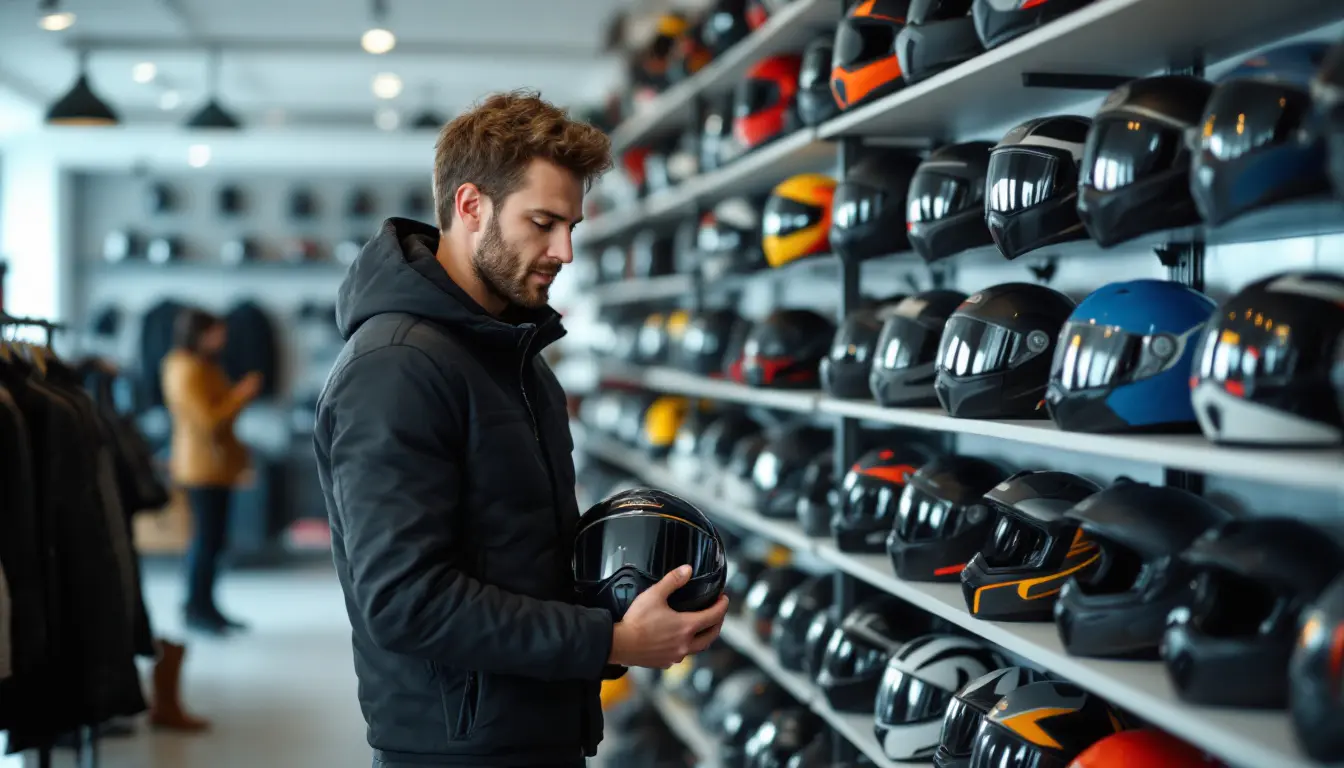
Choosing your first motorcycle helmet or scooter is a crucial decision to ensure your safety while enjoying the freedom that riding offers. It is essential to consider various criteria such as legislation, comfort, size, and helmet type. This guide will assist you in your efforts to make the best choice.
Legislation: Opt for an approved helmet
The purchase of a helmet must necessarily go through the verification of its approval. Ensure that it complies with the European standard ECE R 22.06, which guarantees high safety standards. Helmets that meet this standard display a specific label. Do not neglect this point as a non-approved helmet could endanger your safety.
Choosing the right type of helmet
There are several types of helmets suited for different riding styles:
- The full-face helmet: Covers the whole head and offers maximum protection, ideal for highway rides.
- The modular helmet: Allows face exposure by lifting the chin guard. It is a good compromise between safety and practicality.
- The open face helmet: Lighter and airier, suitable for urban rides and in mild weather, but offering less protection than the other models.
Size, weight, and comfort
Before buying, it is crucial to know your head circumference. Try on several helmets in-store to find the one that suits you best. The weight of the helmet is also important: choose a model that you can wear without discomfort. Helmets made of polycarbonate are often heavier but financially accessible, while those made of carbon fiber are lighter but also more expensive.
Check the interior of the helmet
The interior comfort of the helmet is crucial, especially if you plan to ride for long periods. Pay attention to ergonomics, foam quality, ventilation, and even the possibility of wearing glasses. A good ventilation system and an appropriate visor can also enhance the riding experience.
Helmet prices
The price of a helmet can vary significantly, ranging from less than 100 euros for entry-level models to over 900 euros for high-end helmets. Do not be swayed solely by an attractive price. It is better to compare several models based on their features and comfort rather than to choose based on design or price alone.
Reviews and recommendations
Before making your purchase, consult reviews from professionals or other riders. Also, research the recommended helmets for 2025 to benefit from the latest innovations. Websites like Tout Pour La Moto can guide you in your choice. Remember, safety should always take precedence over aesthetics.
For more information, you can discover additional tips on safety tips or consult guides on the choice of your helmet.
| Criteria | Description |
|---|---|
| Certification | Ensure that the helmet is compliant with the ECE R 22.06 standard. |
| Size | Measure your head circumference for a perfect fit. |
| Weight | Choose a helmet suited to your body shape for better comfort. |
| Type of helmet | Full-face, modular, or open face depending on the intended use. |
| Comfort | Consider the interior, ventilation, and fastening system. |
| Price | Think about your budget, from under 100 euros to over 900 euros. |
| Vision | Check the quality of the visor against scratches and water infiltration. |
| Safety | Avoid second-hand helmets that may be damaged. |
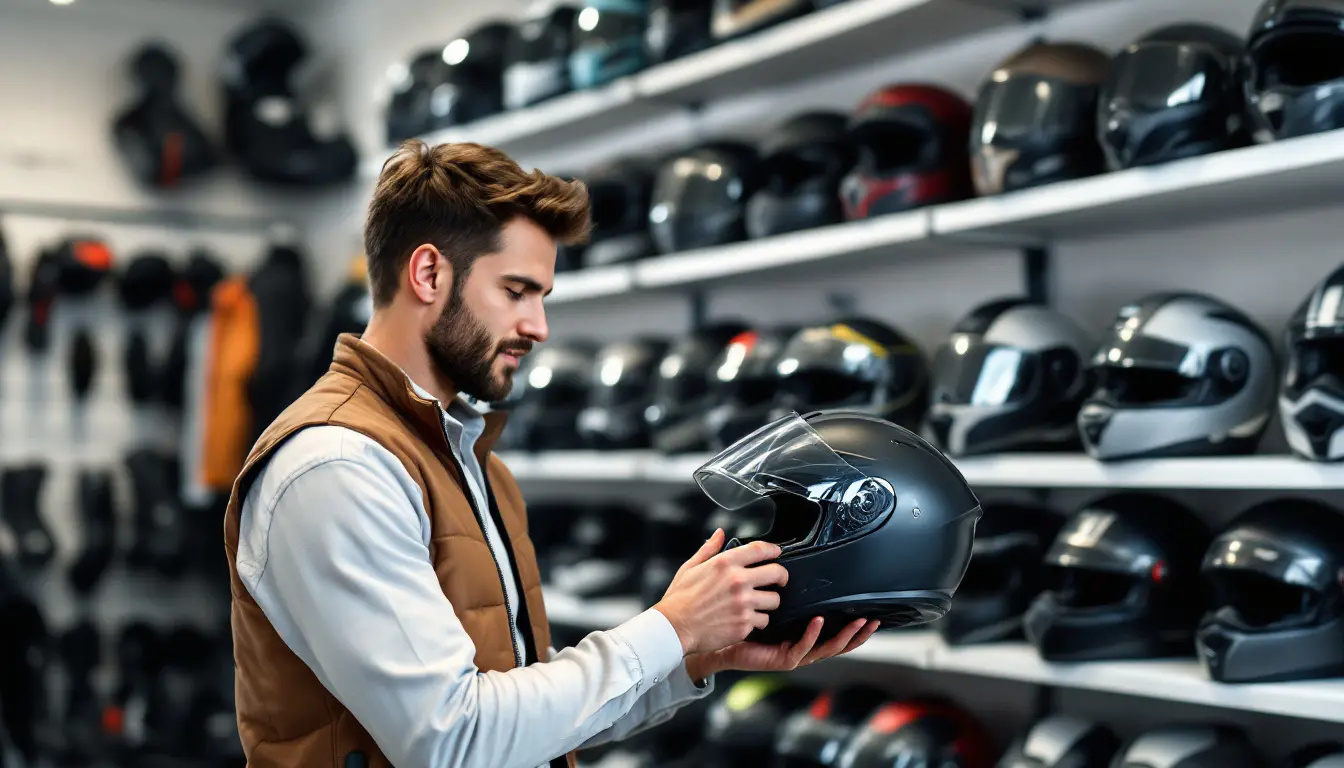
Testimonials on choosing a motorcycle or scooter helmet
Antoine, 32 years old: When I decided to buy my first motorcycle, choosing the helmet was a priority. I didn’t know where to start. After taking the time to compare the different types, I opted for a full-face helmet. I wanted to be sure to be well protected, especially on the highways. I never thought comfort would be so important as well. Trying on the helmet in-store really made a difference. I now feel much safer on the road.
Lucie, 28 years old: For me, buying an open face helmet was a no-brainer when I bought my scooter. I mostly ride in the city, and I wanted light and stylish gear. I found a model that is not only comfortable but also pleasant to wear during hot summer days. I am very satisfied with my choice, but I made sure to check the ECE R 22.06 approval before buying, as it is crucial for my safety.
Marc, 45 years old: As an experienced motorcyclist, I strongly recommend not to overlook the importance of the weight of the helmet. This can really affect comfort on long rides. I made the mistake of buying a model that was too heavy at first, and I ended up with a sore neck. After that, I went for a modular helmet which I appreciate much more. It offers excellent protection while remaining lightweight and practical.
Sarah, 22 years old: I recently bought my first helmet on the occasion of my new passion for motorcycling. Initially, I had no idea what features to look for. Thanks to advice from the store, I learned the importance of knowing my head circumference and trying on helmets before purchasing. In the end, I found a model with a nice design that meets safety standards. I now feel confident and ready to hit the road.
Thomas, 39 years old: I have always dreamed of riding a motorcycle, but choosing the helmet always seemed daunting to me. I wanted a model that suited my needs. So I consulted a professional who explained the differences between the types of helmets. In the end, I chose a full-face helmet which gave me peace of mind concerning safety. It’s an investment that is priceless when it comes to my protection.
The choice of a motorcycle helmet or scooter is a crucial step for any novice motorcyclist. This equipment, mandatory and essential, plays a key role in your safety on the road. In this article, we will provide practical tips to select the helmet that suits you best, considering various criteria such as approval, type, size, and comfort.
Understanding the importance of certification
First and foremost, it is vital to ensure that the chosen helmet is certified. In Europe, helmets must comply with the ECE R 22.06 standard enforced since July 2024. This standard guarantees that the helmet has undergone rigorous testing to ensure maximum protection. A certified helmet features a certification label that verifies its compliance.
The different types of helmets
There are several types of helmets, each offering different levels of protection and comfort:
The full-face helmet
The full-face helmet fully covers the head, including the jaw and chin, thus offering the best protection. It is ideal for riders driving at high speeds on the highway. It also isolates from exterior noises and resists better against the elements.
The modular helmet
The modular helmet combines the features of a full-face helmet and an open face helmet. Its chin guard can be lifted to expose the face, making it versatile for urban commutes and road rides. It is a good option for users of 125cc motorcycles.
The open face helmet
The open face helmet is less bulky and often lighter than the previous models. It is better suited for low-speed urban riding, especially in clear weather. It is perfect for 50cc scooters, but be careful, it offers less protection in the event of an accident.
Choosing the right size
The choice of your helmet size is essential to guarantee adequate protection and comfort. Measure your head circumference with a tape measure and try several models in-store to find the one that fits perfectly. A helmet that is too large will not provide the expected safety, while a helmet that is too small will be uncomfortable.
The weight and comfort of the helmet
Weight is an important factor to consider when making your choice. A lighter helmet will be more comfortable to wear over long distances. Models made from polycarbonate are generally heavier but affordable, while those made from carbon fiber are lighter but come at a higher price. Comfort also depends on the interior of the helmet, including the quality of the foams and ventilation.
Prices and value for money
The price of a motorcycle or scooter helmet can vary significantly. You will find entry-level models for less than 100 euros, while high-end helmets can exceed 900 euros. Don’t be swayed solely by the price. Take the time to compare different models and read their features before making your choice.
Consulting professionals for advice
If you have doubts about your helmet choice, do not hesitate to ask for advice from professionals in specialized stores or at motorcycling events. They can provide tailored advice to your needs and riding practice.
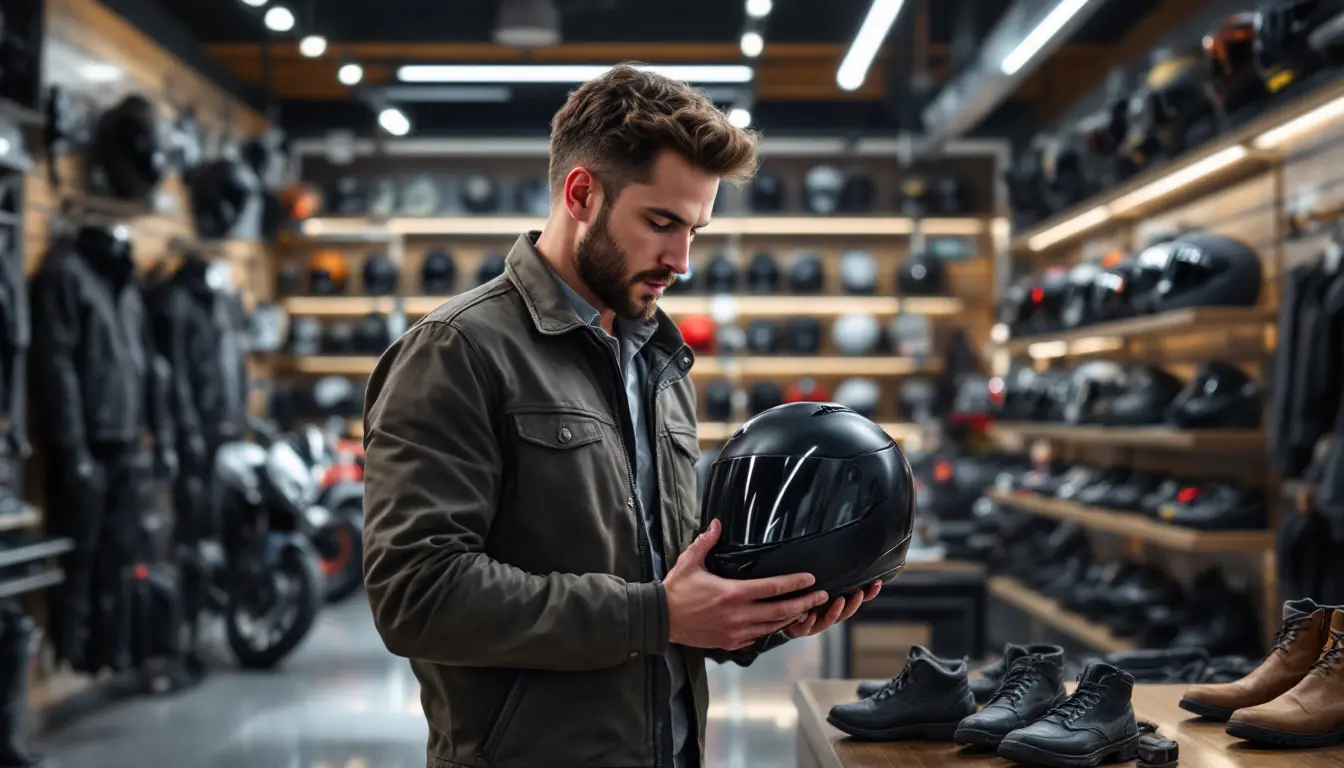
Choosing a motorcycle helmet or scooter is a crucial step for every rider or scooterist. With safety’s importance in mind, it is essential to explore the various available options and make informed decisions. Above all, it is imperative to turn to helmets that comply with safety standards. Ensure that your choice is certified according to the ECE R 22.06 standard, thereby guaranteeing that your helmet has passed rigorous safety tests.
The different types of helmets presented – full-face, modular, and open face – meet various needs. Each category offers a different level of protection, so think about your riding style and the environment in which you will ride. For example, a full-face helmet is ideal for long highway journeys while an open face helmet may suffice for quick urban commutes.
Moreover, the size and weight of the helmet play a fundamental role in the comfort and effectiveness of the protection. Before purchase, do not hesitate to try multiple models to identify the one that fits your head best. Comfort, including the helmet’s interior, ventilation, and fastening system, should also be considered to ensure a pleasant riding experience.
Finally, the budget is a factor to consider. Prices vary greatly, from entry-level to high-end models. It is advisable to invest in a quality helmet, as safety should never be compromised. Take your time to compare options, and do not hesitate to seek the opinion of a professional if necessary.
FAQ – Practical guide to effectively choose your first motorcycle or scooter helmet
What is the importance of choosing a certified helmet? A helmet must be certified with the ECE R 22.06 standard, as this guarantees its compliance and safety in the event of an accident.
How to determine the right helmet size? It is crucial to know your head circumference. It is recommended to try on several helmets in-store to find the model that fits you best.
Which type of helmet offers the best protection? The full-face helmet is the one that offers the best protection, as it completely covers the head, including the jaw and chin, and is ideal for high speeds.
Which type of helmet is recommended for urban use? For city riding, the open face helmet is suitable, as it is lighter and adapted to low-speed traffic.
What comfort elements should be considered? You should consider the interior of the helmet, its foam, its ergonomics (especially if you wear glasses), its ventilation system, and its visor.
What are the main factors influencing the weight of the helmet? The material of construction plays a determining role. Polycarbonate models are generally heavier but also more affordable, while carbon models, lighter, often cost more.
What is the average price of a motorcycle helmet? Prices vary greatly, ranging from entry-level models at less than 100 euros to high-end helmets exceeding 900 euros.
Why is it discouraged to buy a second-hand helmet? A second-hand helmet may have suffered from invisible damages that compromise its safety. It is better to choose a new, certified helmet to ensure your protection.
What characteristics should be compared when buying a helmet? Compare the design, quality, comfort, weight, as well as additional features such as visors and chin guards.
How can I know if the helmet I am buying is certified? Check the certification label on the helmet. Only certified models can be legally marketed in the country.


