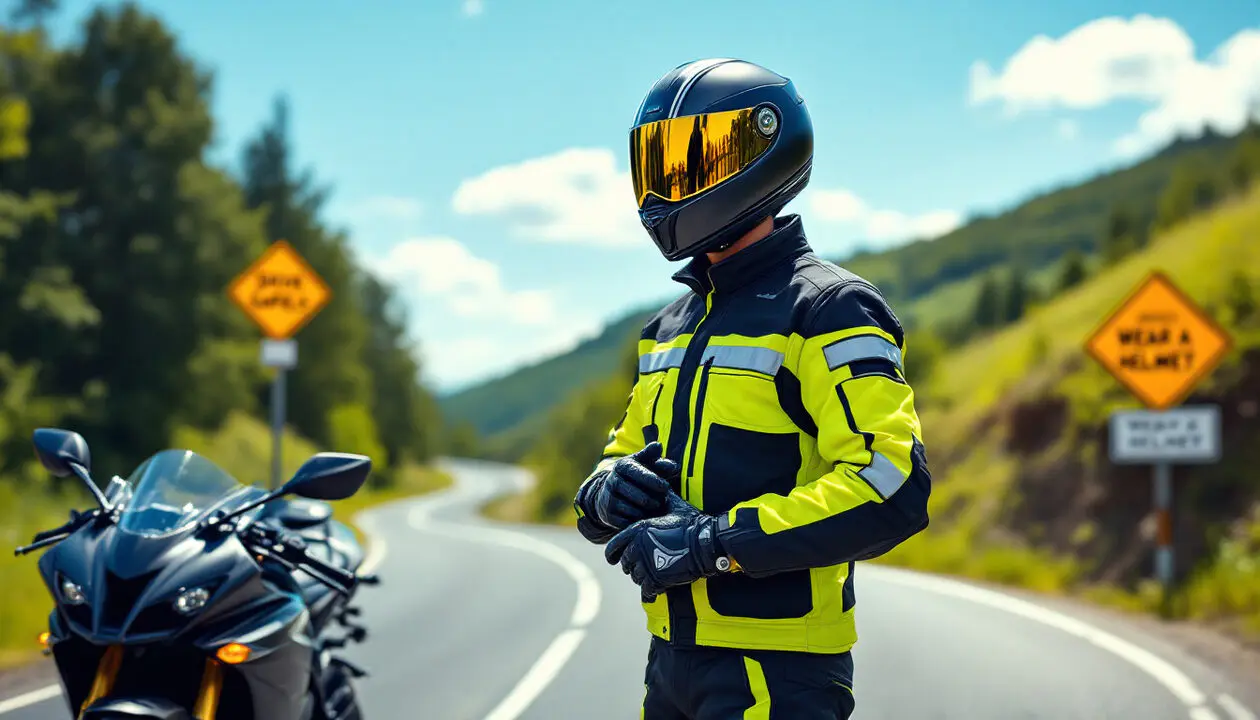
IN BRIEF
|
The issue of wearing a helmet while riding a bike or an electric scooter raises many questions and debates. Currently, regulations vary according to age and type of vehicle, creating a real tangle. While rules exist, their application differs from one region to another, complicating users’ understanding of road obligations. In light of road safety challenges, discussions are underway to make helmet use mandatory for everyone, regardless of circumstances, in order to harmonize rules and better protect cyclists and EDPM users.
Road safety is at the heart of authorities’ concerns, and new regulations could soon emerge: wearing a helmet would become mandatory for all cyclists and users of electric scooters, regardless of the situation. This follows a reflection initiated by the government to harmonize safety rules across the territory. This article presents the advantages and disadvantages of this measure.
Advantages
The primary advantage of making helmet use mandatory is undeniably the improvement of user safety. Indeed, helmets help to absorb shocks in case of falls or collisions, thereby reducing the risk of serious head injuries. Statistics support that accidents involving EDPM have revealed that most fatal injuries occur outside urban areas, where users are more exposed to increased risks.
Furthermore, this measure could contribute to raising public awareness about the importance of road safety. By making helmet use an obligation, the state sends a strong message about the need to adopt responsible behaviors and to respect one’s own health as well as that of other road users.
Disadvantages
On the flip side, the obligation to wear a helmet could be perceived as an additional constraint for users. Many may feel a sense of restriction of their freedom, particularly those who use bicycles or scooters for short or daily trips. The implementation of this regulation could also spark debates about its effectiveness in preventing accidents.
Moreover, the disparity of current regulations between different regions could lead to some confusion. In certain cities, like Compiègne or Romilly-sur-Seine, helmet use is already required, while other regions await implementation. These differences could create a disparity in law enforcement, leading to risks of non-compliance and a lack of adherence from users.
Road safety is currently a central concern, with a significant announcement: helmet use may become mandatory for all users of bicycles and electric scooters. This measure aims to enhance safety and reduce accident risks, especially outside urban areas. This article explores the details and implications of this new regulation.
Current regulations
As of today, helmet rules vary. For bicycles, only drivers and passengers under 12 are required to wear helmets. Beyond this age, it is merely recommended. In contrast, for motorized personal mobility devices (EDPM), such as scooters, helmets are mandatory outside urban areas and for those under 14 years old. This disparity raises questions about the logic of these rules.
Towards harmonization of rules
Faced with this regulatory tangle, the Minister Delegate for Citizenship has proposed to generalize helmet use for all users of bicycles and scooters throughout the territory. The goal is to ensure optimal protection for all road users. The necessity for this harmonization is emphasized by the fact that most fatal scooter accidents occur outside urban areas.
Often local decisions
It is also important to note that decrees issued at the national level can be supplemented by local regulations. For example, the prefect of a region has already made helmet use mandatory for EDPMs in several departments. This possibility to adapt rules according to local context can sometimes create inconsistencies.
Road safety issues
The issue of safety equipment is paramount. According to experts, decisions made by the government must take into account risks related to speed, the presence of heavy vehicles on the road, and the condition of the roadway. Current regulations sometimes seem contradictory, particularly concerning the safety of users traveling by bike or scooter at similar speeds.
Next steps
The path towards a generalized helmet use requirement is still under discussion. Road Safety is tasked with thinking about how to implement this new regulation. In the meantime, users are encouraged to prepare and choose appropriate helmets, as it is likely that new measures will come into effect in the near future.
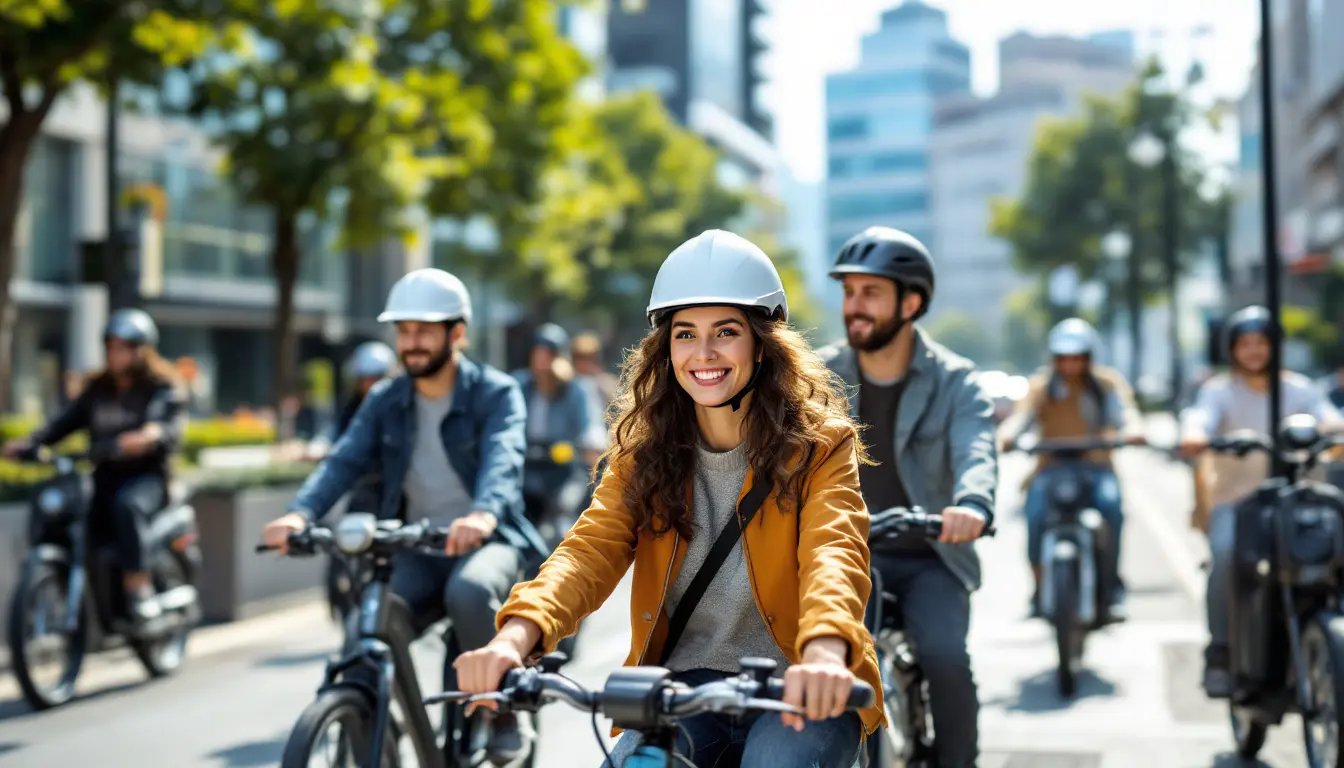
Road safety is evolving, with new regulations that could soon make helmet use mandatory on all bicycles and scooters. This initiative aims to reduce accident risks, especially outside urban areas, where most fatal incidents occur. The current distinctions between different traffic practices, which leave room for a regulatory tangle, should be harmonized to offer better protection for all road users.
Current regulatory differences
Currently, regulations concerning helmet use vary according to the types of vehicles. For example, only cyclists and passengers under 12 must wear one, while for motorized personal mobility devices (EDPM) like electric scooters, helmet use is mandatory outside urban areas. However, a vest or reflective armlet is required depending on visibility conditions, which creates confusion.
Towards simplification of rules
Marie-Pierre Vedrenne, Minister Delegate for Citizenship, has mentioned the need to make helmet use mandatory across the territory, regardless of the type of device used. This measure would be a step towards clearer and more uniform regulation. Opinions are divided on this subject. Some believe that these rules should be uniformly implemented, while others fear that it could complicate current practices.
New local provisions
Prefectural decisions also open the door to local regulations, as is already the case in some departments where helmet use for EDPMs will be mandatory by 2026. Other cities like Compiègne or Romilly-sur-Seine have already implemented similar obligations. This could create a complex legal mosaic that is difficult for users to understand.
Choosing the right helmet
If the expansion of helmet use is confirmed, it will be even more crucial to choose the right model. Indeed, a good helmet must combine comfort, safety, and aesthetics. Articles like how to choose the right helmet to protect your head can help you make the right choice.
Preparing for the transition
With the introduction of this measure, it is important to prepare for changes in our driving habits. Cyclists and scooter users should already consider making early purchases of suitable helmets. For more practical advice on safety equipment, you can consult articles like essential gear for motorcyclists beyond the helmet.
Comparison of helmet use obligations
| Type of vehicle | Current regulation |
|---|---|
| Bicycle | Helmet mandatory for those under 12, recommended for those over 12 |
| Electric scooter | Helmet mandatory outside urban areas for all |
| Reflective vest | Mandatory outside urban areas and in towns under low visibility conditions |
| Maximum speed | Electric bicycle up to 25 km/h, scooter up to 25 km/h |
| Minimum age | 14 years for scooters; no age limit for bicycles |
| Local decrees | Variability by department, some require helmets for all |
| Current proposal | Make helmet use mandatory for all cyclists and scooters across the territory |

Testimonials on the upcoming helmet requirement for all bicycles and scooters
Marie, a mother of two, expresses her support for this measure: “I believe that helmet use should be mandatory for everyone, whether on a bicycle or a scooter. My children are there to enjoy their journeys, but their safety first requires a helmet. It should become a reflex like fastening a seatbelt in a car.”
Paul, a young student, has a more nuanced view: “I understand the idea of protecting users, but I think it should depend on the situation. Sometimes, in calm and safe areas, it can seem excessive. We need to find a balance between safety and freedom.”
Sandrine, a nurse, shares her professional experience: “In my profession, I often see accidents related to speed and negligence. Making helmet use mandatory could really reduce head trauma. It’s a good decision for everyone’s safety.”
Thierry, a regular cyclist, adds: “I have never gone out without my helmet, and I think it’s good to have regulation. However, I hope this doesn’t result in too many penalties for those who forget.”
Finally, Claire, a road safety advocate, concludes: “This initiative is a step towards better safety on our roads. Helmet use must become a norm, not just for compliance with the law, but also out of common sense. Every life is precious, and protecting oneself is essential.”
Recently, the issue of helmet use has become a central concern in road safety, particularly for users of bicycles and electric scooters. While safety rules can vary from one region to another, making helmet use mandatory for all users, regardless of age or where they are riding, is being considered. In this article, we will examine the implications of this measure and the reasons behind it.
The advantages of wearing a helmet
The helmet is an essential safety element for road users. It indeed plays a crucial role in preventing head injuries during accidents. According to various studies, wearing a helmet can significantly reduce the risk of head trauma. Therefore, adopting this measure could help decrease the number of serious injuries on the roads.
Individual protection and responsibility
Wearing a helmet is not just a matter of personal safety but also of collective responsibility. By adopting this measure, we promote a culture of road safety where everyone is aware of the risks and consequences related to their driving. This can also encourage users to adopt more cautious behaviors on the road.
The current regulatory disparities
Currently, helmet regulations vary significantly based on environments. While wearing a helmet is mandatory for children under 12 on bikes, it is only recommended for older drivers. For electric scooters, a different regulatory framework applies, making helmet use mandatory only outside urban areas. These differences often raise questions and can create some confusion among users.
A need for simplification
Facing this complex regulatory framework, the idea of making helmet use mandatory for everyone appears as an effective solution to clarify the law and enhance safety. A unified regulation would eliminate ambiguities and ensure that all users, regardless of their type of vehicle, benefit from the same level of protection.
The implications of generalized regulation
Implementing a requirement to wear a helmet for all users of bicycles and scooters could, in the long run, enhance safety on the roads. It may also necessitate a change in behavior among certain users who see helmet use merely as a constraint. Additionally, implementing such a measure would involve awareness-raising and education of users regarding road safety.
A necessary change in mindset
For this new regulation to be effective, it is essential to work on the perception of the helmet. Converting this into a habit rather than a constraint can prove crucial. Awareness campaigns could encourage users to view the helmet as a normal accessory in their driving experience, thus implying a change in mindset in the sector.
Anticipated conclusion
As the requirement for mandatory helmet use for all users of bicycles and scooters looms on the horizon, it is crucial to weigh the benefits and obstacles of such a decision. By fostering a safety culture on our roads, it becomes possible to prevent more accidents and injuries, creating a safer environment for all.

The issue of safety for users of two-wheeled vehicles and motorized personal mobility devices (EDPM) is becoming increasingly sensitive in our society. In light of the rising number of accidents, it has become essential to consider effective measures to protect cyclists and users of electric scooters. It is in this context that the generalization of helmet use on all roads and in all circumstances seems to take shape.
Currently, regulations are both complex and fragmented. Although national rules exist, municipal or prefectural orders often add nuances. This diversity of regulations has generated some confusion among users, making it difficult to understand safety obligations. Now, a movement seems to be underway towards unification, aiming to simplify legislation around helmet use.
By making helmet use mandatory for all, the goal is to reduce the risk of serious injuries, particularly in the event of accidents, which are often more frequent outside urban areas. This measure could also encourage a change in behavior within the population, promoting greater awareness of the risks encountered when traveling by bike or scooter.
The generalization of the helmet could then be perceived not as a constraint, but as a significant advance in road safety. By encouraging everyone to wear this protective device, society could expect a significant reduction in the number of accidents and injuries. This initiative could also strengthen the sense of safety on the roads, thus attracting more people to these more ecological modes of transport.
FAQ on helmet use for bicycles and scooters
What is the new regulation regarding helmet use? Helmet use will become mandatory for users of bicycles and electric scooters, regardless of where they are riding.
Why is the helmet only mandatory outside urban areas for scooters? Currently, the regulation mandates helmet use only for scooters outside of urban areas because of the increased exposure to risks, such as high speeds and the presence of heavy vehicles.
When will this obligation come into effect? The implementation of this new rule is still under discussion, but some departments may already require helmet use mandatorily as of September 2026.
What are the regulatory differences between cyclists and EDPM users? Cyclists over 12 are not subject to the helmet requirement, while for EDPM users, wearing a helmet is mandatory when riding outside urban areas.
Are these regulations the same everywhere? No, there are local regulations that can complement national rules, leading to differences from one department to another.
Why do some people ride motorbikes in light clothing if they wear a helmet? The regulation does allow for this, although it may seem inconsistent. Regulatory decisions take various factors into account and are established in consultation with different ministries and regulatory bodies.
Will there be harmonization of the rules regarding helmet use? The Minister Delegate for Citizenship has suggested generalizing the helmet requirement for all cyclists and scooter users across the territory.