
IN BRIEF
|
The rise of Chinese brands in Spain marks a revolution in the motorcycle industry, challenging the dominance of European and Japanese manufacturers. Models like the Voge 900 DSX not only appeal to motorcyclists with their design and premium features but also with very competitive prices. While some historical brands struggle to maintain their position, others like Zontes and QJMotor are announcing rapid progress. This phenomenon raises questions for the French industry: are these changes a sign of a similar evolution to be expected in the French market?
The motorcycle market in Spain is experiencing a true revolution, driven by Chinese brands like Voge and Zontes. These brands are upending established hierarchies by taking center stage with record sales, to the detriment of historical brands. This article examines the consequences of this rise for the French motorcycle industry, highlighting the advantages and disadvantages of such an evolution.
Advantages
Attractive prices
Chinese brands like Voge, with its 900 DSX at a very competitive price of €9,192, offer a quality-price ratio hard to beat. This appealing strategy allows these brands to attract many motorcyclists looking for high-performing equipment without breaking the bank.
Innovation and modernity
The rise of Chinese motorcycles is also linked to continuous innovation. High-quality equipment, such as Kayaba and Brembo, reflects the willingness of Chinese manufacturers to compete with established brands. This could encourage French manufacturers to renew their range to remain competitive.
A change in consumer preferences
Results from Spain show that motorcyclists are starting to favor performance and modern equipment over brand recognition. French consumers, increasingly sensitive to the price/equipment ratio, might also embrace this trend.
Disadvantages
Pressure on traditional brands
The numbers speak for themselves: some historical brands like Kawasaki and Piaggio are beginning to see their sales drop in the face of this rise. The loss of market share could prompt European manufacturers to react, but at what cost?
Perception of quality
Despite many advancements, Chinese motorcycles still suffer from an image associated with concerns about quality and reliability. This bias could deter some French consumers, who remain loyal to established brands perceived as more reliable.
Risks for the local economy
The rise of Chinese brands could also have consequences for the local industry and manufacturing. If imported motorcycles continue to overshadow French products, the entire sector could suffer from a decline in jobs and less creativity.
In conclusion, the Chinese rise in the motorcycle sector in Spain should serve as a lesson for the French industry. The balance between competitiveness, innovation, and quality will be crucial for maintaining the position of European brands in the market. For more information on motorcycle equipment trends, visit this link.
The Chinese rise in Spain: what lessons for the French motorcycle industry?
The rise of Chinese brands in the motorcycle market, particularly in Spain, raises crucial questions for the French motorcycle industry. The Voge 900 DSX has recently taken the Spanish market by storm, becoming the best-selling large motorcycle. This fundamental phenomenon highlights the growing competitiveness of Chinese brands, which could disrupt the French motorcycle landscape. Let’s examine the lessons that the French motorcycle industry can learn from this revolution.
Key facts about the Chinese rise in Spain
The case of the Voge 900 DSX, a 95 hp twin-cylinder trail, illustrates the current dynamic. With 381 units sold in June, it dethroned European and Japanese giants, becoming the only large displacement motorcycle to enter the top 10 sales. Its success rests on its modern aesthetics, its premium equipment like Kayaba and Brembo, and a very competitive price of €9,192, well below the prices of historical brands.
The impact on traditional brands
Faced with this rise, traditional brands are feeling the pressure. For instance, Kawasaki has slipped to 8th place with a decline of (-3.7%), while Piaggio has even disappeared from the top 10, suffering a (-30%) drop. These figures reflect a true market mutation, where established brands must now double their efforts to remain competitive.
A credible alternative for French motorcyclists
Chinese brands in Spain are not just a curiosity: they are becoming a credible and competitive alternative. Their upgrading, both in performance and perceived reliability, could appeal to French motorcyclists seeking better value for money. In France, Chinese scooters are already starting to gain market share, particularly in the urban entry-level segment, but the question of medium and large displacement remains open.
A possible revolution in the French market
Events in Spain suggest an uncertain future for European and Japanese manufacturers. If Chinese brands continue to invest in quality and adjust their prices, it is not unreasonable to think that France might also witness the rise of a Voge or a Zontes, challenging established European references. The current dynamic signals a profound transformation in the sector, which it is crucial to stay attentive to.
To better understand the implications of this rise, it is interesting to look at analyses and trends, such as those provided in articles written by industry experts, which may offer avenues for reflection and adaptation for the French motorcycle industry. For more information, you can consult resources such as Big Ben Motorcycle, Aragon Gendarmerie, and Caradisiac.
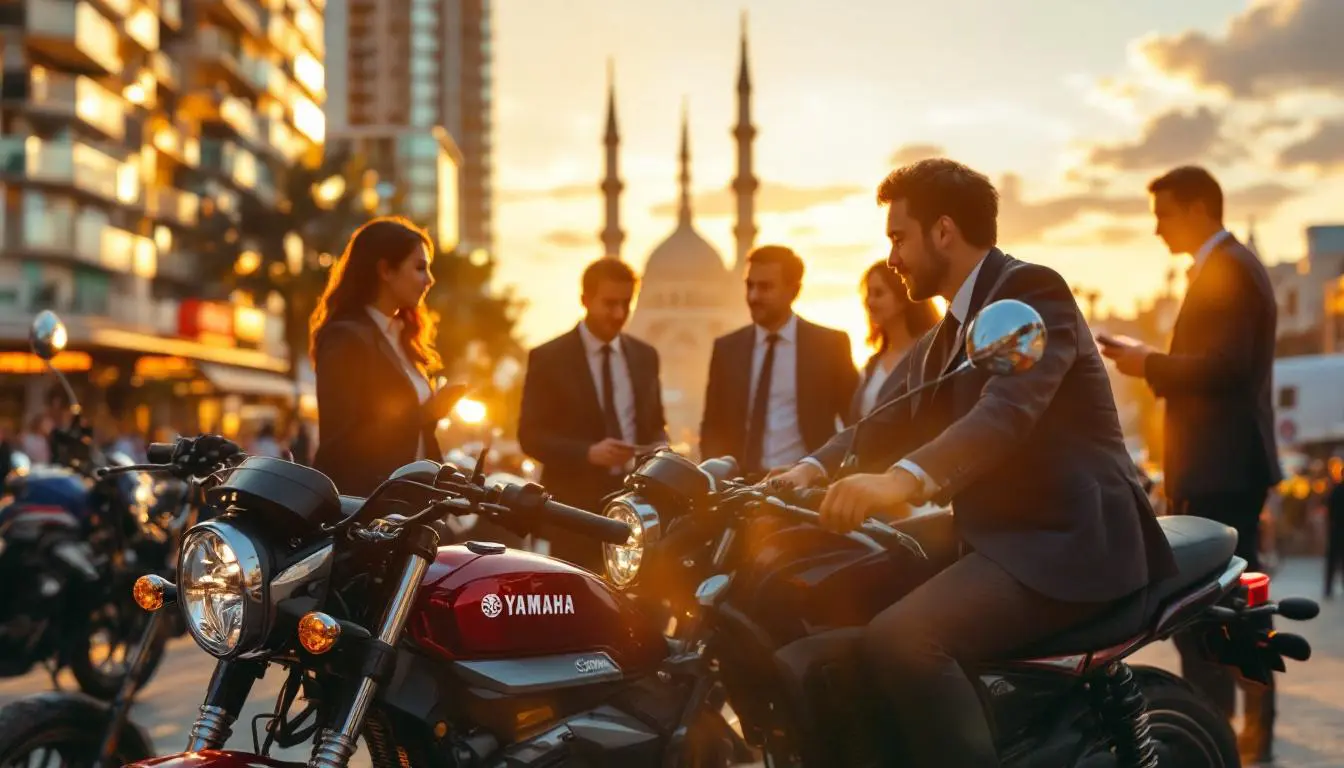
The rise of Chinese manufacturers in the Spanish motorcycle market is a trend to watch closely. Brands like Voge and Zontes are imposing themselves with spectacular growth, challenging the dominance of major European and Japanese names. The sales results, particularly the Voge 900 DSX, which has become the best-selling large motorcycle in Spain, demonstrate the attractiveness of Chinese brands. This suggests a potential change in the dynamics of the French motorcycle market.
A modern aesthetic and attractive prices
The success of these brands in Spain is based on their ability to offer motorcycles with a modern aesthetic and quality equipment. The Voge 900 DSX, for example, stands out with premium components like those from Kayaba or Brembo. This underscores the importance for French manufacturers to reassess their product ranges and be more competitive on pricing. The aggressive pricing strategy for a model like this priced at €9,192 appeals not only to new motorcyclists but also to those looking to change bikes without spending an excessive budget.
A significant upgrade
Chinese brands demonstrate an impressive upgrade, both in terms of performance and perceived reliability. For French manufacturers, it becomes crucial to analyze this trend to adapt to the expectations of an increasingly demanding clientele. Consumers are no longer just looking for an affordable product but also for a good quality-price ratio, combining performance, design, and safety. This pushes local brands to review their offers to avoid losing attractiveness in the market.
The impact on traditional brands
Faced with this increasing competition, some historical brands are beginning to falter. Brands like Kawasaki and Piaggio see their positions threatened, raising an important point: established brands must reinvent themselves. The market is evolving at a breakneck speed, and French brands could well face a similar challenge. It is imperative to preserve their image while adapting to the changing expectations of consumers.
Future perspectives
The situation in Spain sends a clear message to French manufacturers: the expansion of the Chinese offer is no longer just a trend but a credible alternative that could also assert itself in France. Chinese scooters are already establishing themselves, particularly in the entry-level urban segment. If this dynamic continues, it is possible that the medium and large displacement segment in France will be the next on the list. Industry players must therefore remain vigilant and consider a proactive strategy to seize new opportunities.
For more information on this topic, explore these articles about Spain and about the French industry.
| Key Factors | Lessons for France |
|---|---|
| Modern aesthetic | French brands need to revisit their design to attract young motorcyclists. |
| Premium equipment | The importance of offering high-end features to remain competitive. |
| Attractive prices | An aggressive pricing strategy could appeal to cost-sensitive customers. |
| Upgrading | Manufacturers need to improve the quality and reliability of their models. |
| Consumer trust | Strengthening the brand and reputation to gain the trust of motorcyclists. |
| Rising sales | French brands should analyze the sales trends of new brands. |
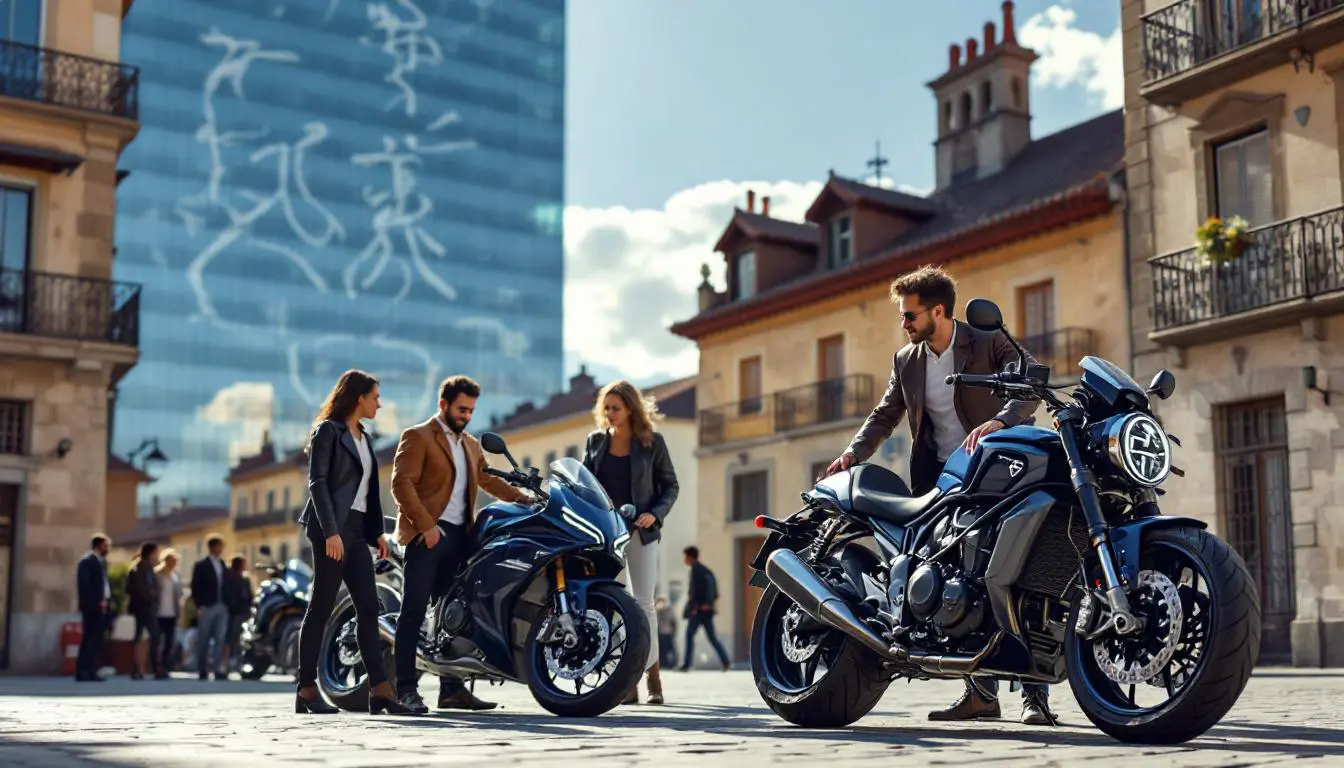
The Chinese rise in Spain: what lessons for the French motorcycle industry?
The motorcycle market in Spain has recently undergone a major upheaval with the emergence of Chinese brands like Voge. The latter has managed to assert itself with its 900 DSX, a 95 hp twin-cylinder trail, becoming the best-selling motorcycle in the country in June. Its success, with 381 units sold, highlights a trend that has been anticipated: Chinese manufacturers are no longer to be seen as mere marginal players but as real competitors on the motorcycle scene.
The rise of Voge can be explained by its modern aesthetics and its quality equipment such as Kayaba and Brembo, all at a very competitive price of €9,192. This model offers consumers a viable alternative against established brands that are seeing their sales decrease. For example, Kawasaki has fallen to 8th place with a drop of -3.7%, while Piaggio has disappeared from the top 10, suffering a -30% drop.
This phenomenon is accompanied by the stunning rise of other brands like Zontes, which has recorded an impressive growth of +209%. This highlights a profound change in motorcyclists’ preferences, increasingly attracted by the quality-price ratio offered by overseas brands.
France could be affected by this Chinese revolution. Just by observing the Spanish situation, one might wonder if a similar occurrence will happen in the French market. According to early signs, Chinese scooters are already starting to enter the entry-level urban segment. However, the Spanish example could soon influence the medium and large displacement sector, which has so far been dominated by European and Japanese manufacturers.
It is essential for the French motorcycle industry to become aware of these upheavals and to adapt. Traditional brands can no longer afford to let their guard down. By integrating improved elements in terms of performance and value for money, they can hope to defend their market shares against increasingly aggressive competition.
The motorcycle scene in Spain is undergoing upheaval with the rise of Chinese brands, notably Voge, which has taken the market by storm. With record sales of models like the 900 DSX, these manufacturers have managed to attract motorcyclists with competitive and appealing offers. This article explores the lessons that the French motorcycle industry should draw from this rise, marked by an evolution of consumer expectations and a new dynamics of competition.
A wind of change in the market
Chinese brands, traditionally perceived as lower-quality players, are now establishing themselves as strong competitors in the European market. The example of Voge, which sold 381 units in June, shows that these companies are capable of competing with traditional European and Japanese giants. With a modern aesthetic and premium equipment – like those from Kayaba and Brembo – they attract an audience seeking good value for money.
A strategy focused on competitive pricing
One of the main strengths of Chinese brands lies in their pricing policy. Voge has priced its 900 DSX at €9,192, well below that of historical brands. This price difference attracts motorcyclists, especially those who are starting out or looking to change bikes without exceeding their budget. In this challenging economic context, customers prioritize financial aspects as much as performance and quality.
The impact on traditional brands
Faced with this offensive, traditional brands are beginning to suffer. Players like Kawasaki and Piaggio are experiencing declines in sales, illustrating a worrying phenomenon for the French industry. The drop to 8th place for Kawasaki and the withdrawal of Piaggio from the top 10 show that it is crucial to reevaluate sales strategies and product ranges.
Brands must adapt
It is becoming evident that established brands must adapt to this new reality. This may involve revising their pricing proposals, but also updating their product lines to meet the needs of modern consumers. By integrating attractive design elements and advanced technologies, these brands could hope to reclaim a share of the market.
A wake-up call for the French market
The changes observed in Spain should serve as a wake-up call for the French motorcycle industry. Chinese scooters are beginning to take market shares, particularly in the affordable urban segment. This suggests a growing interest in cheaper yet quality alternatives. The Spanish example shows that medium and large displacement motorcycles, long dominated by European brands, might soon meet the same fate.
A need for innovation and diversification
To avoid the consequences of a lack of innovation, French brands need to focus not only on their distribution networks but also on their ability to innovate and diversify their product ranges. Investing in research and development is essential to remain competitive in a rapidly changing market, where consumer preferences are changing at lightning speed.
Open conclusion
With the rise of Chinese brands in Spain, the landscape of the motorcycle industry is evolving rapidly. The lessons to be drawn for the French market are numerous, particularly in terms of pricing, quality, and innovation. It remains to be seen how historical brands will respond to these challenges.
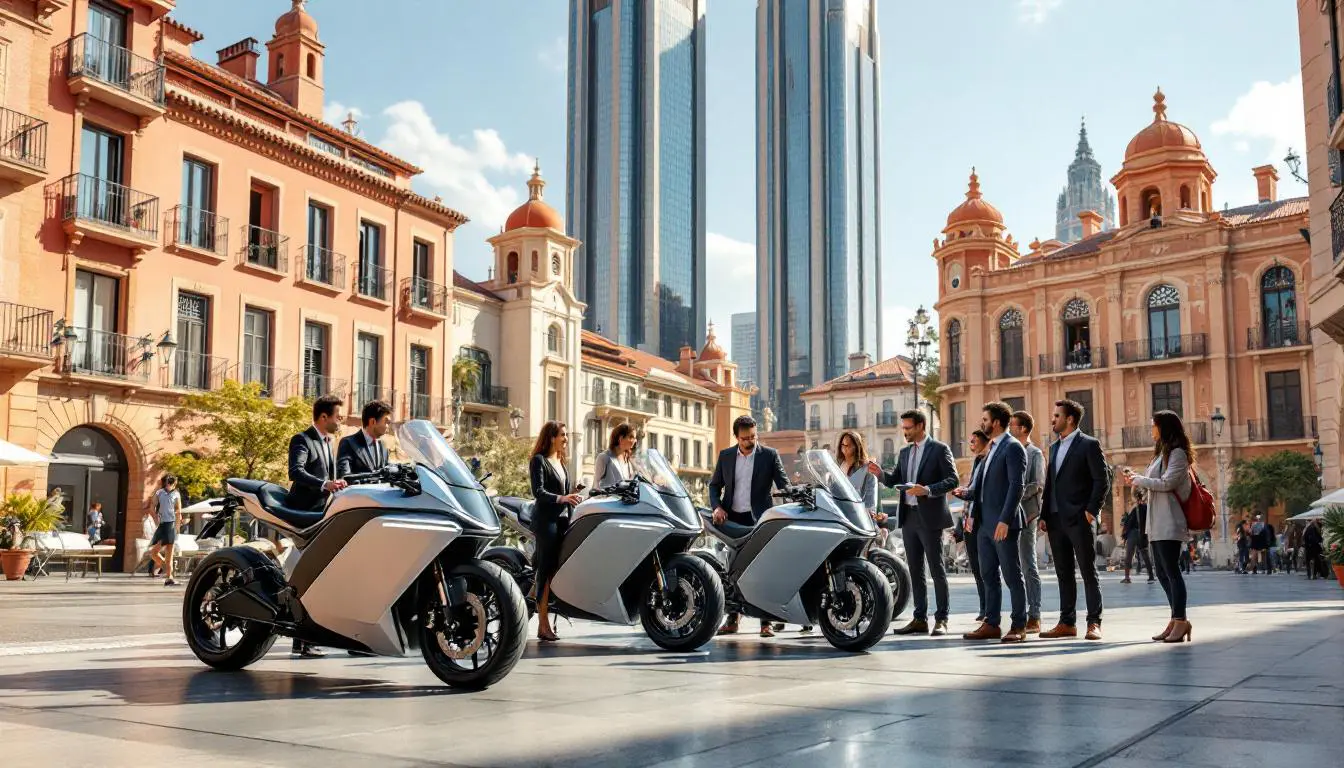
The meteoric rise of Chinese brands like Voge and Zontes in the Spanish market represents a decisive turning point for the motorcycle industry in Europe, particularly for France. With sales figures that defy predictions, the Spanish dominance of Chinese motorcycles offers crucial lessons that French players must take into consideration. The question that arises is: how can French brands react to this emerging dynamic?
The success of the 900 DSX from Voge, which has succeeded in dethroning historical brands with its unbeatable quality-price ratio, underscores the importance of offering competitive products in terms of price, but also in equipment. French consumers, increasingly budget-conscious, may also turn to these new alternatives. Traditional manufacturers can no longer rely solely on their reputation; they must adapt to the new expectations of motorcyclists and rethink their pricing strategy.
Moreover, the upgrading of Chinese brands, in terms of reliability and performance, calls into question the prejudices surrounding these manufacturers. The French industry must not only improve its products but also communicate transparently about the quality and innovation of its models in order to convince an increasingly demanding clientele. By integrating these elements, France could avoid a decline in its domestic market similar to what has been observed in Spain.
Ultimately, it is vital for the players in the motorcycle industry in France to draw inspiration from the Spanish example. If the Chinese revolution can be reproduced on a French scale, the brands that are able to evolve and adapt to the new market realities should not only survive but also thrive in an increasingly competitive environment.
The Chinese rise in Spain: what lessons for the French motorcycle industry?
- Why has Voge become the best-selling motorcycle in Spain?
- The Voge 900 DSX motorcycle has risen to the top of sales thanks to its modern aesthetics, premium equipment like Kayaba and Brembo, and its attractive price of €9,192, which is well below those of established brands.
- What impact has Zontes had on the Spanish market?
- Zontes has experienced impressive growth of +209%, ranking as the 3rd best-selling brand of the month, reflecting the rise of Chinese brands in the motorcycle market.
- How are traditional brands faring against this competition?
- Historical brands like Kawasaki are losing ground, with plummeting positions in the rankings, while Piaggio has even disappeared from the top 10, demonstrating a rapid evolution of the motorcycle landscape.
- What are the implications for the French motorcycle market?
- The upgrading of Chinese brands, as well as their pricing aggressiveness, could attract French motorcyclists who are increasingly vigilant about the price-quality ratio, particularly in the medium and large displacement segment.
- Are Chinese scooters already visible in the French market?
- Yes, Chinese scooters are starting to take market shares, particularly in the urban entry-level segment, which could signal a rising trend for other segments.
- Could France see a similar evolution to that of Spain?
- If we follow the Spanish example, it is likely that brands like Voge or Zontes could also disrupt the French market and challenge European references, possibly in the near future.


