
IN BRIEF
|
In the world of motorcycling, doing your own basic maintenance can turn out to be both a cost-effective and practical solution. Thanks to accessible tutorials, anyone can acquire essential skills to ensure their motorcycle runs smoothly. Whether it’s changing the oil, checking tire pressure, or cleaning the chain, these tips can help extend the lifespan of your machine while developing your independence and mechanical skills. Dive into this DIY adventure and discover the basics of motorcycle maintenance at your fingertips.
More and more people choose to perform their own basic maintenance on their vehicles to save money and acquire new skills. Online tutorials offer a multitude of options and advice to help everyone get started with mechanics. However, this approach has both advantages and disadvantages that are important to consider.
Advantages
The first advantage of online tutorials lies in accessibility. They are often free and available at any time, allowing anyone to learn according to their needs and schedule. Moreover, these tutorials enable visualizing the steps of the process, making it easier to understand the actions to be taken.
Furthermore, doing maintenance yourself helps to reduce costs related to professional services. By avoiding labor costs, significant savings can be made, especially for tasks as simple as changing oil or replacing filters. This also helps acquire mechanical skills that can be useful in the long term.
Disadvantages
Despite these advantages, embarking on maintenance oneself is not without risks. One of the main disadvantages is the risk of error. The instructions from tutorials can sometimes be incomplete or poorly explained, leading to mistakes that could cause damage to the vehicle. Ultimately, this could result in additional costs to correct these errors.
Another point to consider is the lack of guarantees. Indeed, work carried out on the vehicle by the owner does not benefit from the same guarantees as that done by a certified professional. In case of problems, this can lead to complications, especially in case of resale of the vehicle or technical inspection.
Finally, the time invested in carrying out maintenance can deter some people. Although it may seem cost-effective, the process can take much longer than expected, especially for novices. This lack of time can become a constraining factor in an already busy schedule.
Performing basic maintenance may seem daunting, but learning to do it yourself can save you time and money. This guide will provide you with clear instructions to successfully perform these maintenance tasks. Whether for your motorcycle, car, or other equipment, these tips will help you better understand the process and check the condition of your machines.
Why do maintenance yourself?
Doing your own maintenance allows you to manage costs and gain a better understanding of your vehicle. You can thus anticipate potential repairs and extend the lifespan of your equipment. Additionally, it offers you a certain autonomy and personal satisfaction as you are able to take care of your gear.
Necessary Equipment for Maintenance
Before starting, it is essential to gather the right tools. Depending on the type of vehicle you are maintaining, you will need items such as wrenches, screwdrivers, or even a jack to lift your vehicle. For motorcycle maintenance, specific tools like torque wrenches and chain grease may also be useful.
Tools to Have on Hand
Here is a list of essential tools to have in your maintenance kit:
- Adjustable Wrench – To adjust various screws and nuts.
- Drill – For more robust repairs.
- Grease – For lubricating moving parts.
- Maintenance Manual – A valuable guide to understand the specifics of your vehicle.
Steps for Basic Maintenance
Here are some key steps to follow for effective basic maintenance:
Checking Fluid Levels
Start by checking the oil, brake fluid, and coolant levels. If necessary, top them off or replace them. These elements are crucial for the proper functioning of your vehicle.
Visual Inspection
Perform a visual inspection of your motorcycle or car. Look for signs of wear, such as leaks, damaged cables, or worn brakes. Paying special attention to these details can help you avoid more serious issues in the future.
Chain Maintenance (for Motorcyclists)
For a motorcycle, maintaining the chain is fundamental. Use a suitable cleaner, then apply specific chain grease. This operation reduces premature wear and improves the performance of your vehicle. For more information, consult this article on preventing chain wear.
When to Call a Professional?
While many maintenance tasks can be done yourself, it is sometimes wise to call a professional, especially in the case of complex problems. Check out this article on professional maintenance for more tips.
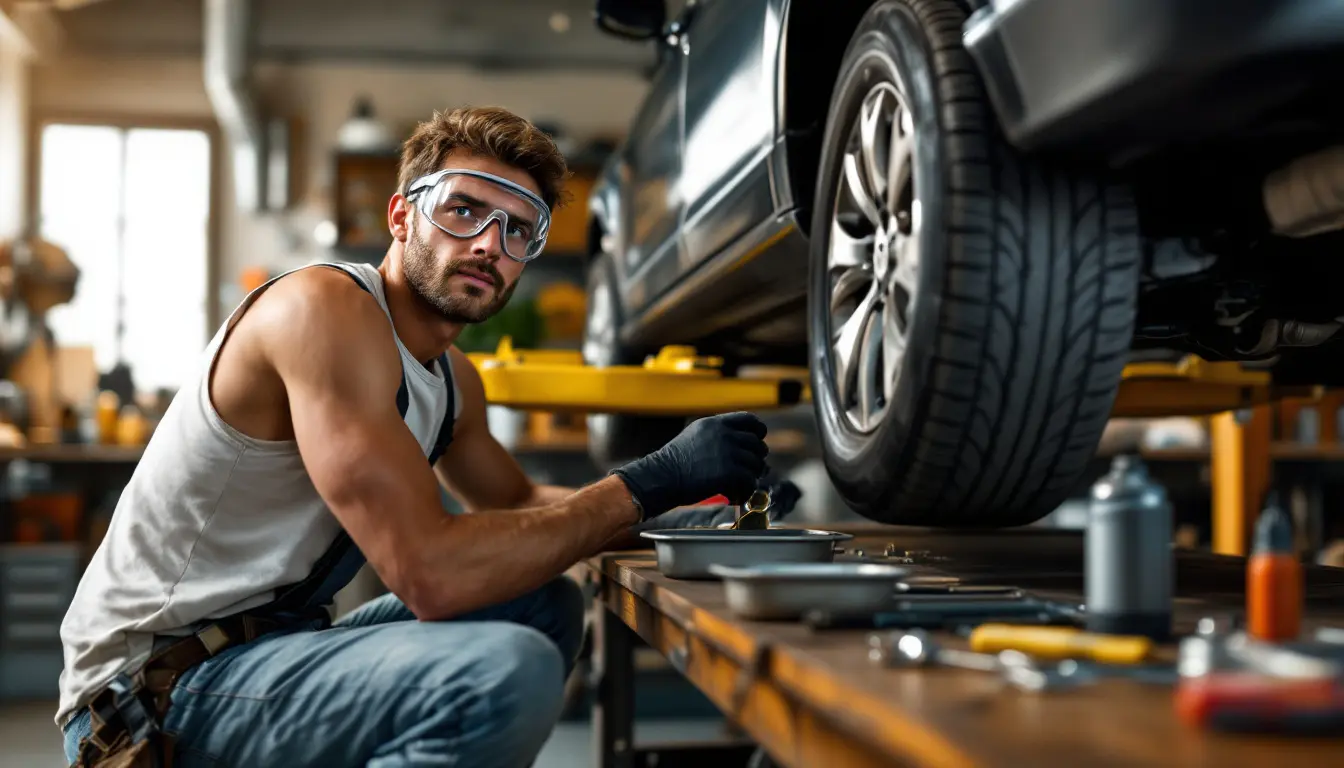
In today’s world, learning to perform basic maintenance yourself becomes crucial, whether for your motorcycle, car, or other equipment. Knowing how to handle it can not only save you money but also provide a better understanding of your equipment. Here are some tips and tricks to effectively engage in this DIY adventure.
Preparing for Your Maintenance
Before starting any maintenance, it is essential to prepare your workspace and gather all the necessary equipment. Collect tools like wrenches, screwdrivers, and cleaning products to be well-equipped. A good maintenance manual for your vehicle is also a valuable asset to understand the specifics of your model.
Register for Training
Investing in training for maintaining your motorcycle or car can provide you with the solid foundation necessary to carry out these tasks. The benefits of motorcycle maintenance training are numerous, including increased safety on the road and valuable mechanical skills.
Using Tutorials
Online tutorials can be an invaluable resource. Whether through YouTube videos or detailed articles, following visual steps makes learning more accessible. Be sure to choose reliable sources to avoid mistakes that could damage your equipment.
Evaluating Technical Details
Being attentive to technical details during your repairs is crucial. This includes adhering to draining, lubrication, or even cleaning techniques that can prevent future damage. It is important to remember that each model may have specific requirements that must be respected.
Tools to Use
Knowing the essentials of tools is fundamental. For motorcycles, this includes specific tools for adjusting the chain, changing oil, or replacing brakes. Investing in good tools will increase your work efficiency and make maintenance easier.
Regular Maintenance
Regular maintenance is key to extending the lifespan of your two-wheeler or car. By incorporating monthly checks of oil, brakes, and tires, you’ll avoid costly repairs in the long run. Don’t overlook the importance of regularly cleaning your vehicle, for which you can also make your own cleaning products.
Practical Tips to Remember
In conclusion, doing your own basic maintenance is not just about saving money; it’s also a way to learn more about your equipment. By training yourself, utilizing tutorials, choosing the right tools, and following a regular maintenance plan, you will be able to keep your motorcycle or car in excellent condition and experience your passion for motorcycling responsibly. For more advice on management and maintenance, feel free to consult specialized articles on topics such as buying a motorcycle or care to take during travel.
Tutorials for Performing Basic Maintenance Yourself
| Task | Estimated Price |
|---|---|
| Oil Change | 10-30 € |
| Brake Adjustment | 0-20 € |
| Air Filter Change | 15-25 € |
| Chain Cleaning | 5-15 € |
| Tire Pressure Check | 0-5 € |
| Light Inspection | 0-10 € |
| Battery Change | 50-100 € |
| Fairing Cleaning | 0-20 € |
| Fluid Level Check | 0-10 € |
| Control Retrofit | 10-50 € |
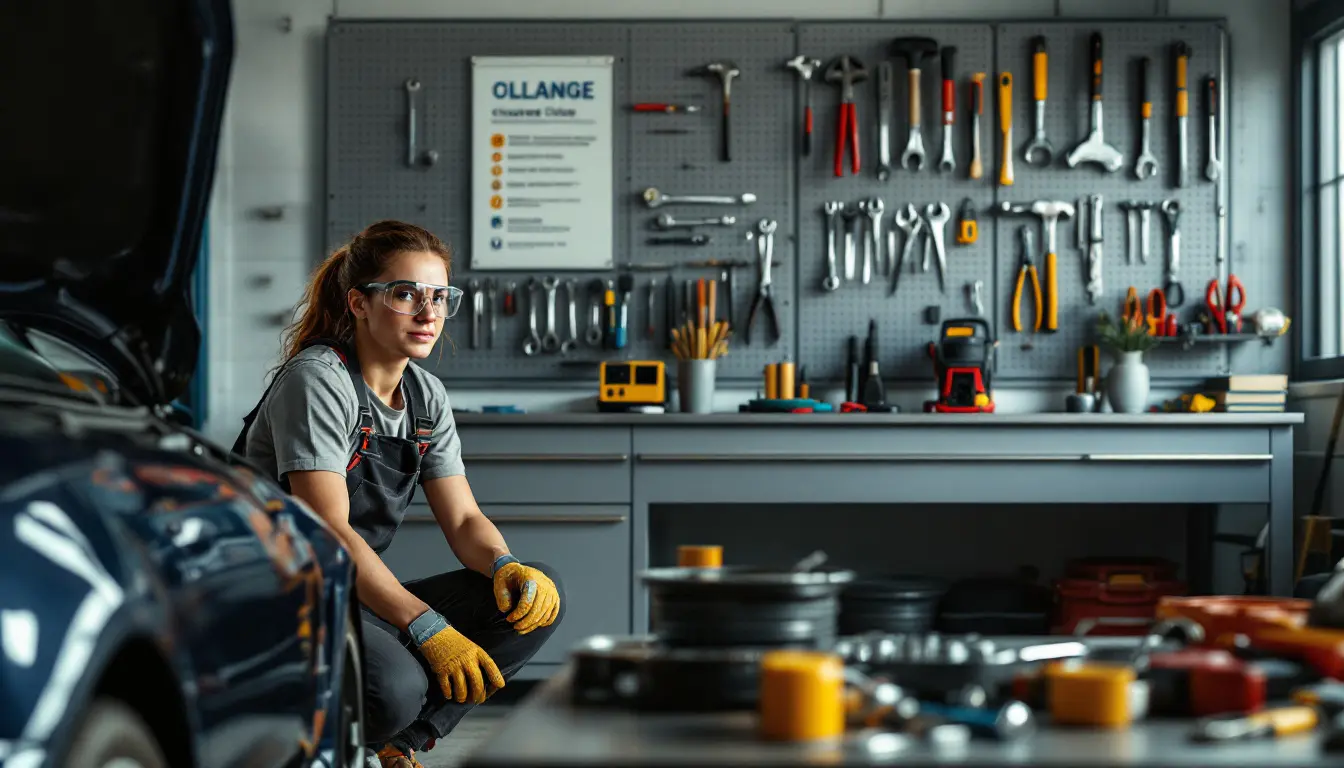
Testimonials on Tutorials for Performing Basic Maintenance Yourself
I discovered online tutorials for doing my own basic maintenance, and it changed my approach to taking care of my motorcycle. Before, I always relied on a mechanic, and I was losing a lot of money. Now, thanks to these simple guides, I can easily check the oil, change the air filter, and even inspect the braking system. I feel much more confident.
As a novice in mechanics, I thought caring for my vehicle would be too complicated. However, the explanatory videos proved me wrong. With a bit of patience and following the steps, I managed to carry out a complete maintenance of my motorcycle. It’s rewarding to know I can do it myself and save money!
A friend recommended I watch DIY tutorials, and I was surprised by the quality of the information provided. They cover everything from simple revisions to more complex repairs. I even learned to detect small problems before they became serious, which saved me high repair costs.
I now love getting involved in the maintenance of my motorcycle. The tutorials helped me understand the functioning of each component, and I’ve become a bit addicted to checking it regularly. It’s a great way to spend time with my machine and improve my mechanical skills.
Thanks to these tutorials, I discovered maintenance techniques that I would have never considered. I learned to change the chain myself and lubricate essential parts. It’s amazing to see the impact this can have on the longevity of my motorcycle. I highly recommend these resources to all motorcyclists!
Doing basic maintenance on your motorcycle may seem intimidating, but with the right tutorials and a bit of practice, it is entirely possible. This article offers recommendations on the key steps to follow for performing simple and essential maintenance, to preserve the longevity of your vehicle and ensure your safety on the road.
The Necessary Tools
Before starting your maintenance work, it’s crucial to have the right tools. Here’s a list of basic tools to have:
- Adjustable Wrench: useful for various fittings on your motorcycle.
- Sockets and Wrenches: for tightening or loosening bolts.
- Screwdriver: a flat and Phillips screwdriver for screws.
- Multimeter: to test electricity and diagnose electrical problems.
- Oil and Lubricants: essential for the proper functioning of your engine and moving parts.
Checking the Oil
Regularly checking the oil is essential for the proper functioning of your engine. Follow these steps:
- Ensure the motorcycle is on flat ground.
- Remove the oil dipstick, clean it before putting it back in place.
- Remove the dipstick again and check the oil level.
- If necessary, add oil that complies with your vehicle’s specifications.
Chain Maintenance
The chain of your motorcycle requires special attention to avoid premature wear. Here’s how to proceed:
- Check the tension of the chain using a measuring tool.
- Clean the chain with a suitable liquid to remove impurities.
- Apply a special grease for chains, following the manufacturer’s recommendations.
Tire Checks
Good tires are crucial for your safety. Here are the steps to follow for an effective check:
- Examine the pressure of the tires with a gauge and adjust if necessary.
- Inspect the wear of the tires and look for bulges or tears.
- Check the tread depth to ensure adequate grip.
Brake Checks
The brakes are a crucial element of your safety. A check should be performed as follows:
- Test the rear and front brakes separately while riding.
- Check the brake fluid level in the designated reservoir.
- Inspect the brake pads for any excessive wear.
Why Do Maintenance Yourself?
Doing your own maintenance has several advantages. In addition to saving money on service costs, it allows you to better understand your motorcycle and build a trusting relationship with your vehicle. It also makes you more independent and secure against potential breakdowns on the road.
With a minimum of technical knowledge and a good dose of motivation, doing your own basic maintenance on your motorcycle is within everyone’s reach. Don’t hesitate to consult online tutorials to guide you through each step of these essential practices.
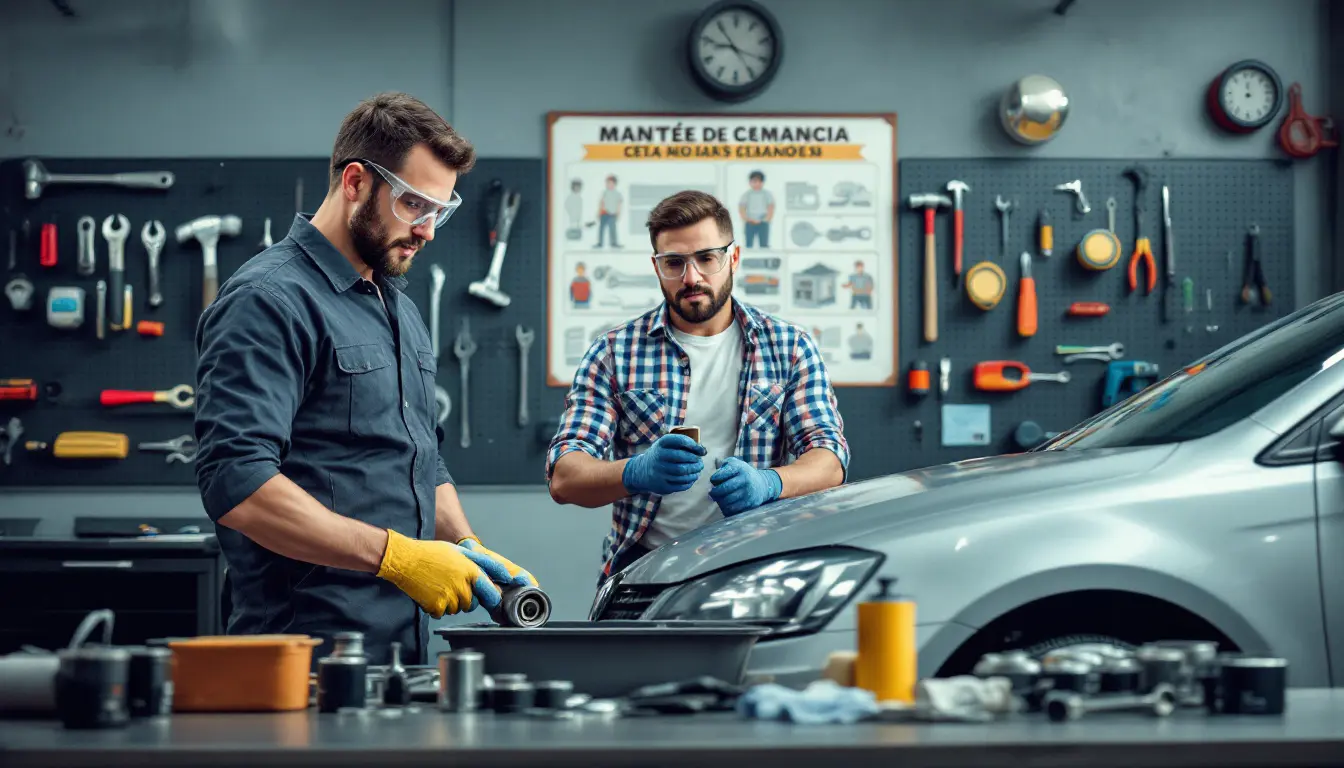
Nowadays, it has become essential to familiarize oneself with tutorials to perform basic maintenance yourself, whether for your motorcycle, your car, or other equipment. These videos and practical guides provide a wealth of information, enabling everyone to engage in the maintenance of their machines without necessarily calling a professional. Thanks to the Internet, everyone has access to varied resources, often free, that demystify maintenance processes.
The know-how acquired through these tutorials contributes not only to substantial savings but also to a better understanding of how your vehicle works. Learning to perform tasks like oil changes, filter replacements, or brake checks yourself is both rewarding and useful. It also allows you to get to know your machine better and to quickly identify potential problems.
Moreover, doing these maintenance tasks yourself helps avoid often high workshop fees, and you can adapt each intervention at your own pace. It’s recommended to start with simple tasks and gradually move on to more complex operations based on your confidence and skills.
Finally, it is crucial to keep in mind some safety tips and to use the right tools to avoid any injury. By mastering these maintenance techniques, you actively participate in preserving your devices and ensuring your safety. Tutorials thus become valuable allies in learning and performing essential maintenance.
FAQ – Tutorials for Doing Your Own Basic Maintenance
A: You can perform maintenance such as oil changes, filter replacements, checking fluid levels, tire pressure checks, and chain cleaning.
A: You will need basic tools such as an adjustable wrench, a screwdriver, an oil basin, gloves, and potentially a jack to access certain parts of your motorcycle.
A: Start by warming up the engine to thin the oil, then remove the drain plug, let the oil drain out, put the plug back in, and then add new oil following the amount specified in the manual.
A: Use a gauge to measure the tire pressure when the tires are cold, and compare the results to the manufacturer’s recommendations, which are often found on a sticker on the motorcycle frame.
A: No, it’s generally a straightforward process. Locate the air filter, remove the cover, take out the old filter and insert the new one, ensuring it is properly in place.
A: It is better to use motorcycle-specific products, as they are designed not to damage paint or sensitive components.
A: You should perform this maintenance every few thousand kilometers, or according to the manufacturer’s recommendations in the maintenance manual.


