
IN BRIEF
|
When buying a motorcycle, it is crucial to pay attention to the safety devices integrated into the vehicle. These elements play an essential role in protecting the rider against road risks. Whether it’s the presence of active safety equipment such as anti-lock brakes (ABS) or traction control systems, or passive safety devices like helmets or protective gloves, each aspect must be carefully evaluated. By considering these criteria, the buyer can make an informed choice, ensuring their safety while fully enjoying their riding experience.
When buying a motorcycle, evaluating the safety devices is crucial to ensure the rider’s protection. This guide examines the advantages and disadvantages of the main safety devices to consider in order to make an informed decision.
Advantages
Anti-lock brakes (ABS): This technology prevents the wheels from locking during sudden braking, providing better control of the motorcycle, especially on slippery surfaces. This can significantly reduce the risk of accidents.
Traction control systems (TCS): These devices prevent the rear wheel from spinning during rapid accelerations, which is particularly useful for powerful motorcycles. They promote more stable and secure riding dynamics.
LED lighting: Visibility is a key factor for road safety. LED lights offer better brightness, making the rider more visible to other road users, especially at night or in poor weather conditions.
Helmet and protective gear: Investing in a good helmet and protective gear is essential. It contributes to the safety of the rider in case of an accident. These items are often designed with shock-absorbing materials and can reduce severe injuries.
Disadvantages
Additional cost: Advanced safety devices, such as ABS or traction control systems, often add a significant cost to the price of the motorcycle. This can make the purchase less accessible for some buyers.
Complexity and maintenance: These modern devices sometimes require specific adjustments or maintenance. This can increase upkeep costs and complicate repairs, especially if the mechanic is not familiar with these technologies.
Increased weight: Adding safety systems can increase the overall weight of the motorcycle, which can affect handling. For some riders, a lighter motorcycle may be preferred for more agile riding.
Excessive confidence: Owning a motorcycle equipped with safety devices should not lead the rider to neglect basic safety rules. Excessive trust in these systems can lead to reckless riding behavior.
By taking the time to evaluate these various safety devices, the buyer can make an informed choice that maximizes their protection on the road. For more information, feel free to check available guides on platforms like Automoli and Motoguide.
Buying a motorcycle, whether new or used, requires particular attention to the safety devices available. Safety is paramount to ensure a serene ride and reduce the risk of accidents. This article provides an overview of the essential aspects to check to guarantee the safety of your future two-wheeler.
Active safety equipment
Active safety equipment is designed to help the rider prevent accidents. Among these pieces of equipment are anti-lock braking systems (ABS), which prevent the wheels from locking during sudden braking. Check if your motorcycle is equipped with it, as it can greatly improve stability and control while riding. Other systems, such as brake assist, are also indispensable assets.
Passive safety equipment
Passive safety, on the other hand, concerns devices that protect the rider in the event of an accident. This includes elements such as helmets, gloves, and protective clothing. Ensure that the motorcycle has sturdy structures, such as reinforced frames that can absorb impact. A good lighting system is also crucial to make the rider more visible, especially at night.
Monitoring and additional security devices
There are several backup devices that can be added to a motorcycle, such as alarms, GPS trackers, and locking systems. These devices are worth considering to increase protection against theft and enhance the general security of the vehicle. Inquire about the options available for your motorcycle model and don’t hesitate to integrate them.
Essential checks before purchase
Before finalizing your purchase, it is recommended to carry out crucial checks. Ensure that the motorcycle has a complete maintenance history and that there have been no major repairs to safety elements. A road test is also essential to evaluate the motorcycle’s behavior on the road, particularly its braking and handling.
Compliance with safety standards
Check the motorcycle’s compliance with the safety standards in force in your country. In France, for example, certain regulations apply strict standards for safety equipment. Make sure to check the legal requirements to ensure your motorcycle is compliant and safe.
Finally, stay informed about developments in road safety to make an enlightened choice for your future purchase. Buying a motorcycle is an important investment, and ensuring its safety must be an undeniable priority.
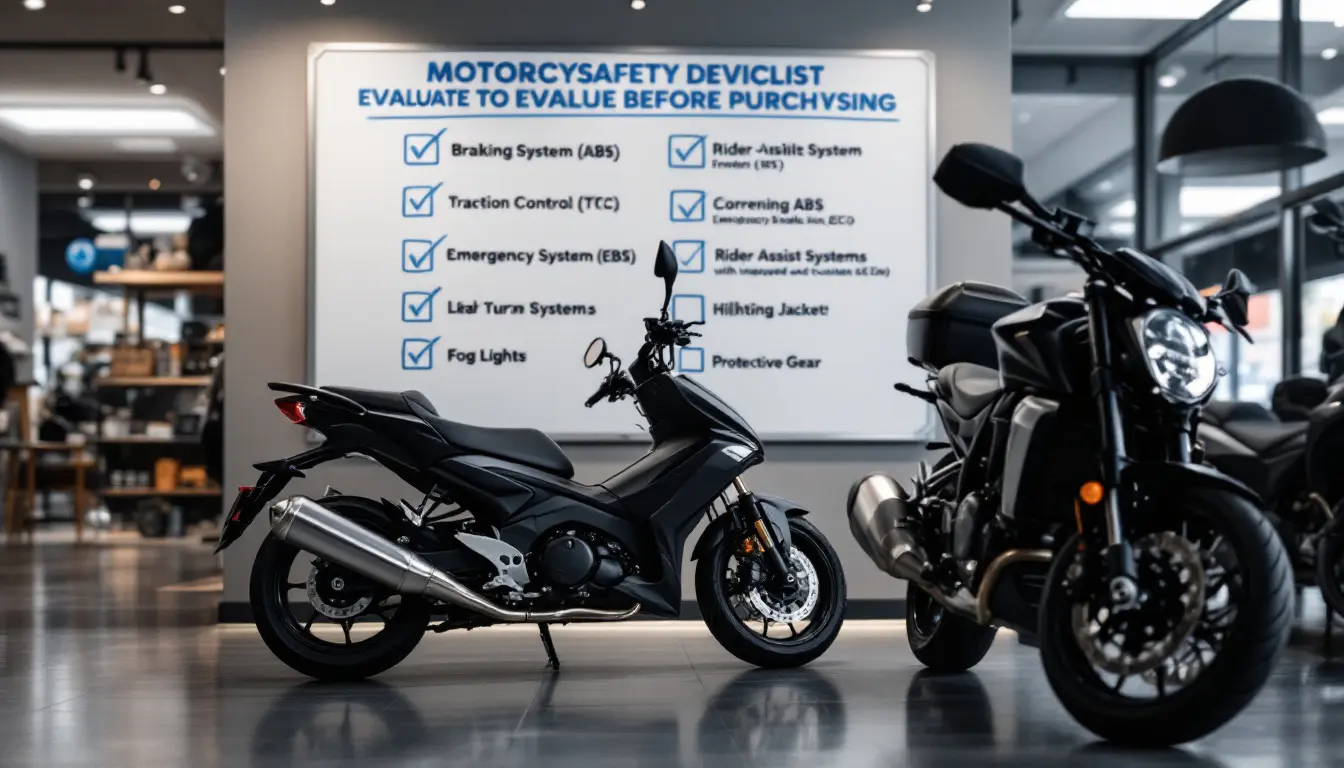
Before buying a motorcycle, it is crucial to assess the safety devices it is equipped with. These devices can either prevent accidents or reduce the consequences of an incident. This article will guide you on the aspects to consider to ensure your safety on the road.
Passive safety
Passive safety includes equipment designed to protect the rider in the event of an accident. This may include devices like helmets, reinforced gloves, and protections for elbows and knees. Before purchasing, check if the motorcycle is compatible with the safety gear you plan to use. If devices such as integrated airbags are available, it may also be worth considering them.
Braking systems
Braking systems are essential to ensure your safety. Make sure the motorcycle has a disc brake system, which offers better performance compared to drum systems. Look for motorcycles equipped with ABS (anti-lock braking system). This device helps maintain control in case of sudden braking. Its effectiveness is especially proven in unfavorable weather conditions.
Visibility
Visibility is often overlooked but crucial. Check that the motorcycle has effective lighting, including powerful front and rear lights. LED lights are recommended for their longevity and clarity. Additionally, reflective elements on the motorcycle can improve your visibility, especially at night or in foggy weather.
Theft prevention devices
Another aspect to consider is security against theft. Inspect whether the motorcycle is equipped with theft prevention devices, such as alarms or location devices. These technologies can deter thieves and ensure that your investment is protected. If these systems are not integrated, consider installing additional security devices after purchase.
Handling characteristics
Ensure that the motorcycle offers good handling. Systems such as brake assist and stabilization can greatly improve your control of the motorcycle, especially in delicate situations. Before finalizing your purchase, perform a road test to evaluate the handling and riding comfort of your future motorcycle.
By following these recommendations, you will be able to make an informed choice when buying your motorcycle. Remember that your safety and that of other road users depend on the safety devices your vehicle is equipped with.
Evaluation of safety devices before buying a motorcycle
| Safety device | Description |
|---|---|
| Brakes | Check the condition and responsiveness of the brakes, especially if it is a model with ABS. |
| Lighting | Ensure the front, rear lights, and turn signals are functioning properly. |
| Traction sensors | Prevent skidding and improve stability on the road. |
| Alarm system | Device to prevent theft and alert the owner. |
| Helmet | Check that the helmet meets current safety standards. |
| Mirrors | Ensure good visibility to avoid blind spots. |
| User manuals | Check the availability of manuals to understand the safety settings. |
| Navigation system | Evaluated to prevent distractions while riding. |
| Protective gear | Gloves, jackets, and pants suitable for maximum safety. |
| Maintenance history | Ensure regular follow-up to guarantee the proper condition of the safety devices. |
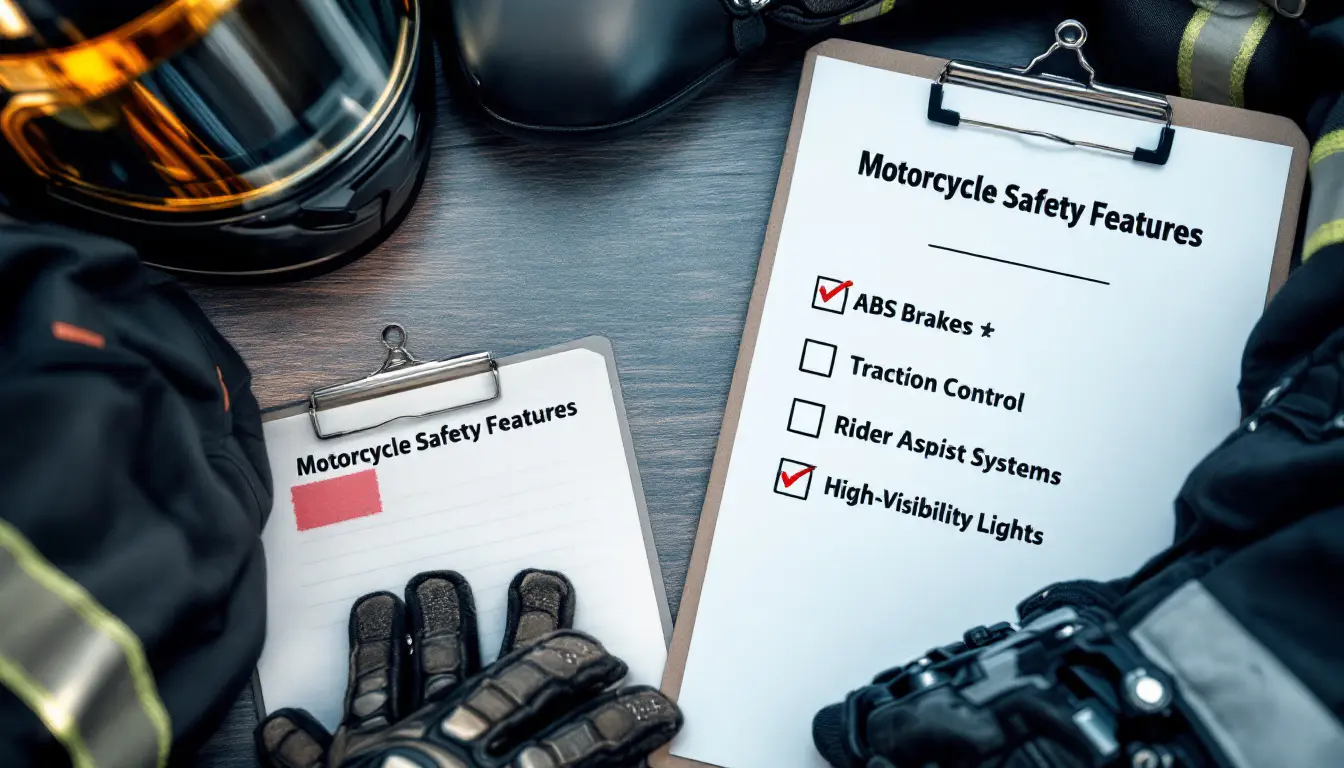
Testimonials on safety devices to evaluate before buying a motorcycle
When purchasing my first motorcycle, I paid close attention to the safety devices. Having already heard stories of accidents, I was determined to protect myself. A friend advised me to check the brakes, one of the most crucial components. I carefully inspected the pads and braking system to ensure they were in good condition. My friend was right; good brakes can make all the difference.
Another important aspect I considered was the suspension. Indeed, it plays a key role in the stability of the motorcycle. I asked the previous owner to explain how he had maintained this element. He told me that a good suspension allowed for better handling of road bumps, which reduces the risk of falls.
While inspecting the motorcycle, I also took into account the importance of lighting. LED lights, for instance, provide better visibility at night or in rainy weather. I ensured that all the lights were functioning properly, as this is essential for my safety on the road. A defective light could lead to serious accidents, especially in low-light conditions.
Finally, I cannot recommend enough checking whether a security system or a locking device is present. This contributes not only to the motorcycle’s safety against theft but also gives me peace of mind. I was fortunate enough to find a motorcycle equipped with an innovative system, which reinforced my purchasing decision.
Before buying a motorcycle, it is essential to consider the safety devices integrated into the vehicle. These play a crucial role in preventing accidents and protecting the rider. This article offers recommendations on the safety elements to evaluate to ensure a safer riding experience.
Passive safety equipment
Passive safety equipment is designed to protect the rider in case of an accident. It is therefore paramount to check them before purchase. Essential elements to check include:
Safety helmet
Ensure the helmet meets current safety standards and is in good condition. A helmet must effectively absorb shocks to protect the head in the event of an impact.
Protective clothing
Check if the motorcycle is equipped with technical clothing such as jackets, gloves, and reinforced pants. These should offer good protection against abrasions and impacts.
Active safety technologies
Active safety technologies aim to prevent accidents before they occur. Here are some points to evaluate:
Advanced braking systems
A good braking system is crucial for safety. Check if the motorcycle is equipped with an anti-lock brake system (ABS) that helps maintain control during sudden braking.
Lighting and visibility
The motorcycle’s lighting must be effective, including the front and rear lights, as well as turn signals. Powerful and well-positioned lights improve visibility on the road, especially at night.
Electronic systems and driving aids
Nowadays, many motorcycles integrate electronic systems that enhance safety. Here are some features to verify:
Traction control
Traction control is a device that prevents the rear wheel from spinning during rapid accelerations. This can be particularly useful on slippery surfaces.
Emergency braking assistance
Some models come with emergency braking assistance systems that optimize braking force when the situation requires it, thereby reducing stopping distances.
The general condition of the motorcycle
It is also crucial to check the overall condition of the motorcycle before purchase. It can indeed affect safety. Here are some recommendations:
Visual inspection
Examine the bodywork for scratches, dents, or signs of poorly done repairs. These elements can hide structural damage that affects safety.
Tire check
The tires must be in good condition, with uniform wear levels and adequate pressure. Worn tires reduce grip and increase the risk of accidents.
By taking these recommendations into account before buying a motorcycle, you maximize your chances of acquiring a safe and reliable vehicle. Safety should never be compromised.
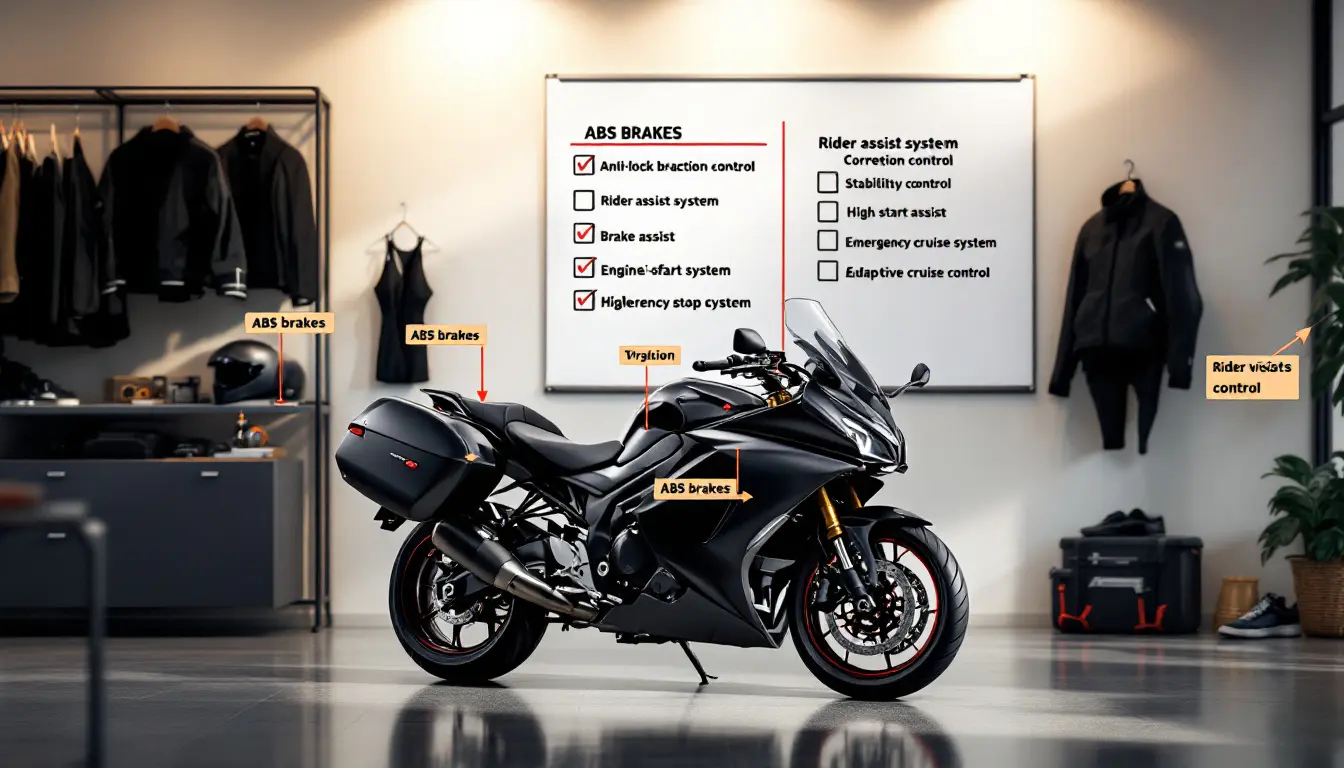
Evaluation of safety devices before buying a motorcycle
When it comes to buying a motorcycle, the choice of safety devices is particularly important. It is essential to ensure that the model being considered is equipped with suitable safety elements, both for accident prevention and rider protection.
Passive safety includes features such as appropriate safety lighting, protective devices in case of accidents, and a reinforced chassis structure. Check if the motorcycle has windows or an alarm, which can deter theft and enhance security when you stop.
Meanwhile, active safety refers to systems that help avoid accidents. Features such as ABS (anti-lock braking system), ASR (anti-slip control system), and other advanced technologies like slip sensors should be scrutinized carefully. These devices aim to enhance the handling and stability of the motorcycle on the road, especially in wet or slippery conditions.
Another aspect to evaluate is the rider’s safety equipment. Ensure that the helmet, gloves, and clothing comply with safety standards. Accessories such as reflective vests and knee protectors can also provide an additional layer of protection.
Before finalizing the purchase, it is advised to perform a road test. This will allow not only to assess the comfort of the motorcycle but also the functioning of safety devices in real situations.
FAQ on safety devices to evaluate before buying a motorcycle
What are the main safety devices to check on a motorcycle? It is essential to check the condition of the brakes, lights, tires, and suspension to ensure the rider’s safety.
How can I tell if the motorcycle brakes are in good condition? Check the thickness of the brake pads, the absence of leaks on the hoses, and feel the feedback during the road test.
Why is it important to check the lights? Functional lights improve the visibility of the rider, especially at night, and allow other road users to see them better on the road.
What type of tires should I look for in a motorcycle? Look for tires with good tread depth and ensure they show no signs of excessive wear or deformation.
What safety characteristics differentiate sports and touring motorcycles? Sports motorcycles often have advanced electronic systems like ABS and traction control, while touring motorcycles focus on comfort and stability.
Is it necessary to check for missing safety devices? Yes, it is crucial to ensure that all required safety devices, such as the horn and mirrors, are present and functional on the motorcycle.
How to evaluate the motorcycle’s suspension for safe driving conditions? Test the flexibility of the suspension by pressing on the seat and ensure it responds correctly without unusual noises.
What safety equipment is considered mandatory in France? In France, mandatory equipment includes mirrors, a horn, front and rear lighting, as well as a clearly visible license plate.
Why is it useful to consult the motorcycle’s maintenance history? The maintenance history provides indications about repairs carried out, which can reveal potential recurring mechanical problems.


