
IN BRIEF
|
Choosing the right motorcycle helmet is a crucial step in ensuring your safety on the road. With a multitude of models and brands available, it can be difficult to navigate. It is essential to consider several criteria such as the type of helmet, the materials used, and the level of comfort. Whether you opt for a full face helmet, modular helmet, or open helmet, each choice has its advantages and disadvantages. In this guide, we will provide you with all the necessary elements to make an informed choice that suits your riding style.
Choosing a motorcycle helmet is a crucial step to ensure your safety while riding. To assist you in this process, it is important to consider several criteria such as the type of helmet, the materials used, and comfort. In this article, we will explore the advantages and disadvantages of different helmet options available on the market.
Advantages
A good motorcycle helmet offers numerous advantages for riders. First of all, it is essential to ensure your safety. Modern helmets are designed with innovative materials such as carbon and fiberglass, which provide enhanced protection against impacts. Moreover, a good helmet, whether full face, modular, or open, helps reduce wind noise, thus providing auditory comfort during your rides.
Next, ventilation is often improved in high-quality helmets, allowing better airflow and reducing sweating, making your long rides more pleasant. Some models come equipped with anti-fog visors and UV protection, which increases your visibility on the road and ensures safer riding. You can discover the most recommended models in articles like the one from GQ Magazine.
Disadvantages
Despite their numerous advantages, motorcycle helmets also have certain disadvantages. First of all, the list of available options can make the selection difficult, especially with models having prices ranging from 169 to 899 euros. This can lead to hasty decisions without proper assessment of each rider’s specific needs.
Furthermore, there may be a compromise between comfort and protection. Sometimes, helmets that offer better protection may turn out to be heavier and less comfortable during long rides. Additionally, choosing a poorly fitting helmet can lead to neck pain or skin irritations. Before making a decision, it is essential to try on several models to find the perfect fit, as recommended in the guide from Packmoto.
Finally, inadequate maintenance can reduce the helmet’s effectiveness. It is important to know how to properly maintain your helmet to ensure its durability, as highlighted by this article on Bigben Motorcycle.
Choosing the right motorcycle helmet is essential to ensure your safety and comfort during your two-wheeled journeys. This article guides you through the different types of helmets, the criteria to consider, and the brands that stand out for their quality. Whether you are a beginner rider or an experienced driver, here is the necessary information to make an informed choice.
The different types of helmets
There are mainly three types of helmets: full face helmets, modular helmets, and open helmets.
Full face helmets
Full face helmets provide complete protection of the skull and face. They are ideal for riders covering long distances and seeking maximum protection. Their monoblock design reduces the risk of lateral impacts, which is crucial in the event of an accident.
Modular helmets
Modular helmets combine the advantages of full face helmets and open helmets. They offer protection similar to that of full face helmets but allow the chin bar to be opened. This makes them perfect for police officers or urban riders who need freedom when stopping.
Open helmets
Open helmets are lighter and provide good ventilation, but they are less protective. They are mainly suitable for city rides or hot weather. However, it is advisable to use them with a face mask for added protection.
Essential criteria to consider
When choosing a helmet, certain criteria should guide your selection.
Certification and safety standards
Make sure that the helmet you buy complies with current safety standards, such as the ECE 22.05 standard in Europe. This ensures that the helmet has undergone rigorous testing and provides adequate protection.
Comfort and proper fit
A helmet must be comfortable to wear for long periods. Check the interior padding and the possibility of adjustments. It is crucial that the helmet fits well without being too tight.
Weight
The weight of the helmet is also an important factor. Excessive weight can lead to fatigue during long trips. Prefer models made from lightweight materials such as carbon fiber or aramid.
Recommended brands
There are several reliable brands to consider when choosing your motorcycle helmet. Companies known for their innovation in safety should be prioritized.
Brands like Shoei, AGV, HJC, and Bell have proven themselves by offering a variety of models adapted to every riding style. Do not hesitate to check reviews and rankings to choose the model that suits you best.
Finally, it is essential not to overlook the importance of equipment. To learn more about the real value of motorcycle helmets, check out this page: Real value of helmets. For additional tips, you can visit Michelin, which will help you make the right choice.
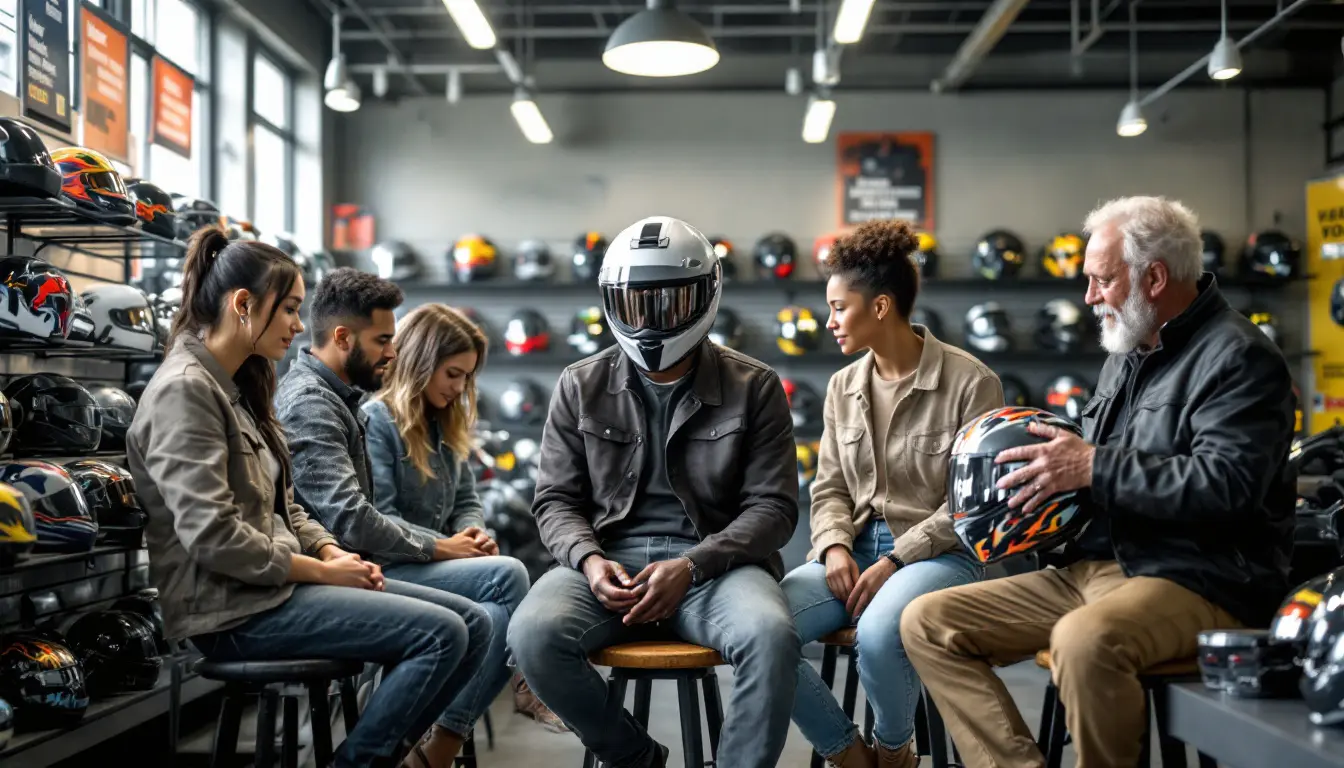
Choosing the right motorcycle helmet is essential for ensuring your safety and comfort on the road. With numerous models available, it is important to understand the different types, materials, and features to take into account. In this article, we will explore the key elements to consider to help you find the helmet suited to your riding style.
The different types of helmets
There are several types of motorcycle helmets, each offering unique advantages. Full face helmets provide maximum protection due to their covering shell, ideal for long roads. Modular helmets combine comfort and safety, allowing the chin to be lifted for more ventilation. Finally, open helmets are perfect for city riding, providing a better feeling of freedom but less protection.
Materials and construction
The choice of material is crucial in the manufacturing of a helmet. Thermoplastic helmets are economical, while those made of carbon or fiberglass offer lightweight and increased durability. Also, check the construction of the helmet to ensure that it meets current safety standards.
Comfort is paramount
It is essential that your helmet is comfortable, especially for long trips. Make sure it is well-suited to your size and account for the interior padding elements. Look for helmets with good ventilation to avoid excessive heat sensation.
Closure systems
Closure systems play a key role in helmet safety. Micrometric systems are easy to handle, while double-D buckles offer extra security. Choose a system that allows you to easily put on and take off your helmet while maintaining a good hold.
Certifications and safety standards
Ensure that the helmet you plan to purchase is certified according to the safety standards of your country. In Europe, helmets must bear the ECE 22.05 label or the DOT standard to be considered safe. Never neglect this aspect when choosing your helmet.
Style and aesthetics
While safety and comfort are paramount, the style and aesthetics of your helmet should not be overlooked. Choose a design that you like and that reflects your personality. There are many options for colors and patterns to ensure that you feel comfortable. Find a balance between safety, comfort, and style.
Budget and value for money
Helmet prices vary significantly, so it is important to set a budget. Keep in mind that the price does not always reflect quality. Investing in a quality helmet can potentially save your life, so it is better to prioritize recognized brands for their reliability and safety technology.
To learn more about the different types of helmets and their choice, check out resources like Motoshopping or discover the latest models at BigBen Motorcycle.
Comparing the essential criteria for choosing a motorcycle helmet
| Criteria | Description |
|---|---|
| Type of helmet | Full face, modular, or open helmets, depending on the riding style. |
| Certification | Make sure the helmet meets safety standards. |
| Materials | Look for helmets made from thermoplastic, carbon, or fiberglass. |
| Comfort | Choose padded and adjustable interiors for a good fit. |
| Ventilation | Ventilation is important to avoid overheating. |
| Weight | Prefer lightweight models for more comfort on long trips. |
| Budget | Define a price range to guide your choice. |
| Aesthetics | Choose a design that you like and that represents your style. |
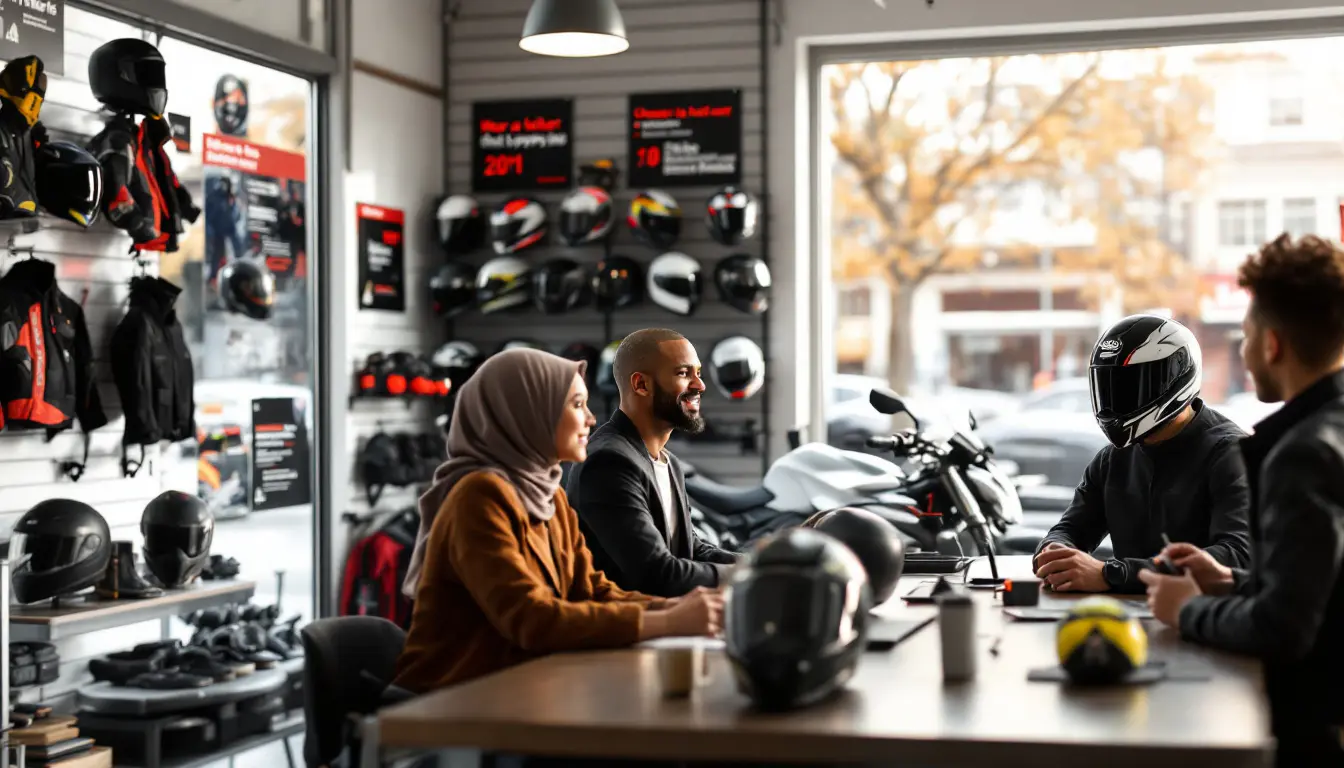
Testimonials on Choosing the Right Motorcycle Helmet
When it comes to finding the ideal motorcycle helmet, every rider has their own journey and unique preferences. Here are some testimonials that might inspire you in your choice.
Julie, 29 years old, hiking enthusiast: “For me, safety is paramount. I’ve tried several helmets, but the one that truly convinced me is a full face helmet. The feeling of being enveloped and the protection it offers are unmatched. Plus, the model I chose is lightweight, allowing me to go on long rides without any discomfort.”
Lucas, 35 years old, motocross enthusiast: “In motocross, helmet choice is essential. I opted for a cross helmet offering excellent ventilation and a wide screen for optimal visibility. Comfort is also important to me, as I spend hours on my bike riding on tough terrains. A good fit is therefore crucial.”
Marie, 24 years old, beginner: “I didn’t know where to start to choose my first helmet. Fortunately, a motorcycling friend advised me to prioritize a modular helmet. This allows me to wear it both for urban trips and longer outings. I finally found a model that combines comfort, safety, and style.”
Thomas, 42 years old, regular rider: “I always believed that price determined quality. However, after trying a cheaper helmet, I realized that comfort and safety are non-negotiable. I recently invested in a high-end helmet with advanced materials and innovative technologies. The difference is amazing, and I feel much safer on the road.”
Sophie, 31 years old, motorcycle expert: “As I spend a lot of time riding, I’m looking for a helmet that provides good acoustic insulation. My last purchase was a true favorite, as it is silent while remaining lightweight. I also appreciate the adjustable chin strap that allows me to perfectly fit it to my head.”
When considering acquiring a motorcycle helmet, it is crucial to take into account various criteria to maximize your health, comfort, and style. In this article, we will address the essential points to consider, such as types of helmets, materials, safety standards, and comfort, to help you make an informed decision in your choice.
Types of motorcycle helmets
The choice of helmet type is one of the first decisions to make. There are mainly three categories of helmets: full face helmets, modular helmets, and open helmets.
Full face helmets
Full face helmets offer complete coverage of the head and face, thus ensuring maximum protection. They are ideal for motorcyclists who ride at high speeds or who seek optimal safety. Their aerodynamic design also reduces wind noise.
Modular helmets
Modular helmets are an excellent option for those seeking versatility. They can be opened like an open helmet or closed like a full face helmet. This allows for better ventilation and easy access to the face, which is convenient when stopping or communicating with other riders.
Open helmets
Open helmets are the most comfortable for urban riding or casual outings. They offer excellent visibility and ventilation, but do not fully protect the face, which can pose an increased risk in case of an accident.
Materials and safety standards
The material of the helmet is crucial for its safety. The most commonly used materials include thermoplastic, fiberglass, and carbon. Each has its advantages in terms of weight, durability, and protection.
It is also vital to ensure that the helmet meets safety standards. In Europe, look for the ECE 22.05 label. This standard guarantees that the helmet has been tested to withstand impacts.
Comfort and fit
A helmet must fit perfectly to ensure comfort and safety. When trying on a helmet, check that it fits well without being too tight. A good fit should not restrict blood flow or cause painful pressure points.
Also, test the comfort level during prolonged wear. Ensure that the inner foam is soft and breathable. Good airflow is essential to prevent excessive sweating and discomfort during your ride.
Additional features
Some motorcycle helmets include additional features such as anti-fog visors, advanced ventilation systems, or space for communication systems. These features can greatly enhance your riding experience.
Also, consider the weight of the helmet. A lightweight helmet will be more pleasant to wear over long distances, while a too-heavy model could fatigue your neck.
Budget
Motorcycle helmets vary significantly in price. Determine a budget before making your choice, but remember that safety should never be an economical option. Make sure to invest in a helmet that offers the best protection for your budget.
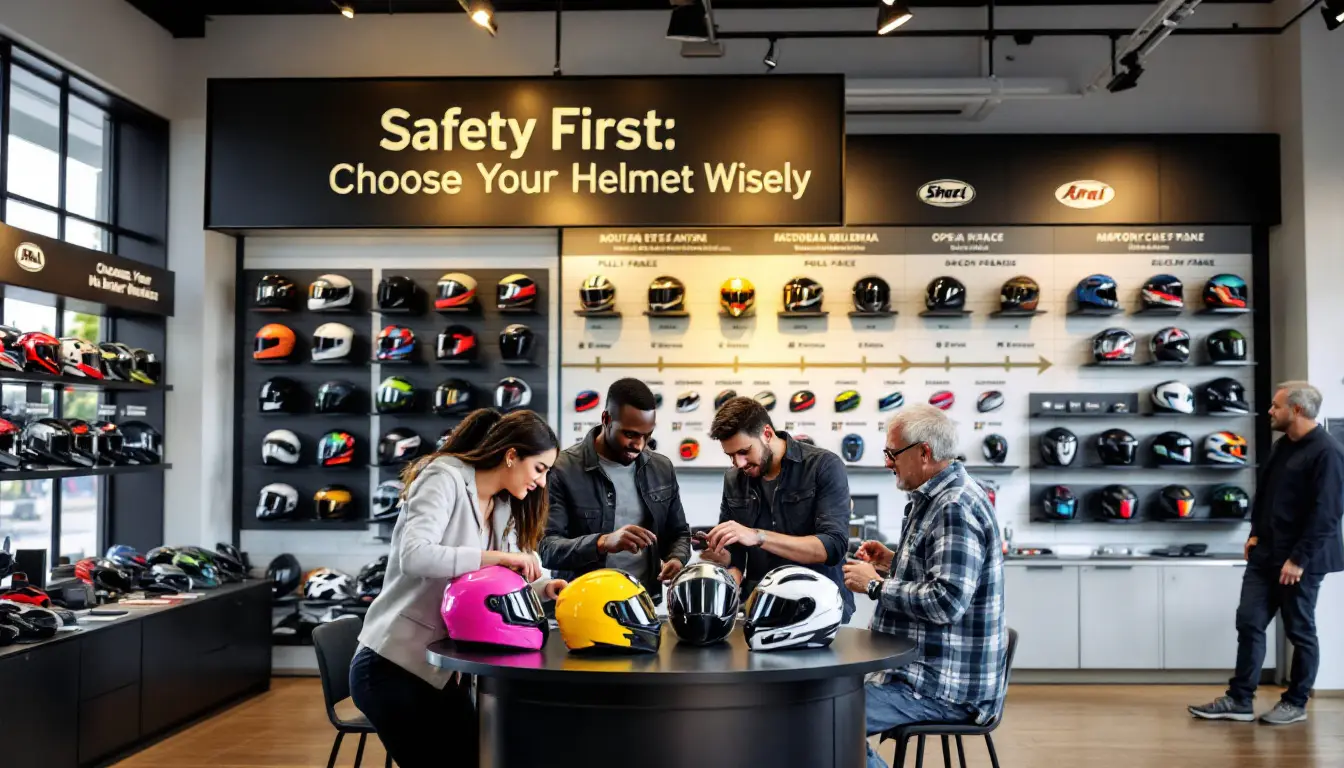
Choosing the right motorcycle helmet is a crucial step to ensure your safety and comfort on the road. With a multitude of models and brands available, it is essential to consider several criteria before making your selection.
First of all, it is important to know the different types of helmets: full face, modular, and open. The full face helmet offers maximum protection thanks to its structure that covers the entire head. The modular helmet, on the other hand, combines the advantages of a full face helmet and an open helmet, offering flexibility and comfort. Finally, the open helmet, lightweight and airy, is ideal for urban trips, although it offers less protection.
Next, consider the materials used, which affect the weight and safety of the helmet. Common materials include thermoplastic, carbon, fiberglass, and aramid. Each material has its advantages in terms of strength and comfort. A good helmet must also be comfortable to wear on long distances, which requires a good fit and adequate padding.
The certification is also an essential point to check. Ensure that the helmet complies with current safety standards for optimal protection. Additionally, ventilation systems and quality chin straps, like those with double-D fastening, are elements not to neglect to ensure your comfort and safety.
Finally, remember to try on the helmet before purchase to ensure it fits perfectly. By taking the time to choose the right helmet, you not only secure your safety but also enhance your enjoyment during your motorcycle rides.
FAQ: How to choose the right motorcycle helmet
What type of helmet should I choose? It is important to consider your riding style. Full face helmets offer better protection, while modular helmets combine comfort and safety. Open helmets, on the other hand, are perfect for city riding.
What are the main features to check? Pay attention to the materials of construction, such as thermoplastic, carbon, or fiberglass, as well as closure systems like the micrometric strap or double-D.
How to ensure the helmet is well fitted? For a good fit, the helmet should be snug on your head without causing pressure points. Try it with a slight head movement; it should not move excessively.
What is the certification of a helmet? Certification guarantees that the helmet meets strict safety standards. Make sure the chosen model has certifications such as ECE, DOT, or Snell.
Does price influence the safety of the helmet? Not necessarily. While some expensive helmets may offer additional features, this is not always a guarantee of safety. Look for reliable models within a budget that suits you.
Should I prioritize comfort or safety? Both are essential. A comfortable helmet will encourage you to wear it more often, while safety should always be your priority. Seek balance between the two.
How to maintain my helmet? It is advisable to regularly clean the inside and outside of your helmet with suitable products. Also, avoid leaving the helmet exposed to sunlight or extreme temperatures.


