
IN SHORT
|
Creating a safety culture among motorcyclists is essential to reducing the risks associated with riding on two wheels. This involves establishing a dynamic of responsibility and awareness where each member of a group commits to respecting safety rules and sharing knowledge. By promoting communication and organizing regular training sessions, it is possible not only to improve individual safety but also to strengthen the collective. Thus, all motorcyclists, regardless of their level of experience, can benefit from a safer environment during their outings on the road.
Creating a safety culture among motorcyclists
Establishing a safety culture among motorcyclists is essential to reducing the risk of accidents on the road and promoting responsible behaviors. This involves the commitment of everyone, from motorcycle clubs to independents, to establish safe practices and constant awareness. This article presents the advantages and disadvantages of this crucial approach.
Advantages
The first advantage of a well-established safety culture is the sense of community it provides. When motorcyclists gather to discuss safety, they create a support network where everyone can share their experiences and advice. This strengthens the ties between members and fosters a sense of camaraderie.
Furthermore, a good safety culture helps to reduce the number of accidents. Motorcyclists who are more aware of the risks and the behaviors to avoid are less likely to be involved in incidents. For example, training sessions and introductions organized by clubs can prepare motorcyclists for unforeseen events on the road.
Additionally, it allows for better public awareness of the specific challenges faced by motorcyclists. By establishing a dialogue between motorcyclists and other road users, it is possible to reduce biases and promote a greater understanding of the dynamics that prevail on the roads.
Disadvantages
Resistance to change. Some motorcyclists may perceive safety rules as constraints, leading to reluctance to adopt more cautious behaviors. Convincing these individuals can be challenging.
Another aspect to consider is the cost associated with training and equipment. Organizing training sessions or investing in safety equipment can represent a significant expense for some motorcyclists. This can also limit access for those who do not have the financial means to bear these costs.
Finally, the dispersion of information can hinder cohesion within the community. If each group of motorcyclists applies its own rules or interpretations of safety, this can create divisions and harm the effectiveness of the overall initiative.
How to create a safety culture among motorcyclists
Creating a safety culture among motorcyclists is essential to reducing the risks of accidents on the road. By encouraging respect for rules, sharing experiences, and raising awareness, it is possible to promote a safer environment for all. This tutorial will offer practical tips to establish such a culture in your motorcycle community.
Educate and raise awareness
Education is the key to establishing a safety culture. Organize workshops and information sessions where motorcyclists can learn about safety regulations, new laws regarding equipment, and behaviors to adopt when riding in groups. The more informed motorcyclists are, the more likely they are to adopt safe practices.
Partnerships with experts
Collaborating with road safety experts can add value. Invite specialized speakers to lead these sessions and share statistics on accidents, which will encourage members to seriously consider the need for safety. You can also refer to resources like the motorcycle training kit offered by associations.
Create events to promote safety
Organizing regular events focused on road safety is an excellent way to deepen motorcyclists’ knowledge. These events can include group rides where you encourage discussions on safety or training sessions on riding techniques. Don’t hesitate to invite outside speakers to provide practical advice.
Organization of group rides
Group rides provide the opportunity to observe and share safety practices in real-time. During these rides, highlight the importance of safety equipment, such as helmets and appropriate clothing, and discuss behaviors to adopt. By creating an atmosphere where motorcyclists support each other, you reinforce the need for a collective approach to safety.
Encourage open dialogue
Establishing an open dialogue within your community is crucial. Encourage members to share their personal experiences, accidents they have been involved in, or dangerous situations they have faced. This can be done during monthly meetings or even online. By sharing these stories, you help others recognize the safety issues and learn from others’ mistakes.
Use of digital platforms
Digital platforms can also serve as a tool to create this culture. A forum or social media group dedicated to road safety allows motorcyclists to exchange advice and discuss safety rules. For example, check out this link to discuss safety with other motorcyclists.
Encourage personal commitments
To truly integrate safety into the local culture, encourage each motorcyclist to make personal commitments. Here are some simple acts like checking their equipment before every ride or actively participating in safety events. Small gestures can make a big difference, and by sharing them, you can benefit from a collective synergy.
Continuing education
Road safety is not a fixed subject; it evolves. Encourage all members to regularly participate in awareness sessions or continuing education courses. This can also include first aid courses, allowing motorcyclists to be prepared for any potential emergency situation.
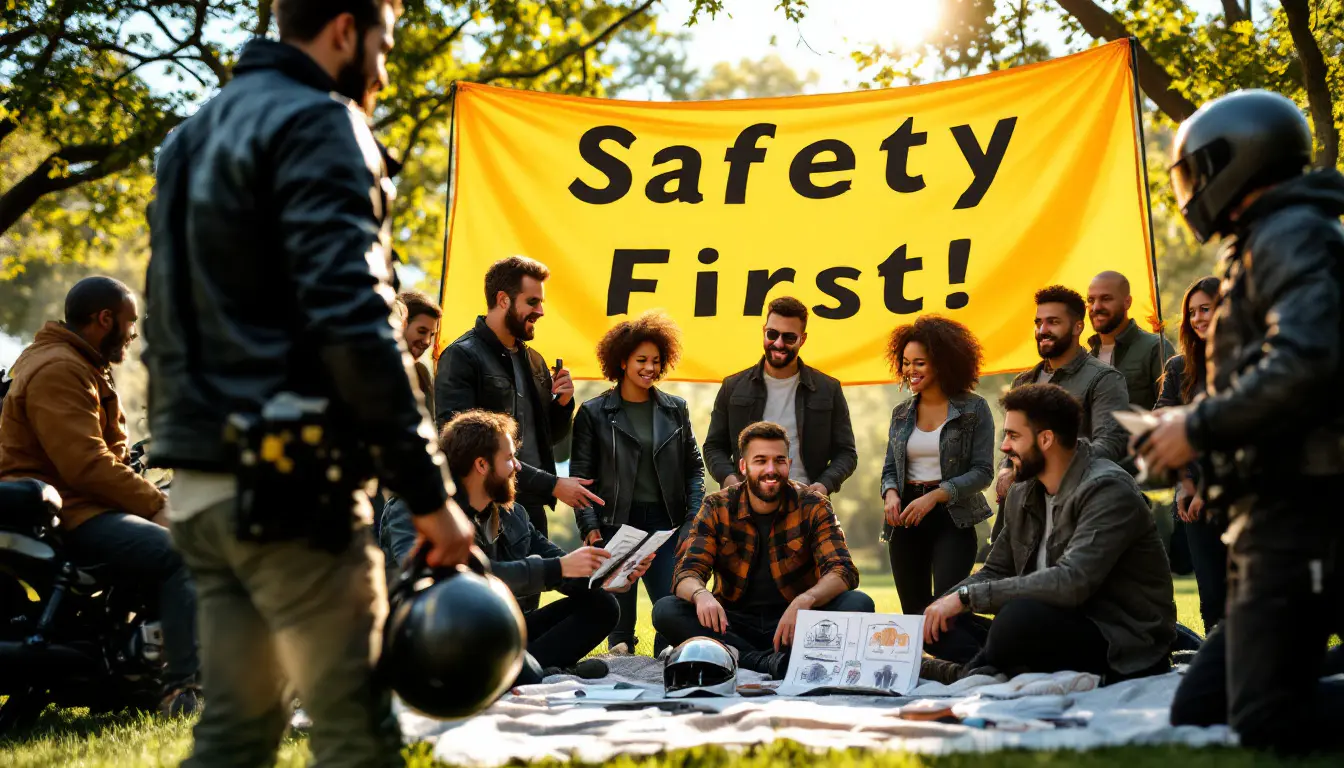
How to create a safety culture among motorcyclists
Road safety is crucial to ensuring peaceful and enjoyable rides for all motorcyclists. Creating a safety culture involves raising awareness among community members about good practices and responsible behaviors. Here are some tips and tricks for establishing such a culture among motorcyclists.
Educate and Raise Awareness
The first step to establishing a strong safety culture is education. Organizing workshops and awareness training can help motorcyclists better understand the risks they face on the road. Emphasizing the importance of safety equipment, such as appropriate helmets and protective clothing, is essential.
Encourage Sharing of Experiences
Communication is a fundamental pillar of safety culture. Encouraging motorcyclists to share their personal experiences, whether positive or negative, helps create a learning environment. Motorcycle clubs can organize regular meetings where members discuss incidents that occurred and the lessons to be learned from them.
Establish Collective Norms
Defining expected norms and behaviors, such as the mandatory wearing of safety equipment, helps encourage responsible riding. These norms should be clearly communicated to all members of a motorcycle community. It is also essential to establish a system of collective responsibility, where each member is encouraged to remind others of the importance of safety.
Promote Safety Events
Participating in or organizing events aimed at promoting road safety is an excellent way to strengthen this culture. This may include organized rides that emphasize safe routes, training sessions on motorcycle handling, or safety awareness campaigns. Events aim to create a sense of belonging and responsibility among motorcyclists.
Use Modern Technologies
Technology can also play a key role in improving safety. Using traffic condition-sharing applications, incident alerts, or risk areas can help motorcyclists prepare and stay cautious. Moreover, modern safety devices, such as navigation systems and dash cams, contribute to more conscious riding.
Create a Supportive Community
Finally, creating a strong community where motorcyclists support each other is essential. Encouraging mutual help and support among members creates an environment conducive to safety. By forming online discussion groups or forums, motorcyclists can continue to exchange their experiences and stay informed about good practices.
How to create a safety culture among motorcyclists
| Action Areas | Description |
|---|---|
| Education | Organize training sessions to raise awareness of the risks of riding |
| Equipment | Promote the use of appropriate and approved protective equipment |
| Continuing Education | Encourage regular workshops to improve riding skills |
| Community | Create motorcycle groups to share experiences and good practices |
| Events | Organize gatherings focused on safety to exchange ideas |
| Awareness | Use social media to disseminate safety messages |
| Partnerships | Collaborate with road safety associations for joint initiatives |
Testimonials on creating a safety culture among motorcyclists
Jean, a member of a motorcycle club: “When we started organizing group rides, we knew that safety had to be our priority. We set up regular meetings to share our experiences and discuss best practices. Each of us was trained on the importance of wearing appropriate safety equipment and how to ride cautiously. Thus, we succeeded in establishing a real safety culture within our community.”
Sophie, initiator of an awareness campaign: “With my group, we launched an awareness campaign to inform motorcyclists about the risks associated with reckless riding. By using social media, we shared testimonials and advice on the importance of motorcycle maintenance and compliance with regulations. Having a common support allowed us to create a strong bond between us, and it strengthened our commitment to safety.”
Antoine, a road safety trainer: “In my training sessions, I always emphasize the importance of awareness about safety. I recommend practical exercises that allow motorcyclists to understand the dangers they could face in real situations. When motorcyclists see for themselves how risky certain behaviors can be, it encourages them to change their attitude. Teaching defensive riding techniques is essential to build a community of motorcyclists conscious of the dangers.”
Claire, a participant in a safety workshop: “I have always loved riding motorcycles, but I had never really questioned safety until I attended a workshop organized by a local club. Through these sessions, I learned the importance of pre-trip checks before hitting the road. By discussing with other motorcyclists, we exchanged tips and developed a common understanding of safety concerns on the road. This was a real turning point for me and motivated me to spread this message to others.”
Luc, coordinator of a safety event: “At our last event, we gathered many motorcyclists to address safety. We organized interactive workshops and demonstrations of maneuvers. This type of event not only strengthens the camaraderie among motorcyclists but also creates a positive atmosphere around safety. Each participant left with the feeling that they were part of a larger movement towards responsible riding.”
Introduction
Creating a safety culture among motorcyclists is essential to reducing the risks of accidents on the road. By adopting recommended practices and cultivating a responsible attitude, motorcyclists can not only protect their own safety but also that of other users. This article offers clear and practical recommendations for establishing an effective safety culture within motorcycle communities.
Education and Awareness
Education is the cornerstone of a strong safety culture. It is crucial that motorcyclists receive adequate training on road rules and safe riding. Regular training sessions should be organized in motorcycle clubs to address themes such as defensive riding techniques, emergency situation management, and the importance of protective equipment.
Moreover, awareness campaigns can help inform motorcyclists about specific dangers such as harsh weather conditions, slippery roads, or the behavior of other drivers. By organizing events and workshops, it is possible to share experiences and encourage exchanges of ideas on safety.
Integration of Best Practices
To establish an effective safety culture, it is essential to integrate best practices into every motorcycle outing. This includes checklists before departure to ensure that each member of the group has the necessary equipment, such as helmets, gloves, and suitable protective clothing. These checks should become routine, thus setting high safety standards.
Moreover, motorcycle groups should establish clear rules during their outings, such as adhering to speed limits and the necessity to stay in tight formation. Communication, via communication systems for motorcyclists, can also play a crucial role in signaling dangers on the road.
Encouragement of Collective Responsibility
It is important to encourage a sense of collective responsibility among motorcyclists. Each member of the group must feel concerned about the safety of others, adopting a preventive behavior. For example, if a motorcyclist observes a risky behavior among their companions, they should feel free to point it out constructively.
This can also include organizing regular gatherings to discuss riding experiences and incidents. These meetings can strengthen ties between motorcyclists and remind everyone of the importance of safety on a day-to-day basis.
Use of Modern Technologies
Modern technologies offer powerful tools for improving safety. For example, the use of GPS devices and dedicated applications can help plan routes based on traffic conditions, thus allowing motorcyclists to avoid high-risk areas. It is also possible to use applications to share alerts regarding dangers encountered in real-time.
Tracking technologies can also be implemented to monitor the riding behavior of motorcyclists and provide feedback on their riding, thus fostering continuous improvement.
Conclusion
Establishing a safety culture among motorcyclists requires a collective and continuous commitment. Through education, the integration of best practices, and the use of technologies, it is possible to reduce risks and encourage responsible behavior. Every motorcyclist has a role to play in this endeavor, and together, we can make a significant difference on the road.
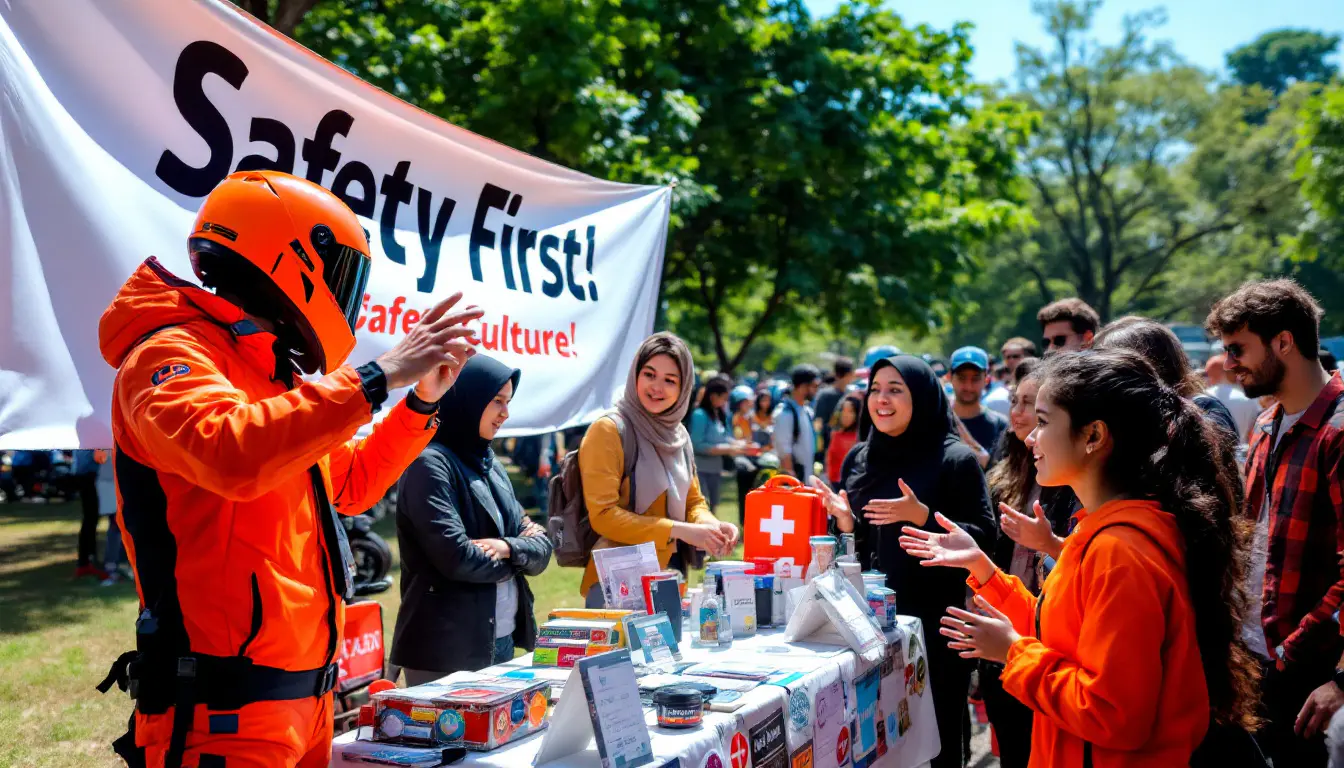
Creating a safety culture among motorcyclists
Establishing a safety culture among motorcyclists is essential to reduce accidents and promote responsible riding. This involves raising awareness among every member of the importance of respecting rules and safety equipment. By sharing information and discussing the specific dangers associated with motorcycling, we can create a solid foundation for collective safety.
Motorcycle clubs and associations play a crucial role in this endeavor. They can organize awareness events, training sessions, and group outings, allowing motorcyclists to develop skills while strengthening community bonds. These activities foster the exchange of experiences and best practices, which helps establish a climate of trust and responsibility among motorcyclists.
Implementing safety checklists before each outing is another beneficial initiative. They ensure that each motorcyclist adheres to safety requirements, such as wearing appropriate clothing and ensuring their vehicle is in good condition. Moreover, it is important to encourage open discussions about risky behaviors and to promote a proactive attitude towards safety.
Finally, it is imperative that every motorcyclist commits to respecting speed limits and avoiding riding under the influence of alcohol or illicit substances. By adopting a responsible attitude, motorcyclists contribute not only to their own safety but also to that of other road users. Together, by fostering a true safety culture, we can make the roads a safer space for everyone.
FAQ: How to create a safety culture among motorcyclists
What is a safety culture? A safety culture is a set of shared values and behaviors within a group that promotes safety and accident prevention.
Why is it important to create a safety culture among motorcyclists? It is crucial because it helps reduce the risks of accidents by raising awareness among motorcyclists about safe behaviors and responsible riding practices.
How to raise motorcyclists’ awareness of road safety? Through training, awareness workshops, and community events, it is possible to educate motorcyclists about road safety.
What elements should be addressed to establish this culture? It is essential to discuss good riding practices, the importance of protective equipment, and behaviors to adopt in groups.
What are effective methods for involving motorcyclists in this approach? Organizing group rides, practical training sessions, and discussions on safety can foster motorcyclist engagement.
How can motorcycle clubs contribute to this safety culture? Clubs can organize regular events and promote safety initiatives to educate and engage their members.
What roles do protective equipment play in the safety culture? Protective equipment, such as helmets and reinforced clothing, is vital for reducing injuries in case of an accident, and its use should be encouraged.
How to measure the effectiveness of efforts to create this safety culture? It is possible to monitor the reduction of accidents and incidents within the group, as well as gather feedback from members on the safety practices adopted.


