IN BRIEF
|
The importance of
protective equipment
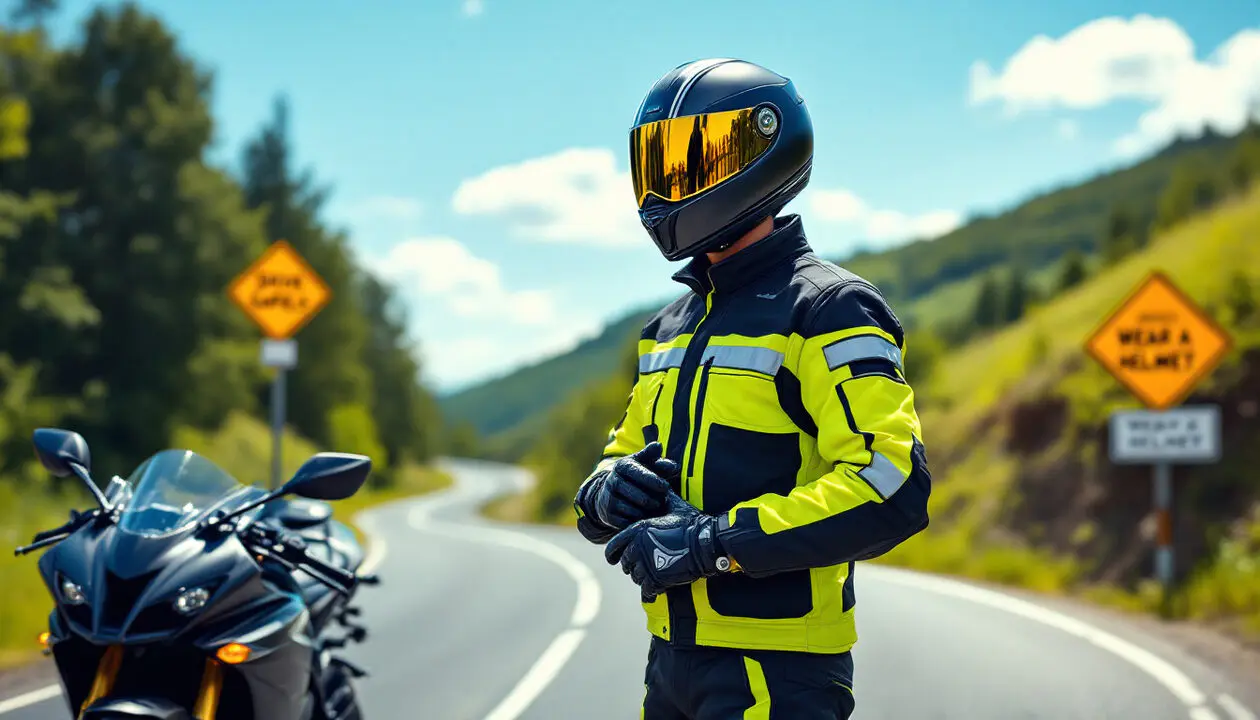
for motorcyclists cannot be underestimated. Indeed, this equipment plays a crucial role not only in
safety
, but also in the way riders perceive their driving. Thus, the use of an
approved helmet
,
gloves
, and other
appropriate protections
can transform their behavior on the road towards more responsible and cautious driving. Understanding this impact can help promote more effective safety practices among two-wheeler users.
The effect of protective equipment on rider behavior
Protective equipment is essential to ensure the safety of motorcyclists on the road. Its use can directly influence the behavior of riders, whether by increasing their confidence or by modifying their approach to driving. In this article, we will explore the advantages and disadvantages associated with the use of this protective equipment, in order to better understand its impact on rider behavior.
Advantages
Protective equipment offers a multitude of advantages that can transform the riding experience for motorcyclists. First of all, wearing an approved helmet significantly reduces the risk of head injuries in case of an accident. With better protection, riders feel more confident on the road, which can make them less anxious about potential dangers.
Moreover, being well equipped with jackets, gloves, and reinforced trousers tends to encourage riders to adopt more cautious driving behaviors. Being aware of their protection, they may be less inclined to take unnecessary risks, which ultimately contributes to reducing the number of accidents.
Disadvantages
disadvantages. One of the main issues is the diminished comfort sensation that some riders may experience. Indeed, heavy or poorly fitting gear can make riding less enjoyable, which could lead to more careless driving or distractions.
Finally, some riders may be pushed to adopt riskier behaviors, thinking that adequate protection allows them to ride more boldly. This mentality can introduce a false sense of security, potentially increasing the likelihood of accidents. A good balance between confidence and caution is therefore essential for every rider.
The effect of protective equipment on rider behavior
Protective equipment plays a crucial role in the safety of riders and also influences their behavior on the road. This article explores how wearing this equipment affects how two-wheeler users behave, focusing on essential elements such as the helmet, gloves, and safety textiles.
Importance of protective equipment
Wearing an approved helmet is crucial to ensure the safety of the motorcyclist. In case of a fall, a well-fitted helmet is essential to reduce the risk of head injuries. Additionally, studies show that riders who wear helmets are generally more cautious because they are aware of their vulnerability on the road. This encourages them to adopt more responsible driving behaviors.
Impact of gloves on behavior
Gloves are not only necessary to protect the hands but also improve grip on the motorcycle controls. Riders who wear gloves tend to better control their vehicle, which decreases the chances of reckless maneuvers. This simple action contributes to safer and more thoughtful riding.
Safety clothing and perception of risk
Wearing safety clothing, such as jackets and reinforced trousers, helps riders feel safer. This feeling of safety can encourage them to take calculated risks on the road, leading them to ride more confidently. However, it is essential to find a balance, as excessive confidence can also lead to reckless behavior.
Proactive safety behaviors
Riders equipped with adequate protection are often more inclined to adopt proactive behaviors, such as attending road safety courses or staying informed about the latest regulations. They are also more likely to participate in awareness campaigns about two-wheeler safety, which has a positive impact on the entire motorcycle community.
Effects of urban rodeos
Urban rodeos, often operated by young people without adequate safety gear, highlight the importance of responsible behavior. Road safety concerns not only the individual motorcyclist but also the community as a whole. By raising awareness among young riders about the importance of equipment, we can hope to reduce such reckless behaviors.
To delve deeper into the subject, you can consult resources like the FFMC website, which highlights the issues related to rider behaviors.
The effect of protective equipment on rider behavior
Protective equipment plays a crucial role in rider safety, not only by reducing injuries in the event of an accident but also by affecting their behavior on the road. This text will explore how this equipment impacts riders’ decisions and fosters a more cautious driving style.
The perception of safety
Wearing protective equipment, such as approved helmets and suitable clothing, provides a sense of safety to riders. This perception can encourage them to adopt more cautious driving behaviors. Indeed, when they feel protected, riders may be less inclined to take unnecessary risks, leading to a reduction in risky behaviors on the road.
Increased confidence with the right equipment
Having quality safety equipment can increase riders’ confidence in their driving abilities. For example, suitable gloves and boots improve motorcycle handling, encouraging riders to ride more calmly. This increase in confidence can also lead riders to avoid reckless decisions that could result in accidents.
The influence on decision-making
Well-equipped riders seem more aware of road constraints and the limits of their vehicle. This awareness promotes a more realistic assessment of driving situations and can lead to wiser choices, such as opting to avoid risky maneuvers and prioritizing safer roads. Thus, protective equipment plays a key role in riders’ decision-making.
Reduction in speed and aggressive behavior
Riders adequately equipped tend to reduce their speed, especially in difficult road conditions or during delicate maneuvers. Furthermore, a reduction in aggressive behavior has also been observed among these riders, contributing to creating a safer driving environment not only for themselves but also for all road users.
Encouragement for prevention and maintenance
Investing in quality protective equipment also encourages riders to be more attentive to the maintenance of their motorcycle. This attention to detail often extends to the regular checking of safety equipment, ensuring better overall performance. This can also foster a proactive mentality regarding road safety and accident prevention.
The effect of protective equipment on rider behavior
| Protective equipment | Impact on behavior |
|---|---|
| Approved helmet | Increases rider confidence and reduces the risk of fatal injuries. |
| Protective gloves | Provide better grip and prevent hand injuries, thus improving control. |
| Jacket with protective gear | Reduces anxiety in case of a fall and encourages more responsible riding. |
| Reinforced trousers | Reduces pain and injuries, encouraging more frequent rides. |
| Motorcycle shoes | Protecting the feet allows for feeling safer during stops and maneuvers. |
| Motorcycle airbags | Improve perceived safety, encouraging riders to adopt a more cautious driving style. |
The effect of protective equipment on rider behavior
Many riders agree that the choice of protective equipment has a significant impact on their way of riding. “With an approved helmet and protective gloves, I feel much more confident on the road,” testifies a 28-year-old rider. “It’s like having a second skin protecting me from dangers. It pushes me to adopt a more cautious driving style.” This change of perspective highlights the importance of feeling safe to better assess risks while riding.
Another rider, a mountain riding enthusiast, explains: “Since I invested in a leather jacket with built-in protection, I’ve noticed my concentration has improved. I no longer let myself be distracted by the fear of falling. I know my equipment protects me from potential injuries.” This phenomenon emphasizes how safety can encourage more responsible and attentive riding.
A young scooter rider also describes his experience: “The gloves I wear give me better grip on the controls, allowing me to maneuver more easily in traffic. I’ve also noticed that I’m less prone to reckless behaviors because I’m aware of my protection.” This testimony shows that well-suited gear can not only improve comfort but also positively influence driving behavior.
Finally, a seasoned rider discusses the psychological effect of his gear: “When I put on my helmet and my protections, I switch to ‘safety’ mode. It reminds me that I need to stay vigilant and respect the rules of the road. My equipment seems to act as a constant reminder of the need to take my driving seriously.” This awareness often translates into better safety for oneself and for other road users.
Introduction
Protective equipment plays a crucial role in rider safety. Not only do they reduce the risk of serious injuries in case of an accident, but they also influence the behavior of drivers on the road. This article explores the impact of protective equipment on motorcycle riding, highlighting their importance and psychological effects.
The importance of protective equipment
Protective equipment includes essential elements such as the approved helmet, reinforced jackets, gloves, and protective trousers. These equipment help minimize physical impact by reducing injuries, fractures, and skin or muscle abrasions. By wearing appropriate protective gear, riders increase their self-confidence, which can lead them to adopt more cautious behavior on the road.
The psychology of safety
Wearing safety equipment influences riders’ perception of risks. Indeed, a rider with complete gear is often more aware of their vulnerability, which drives them to adopt more defensive behaviors. This includes slower riding, respecting safe distances, and heightened attention to other road users.
This attitude can contribute to reducing the number of accidents, as protected riders are generally less inclined to take unnecessary risks. Their enhanced safety encourages them to be more responsible in their riding.
Risky behaviors
Unfortunately, some riders may adopt a paradoxical behavior. Feeling invincible thanks to their safety gear, they may be tempted to perform daring maneuvers or act recklessly. This can include excessive speeds, dangerous overtaking, or driving outside safety norms.
It is therefore essential to raise awareness among riders about the importance of responsible behavior and remind them that even with the best equipment, they remain exposed to road risks. Training and awareness campaigns can play a crucial role in this process.
Protective equipment and training
Specific training on the use of protective equipment can reinforce riders’ understanding of their importance. Such training allows sharing real experiences and discussing accident cases where wearing equipment could have made a difference. This approach could be particularly effective in changing attitudes and behaviors.
By integrating education on equipment and road safety, riders will better understand that protection should not be seen as a mere accessory but as an essential element of their safety and behavior on the road.
The impact of new technologies
Technological advancements have also led to the emergence of innovative protective equipment, such as integrated airbags in jackets, designed to offer additional protection without compromising freedom of movement. These new tools encourage riders to take their safety seriously and adopt a more cautious driving style.
Integrating technology into safety equipment can also enhance riders’ awareness of road hazards, thereby strengthening the culture of road safety. The rise of mobile apps that offer safe driving tips and updates on road conditions can also have a positive role.
The effect of protective equipment on rider behavior
Protective equipment plays a crucial role not only in physical safety but also in influencing riders’ behavior on the road. Wearing an approved helmet, gloves, and suitable clothing increases awareness of the vulnerabilities associated with motorcycling, often leading to more cautious driving behavior.
Riders who invest in quality equipment tend to have a better understanding of the risks associated with riding. They are often more attentive to safety rules and can avoid certain risky behaviors, such as excessive speed or reckless lane changes. This is partly because protective gear serves as a constant reminder of the importance of safety on two wheels.
Having protective equipment enhances the sense of safety for riders, which can paradoxically lead them to take additional risks, thinking they are invincible. This is why it is essential for riders to understand that protection does not replace cautious riding. Ongoing training in road safety is therefore indispensable to balance this feeling of security with a realistic view of dangers.
Moreover, studies show that well-equipped riders are more inclined to participate in road safety awareness activities, sharing their experiences and encouraging others to adopt safer behaviors. This creates a positive dynamic that fosters a culture of safety within the motorcycle community, thereby helping to reduce accidents and improve overall road safety.
The effect of protective equipment on rider behavior