
IN BRIEF
|
The world of motorcycles is undergoing a marked transformation, plunging two-wheeler enthusiasts into a fascinating dilemma: choosing between an electric motorcycle and a gasoline motorcycle. In 2025, this decision becomes more complex, not only due to technological advancements but also because of ecological issues, usage costs, and the driving sensations that are so highly sought after. Each option presents undeniable strengths, and it is essential to evaluate one’s needs and preferences to make an informed choice.
In 2025, the choice of an electric or gasoline motorcycle depends on various criteria, ranging from performance to ecological considerations. Each of these options presents specific advantages and disadvantages, which can make the decision complex. This article aims to clarify this topic by detailing the various aspects of these two types of motorcycles.
Advantages
Electric motorcycles are gaining popularity due to several advantages. First of all, their ecological aspect: they produce no direct CO2 emissions during use, making them a more environmentally friendly option. Additionally, usage costs are generally lower, as electricity is cheaper than fuel. Electric motorcycles also require less maintenance thanks to the simplicity of their technology, with no clutch or complex engine.
For gasoline motorcycles, the advantages mainly lie in their performance. They offer significantly higher autonomy, allowing for longer trips without interruption. Refueling is quick and easy, thanks to an extensive network of gas stations. Riders can also appreciate the authentic driving experience they provide, with the sound of the engine and the sensations of shifting gears, highly valued by enthusiasts.
Disadvantages
However, choosing an electric motorcycle may come with certain disadvantages. The battery range remains limited compared to gasoline motorcycles, which can pose a problem on long trips. Moreover, the time required to recharge an electric motorcycle can be a major drawback, especially in areas where charging infrastructure is still insufficient.
On the other hand, gasoline motorcycles have disadvantages that include a generally higher purchase price, as well as recurring operational costs associated with fuel and maintenance. The need for regular service intervals, such as oil changes, can also be burdensome.
In 2025, the motorcycle market is transforming, offering riders a crucial choice between electric and gasoline models. Each of these options presents advantages, challenges, and characteristics that can influence your decision. This article will help you understand the specifics, costs, maintenance, and driving sensations to make the right choice according to your needs.
The characteristics of electric and gasoline motorcycles
Electric motorcycles are attracting more and more enthusiasts due to their modernity and ease of use. They operate without a gearbox, offering a quiet and pleasant ride. Maintenance is limited since they contain fewer moving parts. However, the autonomy of the batteries remains a concern, particularly for long-distance trips.
Gasoline motorcycles, on the other hand, continue to charm those seeking thrilling sensations. Their combustion engine allows for superior autonomy and quick refueling. However, they require more frequent maintenance, including oil changes and filter replacements, which can be more burdensome for some users.
Cost analysis: purchase and usage
In terms of price, electric motorcycles are generally more expensive to purchase, although this trend may change due to technological advancements. However, their usage cost is often lower, since electricity is cheaper than fuel and maintenance costs are reduced.
Gasoline motorcycles are more affordable to purchase, but their operating costs can accumulate over time, including fuel, repairs, and maintenance. Additionally, financial aids may facilitate the adoption of electric models, such as grants or tax reductions.
Insurance: a necessity for your two-wheeler
Regardless of your choice, insurance is essential to secure your investment. This includes options tailored to the intended use, with various coverage levels. It is crucial to inquire about insurance options to ensure your protection, whether you choose an electric or gasoline motorcycle.
Performance and driving experiences
In terms of performance, electric motorcycles stand out with rapid acceleration and comfort when driving in urban environments. However, some riders may miss the sound and vibrating sensations that accompany gasoline models.
In contrast, gasoline motorcycles offer a more classic driving experience, with the characteristic noise and vibrations that bring an extra dimension to riding, especially over long distances.
Ecological impact: a choice criterion in 2025
Environmental sustainability is also a crucial aspect in the purchase decision. Electric motorcycles produce no direct emissions, making them ideal for those looking to reduce their carbon footprint. However, their impact largely depends on the source of electricity used and the materials employed in the manufacture of batteries.
Gasoline motorcycles emit greenhouse gases, but some recent models incorporate technologies aimed at reducing their ecological footprint. Moreover, the technical control, mandatory for motorcycles since 2024, adds an additional consideration regarding regular maintenance.
Choosing based on your specific needs
The choice between electric and gasoline motorcycles heavily depends on your usage. Electric motorcycles are perfectly suited for urban trips due to their agility and lower usage costs. They are ideal for daily commutes.
For longer trips or excursions, gasoline motorcycles remain the best option due to their greater autonomy and quick refueling capabilities. Thrill-seekers should also choose based on their preference between the modernity of an electric model or the authenticity of a gasoline model.
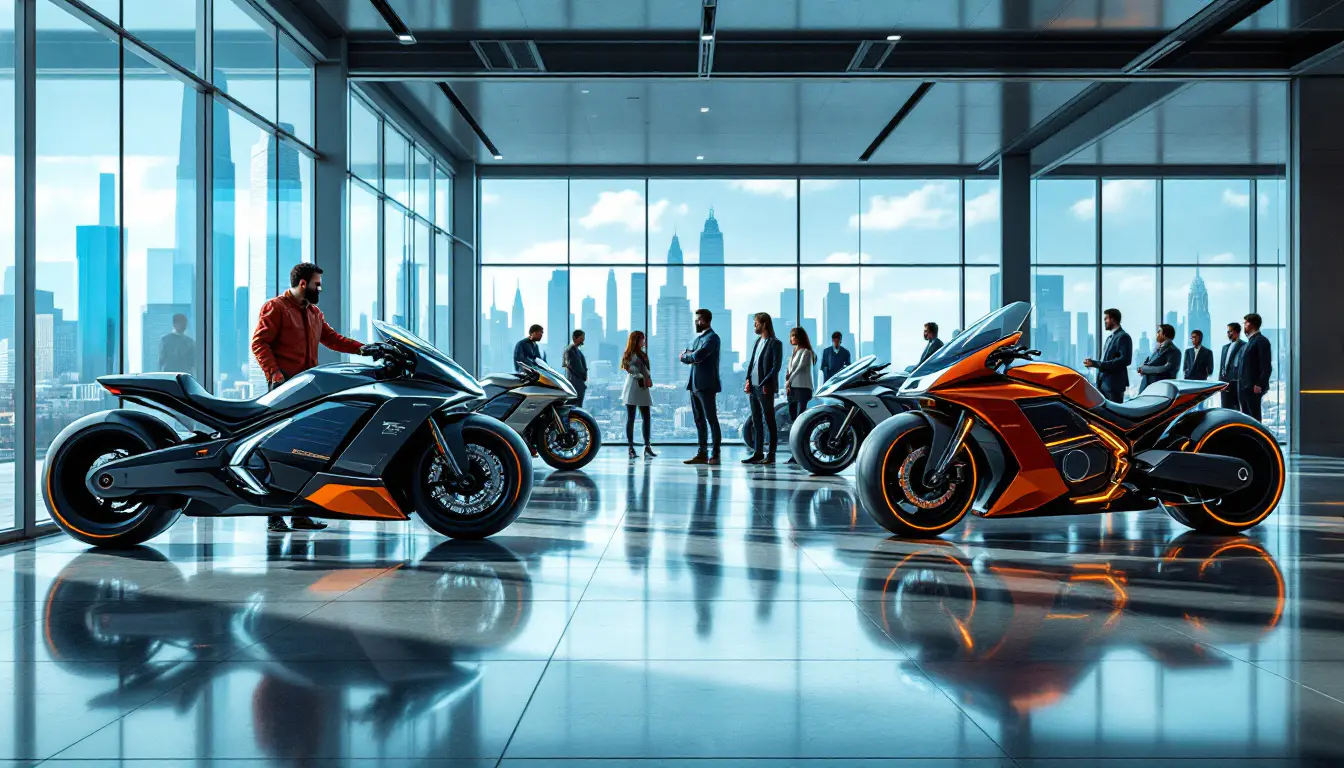
In 2025, the choice between electric and gasoline motorcycles becomes more complex. Riders must consider a range of elements such as costs, performance, environmental impact, and the nature of the intended use. This article guides you through these criteria to help you make the right decision for your next two-wheeled adventures.
The advantages of electric motorcycles
Electric motorcycles attract an increasing number of riders due to their simplicity of driving and low maintenance needs. With a direct drive motor, they offer smooth acceleration and are generally more silent than their gasoline counterparts. Additionally, their running costs are lower, both in terms of electricity and maintenance, as they have very few moving parts and do not require regular oil changes.
The advantages of gasoline motorcycles
Gasoline motorcycles, on the other hand, continue to be popular, especially among thrill-seekers. Their combustion engine offers superior autonomy and quick refueling times, making them ideal for long trips. While they require more frequent maintenance, they are often more affordable at purchase. Thanks to a well-established network of mechanics, their maintenance can be carried out easily.
Cost and usage criteria
The choice between the two types of motorcycles must also take financial aspects into account. Although electric motorcycles are more expensive to purchase, their running costs tend to be lower over time, thanks to savings on charging and minimized maintenance. In contrast, gasoline motorcycles can represent a less expensive purchase option, but fuel and maintenance costs can quickly add up.
Performance and driving sensations
Performance and driving sensations are also determining elements in your choice. Electric motorcycles stand out for their rapid acceleration and immediate responsiveness, making them perfect for urban driving. However, some riders may miss the sound and vibrations that are part of the appeal of gasoline motorcycles, known for their immersive driving experience.
Environmental impact and sustainability
The ecological impact is a key factor in 2025. Electric motorcycles have the advantage of not emitting CO2 during operation, which makes them ideal for reducing your carbon footprint. However, it is essential to consider the source of electricity used for their charging and the materials needed for their batteries. Gasoline motorcycles, despite technological advancements aimed at reducing their environmental impact, continue to emit greenhouse gases when in use.
What type of motorcycle for what use?
Finally, usage is a determining criterion. For daily urban trips, electric motorcycles are often favored due to their maneuverability and low operating costs. For longer trips and road trips, gasoline motorcycles remain a wise choice due to their autonomy and widely accessible refueling infrastructures. Depending on your driving preferences, whether for modern sensations or authentic emotions, it is essential to choose a motorcycle that meets your personal expectations.
Comparison between electric and gasoline motorcycles in 2025
| Criteria | Electric Motorcycle | Gasoline Motorcycle |
| Purchase Cost | Higher initially, but trend is decreasing | More affordable at purchase |
| Usage Cost | Electricity cheaper than fuel | Higher fuel and maintenance costs |
| Maintenance | Minimal, few moving parts | Regular maintenance, frequent revisions needed |
| Autonomy | Still limited for long trips | Superior autonomy and quick refueling |
| Driving Experience | Instant acceleration, quiet driving | Engine noise, gear shifting |
| Environmental Impact | No emissions during operation | Emits greenhouse gases |
| Ideal for | Urban and short trips | Long trips and adventure |
Testimonials on choosing between electric and gasoline motorcycles in 2025
Marc, urban rider: “For my daily trips in the city, I recently opted for an electric motorcycle. I am impressed by its maneuverability and the silence it offers. The ability to recharge it at home is a real plus. At first, I was worried about the range, but it is more than sufficient for my daily needs. Plus, I am saving on usage costs, which is a real bonus!”
Claire, long-trip enthusiast: “When it comes to traveling, I much prefer my gasoline motorcycle. The range is much greater, and it is easy to find a gas station to fill up wherever I am. I also enjoy the noise and vibrations that are an integral part of the driving experience. For me, the performance and character of a gasoline motorcycle are irreplaceable.”
Sophie, environmentally conscious: “I chose an electric motorcycle for ecological reasons. With the environmental impact of gasoline motorcycles, I feel better knowing that I’m doing my part for the planet. Understanding the new technologies and innovations in the electric sector really convinced me. Although the driving experience is different, I’m happy to contribute to a more sustainable future.”
Julien, thrill-seeker: “For me, nothing beats a gasoline motorcycle. I enjoy the excitement of speed and the sound of the engine that brings me incredible adrenaline. Electric motorcycles are interesting, but I find they lack that authenticity. When it comes to driving pleasure, it has to be truly physical and emotional!”
Vanessa, cost-conscious: “Considering the long-term costs, I recently made the switch to an electric motorcycle. Fuel and maintenance expenses are so much lower. Even though the initial purchase may be a bit high, I am convinced it will pay off in a few years. With the discounts I was able to get, my decision was made easier.”
As the two-wheeled market evolves, the choice between an electric motorcycle and a gasoline motorcycle becomes increasingly complex. Riders now have to consider varied criteria such as performance, cost, environmental impact, and their personal driving preferences. This article explores the specifics of each option to help you make an informed choice.
The characteristics of electric motorcycles
Electric motorcycles attract a growing clientele thanks to their modern design and ease of use. Unlike gasoline models, they offer a quiet ride and a direct transmission, eliminating the need for a gearbox. The main advantage lies in their low maintenance needs, as these motorcycles do not have complex mechanical elements like a clutch or a combustion engine. Additionally, they can be easily recharged at home or in public infrastructure.
However, while the autonomy of electric models has improved significantly, it remains an aspect to consider, especially for those planning long trips. Charging time and the availability of stations can also pose questions.
The advantages of gasoline motorcycles
Gasoline motorcycles, on their part, continue to charm lovers of thrills and tradition. Thanks to their internal combustion engine, they offer an excellent level of autonomy and quick refueling at any gas station. This is a valuable asset for long-distance travel, especially in areas where infrastructure for electric vehicles is still limited.
However, it is crucial to be aware that gasoline motorcycles require more complex regular maintenance, particularly concerning oil changes and filter replacements. Therefore, easy access to repair services is essential to ensure their long-term functionality.
Acquisition and maintenance costs
Regarding costs, electric motorcycles generally have a higher initial purchase price than their gasoline counterparts, although this trend is starting to reverse thanks to technological advancements. Their usage costs, however, are significantly lower, as electricity is more economical than fuel and maintenance is less demanding.
Conversely, while purchasing a gasoline motorcycle is more accessible, it can incur high recurring costs due to fuel purchases and frequent repairs. It is also worth noting that there are subsidies and tax incentives for purchasing electric motorcycles, which can alleviate the initial cost.
Environmental impact and versatility
Sustainability and environmental impact play an increasingly important role in the purchase decision. Electric motorcycles do not generate CO2 during operation, making them ideal in terms of environmental respect. However, their manufacturing and the sources of electricity used for recharge are factors to take into account.
As for gasoline motorcycles, although they emit greenhouse gases, they benefit from technological advancements aimed at reducing their ecological impact. Consequently, your choice will largely depend on your commitment to sustainable practices.
Choice based on usage
The type of motorcycle chosen will largely depend on the intended use. For predominantly urban driving, electric motorcycles prove practical due to their maneuverability and low operating costs. In contrast, for those planning long-distance travel, gasoline motorcycles remain the best option.
Ultimately, the decision between an electric motorcycle and a gasoline motorcycle in 2025 will be guided by your personal priorities, driving preferences, and lifestyle.
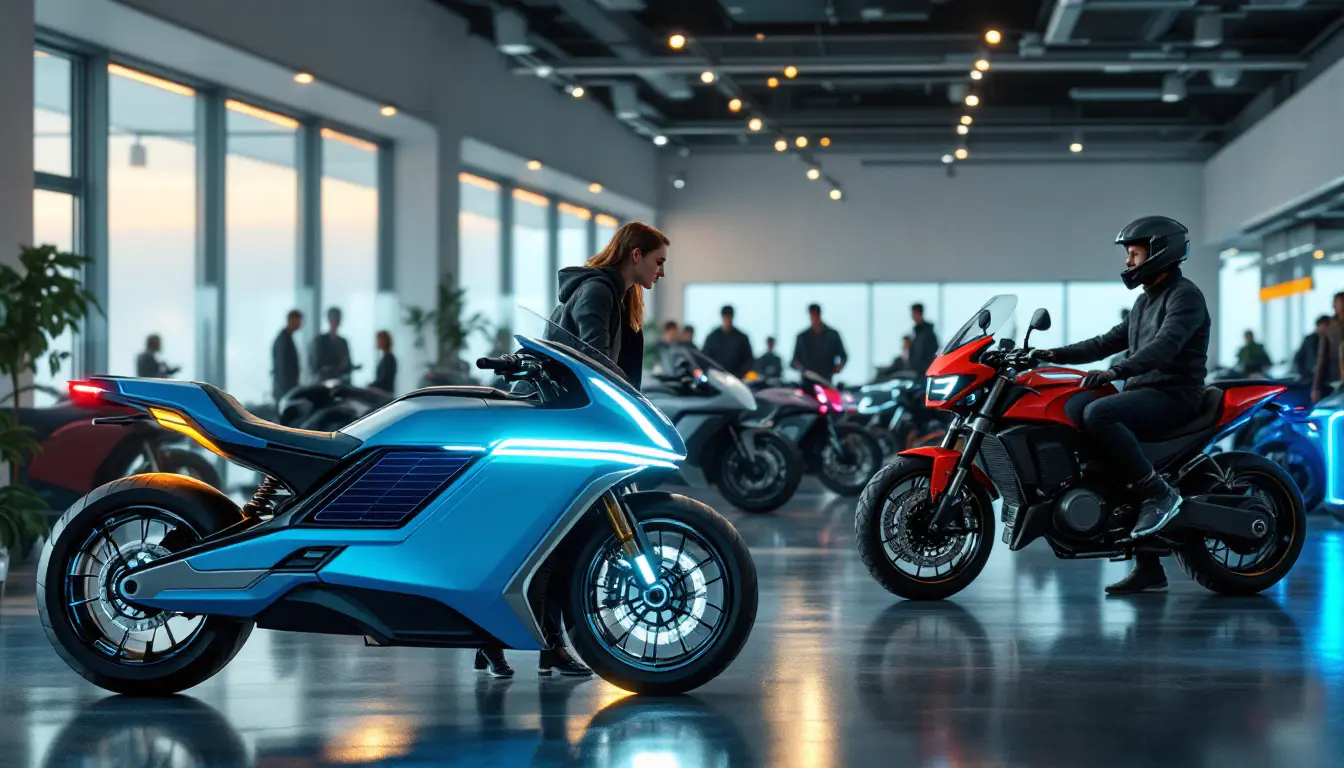
The motorcycle market in 2025 offers a vast array of options, making the choice between electric and gasoline models increasingly complex. Each type of motorcycle presents unique characteristics that can redefine the riding experience according to your preferences and needs. On one hand, electric motorcycles, known for their ease of use and low operating costs, attract many environmentally conscious riders. Their silence and reduced maintenance are undeniable assets, particularly for those who make daily urban trips.
On the other hand, gasoline motorcycles continue to appeal to enthusiasts with their performance and character. They excel in terms of autonomy and provide a more traditional and immersive driving experience. Sensation seekers appreciate the roar of engines and the vibrations accompanying each turn, creating a unique connection with the road.
In terms of costs, while purchasing an electric motorcycle may initially be more expensive, savings in fuel and maintenance can offset this investment in the long run. Conversely, while gasoline motorcycles are immediately financially accessible, they can lead to higher ongoing usage costs.
The environmental impact is also a crucial factor in this decision. With a focus on reducing CO2 emissions, electric motorcycles represent an attractive option for those wishing to minimize their ecological footprint. Lastly, it is essential to consider your own needs and driving style to make the most judicious choice. Whether for city rides or long journeys, the ideal scenario is to choose a motorcycle that will accompany you throughout your adventures.
FAQ on choosing motorcycles in 2025: Electric or gasoline


