
IN BRIEF
|
The proper storage of your motorcycle is essential to ensure its longevity and proper functioning. Whether you need to put it away for the winter or need storage space for an extended period, it is crucial to know the best practices to follow. By adopting appropriate methods of preparation, maintenance, and protection, you can safeguard your vehicle from the elements, prevent humidity, and ensure it is in optimal condition for your next ride. Discover the key tips that will allow you to store your motorcycle safely and make the most of it.
Storing a motorcycle is crucial for ensuring its longevity. Indeed, appropriate preparation and the adoption of the best practices allow you to keep your ride in perfect condition, even during long periods of inactivity. This article highlights the advantages and disadvantages associated with different storage methods to ensure the safety and performance of your vehicle.
Advantages
Using appropriate methods to store your motorcycle has many advantages. First, secure storage in a garage or specialized shelter protects your motorcycle from the weather and the risk of theft. This reduces the impact of external elements such as rain, sun, and snow, which can degrade materials and components.
Furthermore, prior maintenance, such as a thorough cleaning and the addition of quality oil, helps maintain your motorcycle’s performance. Up-to-date fluids, properly inflated tires, and checking fluid levels ensure proper functioning during reactivation. Tips like adequate ventilation also help prevent moisture risks, thus avoiding rust and mold formation (learn more).
Disadvantages
However, these practices have some disadvantages. For example, the cost of suitable storage space can represent a significant investment. It is important to choose a location that offers a good level of security, which can sometimes require a substantial budget. Additionally, the preparation process can be tedious, necessitating several steps to ensure your motorcycle is ready for winterization.
Finally, despite all precautions taken, the risk of damage still exists, whether from an accident during handling or from neglect in maintenance. Therefore, it is essential to remain vigilant and follow storage instructions to maximize the protection of your two-wheeled vehicle (more details here).
Proper storage of your motorcycle requires special attention to ensure its optimal condition. Whether for the winter or for an extended period, it is essential to follow certain steps to avoid damage. In this tutorial, we will provide you with practical tips to effectively preserve your two-wheeler.
Preparation of the motorcycle before storage
Before storing your motorcycle, it is crucial to perform a complete maintenance. This includes checking oil, brake fluid, and fuel levels. It is recommended to use synthetic oils that provide better protection without needing to invest in high-end products. Feel free to follow these maintenance steps to ensure the longevity of your motorcycle.
Choosing the storage location
The choice of location is essential for the safety of your motorcycle. It is best to opt for a dry, clean, and ventilated place. An appropriate storage unit can be an excellent option, provided it is well secured. Make sure to check that the space is free of moisture to avoid corrosion.
Ventilation and humidity prevention
To avoid any risk of humidity, ensure that your motorcycle is well-ventilated during storage. Use breathable protective covers instead of airtight plastics that can trap moisture. This is particularly important if you do not have access to a covered storage space.
Tire and battery protection
Don’t neglect your motorcycle’s tires during storage. It is advisable to elevate them by placing the motorcycle on stands to avoid flattening. Additionally, disconnect the battery to prevent it from fully discharging. Regular maintenance of the battery is a good way to ensure it remains in good condition for the next use.
Winterizing your motorcycle
If you are storing your motorcycle during the winter, it is important to perform winterization. Clean the motorcycle, apply a corrosion inhibitor, and ensure all paints are protected. For more details on winterization, refer to this practical guide on winterizing your motorcycle.
Inspection before reactivation
When you are ready to use your motorcycle after a period of storage, perform a thorough inspection. Check fluid levels, brakes, and tires. Good preparation will ensure a safe return to the road. For the different types of motorcycles and their maintenance, explore this article on each type of motorcycle.
By following these best practices, you will ensure the safety and longevity of your motorcycle, allowing you to ride confidently at each opportunity. For more information and tips, feel free to consult the links provided throughout this article.
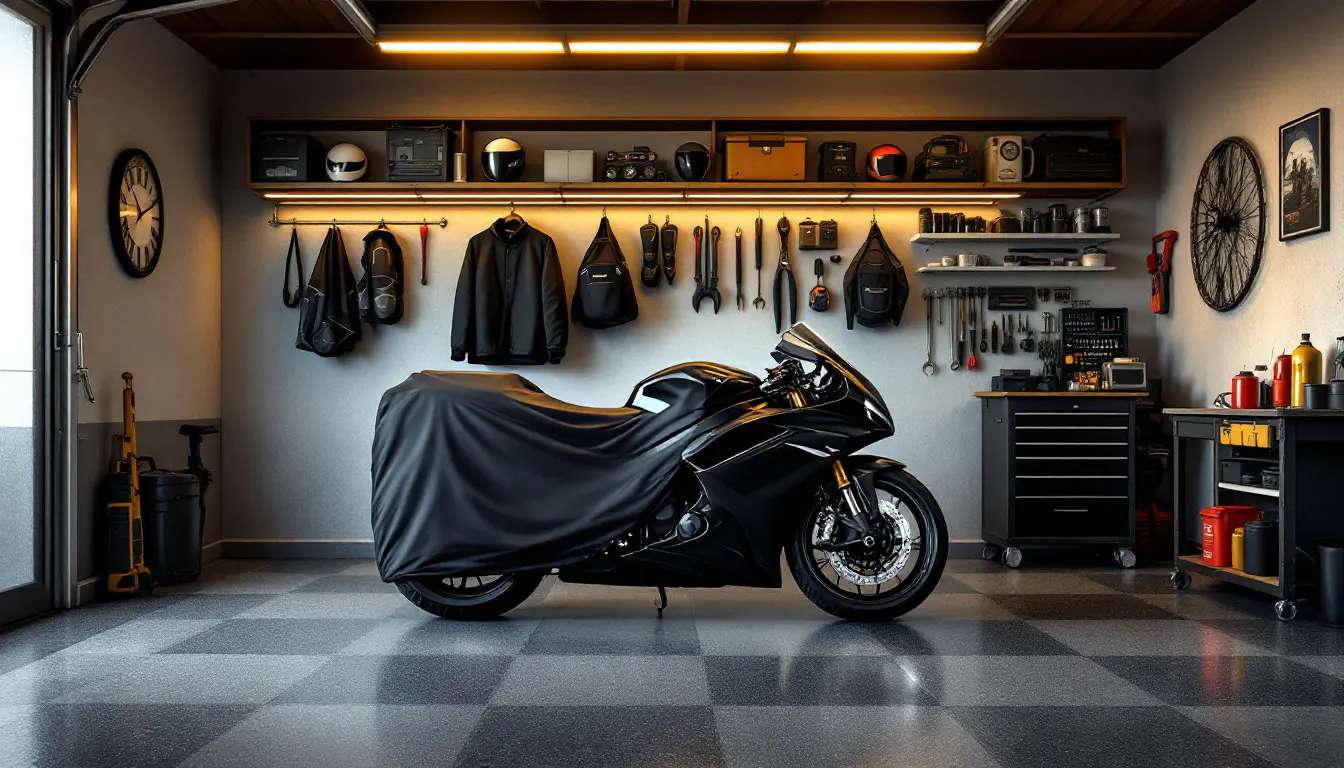
The proper storage of your motorcycle is crucial to preserve its condition and ensure its longevity. Whether you wish to put it into hibernation during the winter or simply protect it during prolonged periods of non-use, there are effective methods that will guarantee your ride remains in excellent condition. In this article, we offer practical tips for storing your motorcycle, from preparation to preservation.
Preparation of your motorcycle before storage
Before storing your motorcycle, meticulous maintenance is essential. Clean it thoroughly to remove any dirt and residue. Next, perform a complete check of all fluids, including oil and brake fluid. Fill the fuel tank to avoid condensation and add a fuel stabilizer to protect the fuel system. Always follow the manufacturer’s specifications for lubricants to be used. For more information on care for tires, see this article.
Choosing an appropriate storage location
The choice of location for your motorcycle is equally crucial. It is best to store it in a dry, cool, and well-ventilated place. Avoid humid locations, as moisture can cause corrosion and damage. If possible, opt for a suitable shelter that will protect from the weather. For more practical storage advice, you can read this guide.
Using effective protections
Investing in protective covers is an excellent strategy to keep your motorcycle safe. These covers prevent dust and moisture from accumulating on the surface of your two-wheeler. To learn more about the different types of protective options available, click here.
Regular checks during storage
During storage, it is advisable to regularly check your motorcycle. Inspect the levels of fluids and tires, and look for any signs that might compromise it; paying particular attention to preparation can help prevent future issues.>
Reactivation of the motorcycle after storage
When the time comes to take your motorcycle out of storage, it is essential to perform an appropriate reactivation. Check all fluids again, pay attention to the tire pressure, and test the functions of the lights and brakes. Ensure everything works correctly before hitting the road. Before leaving, also think about your safety by preparing to face challenging conditions, as outlined in this article.
Best practices for storing your motorcycle
| Practices | Tips |
| Preparation of the motorcycle | Change the oil and fill the tank). |
| Using a cover | Opt for a breathable cover to avoid moisture. |
| Choosing the location | Store in a dry and secure place. |
| Ventilation | Ensure good air circulation to prevent rust. |
| Tire preparation | Elevate the motorcycle to avoid flattening the tires. |
| Fluid checks | Regularly check fluid levels. |
| Theft protection | Invest in a good locking system. |
| Winterization | Establish a maintenance routine before winter. |

Testimonials on the best practices for storing your motorcycle
When I bought my first motorcycle, I didn’t really know how to store it properly. After some advice from a friend, I understood the importance of adequate preparation. Before winterizing my motorcycle, I emptied the fuel tank and added a stabilizer. This really preserved the condition of my machine for several months without rusting or deteriorating.
Ventilation is crucial during storage. I made the mistake of parking my motorcycle in a closed garage without air circulation. As a result, a lot of moisture accumulated, and I noticed signs of corrosion. Since then, I prioritize a well-ventilated space, which has significantly helped keep my motorcycle in great shape. I even make sure to use suitable protective covers to prevent any moisture infiltration.
I also discovered that taking care of the tires is essential. Before storing my motorcycle, I always check the tire pressure and, if possible, lift the motorcycle to prevent the tires from deforming. This small gesture makes a big difference and keeps the motorcycle ready to hit the road as soon as I restart it.
Having appropriate accessories for storage is crucial. I invested in a motorcycle stand and a weather-resistant protective cover. This has been an excellent choice to secure my motorcycle from the elements and thieves. I recommend that all motorcyclists consider these investments to protect their valuable machine.
In summary, storing a motorcycle should not be taken lightly. Thanks to these practices that I have put in place, I can proudly say that I have a motorcycle in very good condition, ready to hit the roads whenever I get the chance. Every motorcyclist should consider these tips to ensure the longevity of their ride.
The storage of a motorcycle is a crucial step to ensure its longevity and proper functioning. Whether for winter or for a long period, it is essential to follow certain recommendations to effectively protect your two-wheeled vehicle from external elements. This article presents a comprehensive guide to the best practices to adopt for the storage of your motorcycle.
Preparation of the motorcycle before storage
Before proceeding to storage, it is essential to prepare your motorcycle. First of all, start with a thorough cleaning. Removing dirt, bugs, and grease residues will help preserve the paint and chrome surfaces.
Next, consider performing a complete maintenance. Check the oil, brake fluid, and fuel levels. Replace the oil if necessary, as used oil can contain contaminants that will damage your engine in the long run.
Choosing the storage location
The choice of location for the storage of your motorcycle is crucial. If possible, prioritize a garage or a dry, covered place to avoid exposure to the weather. If you do not have access to a garage, a protective cover can be used to cover your motorcycle.
It is also important to ensure that the space is well-ventilated. Good ventilation will prevent the risks of humidity and corrosion. Avoid humid places, as moisture can cause rust and damage the internal components of your motorcycle.
Using protective devices
For maximum security, consider investing in suitable protection solutions. Use a quality lock to deter theft. Inflatable storage chambers can also be an excellent option to protect your motorcycle from external elements and accidental damage.
Also, remember to disconnect the battery and store it in a safe place. This will prevent discharge and prolong its lifespan. It is recommended to use a smart charger to keep the battery in good condition during non-use periods.
Regular checks while in storage
Once your motorcycle is stored, it is important to perform regular checks. Check the condition of the tires, the fuel level, and make sure no problem develops. Tire pressure can decrease over time, so it is advisable to inflate them if necessary.
Moreover, watch out for possible humidity or corrosion, and act quickly if you notice any signs of deterioration. If your motorcycle is exposed to extreme weather conditions, plan regular visits to inspect its condition.
Preparation for reactivation
When you are ready to take your motorcycle out of storage, a thorough check is essential. Inspect all fluids and check the proper functioning of the brakes. Recharge the battery and do a complete check of your vehicle to ensure everything is in order.
Finally, don’t forget to take a test ride over a short distance to get used to riding after an extended period of inactivity. A great adventure on the road awaits you, and by following these storage tips, your motorcycle will be ready to be your faithful companion.
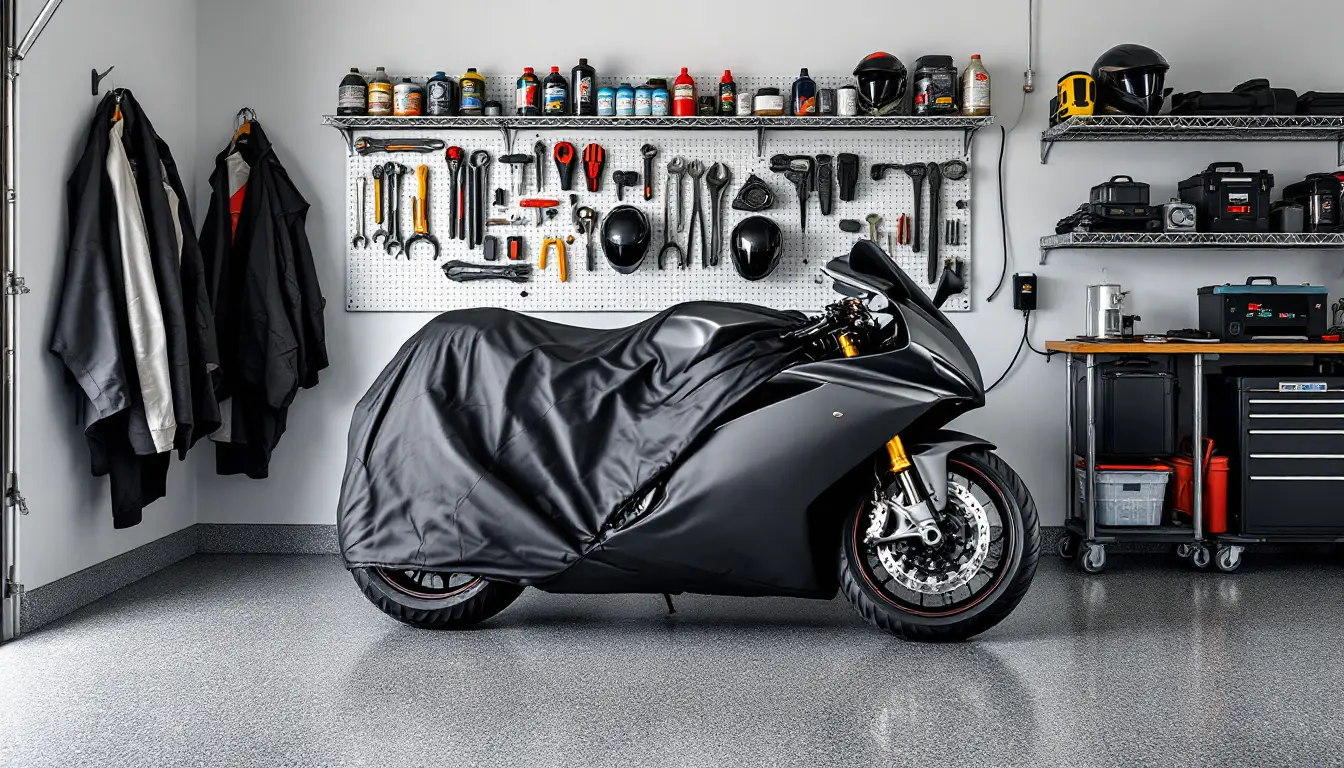
The storage of a motorcycle is a crucial step to ensure its durability and proper functioning. Adopting the best practices during this phase can make all the difference in the longevity of your two-wheeler. First and foremost, it is essential to choose a suitable location. A cool, dry, and well-ventilated place is ideal to avoid moisture accumulation that could damage key components like bearings or the electrical system.
Before putting your motorcycle into prolonged storage, it is important to perform thorough maintenance. This includes changing the oil, filling the fuel tank with a stabilizer to avoid oxidation, and checking brake fluid levels. These preventive actions will help avoid operational problems when you resume riding.
To protect your motorcycle from the elements and accidents, invest in a quality protective cover suitable for your vehicle’s size. This will not only help preserve the paint but also prevent corrosion. Additionally, consider elevating your motorcycle on stands or pylons to avoid tire deformation.
Finally, remember the ventilation. When a motorcycle is stored in a closed space, it is crucial to maintain good air circulation to reduce humidity risks. By following these practical tips, you will be able to keep your motorcycle in excellent condition and ready to hit the road as soon as the time comes.
FAQ on Storing Your Motorcycle
What are the best practices for storing my motorcycle? It is essential to carefully prepare your motorcycle before storage. This includes thorough cleaning, draining fluids, and using an appropriate protective cover.
Why is it important to choose a good location for storage? A good location will protect your motorcycle from the elements, humidity, and thieves. Prefer a dry, ventilated, and secure shelter to avoid damage.
What are some tips for avoiding humidity during storage? Ensure the location is well-ventilated. Use moisture absorbers and regularly check the condition of your motorcycle.
How should I prepare my motorcycle for winter? For winterization, do not forget to fill the fuel tank with a stabilizer, check the oil, and disconnect the battery to charge it indoors.
What are the signs that my motorcycle needs maintenance before storage? If you notice leaks, tire wear, or low fluid levels, it is crucial to perform maintenance before storing it.
Should I invest in a protective cover for my motorcycle? Yes, a quality protective cover can prevent damage from dust, moisture, and UV rays, which is essential for preserving your vehicle.
Can I leave my motorcycle battery connected during storage? No, it is advisable to remove the battery and store it in a dry place. Remember to recharge it regularly to avoid deep discharge.
How can I keep my tires in good condition during storage? To preserve your tires, inflate them to the recommended pressure and avoid exposing them to direct sunlight. Also, consider rotating them occasionally.
Are there common mistakes to avoid when storing my motorcycle? Yes, not cleaning your motorcycle before storage, forgetting to check fluid levels, or not protecting it against humidity are common mistakes.
How long can I leave my motorcycle stored without using it? Generally, it is recommended not to exceed six months without running your motorcycle. However, good preparation and regular maintenance can extend this period.


