
IN BRIEF
|
Preparing a group ride can seem intimidating, but with proper organization, it can turn into a rewarding and enjoyable experience. One of the first essential steps is to define clear goals and assess the abilities of each participant. By gathering a group of friends who share a common passion for nature, it’s possible to create a positive dynamic. It’s also crucial to choose a route suitable for everyone while ensuring everyone’s safety. By following some practical tips, you will be able to have a memorable adventure under the best conditions.
Preparing a group ride is essential to ensure an enjoyable and smooth experience. In this article, we will examine methods to effectively prepare, detailing the advantages and disadvantages of such a collective adventure to ensure everyone has a memorable outing.
Advantages
Preparing effectively for a group ride offers numerous advantages. First, it fosters team spirit and strengthens the bonds between participants. By planning together, each member can express their expectations and preferences, which helps create a harmonious atmosphere.
Another advantage is safety. When you are in a group, the risks associated with a breakdown or injury can be mitigated. Group members can support each other and manage emergency situations together. Moreover, it is easier to stay alert on the road, as each rider can monitor the behavior of the others.
Finally, proper preparation can also enhance the overall experience. By choosing a route appropriate to the skills and desires of each individual, it becomes possible to fully enjoy the ride without tension or stress. The group dynamic becomes a real asset for exploring new landscapes together.
Disadvantages
Despite the advantages, some disadvantages can arise when preparing a group ride. One of the main aspects to consider is managing the differences in ability. Each participant may have varying levels of experience, which can lead to frustrations or delays. It’s crucial to assess everyone’s skills well to prevent these situations.
Additionally, the need for coordination can sometimes complicate planning. Organizing transportation, accommodation, and meals requires time and effort. This can be particularly challenging if the group is large or if members’ availability does not align.
Lastly, some individuals may experience fatigue during long rides. When preparing for an extended outing, it’s essential to consider breaks and pacing to avoid having any member feel exhausted or uncomfortable.
Preparing for a group ride requires careful planning and good organization to ensure the safety, enjoyment, and cohesion of all participants. In this article, we present the essential steps for effectively planning your outing, taking into account everyone’s expectations and logistical needs.
Establish a common goal
Before you embark on organizing your ride, it is crucial to establish a common goal. Discuss with your group members to understand their expectations and levels of experience. This will allow you to choose a destination and a route suitable for everyone’s abilities.
Choose the appropriate route
The choice of route is a fundamental step to ensure a successful experience. Think about selecting a path that provides everyone with a good balance between challenges and enjoyment. It may be helpful to consult online resources for suggestions of routes that match your group.
Prepare the materials and equipment
Before your departure, ensure that each participant has the necessary equipment for the ride. This includes appropriate clothing, comfortable shoes, and of course, all essential tools for the motorcycle or mountain bike if you are on two wheels. Don’t forget to bring safety items like a first aid kit.
Organize transport and meals
Consider the logistics of your outing: how will you get to the departure point? It is often more practical to arrange carpooling or rent a suitable vehicle. Additionally, anticipate meal breaks by planning what to eat and drink during the ride. A good shared meal can strengthen the group’s cohesion.
Communication and coordination
Communication is essential to ensure the safety of the ride. Plan meeting points and rules of conduct to be followed throughout the journey. In case of an emergency, it is also important that all members know how to react and where to gather to ensure everyone’s safety.
Group influence on the experience
A group hike always adds an enriching social dimension. By sharing moments together, the members of the group create memories and strengthen their bond. However, be sure to maintain a pleasant pace for everyone, taking individual needs into account while remaining flexible.
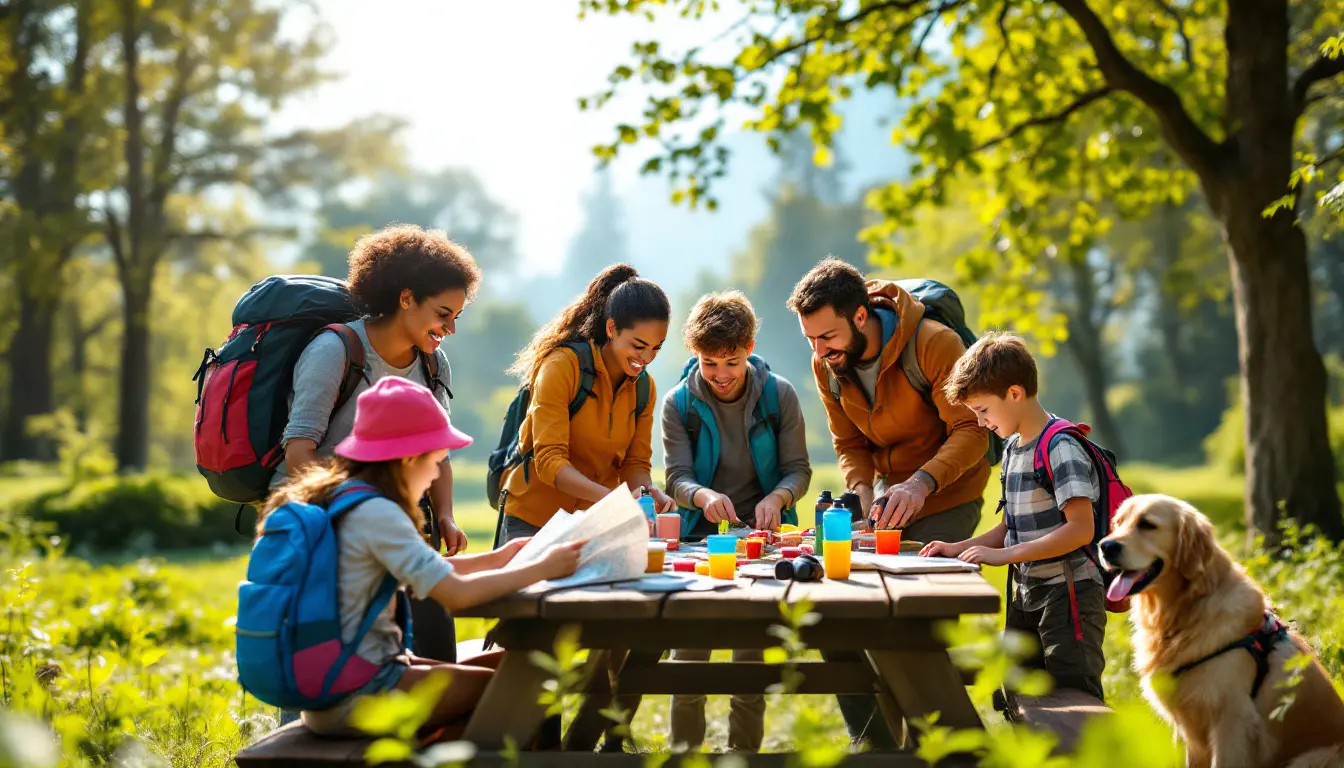
Being well-prepared for a group ride is essential to ensure the safety and enjoyment of all participants. This involves good planning, clear communication, and special attention to everyone’s needs. Here are some practical tips to guarantee an unforgettable experience during your outdoor adventure.
Define the goals of the ride
Before diving into the organization, it is crucial to define the goals of your hike. Discuss with the group members their expectations and what they hope to achieve. This may include the desire to discover new landscapes, to get fit, or simply to have a good time together.
Choose the right route
An appropriate route is essential to ensure that every member of the group can enjoy the hike. Consider the experience levels and physical condition of each participant to choose a path that is accessible while providing sufficient challenges to keep everyone motivated.
Organize the logistics
Make sure all logistical elements are covered, such as transportation, accommodation, and food. Plan how you will get to the starting point of the hike and, if necessary, organize cost-sharing. Also anticipate the need for additional equipment, such as snacks and water.
Prepare the participants
Inform your companions about appropriate clothing to wear, necessary gear, and safety equipment. Nothing beats good preparation in advance to ensure everyone’s comfort and safety. Encourage participants to respect their own limits.
Ensure communication and coordination
During the hike, a clear communication system is essential. Take the time to discuss regrouping points in case of separation, safety guidelines, and how to manage unexpected events like injuries or changes in the route. Everyone should know what to expect.
Prepare for the unexpected
Always being ready to face the unexpected is good practice. Have a first aid kit and repair tools available to deal with potential accidents or delays. Peace of mind is essential for fully enjoying your hiking experience.
Enjoy the experience
Finally, remember that hiking is primarily an enriching experience. Take the time to appreciate the landscapes, talk with your fellow travelers, and create wonderful memories together. You can also check out some useful resources, such as this article on how to organize a group hike or good preparation practices.
Preparation for a group ride
| Preparation Focus | Details |
| Choice of destination | Opt for a route suitable for the abilities of all participants. |
| Establishing a route | Prepare a detailed plan with points of interest and breaks. |
| Brief exchanges | Conduct a briefing on safety rules and expectations. |
| Necessary equipment | Check that everyone has the required gear (clothing, water, food). |
| Transport management | If necessary, organize vehicles to reach the starting point. |
| Physical preparation | Encourage participants to train a few days prior. |
| Group communication | Establish contact methods in case of separation. |
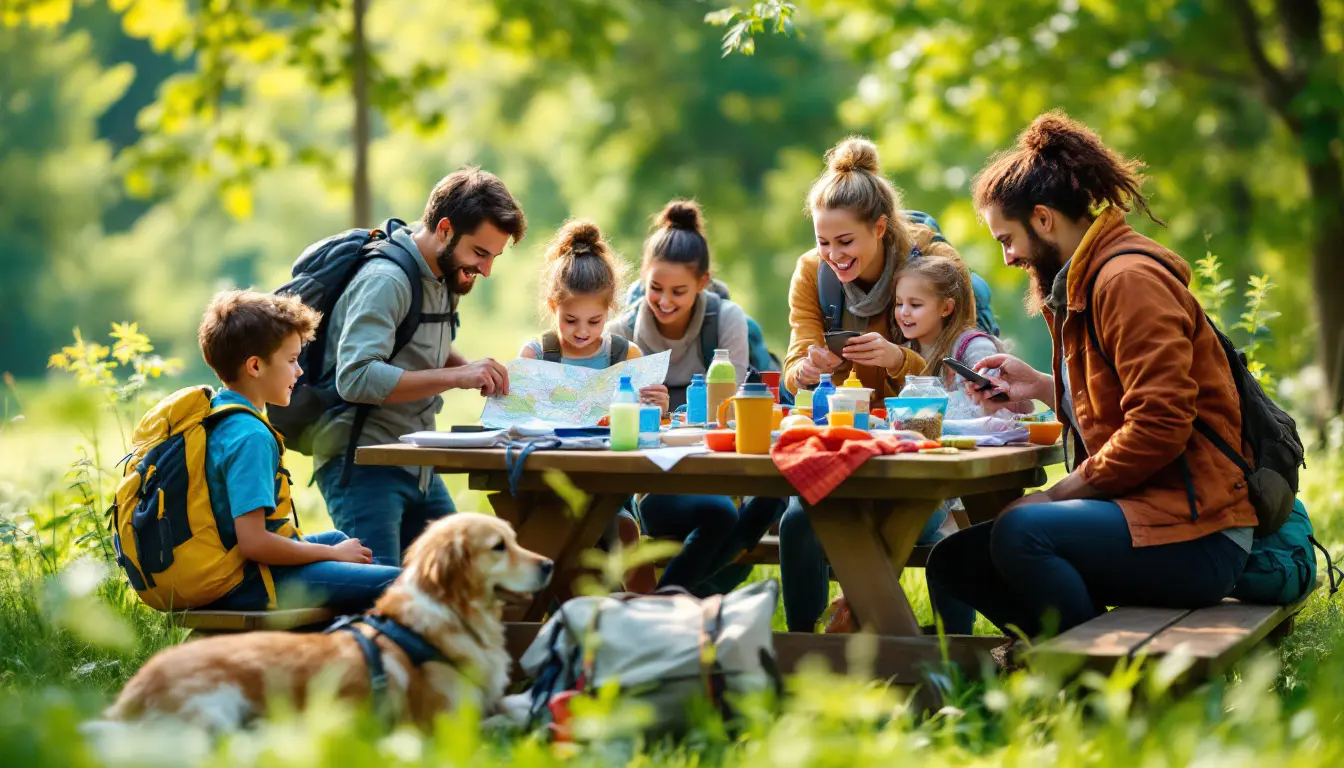
Testimonials on effective preparation for a group ride
Before embarking on a group ride, it is essential to discuss everyone’s expectations. During our last outing, we took the time to gather and share our preferences regarding the route and pace. This helped establish cohesion among group members and avoid misunderstandings during the hike.
To ensure that everyone is comfortable, it is crucial to define each participant’s abilities. A friend conducted a survey on everyone’s fitness level, which allowed us to choose an appropriate itinerary. This not only guaranteed everyone’s safety but also contributed to making the ride more enjoyable.
Coordinating regarding transport and accommodation is not always easy. For our last hike, we created a discussion group, which greatly facilitated the organization. Everyone was able to propose solutions and ideas that were quickly approved, making the preparations much smoother.
Another aspect not to be overlooked is the preparation of equipment. We agreed to create a checklist a few days before the outing. This allowed everyone to adequately prepare their gear, ensuring that no one forgets essential items like water bottles, snacks, or first aid equipment.
To communicate effectively during the outing, we implemented a signal system and reminders to ensure everyone’s safety. Each member was informed of the basic rules to follow in case of problems, allowing us to stay calm while enjoying our ride.
Finally, a group briefing at the start is essential. This allowed us to review the route, outline safety points, and discuss breaks. By doing this, we put all participants on the same wavelength, enhancing the enjoyment of walking together.
Effective preparation for a group ride
Organizing a group ride can be as enriching as it is challenging. To ensure the success of your outing, it is essential to prepare in advance. This article presents practical recommendations for planning and executing your adventure while maintaining safety and a good atmosphere within the group.
1. Define the goals of the ride
Before you embark, it is crucial to discuss with the group members to clearly define the goals of the ride. What do you wish to accomplish? Is it simply a recreational outing, an exploration of new trails, or a session of natural discoveries? Together, establish a common vision for your adventure to ensure cohesion within the group.
2. Choose a suitable route
Once your goals are set, you need to choose a route that matches everyone’s abilities. Consider the experience level of the participants, their physical condition, and the distance to be traveled. Use online resources or hiking apps to assess the various options. It is also advisable to plan alternative routes in case of unexpected circumstances.
Points of interest and breaks
Don’t forget to include points of interest along your route, such as viewpoints, historical sites, or resting areas. Plan for regular breaks to allow participants to rest, hydrate, and interact. This helps maintain a friendly atmosphere and fully enjoy the outing.
3. Organize the logistics
The success of a ride also depends on logistical organization. Think about the transportation needed to reach the starting point and for the return journey. If the ride requires specific equipment or materials, ensure each member is well informed about what they need to bring. Establish a checklist to avoid forgetting essential items.
4. Prepare the participants
Communicate clearly with group members about practical aspects such as necessary equipment, appropriate clothing, and safety guidelines. Encourage everyone to physically prepare for the effort ahead by training if necessary. It is also imperative to emphasize the importance of adequate equipment, such as a good pair of shoes, water, and possibly nutritious snacks.
5. Manage the unexpected
Despite all your planning, unexpected situations can arise along the way. Be prepared for group members who may encounter difficulties or unfavorable weather conditions. Stay flexible and know how to adjust your program if needed. Having a backup plan will allow you to handle unexpected situations more calmly.
6. Ensure communication within the group
Communication is essential for conducting a group ride harmoniously. Create a communication channel such as a discussion group to share details and allow participants to ask questions before the outing. During the ride, ensure everyone is well-informed about decisions made, such as the pace of walking or breaks.
7. Respect safety and the environment
Lastly, safety should be a priority. Remind participants to follow safety rules when hiking, such as staying on marked trails and not straying from the group. Additionally, ensure to preserve the environment by avoiding littering and respecting local wildlife and flora. Adopting responsible behavior will allow you to fully enjoy nature while protecting it.
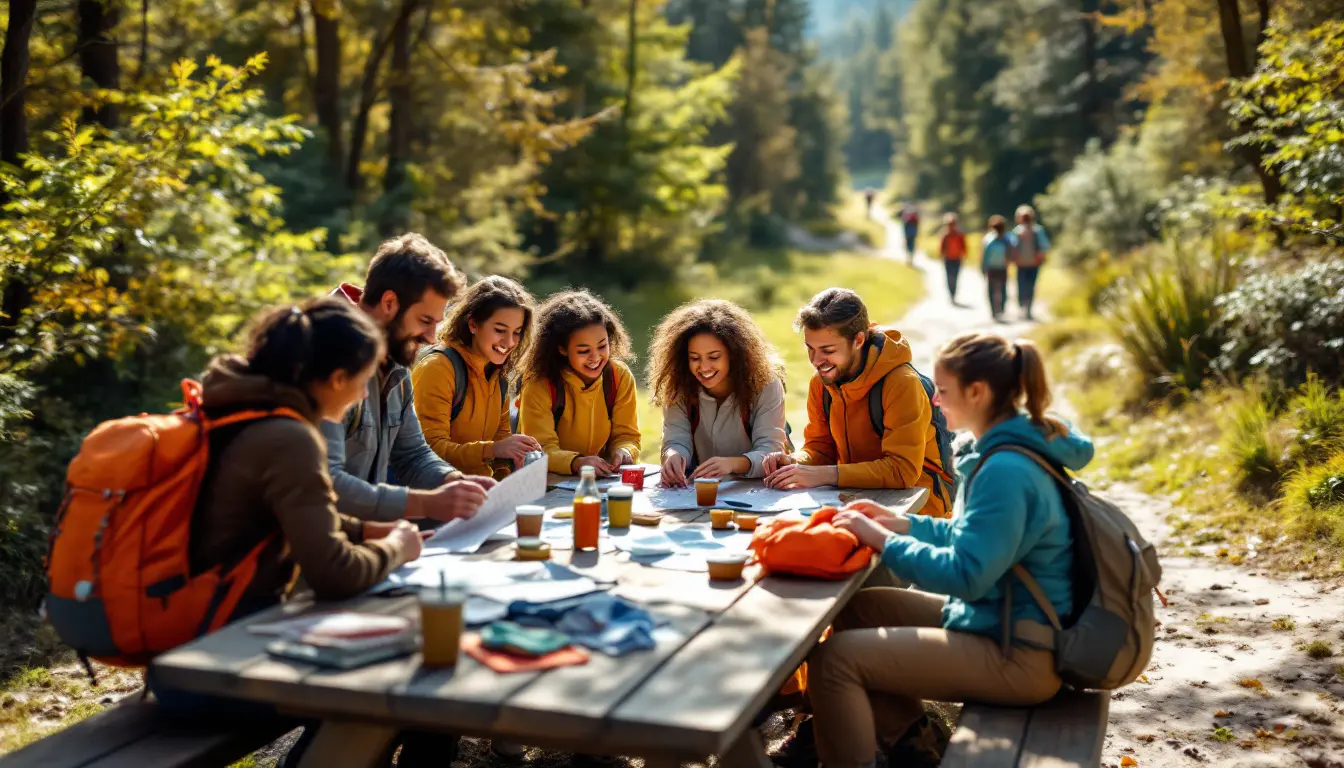
Effectively preparing for a group ride
Embarking on a group ride can be a rewarding and entertaining experience, but it requires careful preparation. First, it is crucial to gather the participants to discuss together the goals and expectations of each. This helps establish a positive group dynamic and ensures that all members share similar intentions for the outing. Establishing open communication from the start helps avoid misunderstandings and strengthens the group’s cohesion.
Next, choosing a suitable route for all members of the group is essential. It is advisable to opt for a walk that respects everyone’s physical abilities and experience. Take into account the levels of difficulty and be sure to include alternatives for participants who may need additional breaks. It is also wise to identify points of interest along the route to make the ride more appealing.
The logistical preparation should not be overlooked. Think about organizing transport, accommodation if necessary, and meals for the entire group. Everyone should be informed of recommendations concerning the equipment to bring. A briefing before departure can clarify expectations about the pace of walking to adopt and the plan in case of emergency. Ensure that all participants are equipped with the appropriate safety accessories.
Finally, a good team spirit and the ability to handle the unexpected are key elements for a successful outing. Being attentive to others, sharing moments of conviviality, and respecting everyone’s needs will contribute to making this group ride a memorable adventure.
FAQ: How to effectively prepare for a group ride
Q: What are the initial steps to organize a group ride?
A: The first step is to gather the participants and discuss potential destinations. This allows for defining the goals and expectations of everyone.
Q: How to choose a route suitable for everyone?
A: It is important to take into account the physical capabilities of the group members. Make sure the chosen route is accessible and enjoyable for all.
Q: What are the best practices to ensure the safety of the group?
A: Before departing, a pre-departure briefing is essential. Reminding about safety points, the walking pace, and breaks will help maintain a good atmosphere during the ride.
Q: What tools are recommended to prepare the route?
A: Use hiking apps or detailed maps to plan your route. This may also include tools to monitor the weather.
Q: How to manage transport and meals during the ride?
A: Plan in advance how you will move and where you will stop to eat. Consider organizing meals while taking into account everyone’s dietary preferences.
Q: What are the tips to maintain group cohesion?
A: Create moments for exchange and encourage discussions among members. This will foster the dynamics of the group and strengthen bonds.
Q: How to physically prepare before the hike?
A: Consider doing light warm-ups before departing and practicing regular physical activity to improve your endurance.


